Skip to content
New Georgia Encyclopedia
  • Home
  • Articles & Media
  • Browse by Topic
  • Browse Collections
  • Browse Georgia Standards
  • A-Z Index
  • Exhibitions
  • Educators
  • Browse    Chevron down
  • Exhibitions
  • Educators
By Topic Content Collections Georgia Standards A-Z Index Arrow right
  • Arts & Culture

    Arts & Culture

  • Business & Economy

    Business & Economy

  • Counties, Cities & Neighborhoods

    Counties, Cities & Neighborhoods

  • Education

    Education

  • Geography & Environment

    Geography & Environment

  • Government & Politics

    Government & Politics

  • History & Archaeology

    History & Archaeology

  • People

    People

  • Science & Medicine

    Science & Medicine

  • Sports & Outdoor Recreation

    Sports & Outdoor Recreation

Frankie Welch’s Americana
Featured

Frankie Welch’s Americana

Fashion and politics from Georgia-born designer Frankie Welch

Stamp Collection
Featured

Stamp Collection

Stamps honoring the political figures, artists, and culture of Georgia.

Recently Added
View All Arrow right
City Page: Atlanta

City Page: Atlanta

Stamp Collection

Stamp Collection

Frankie Welch’s Americana

Frankie Welch’s Americana

  • Georgia Studies

    Georgia Studies

    Eighth Grade
  • Georgia, My State

    Georgia, My State

    Second Grade
All Topics Arrow right

Counties, Cities & Neighborhoods

Sub-Topics
  • Cities & Towns
  • Neighborhoods
  • Counties
  • General County & City Topics
Adel

Adel

Albany

Albany

Alpharetta

Alpharetta

Americus

Americus

Appling County

Appling County

Athens

Athens

Atkinson County

Atkinson County

Atlanta

Atlanta

Auburn Avenue

Auburn Avenue

Sweet Auburn
Augusta

Augusta

Bacon County

Bacon County

Bainbridge

Bainbridge

Baker County

Baker County

Baldwin County

Baldwin County

Banks County

Banks County

Barrow County

Barrow County

Bartow County

Bartow County

Baxley

Baxley

Ben Hill County

Ben Hill County

Berrien County

Berrien County

Bibb County

Bibb County

Blakely

Blakely

Bleckley County

Bleckley County

Brantley County

Brantley County

Braselton

Braselton

Brooks County

Brooks County

Brunswick

Brunswick

Bryan County

Bryan County

Bulloch County

Bulloch County

Burke County

Burke County

Butts County

Butts County

Cairo

Cairo

Calhoun

Calhoun

Calhoun County

Calhoun County

Camden County

Camden County

Candler County

Candler County

Canton

Canton

Georgia’s Historic Capitals

Georgia’s Historic Capitals

Carroll County

Carroll County

Carrollton

Carrollton

Cartersville

Cartersville

Catoosa County

Catoosa County

Charlton County

Charlton County

Chatham County

Chatham County

Chattahoochee County

Chattahoochee County

Chattooga County

Chattooga County

Cherokee County

Cherokee County

Chickamauga

Chickamauga

Loading
Star

Featured Content

James Oglethorpe

James Oglethorpe

Colonial Figures
Harriet Powers

Harriet Powers

People
Trending

Trending

Georgia Guidestones

Georgia Guidestones

Sites & Museums
Bobby Cox

Bobby Cox

People
James D. Bulloch

James D. Bulloch

People
Augusta Riot

Augusta Riot

Mid- to Late 20th Century Events
Clock

Updated Recently

Morris Brown College

Morris Brown College

6 days ago
Burke County

Burke County

6 days ago
CNN

CNN

6 days ago
Ted Turner

Ted Turner

1 week ago

A More Perfect Union

The New Georgia Encyclopedia is supported by funding from A More Perfect Union, a special initiative of the National Endowment for the Humanities.

Learn More
New Georgia Encyclopedia
ISSN 2765-8732
Project Partners
logo-press UGA Press logo-galileo GALILEO logo-humanities Georgia Humanities logo-seal Office of the Governor logo-libraries UGA Libraries
Articles & Media
  • Browse by Topic
  • Content Collections
  • Georgia Standards
Special Content
  • Quizzes
  • Exhibitions
  • Spotify Playlists
  • Georgia Exhibits
  • Educator Resources
About
  • The Project
  • The People
  • Sponsors & Partners
Editorial
  • Our Process
  • Contributor Info
  • Permissions & Use
Stay in Touch
Facebook Instagram Twitter Contact Us
Donate to the NGE

Your support helps us commission new entries and update existing content.

Donate

© 2004–2026 Georgia Humanities, University of Georgia Press

  • Terms of Use
  • Privacy Policy

Media gallery

Midtown Skyline

Midtown Skyline

  • Info Details
  • Citation Terms of Use

The Midtown skyline, seen here from Piedmont Park, reflects the neighborhood's dramatic growth. Midtown is the second-largest business district in Atlanta. 

Photograph by Daniel Mayer
The New Georgia Encyclopedia does not hold the copyright for this media resource and can neither grant nor deny permission to republish or reproduce the image online or in print. All requests for permission to publish or reproduce the resource must be submitted to the rights holder.

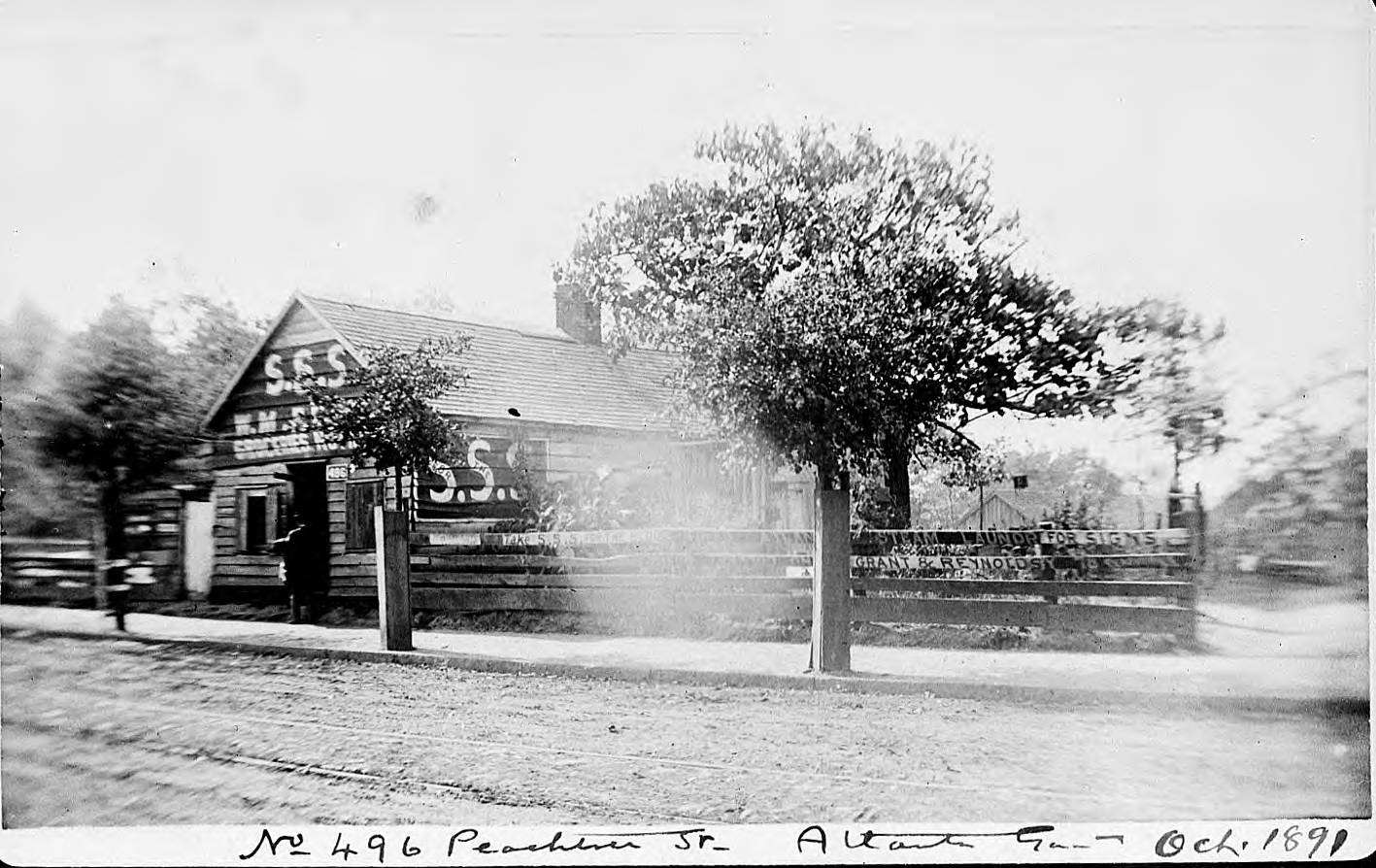
Peachtree Street

Peachtree Street

  • Info Details
  • Citation Terms of Use

Sections of Peachtree Street, Atlanta's primary thoroughfare, retained a rural character well into the late nineteenth century. 

Courtesy of Special Collections & Archives, Georgia State University Library.

The New Georgia Encyclopedia does not hold the copyright for this media resource and can neither grant nor deny permission to republish or reproduce the image online or in print. Requests for permission to publish or reproduce the resource should be submitted to Special Collections and Archives at Georgia State University.

Wimbish House

Wimbish House

  • Info Details
  • Citation Terms of Use

The Wimbish House is one of the last grand homes remaining on Peachtree Street. It was built in 1898 and designed by noted Atlanta architect W.T. Downing.

Courtesy of Special Collections & Archives, Georgia State University Library.

The New Georgia Encyclopedia does not hold the copyright for this media resource and can neither grant nor deny permission to republish or reproduce the image online or in print. Requests for permission to publish or reproduce the resource should be submitted to Special Collections and Archives at Georgia State University.

Midtown Counterculture

Midtown Counterculture

  • Info Details
  • Citation Terms of Use

In the late 1960s and 1970s, Midtown became a haven for Atlanta's counterculture. Here, young residents of the neighborhood can be seen lounging at a local hangout in 1968. 

Courtesy of Special Collections & Archives, Georgia State University Library.

The New Georgia Encyclopedia does not hold the copyright for this media resource and can neither grant nor deny permission to republish or reproduce the image online or in print. Requests for permission to publish or reproduce the resource should be submitted to Special Collections and Archives at Georgia State University.

Atlanta Pride

Atlanta Pride

  • Info Details
  • Citation Terms of Use

Members of the Southern Element Flag Corps march down Peachtree Street in 1994 during the city's annual gay pride parade. A chapter of the Gay Liberation Front opened in Atlanta in 1971 and organized the city's first pride parade from 7th Street to Piedmont Park. 

Courtesy of Atlanta Journal-Constitution.

The New Georgia Encyclopedia does not hold the copyright for this media resource and can neither grant nor deny permission to republish or reproduce the image online or in print. All requests for permission to publish or reproduce the resource must be submitted to the Atlanta Journal-Constitution.

Fox Theatre

Fox Theatre

  • Info Details
  • Citation Terms of Use

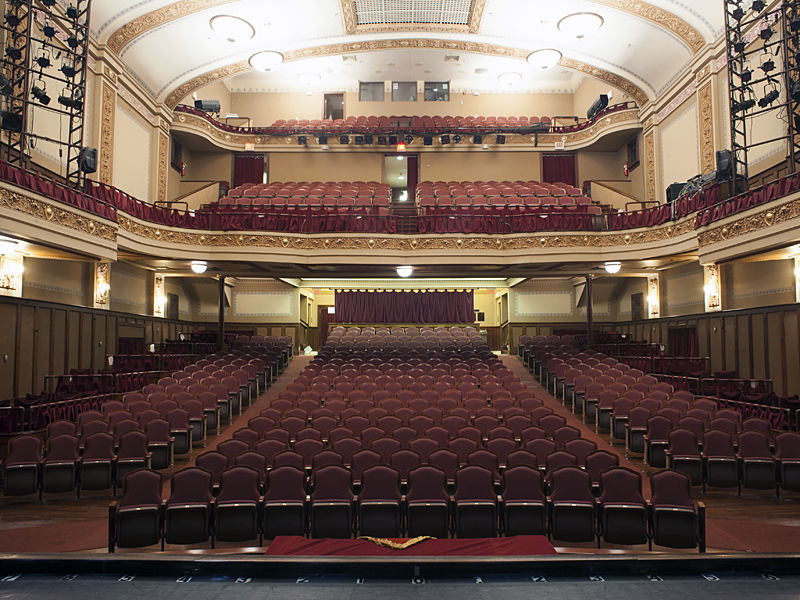
Atlanta's Fox Theatre has seen more than $20 million in restoration projects since coming under the ownership of the nonprofit organization, Atlanta Landmarks, in 1975. The Fox was designated a National Historic Landmark in 1976.

Courtesy of Historic Preservation Division, Georgia Department of Community Affairs.

The New Georgia Encyclopedia does not hold the copyright for this media resource and can neither grant nor deny permission to republish or reproduce the image online or in print. Requests for permission to publish or reproduce the resource may need to be submitted to the Georgia Department of Community Affairs, Historic Preservation Division.

Dalton City Hall

Dalton City Hall

  • Info Details
  • Citation Terms of Use

The city of Dalton, founded as Cross Plains in 1837, is the seat of Whitfield County. Known as the carpet capital of the world, Dalton and the surrounding region produce most of the nation's tufted carpets.

Courtesy of Dalton Convention and Visitors Bureau

The New Georgia Encyclopedia does not hold the copyright for this media resource and can neither grant nor deny permission to republish or reproduce the image online or in print. All requests for permission to publish or reproduce the resource must be submitted to the rights holder.

Dalton, 1890

Dalton, 1890

  • Info Details
  • Citation Terms of Use

An aerial photograph, taken in 1890, shows the north end of Dalton, the capital of Whitfield County.

Courtesy of Georgia Archives, Vanishing Georgia, # wtf025.
View on partner site

The New Georgia Encyclopedia does not hold the copyright for this media resource and can neither grant nor deny permission to republish or reproduce the image online or in print. Requests for permission to publish or reproduce the resource should be submitted to the Georgia Archives.

Old Whitfield County Courthouse

Old Whitfield County Courthouse

  • Info Details
  • Citation Terms of Use

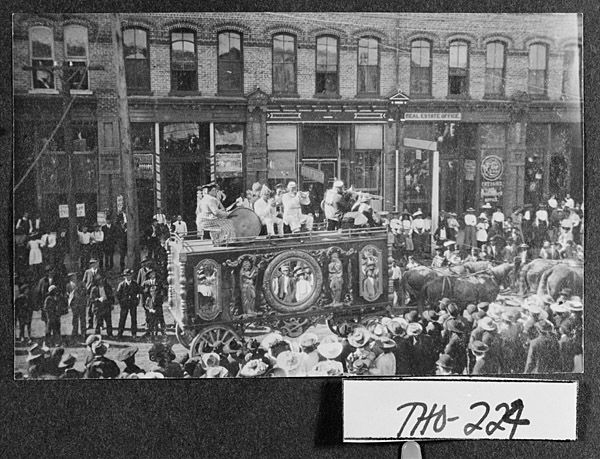
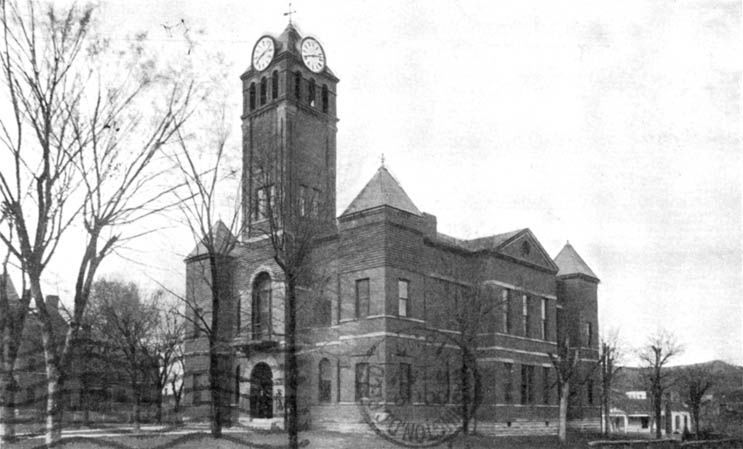
Located in Dalton, Whitfield County's second courthouse, pictured circa 1907, was built in 1891 to replace a wooden structure burned by Union troops during the Civil War. The second courthouse was used until 1960, when it was demolished.

Courtesy of Georgia Info, Digital Library of Georgia.
The New Georgia Encyclopedia does not hold the copyright for this media resource and can neither grant nor deny permission to republish or reproduce the image online or in print. Requests for permission to publish or reproduce the resource may need to be submitted to the Digital Library of Georgia.

Hamilton Street, Dalton

Hamilton Street, Dalton

  • Info Details
  • Citation Terms of Use

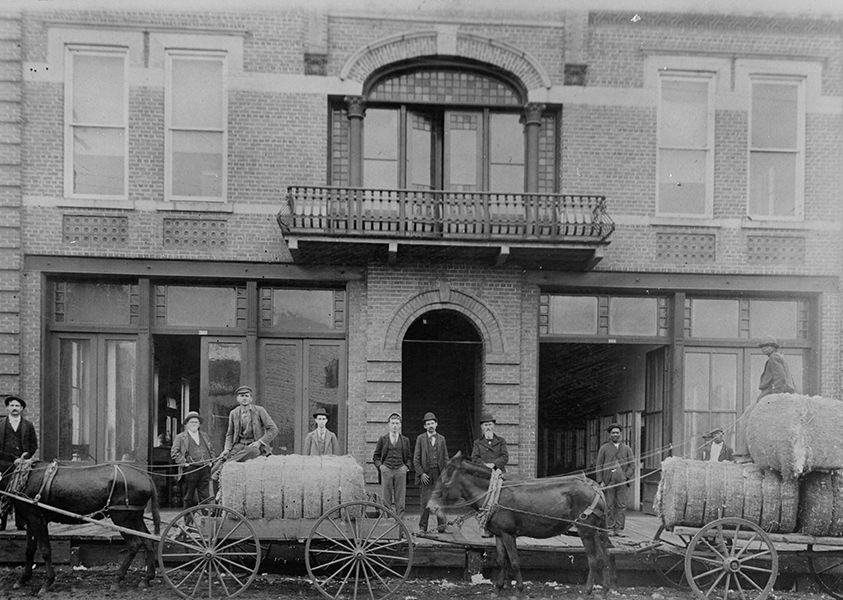
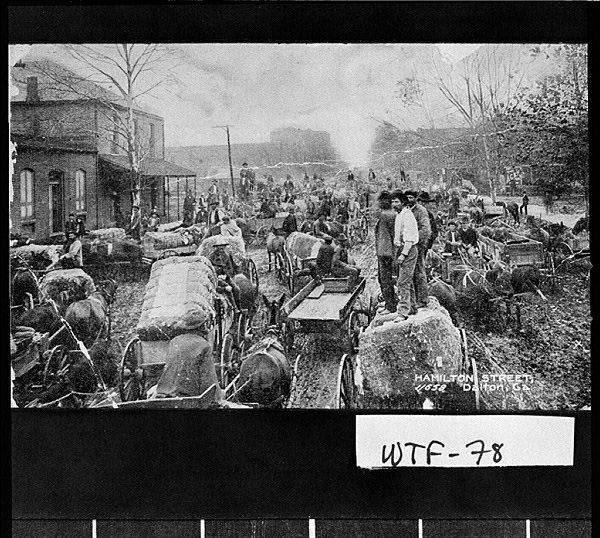
Cotton farmers converge on Hamilton Street in Dalton, circa 1900. Agriculture was the predominant industry in the Dalton area until the end of the nineteenth century, when farming was largely supplanted by the textile industry.

Courtesy of Georgia Archives, Vanishing Georgia, #
wtf078.

View on partner site

The New Georgia Encyclopedia does not hold the copyright for this media resource and can neither grant nor deny permission to republish or reproduce the image online or in print. Requests for permission to publish or reproduce the resource should be submitted to the Georgia Archives.

Chenille Bedspreads

Chenille Bedspreads

  • Info Details
  • Citation Terms of Use

Chenille bedspreads hang on a line in Dalton, where in 1895 resident Catherine Evans Whitener revived the craft of hand tufting. The resulting cottage industry for the production of chenille goods is credited as the origin of Dalton's renowned carpet industy.

Courtesy of Dalton Convention and Visitors Bureau

The New Georgia Encyclopedia does not hold the copyright for this media resource and can neither grant nor deny permission to republish or reproduce the image online or in print. All requests for permission to publish or reproduce the resource must be submitted to the rights holder.

Dalton, 1950s

Dalton, 1950s

  • Info Details
  • Citation Terms of Use

Downtown Dalton, the seat of Whitfield County, is pictured in the 1950s. In the years following World War II (1941-45), the city experienced an economic boom with the growth of its carpet industry.

Courtesy of Sherry Cady

The New Georgia Encyclopedia does not hold the copyright for this media resource and can neither grant nor deny permission to republish or reproduce the image online or in print. All requests for permission to publish or reproduce the resource must be submitted to the rights holder.

World Carpets Headquarters

World Carpets Headquarters

  • Info Details
  • Citation Terms of Use

The headquarters of World Carpets, pictured in 1969, featured a waterfall on its Morris Street side. World Carpets was founded in Dalton in 1954 by husband and wife Shaheen Shaheen and Piera Barbaglia.

From World Carpets: The First Thirty Years, by S. Shaheen

The New Georgia Encyclopedia does not hold the copyright for this media resource and can neither grant nor deny permission to republish or reproduce the image online or in print. All requests for permission to publish or reproduce the resource must be submitted to the rights holder.

Downtown Dalton

Downtown Dalton

  • Info Details
  • Citation Terms of Use

Downtown Dalton in the twenty-first century features numerous attractions, including shopping and cultural events. The city is located in Whitfield County, eighty miles north of Atlanta.

Courtesy of Dalton Convention and Visitors Bureau
The New Georgia Encyclopedia does not hold the copyright for this media resource and can neither grant nor deny permission to republish or reproduce the image online or in print. All requests for permission to publish or reproduce the resource must be submitted to the rights holder.

  • Info Details
  • Citation Terms of Use

The New Georgia Encyclopedia does not hold the copyright for this media resource and can neither grant nor deny permission to republish or reproduce the image online or in print. All requests for permission to publish or reproduce the resource must be submitted to the rights holder.

Hamilton Memorial Hospital

Hamilton Memorial Hospital

  • Info Details
  • Citation Terms of Use

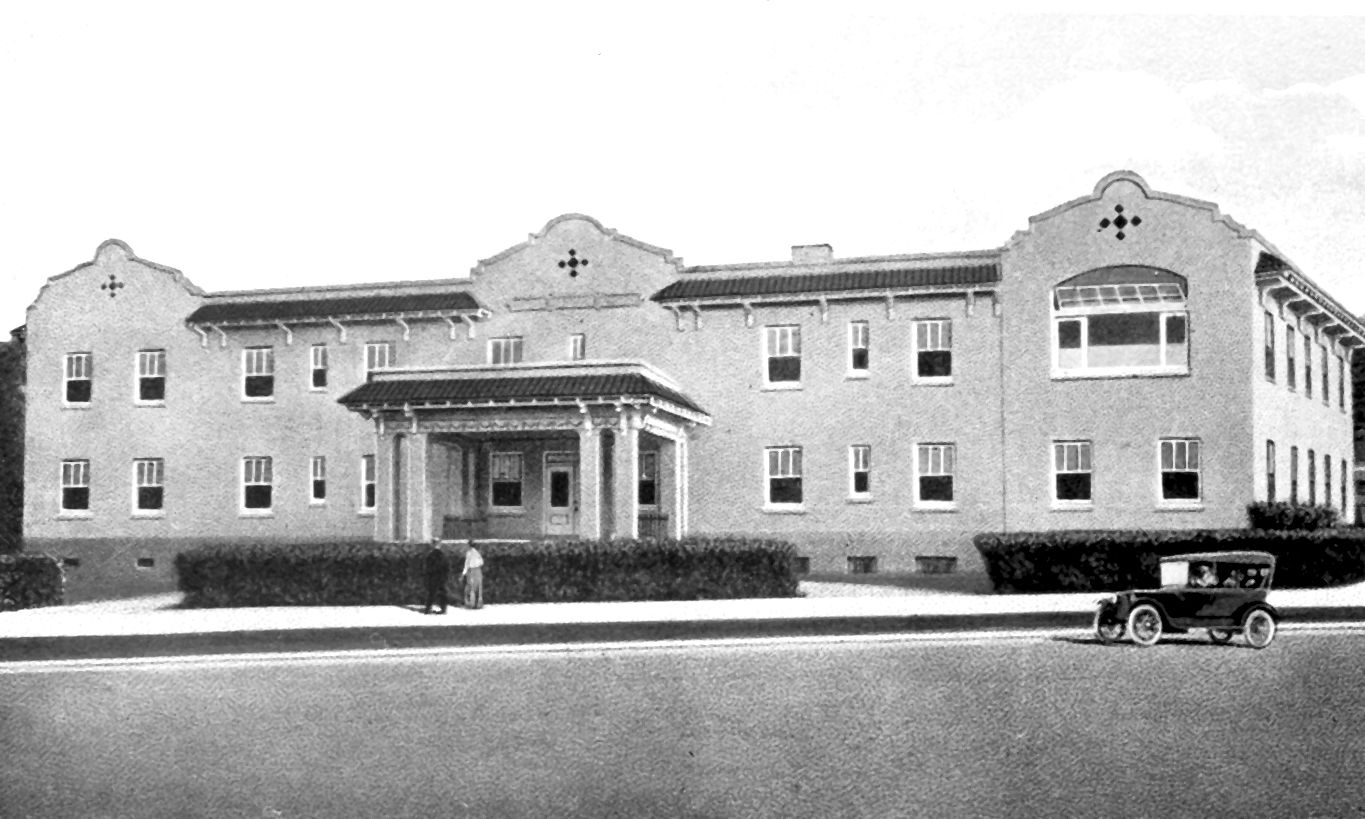
Hamilton Memorial Hospital, pictured circa 1930, was built in Dalton in 1918 during the influenza pandemic of that year.

Courtesy of Crown Gardens and Archives

The New Georgia Encyclopedia does not hold the copyright for this media resource and can neither grant nor deny permission to republish or reproduce the image online or in print. All requests for permission to publish or reproduce the resource must be submitted to the rights holder.

Dalton, 1940s

Dalton, 1940s

  • Info Details
  • Citation Terms of Use

Streetscape of Dalton, the seat of Whitfield County, taken in the 1940s.

Courtesy of Sherry Cady
The New Georgia Encyclopedia does not hold the copyright for this media resource and can neither grant nor deny permission to republish or reproduce the image online or in print. All requests for permission to publish or reproduce the resource must be submitted to the rights holder.

Glascock County Courthouse

Glascock County Courthouse

  • Info Details
  • Citation Terms of Use

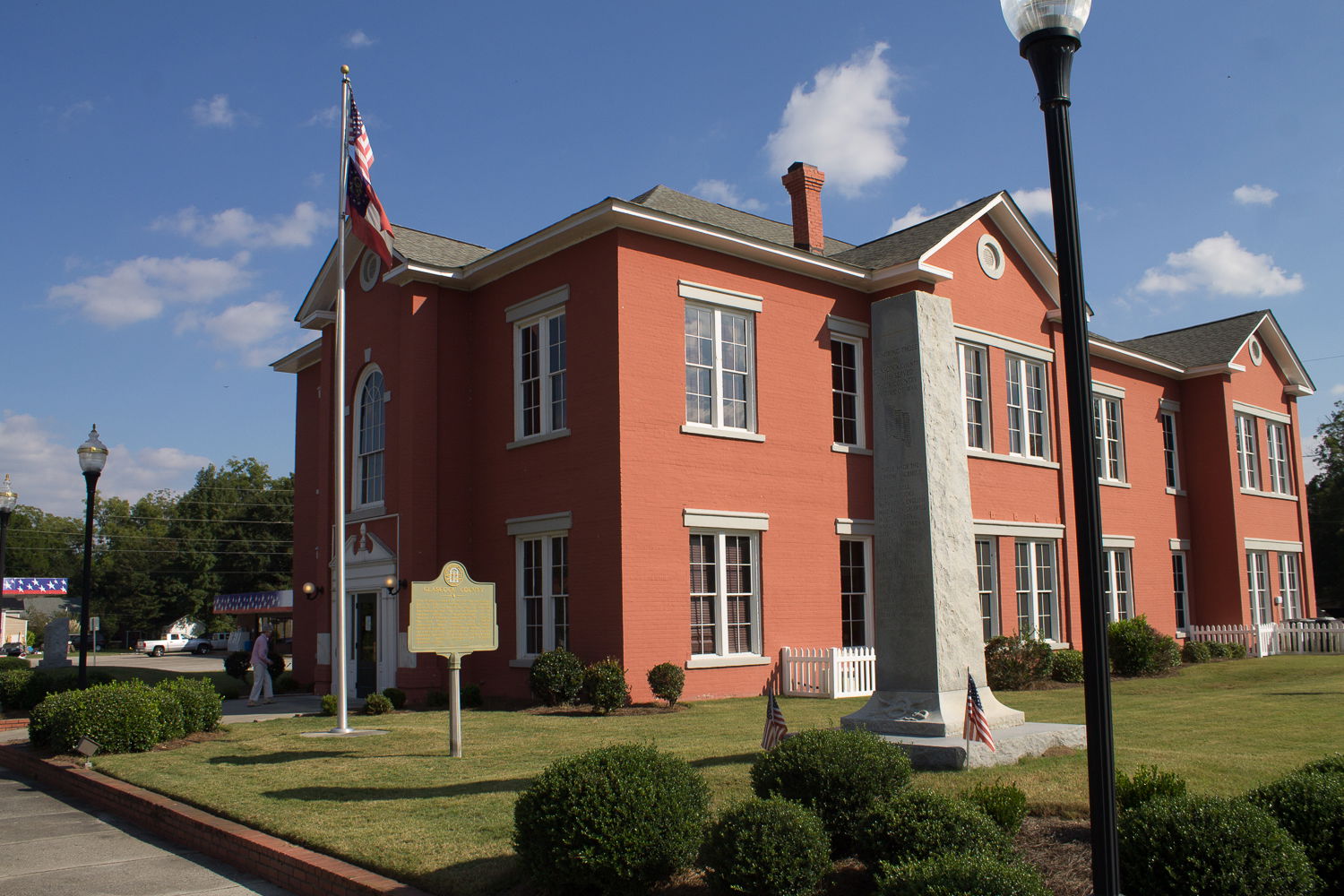
The Glascock County Courthouse in Gibson was built in 1919 and remodeled in 1942. An extensive renovation of the interior was completed in 1973.

Courtesy of Don Bowman

The New Georgia Encyclopedia does not hold the copyright for this media resource and can neither grant nor deny permission to republish or reproduce the image online or in print. All requests for permission to publish or reproduce the resource must be submitted to the rights holder.

Springvale Park

Springvale Park

  • Info Details
  • Citation Terms of Use

Comprising ten acres, Springvale Park is the centerpiece of the Inman Park neighborhood, which was established in the late 1880s. In 1903 Inman Park founder Joel Hurt hired landscape architect Frederick Law Olmsted to improve the park aesthetically.

Photograph by Ted Bazemore

The New Georgia Encyclopedia does not hold the copyright for this media resource and can neither grant nor deny permission to republish or reproduce the image online or in print. All requests for permission to publish or reproduce the resource must be submitted to the rights holder.

Inman Park

Inman Park

  • Info Details
  • Citation Terms of Use

Atlanta's first planned garden suburb, Inman Park was envisioned as an oasis for the city's wealthy citizens. After a period of decline, the neighborhood underwent an extensive restoration, beginning in the 1970s.

Photograph by Ted Bazemore

The New Georgia Encyclopedia does not hold the copyright for this media resource and can neither grant nor deny permission to republish or reproduce the image online or in print. All requests for permission to publish or reproduce the resource must be submitted to the rights holder.

Trolley Barn, Inman Park

Trolley Barn, Inman Park

  • Info Details
  • Citation Terms of Use

The Trolley Barn in Inman Park was the terminus for Atlanta's first electric streetcar line, which ran west to downtown. The barn was the repair depot for the streetcars. Today the building is used for community events.

Photograph by Ted Bazemore

The New Georgia Encyclopedia does not hold the copyright for this media resource and can neither grant nor deny permission to republish or reproduce the image online or in print. All requests for permission to publish or reproduce the resource must be submitted to the rights holder.

Inman Park

Inman Park

  • Info Details
  • Citation Terms of Use

In 1969 Robert Griggs purchased and restored this Queen Anne-style house on Euclid Avenue, thereby launching the Inman Park restoration movement.

Photograph by Ted Bazemore

The New Georgia Encyclopedia does not hold the copyright for this media resource and can neither grant nor deny permission to republish or reproduce the image online or in print. All requests for permission to publish or reproduce the resource must be submitted to the rights holder.

Callan Castle, Inman Park

Callan Castle, Inman Park

  • Info Details
  • Citation Terms of Use

The Beaux-Arts style Callan Castle (1902-4) was built in Inman Park for Coca-Cola Company founder Asa Candler.

Photograph by Ted Bazemore
The New Georgia Encyclopedia does not hold the copyright for this media resource and can neither grant nor deny permission to republish or reproduce the image online or in print. All requests for permission to publish or reproduce the resource must be submitted to the rights holder.

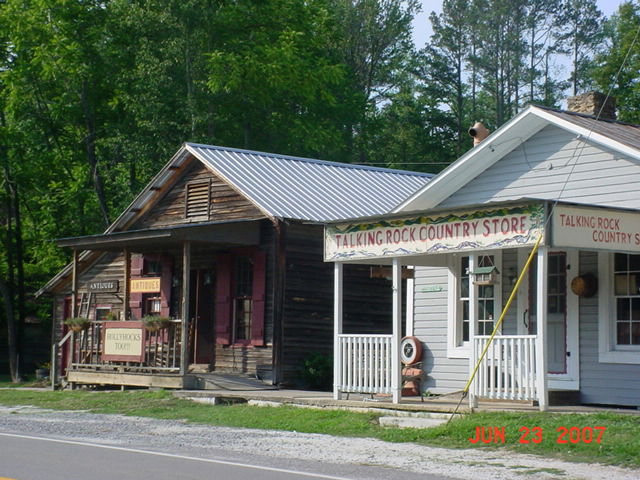
Talking Rock Country Store

Talking Rock Country Store

  • Info Details
  • Citation Terms of Use

The town that is now Talking Rock, in Pickens County, was originally part of the Cherokee Nation. Today, the tiny town claims fewer than 100 residents.

Photograph by Pam Brannon
The New Georgia Encyclopedia does not hold the copyright for this media resource and can neither grant nor deny permission to republish or reproduce the image online or in print. All requests for permission to publish or reproduce the resource must be submitted to the rights holder.

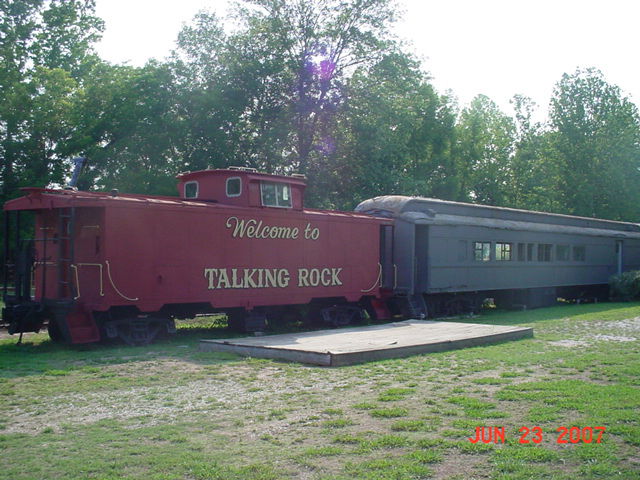
Talking Rock

Talking Rock

  • Info Details
  • Citation Terms of Use

The modern town of Talking Rock, in Pickens County, grew up around the railroad during the late nineteenth century. The town incorporated in 1883.

Photograph by Pam Brannon

The New Georgia Encyclopedia does not hold the copyright for this media resource and can neither grant nor deny permission to republish or reproduce the image online or in print. All requests for permission to publish or reproduce the resource must be submitted to the rights holder.

Talking Rock Hotel

Talking Rock Hotel

  • Info Details
  • Citation Terms of Use

This old hotel in Talking Rock is a remnant from the town's era of prosperity. Before the turn of the twentieth century, Talking Rock boomed with the arrival of the railroad, the growth of the marble industry, and the thriving commerce of a factory, mills, cotton gins, and stores.

Courtesy of Robert Scott Davis

The New Georgia Encyclopedia does not hold the copyright for this media resource and can neither grant nor deny permission to republish or reproduce the image online or in print. All requests for permission to publish or reproduce the resource must be submitted to the rights holder.

Ludville Academy

Ludville Academy

  • Info Details
  • Citation Terms of Use

Ludville Academy, pictured circa 1930, was built in the community of Ludville in 1877 and ten years later moved to Talking Rock, where it housed the first high school in Pickens County.

Courtesy of Georgia Archives, Vanishing Georgia, #
pck059-82.

View on partner site

The New Georgia Encyclopedia does not hold the copyright for this media resource and can neither grant nor deny permission to republish or reproduce the image online or in print. Requests for permission to publish or reproduce the resource should be submitted to the Georgia Archives.

Manchester

Manchester

  • Info Details
  • Citation Terms of Use

Manchester, incorporated in 1909, was named for the industrial city in England. Although it is not the county seat, Manchester is the largest town in Meriwether County.

Photograph by Jim Corley
The New Georgia Encyclopedia does not hold the copyright for this media resource and can neither grant nor deny permission to republish or reproduce the image online or in print. All requests for permission to publish or reproduce the resource must be submitted to the rights holder.

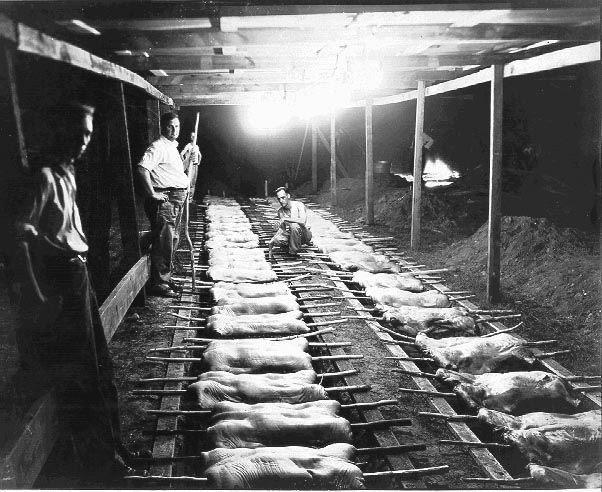
Pig Barbecue

Pig Barbecue

  • Info Details
  • Citation Terms of Use

The Callaway Mills textile plant was built in Manchester by Fuller E. Callaway in the early 1900s, and the annual company picnic was held every July 15, Callaway's birthday. Men are shown barbecuing pigs in preparation for the picnic.

Courtesy of Troup County Archives, Nix-Price Collection.

The New Georgia Encyclopedia does not hold the copyright for this media resource and can neither grant nor deny permission to republish or reproduce the image online or in print. All requests for permission to publish or reproduce the resource must be submitted to the rights holder.

Stuart Woods

Stuart Woods

  • Info Details
  • Citation Terms of Use

Manchester native Stuart Woods is a successful popular-fiction writer. His first novel, Chiefs (1981), is set in the fictional town of Delano, which shares many similarities with Manchester.

Photograph by Mark Coggins
View on source site

The New Georgia Encyclopedia does not hold the copyright for this media resource and can neither grant nor deny permission to republish or reproduce the image online or in print. All requests for permission to publish or reproduce the resource must be submitted to the rights holder.

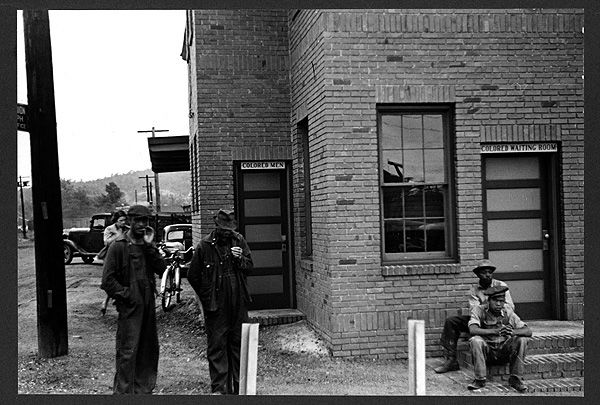
Segregated Railroad Station

Segregated Railroad Station

  • Info Details
  • Citation Terms of Use

Signs above the doors at a railroad station in Manchester (Meriwether County), pictured in 1944, read "Colored Men" and "Colored Waiting Room," indicating segregated facilities.

Courtesy of Library of Congress, Prints and Photographs Division, Farm Security Administration - Office of War Information Photograph Collection, #LC-USF3301-001172-M4.

The New Georgia Encyclopedia does not hold the copyright for this media resource and can neither grant nor deny permission to republish or reproduce the image online or in print. All requests for permission to publish or reproduce the resource must be submitted to the rights holder.

Callaway Mills, Aerial View

Callaway Mills, Aerial View

  • Info Details
  • Citation Terms of Use

An aerial view of Callaway Mills in Manchester.

Courtesy of Troup County Archives, LaGrange, Callaway Educational Association Collection.

The New Georgia Encyclopedia does not hold the copyright for this media resource and can neither grant nor deny permission to republish or reproduce the image online or in print. All requests for permission to publish or reproduce the resource must be submitted to the rights holder.

Lake Lanier

Lake Lanier

  • Info Details
  • Citation Terms of Use

The town of Flowery Branch is located on the shores of Lake Lanier in north Georgia. The name Flowery Branch is the translation of the Cherokee word Anaguluskee, the town's original name.

Image from G. DAWSON
View on source site

The New Georgia Encyclopedia does not hold the copyright for this media resource and can neither grant nor deny permission to republish or reproduce the image online or in print. All requests for permission to publish or reproduce the resource must be submitted to the rights holder.

Flowery Branch

Flowery Branch

  • Info Details
  • Citation Terms of Use

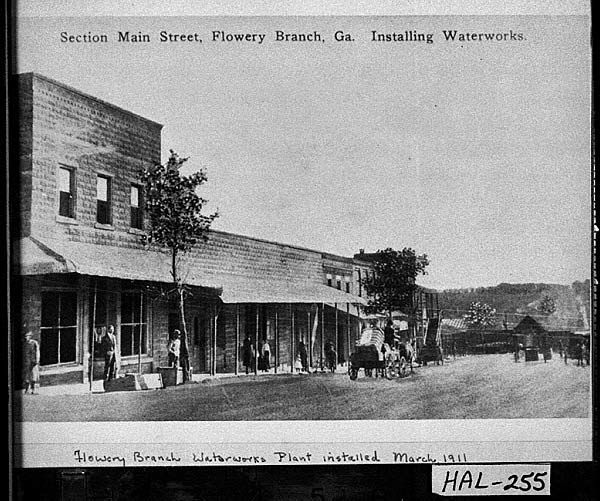
In this photograph, dated 1911, workers are installing waterworks along Main Street in Flowery Branch. The town, about twelve miles from Gainesville, was incorporated in 1983.

Courtesy of Georgia Archives, Vanishing Georgia, #
hal255.

View on partner site

The New Georgia Encyclopedia does not hold the copyright for this media resource and can neither grant nor deny permission to republish or reproduce the image online or in print. Requests for permission to publish or reproduce the resource should be submitted to the Georgia Archives.

Flowery Branch Depot

Flowery Branch Depot

  • Info Details
  • Citation Terms of Use

The old Southern Railway depot in Flowery Branch was restored and converted to a community center in the 1970s. The Flowery Branch Museum is housed in the railroad car beside the depot.

Courtesy of Georgia Archives, Vanishing Georgia, #
hal219.

View on partner site

The New Georgia Encyclopedia does not hold the copyright for this media resource and can neither grant nor deny permission to republish or reproduce the image online or in print. Requests for permission to publish or reproduce the resource should be submitted to the Georgia Archives.

Plains

Plains

  • Info Details
  • Citation Terms of Use

Downtown Plains is part of the attraction for tourists visiting the area. Tourism is the main industry for Plains today, but the area has primarily been a farming community for most of its history.

Courtesy of Explore Georgia, Photograph by Ralph Daniel.
The New Georgia Encyclopedia does not hold the copyright for this media resource and can neither grant nor deny permission to republish or reproduce the image online or in print. Requests for permission to publish or reproduce the resource may need to be submitted to Explore Georgia.

Historic Plains

Historic Plains

  • Info Details
  • Citation Terms of Use

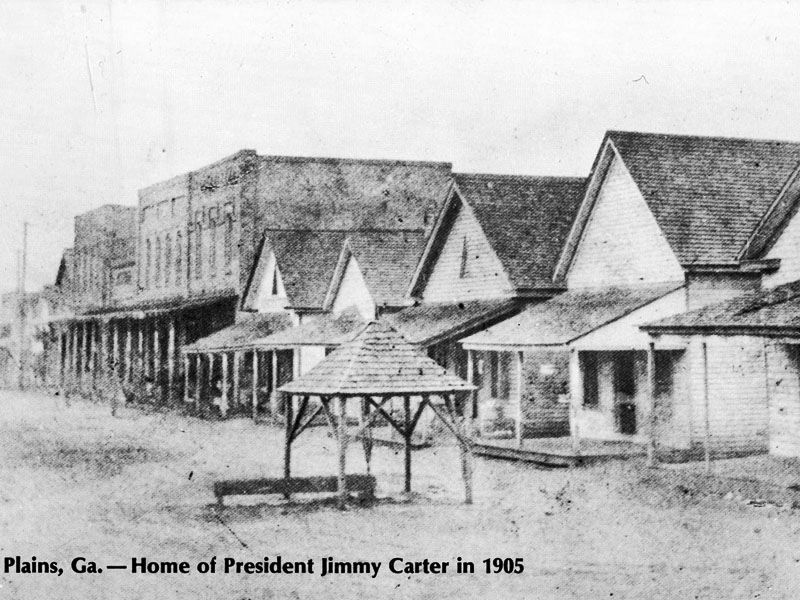
This historic postcard shows Main Street in downtown Plains in 1905. At the time, cotton farming was the largest local enterprise.

Courtesy of Georgia Archives, Vanishing Georgia, #sum135a.
View on partner site

The New Georgia Encyclopedia does not hold the copyright for this media resource and can neither grant nor deny permission to republish or reproduce the image online or in print. Requests for permission to publish or reproduce the resource should be submitted to the Georgia Archives.

Carter Boyhood Farm

Carter Boyhood Farm

  • Info Details
  • Citation Terms of Use

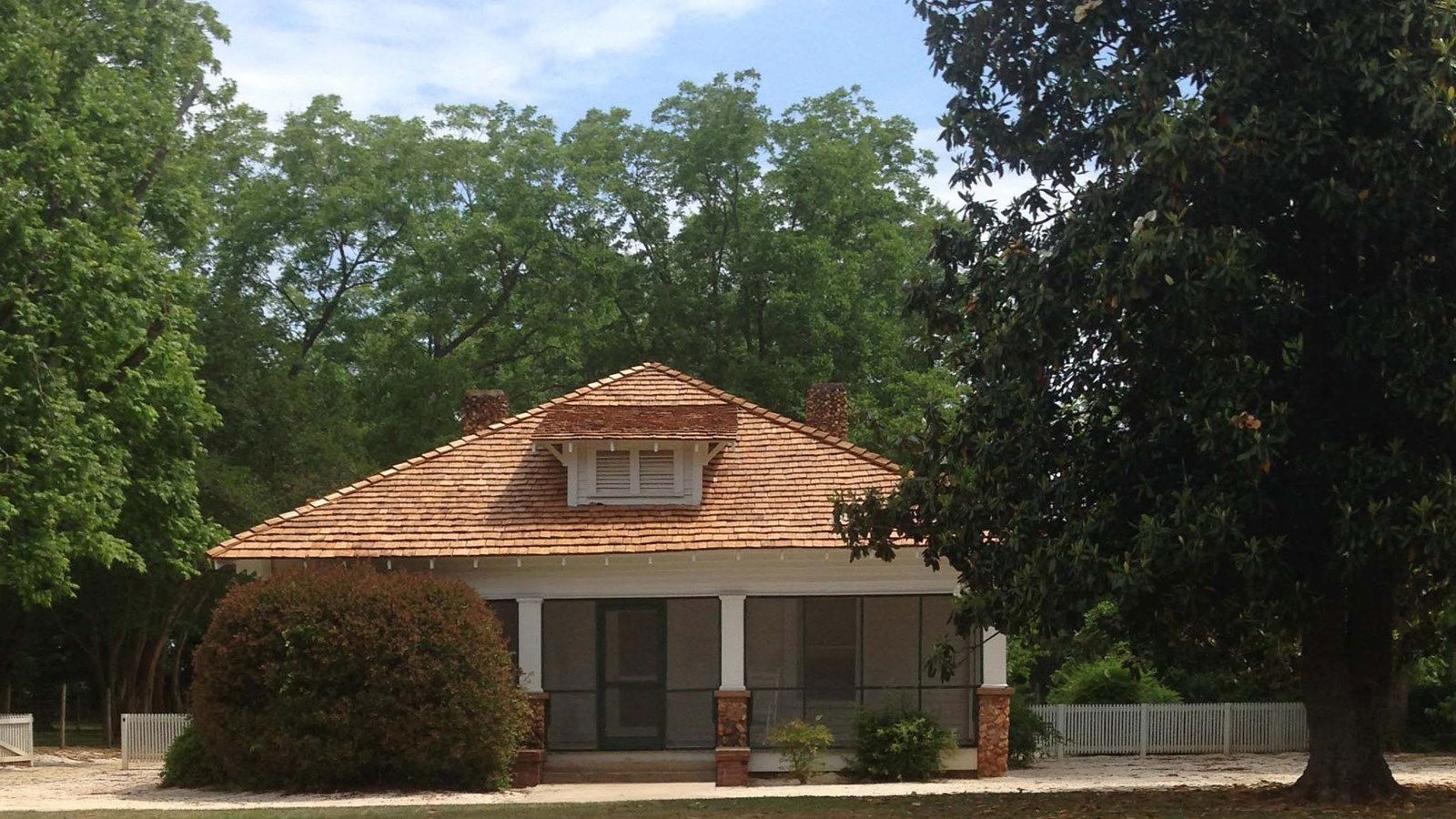
Jimmy Carter's boyhood home and farm in Plains, where the family grew peanuts, are managed today by the National Park Service.

Photograph from National Park Service

The New Georgia Encyclopedia does not hold the copyright for this media resource and can neither grant nor deny permission to republish or reproduce the image online or in print. All requests for permission to publish or reproduce the resource must be submitted to the rights holder.

Maranatha Baptist Church

Maranatha Baptist Church

  • Info Details
  • Citation Terms of Use

In Plains Jimmy Carter teaches Sunday school at Maranatha Baptist Church, where a large crowd usuallly gathers to attend the class.

Courtesy of National Park Service

The New Georgia Encyclopedia does not hold the copyright for this media resource and can neither grant nor deny permission to republish or reproduce the image online or in print. All requests for permission to publish or reproduce the resource must be submitted to the rights holder.

Downtown Pelham

Downtown Pelham

  • Info Details
  • Citation Terms of Use

Pelham, in Mitchell County, was incorporated in 1881 and named for a Civil War soldier.

Photograph by Greg Loyd
The New Georgia Encyclopedia does not hold the copyright for this media resource and can neither grant nor deny permission to republish or reproduce the image online or in print. All requests for permission to publish or reproduce the resource must be submitted to the rights holder.

Hand Trading Company

Hand Trading Company

  • Info Details
  • Citation Terms of Use

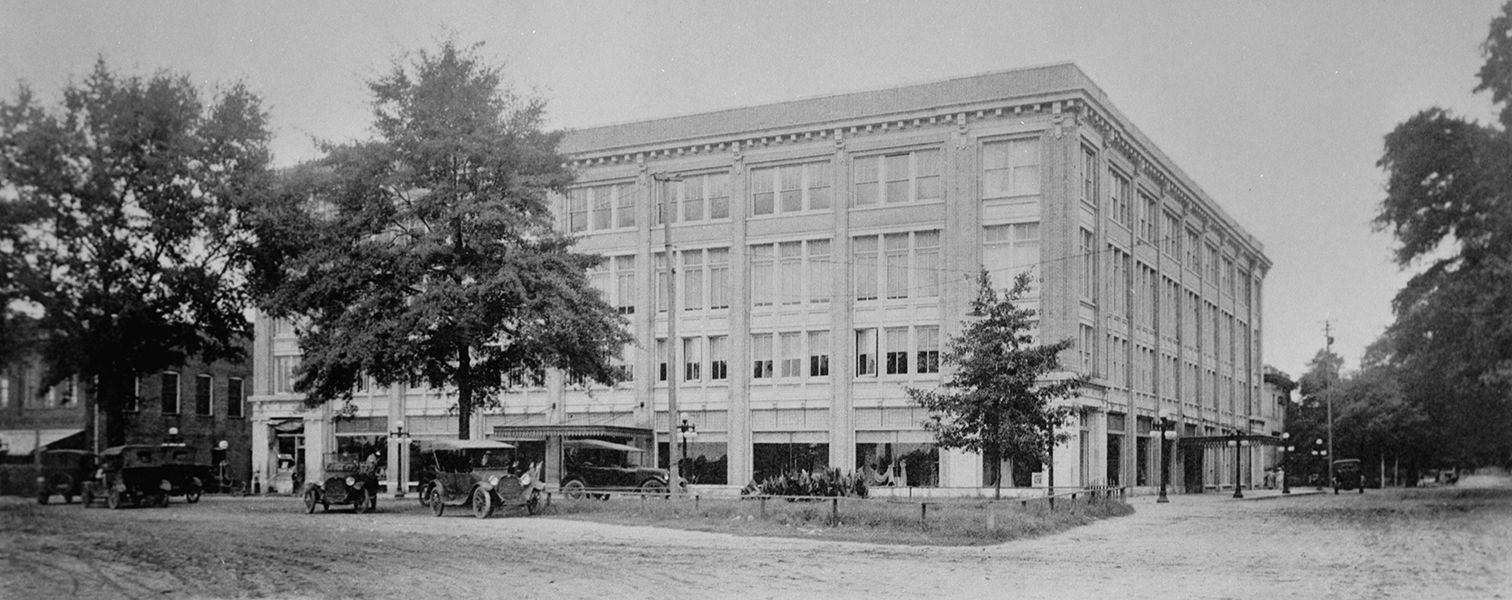
The Hand Trading Company was the largest mercantile store in southwest Georgia in the early twentieth century. Pictured in 1918, the four-story retail emporium featured nearly 100,000 feet of floor space.

Courtesy of Georgia Archives, Vanishing Georgia, # mit022.

View on partner site

The New Georgia Encyclopedia does not hold the copyright for this media resource and can neither grant nor deny permission to republish or reproduce the image online or in print. Requests for permission to publish or reproduce the resource should be submitted to the Georgia Archives.

Pelham Television Station

Pelham Television Station

  • Info Details
  • Citation Terms of Use

Located just outside the Pelham city limits, WABW-TV, Channel 14, is a full-power television station and a repeater of Georgia Public Broadcasting. The station's UHF tower broadcasts its signal as far south as Florida and well north of Albany.

Photograph by Greg Loyd

The New Georgia Encyclopedia does not hold the copyright for this media resource and can neither grant nor deny permission to republish or reproduce the image online or in print. All requests for permission to publish or reproduce the resource must be submitted to the rights holder.

  • Info Details
  • Citation Terms of Use

The New Georgia Encyclopedia does not hold the copyright for this media resource and can neither grant nor deny permission to republish or reproduce the image online or in print. All requests for permission to publish or reproduce the resource must be submitted to the rights holder.

  • Info Details
  • Citation Terms of Use

The New Georgia Encyclopedia does not hold the copyright for this media resource and can neither grant nor deny permission to republish or reproduce the image online or in print. All requests for permission to publish or reproduce the resource must be submitted to the rights holder.

Lincoln County Historical Park

Lincoln County Historical Park

  • Info Details
  • Citation Terms of Use

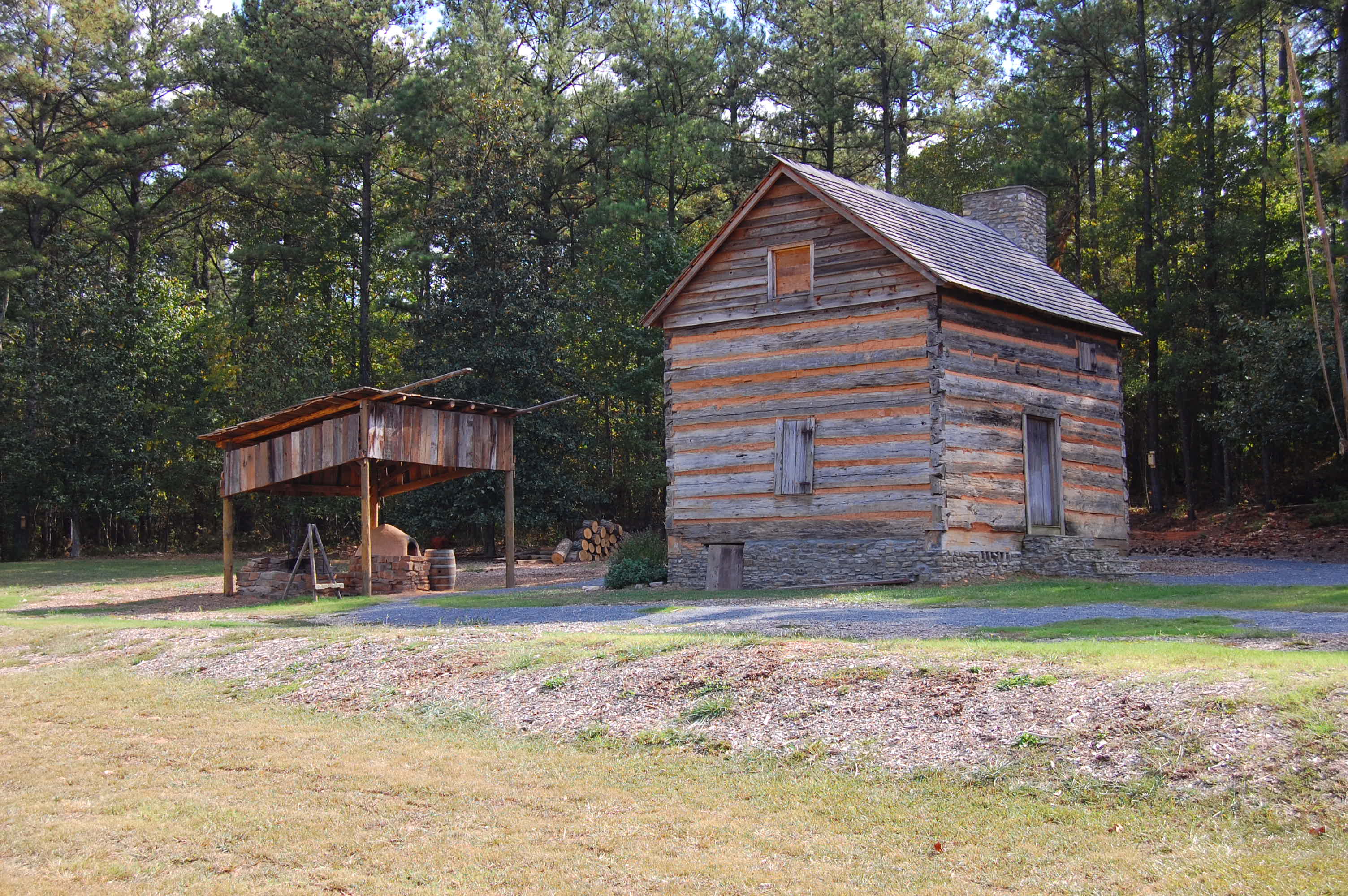
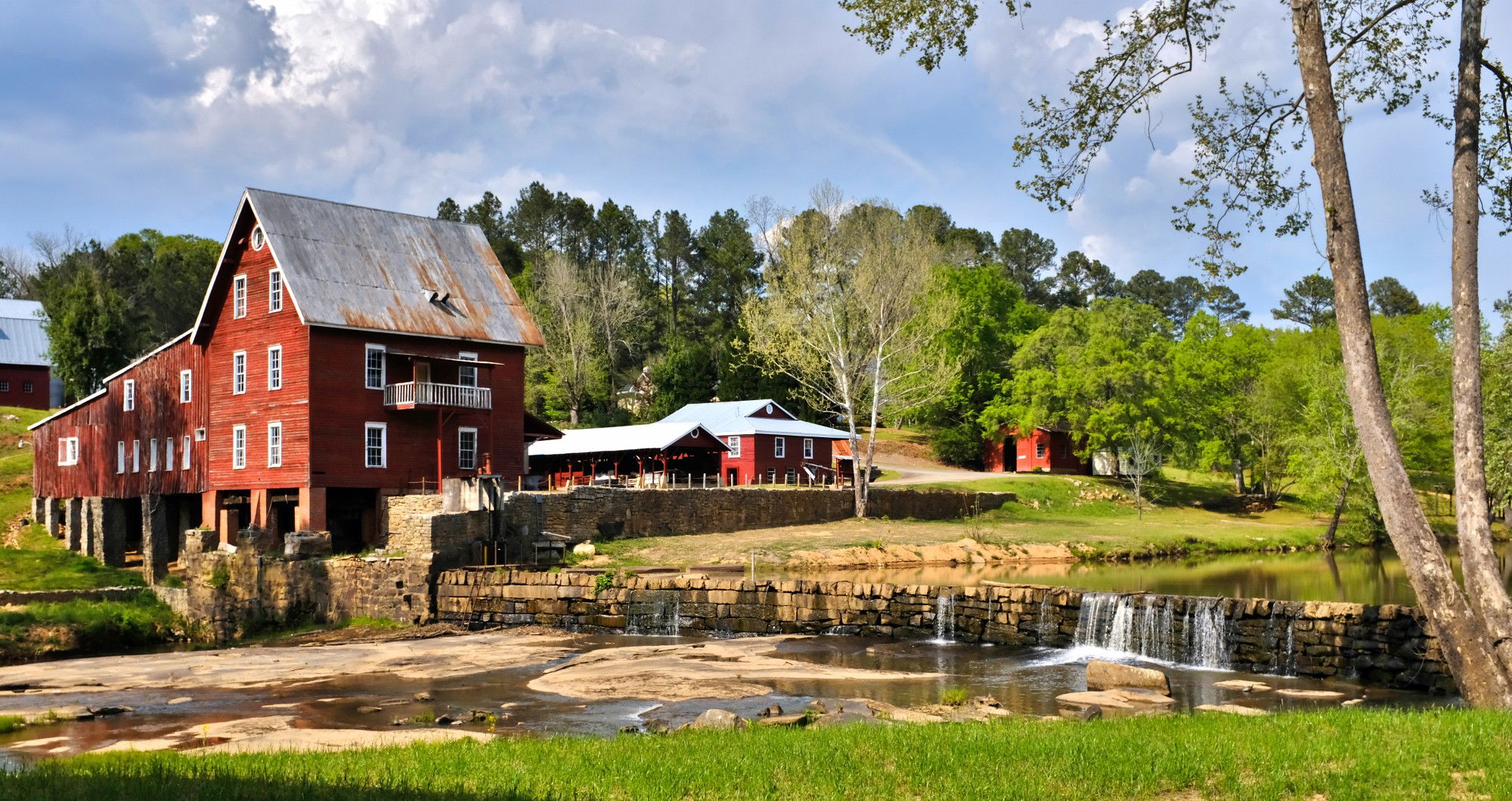
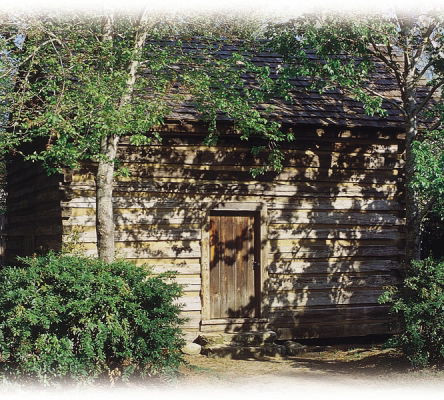
The four-acre park, located on Lumber Street in Lincolnton, is the primary project of the Lincoln County Historical Society. Several nineteenth-century structures are preserved on the site.

Image from J Stephen Conn

View on source site

The New Georgia Encyclopedia does not hold the copyright for this media resource and can neither grant nor deny permission to republish or reproduce the image online or in print. All requests for permission to publish or reproduce the resource must be submitted to the rights holder.

  • Info Details
  • Citation Terms of Use

The New Georgia Encyclopedia does not hold the copyright for this media resource and can neither grant nor deny permission to republish or reproduce the image online or in print. All requests for permission to publish or reproduce the resource must be submitted to the rights holder.

Braselton Town Hall

Braselton Town Hall

  • Info Details
  • Citation Terms of Use

William Henry Braselton, the first mayor of Braselton, built this house in the early 1900s. Today it is used as Braselton's town hall, and the structure is rumored to be haunted.

Image from Chris Pruitt

The New Georgia Encyclopedia does not hold the copyright for this media resource and can neither grant nor deny permission to republish or reproduce the image online or in print. All requests for permission to publish or reproduce the resource must be submitted to the rights holder.

  • Info Details
  • Citation Terms of Use

The New Georgia Encyclopedia does not hold the copyright for this media resource and can neither grant nor deny permission to republish or reproduce the image online or in print. All requests for permission to publish or reproduce the resource must be submitted to the rights holder.

Chateau Elan

Chateau Elan

  • Info Details
  • Citation Terms of Use

The Chateau Elan Resort and Winery in Braselton is a major tourist attraction northeast of Atlanta.

Image from Bruce Tuten

The New Georgia Encyclopedia does not hold the copyright for this media resource and can neither grant nor deny permission to republish or reproduce the image online or in print. All requests for permission to publish or reproduce the resource must be submitted to the rights holder.

Braselton School Bell

Braselton School Bell

  • Info Details
  • Citation Terms of Use

The bell that once rang for the Braselton High School, from 1920 to 1957, now sits on the grounds of Braselton's town hall.

Courtesy of Britney Compton

The New Georgia Encyclopedia does not hold the copyright for this media resource and can neither grant nor deny permission to republish or reproduce the image online or in print. All requests for permission to publish or reproduce the resource must be submitted to the rights holder.

Road Atlanta

Road Atlanta

  • Info Details
  • Citation Terms of Use

Road Atlanta, a 2.54-mile, 12-turn road-racing course in Braselton, is a major tourist attraction in Jackson County. The venue, part of the Panoz Motor Sports Group, offers a variety of motor-sport events, including sports car, motorcycle, and kart racing.

Image from Osajus Photography

View on source site

The New Georgia Encyclopedia does not hold the copyright for this media resource and can neither grant nor deny permission to republish or reproduce the image online or in print. All requests for permission to publish or reproduce the resource must be submitted to the rights holder.

Florence Marina State Park

Florence Marina State Park

  • Info Details
  • Citation Terms of Use

The Florence Marina State Park, about sixteen miles west of Lumpkin, is situated at the northern end of Lake Walter F. George. The park is one of many attractions in the area.

Courtesy of Matthew M. Moye

The New Georgia Encyclopedia does not hold the copyright for this media resource and can neither grant nor deny permission to republish or reproduce the image online or in print. All requests for permission to publish or reproduce the resource must be submitted to the rights holder.

Evans Boyhood Home

Evans Boyhood Home

  • Info Details
  • Citation Terms of Use

Brigadier general Clement Anselm Evans, a Confederate war hero who later became a Methodist minister, was born and reared in Lumpkin. The Evans home was built circa 1835.

Courtesy of Matthew M. Moye

The New Georgia Encyclopedia does not hold the copyright for this media resource and can neither grant nor deny permission to republish or reproduce the image online or in print. All requests for permission to publish or reproduce the resource must be submitted to the rights holder.

Bedingfield Inn

Bedingfield Inn

  • Info Details
  • Citation Terms of Use

The Bedingfield Inn, pictured before its restoration in 1965, was built in the antebellum era, when Lumpkin served as a stagecoach stop. Restoring the inn became the first small-town community preservation project in Georgia.

Courtesy of Stewart County Historical Commission

The New Georgia Encyclopedia does not hold the copyright for this media resource and can neither grant nor deny permission to republish or reproduce the image online or in print. All requests for permission to publish or reproduce the resource must be submitted to the rights holder.

Pike County Courthouse

Pike County Courthouse

  • Info Details
  • Citation Terms of Use

The Pike County Courthouse, designed in the Romanesque revival and colonial revival styles, was built in Zebulon in 1895. It is the county's third courthouse.

Courtesy of Don Bowman
The New Georgia Encyclopedia does not hold the copyright for this media resource and can neither grant nor deny permission to republish or reproduce the image online or in print. All requests for permission to publish or reproduce the resource must be submitted to the rights holder.

Pike County Sawmill

Pike County Sawmill

  • Info Details
  • Citation Terms of Use

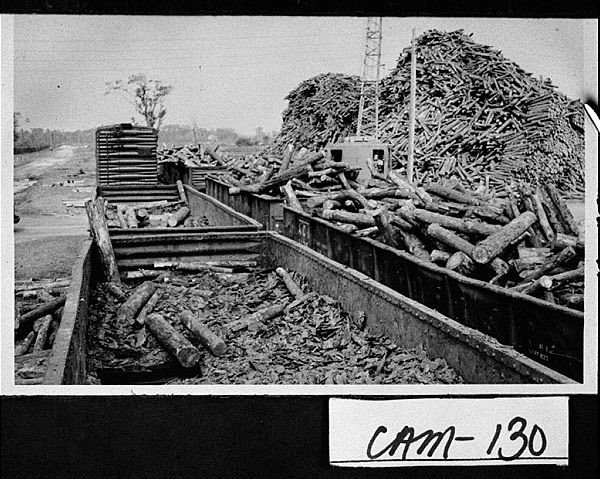
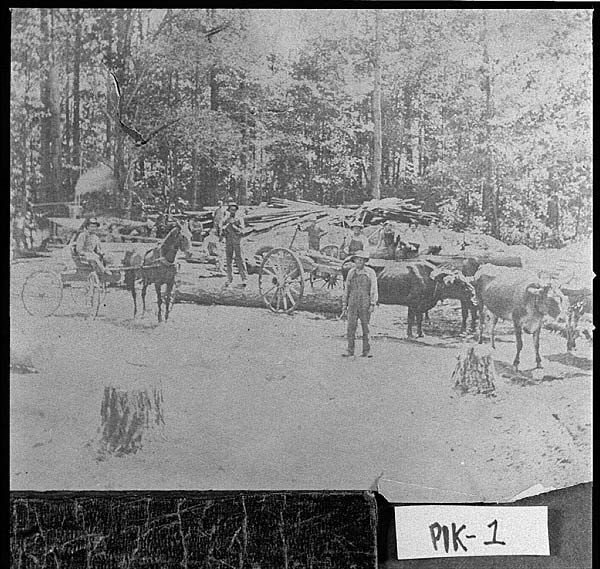
Workers load logs for transport at a sawmill in Pike County, circa 1910. The timber industry continues to be an important economic activity in Pike County, which was created by the state legislature in 1822.

Courtesy of Georgia Archives, Vanishing Georgia, #
pik001.

View on partner site

The New Georgia Encyclopedia does not hold the copyright for this media resource and can neither grant nor deny permission to republish or reproduce the image online or in print. Requests for permission to publish or reproduce the resource should be submitted to the Georgia Archives.

Covington

Covington

  • Info Details
  • Citation Terms of Use

The Newton County Courthouse rises over downtown Covington, known as both "the city of beautiful homes" and as "a full-service city." The city supports an active Main Street program, which revitalized the historic downtown and created new economic opportunity for Covington residents.

Image from Neal Wellons

View on source site

The New Georgia Encyclopedia does not hold the copyright for this media resource and can neither grant nor deny permission to republish or reproduce the image online or in print. All requests for permission to publish or reproduce the resource must be submitted to the rights holder.

Covington Monument

Covington Monument

  • Info Details
  • Citation Terms of Use

A monument in downtown Covington reads: "In loving and grateful memory of those citizens of Newton County who gave their lives in the defense of our country."

Photograph by Kate Howard, New Georgia Encyclopedia
The New Georgia Encyclopedia does not hold the copyright for this media resource and can neither grant nor deny permission to republish or reproduce the image online or in print. All requests for permission to publish or reproduce the resource must be submitted to the rights holder.

In the Heat of the Night

In the Heat of the Night

  • Info Details
  • Citation Terms of Use

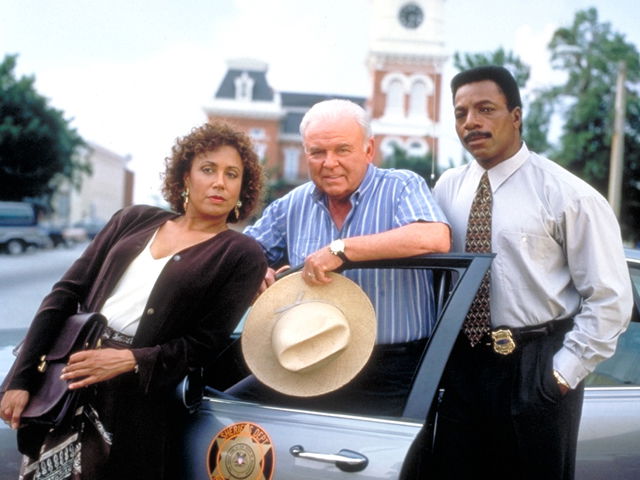
Cast members of the television series In the Heat of the Night pose during the filming of an episode in downtown Covington, circa 1994. From left, Denise Nicholas (Harriet DeLong), Carroll O'Connor (Sheriff Bill Gillespie), and Carl Weathers (Chief Hampton Forbes).

Courtesy of Georgia Department of Economic Development.
The New Georgia Encyclopedia does not hold the copyright for this media resource and can neither grant nor deny permission to republish or reproduce the image online or in print. Requests for permission to publish or reproduce the resource may need to be submitted to the Georgia Department of Economic Development.

Tunnel Hill

Tunnel Hill

  • Info Details
  • Citation Terms of Use

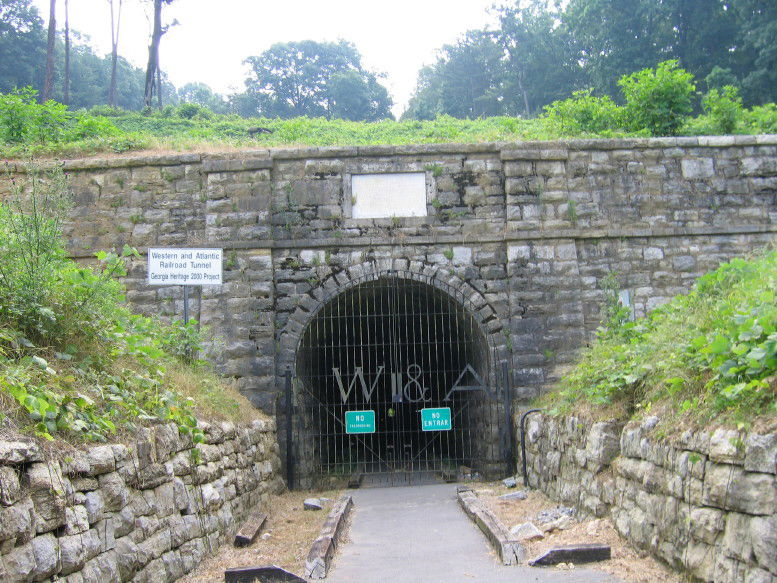
Tunnel Hill, a city in Whitfield County, was named for the 1,477-foot railroad tunnel exacavated through the Chetoogeta Ridge in 1848-49. The city served in 1864 as a winter camp for General Joseph E. Johnston's Confederate troops during the Civil War.

Photograph by Ethan Geer

The New Georgia Encyclopedia does not hold the copyright for this media resource and can neither grant nor deny permission to republish or reproduce the image online or in print. All requests for permission to publish or reproduce the resource must be submitted to the rights holder.

Whitfield County Courthouse

Whitfield County Courthouse

  • Info Details
  • Citation Terms of Use

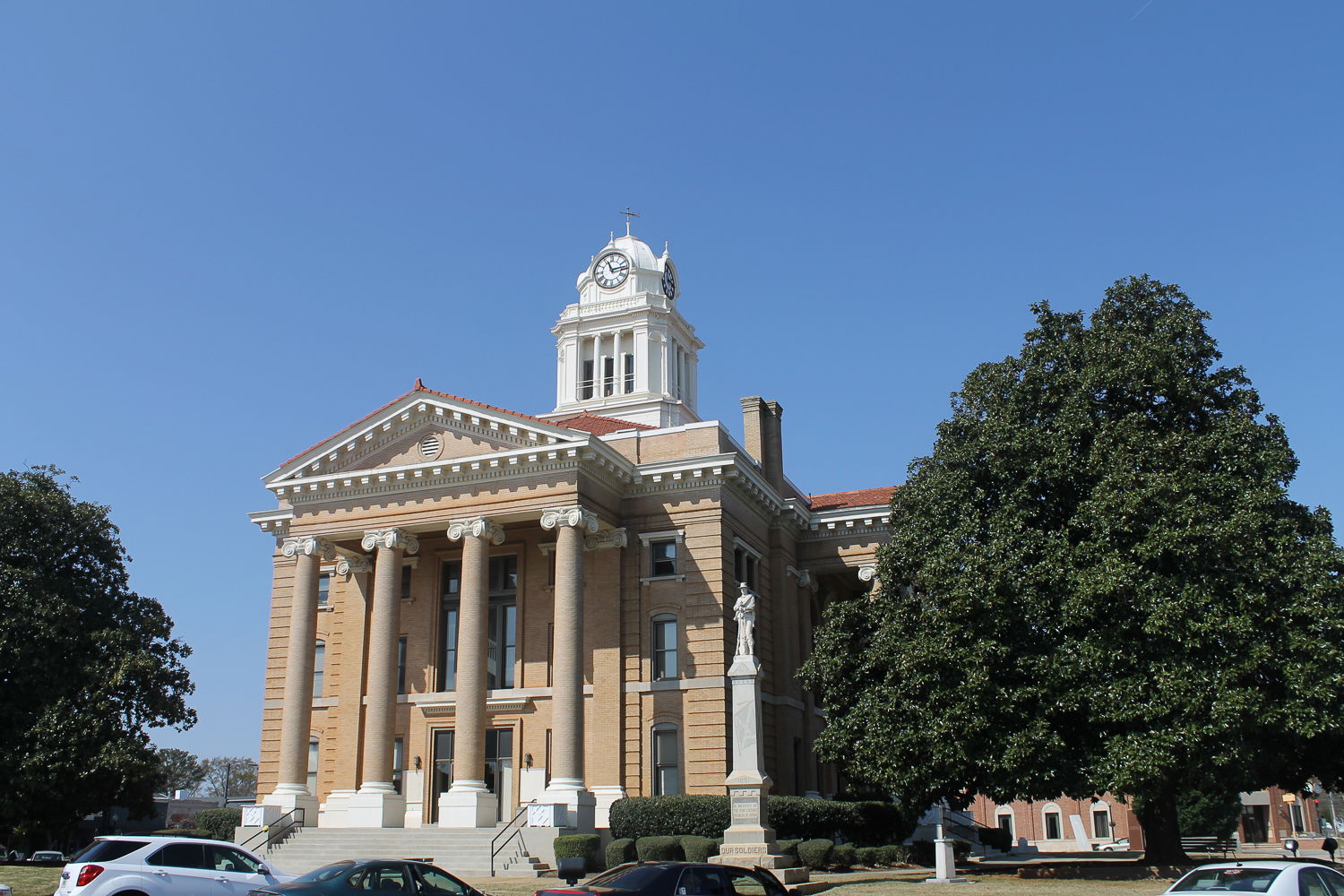
The Whitfield County Courthouse, located in Dalton, was completed in 2006. Designed in the modern style, the structure incorporates the previous courthouse, which was built on the site in 1961.

Photograph by Jimmy Emerson, DVM
The New Georgia Encyclopedia does not hold the copyright for this media resource and can neither grant nor deny permission to republish or reproduce the image online or in print. All requests for permission to publish or reproduce the resource must be submitted to the rights holder.

Crown Cotton Mill

Crown Cotton Mill

  • Info Details
  • Citation Terms of Use

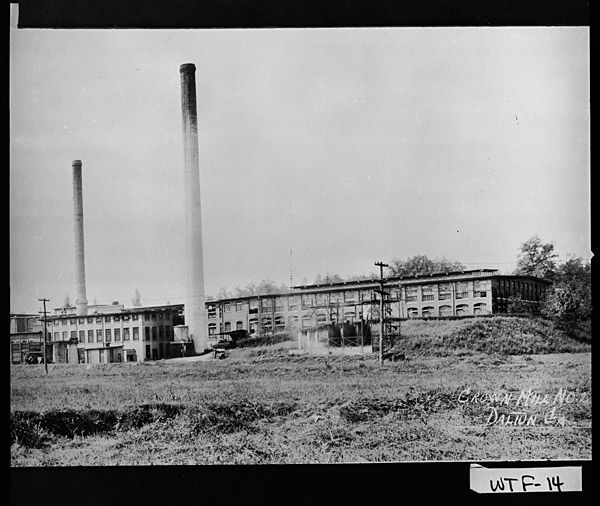
Crown Cotton Mill No. 2, located on Chattanooga Avenue in Dalton, is pictured in the late 1920s. Established in 1884, Crown Cotton Mill brought much-needed economic activity to Whitfield County and by 1916 employed 1,000 workers.

Courtesy of Georgia Archives, Vanishing Georgia, #
wtf014b.
View on partner site

The New Georgia Encyclopedia does not hold the copyright for this media resource and can neither grant nor deny permission to republish or reproduce the image online or in print. Requests for permission to publish or reproduce the resource should be submitted to the Georgia Archives.

Mill Houses

Mill Houses

  • Info Details
  • Citation Terms of Use

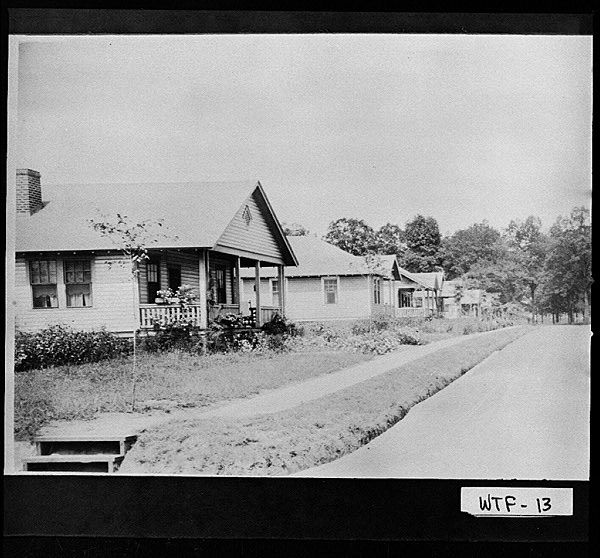
Mill houses line a street in Dalton, circa 1930. The carpet and textile industries in the city began in the late nineteenth century with the tufted bedspreads of Catherine Evans Whitener and by the 1940s had developed into a mechanized industry in Whitfield County.

Courtesy of Georgia Archives, Vanishing Georgia, #
wtf013a.

View on partner site

The New Georgia Encyclopedia does not hold the copyright for this media resource and can neither grant nor deny permission to republish or reproduce the image online or in print. Requests for permission to publish or reproduce the resource should be submitted to the Georgia Archives.

Wayne County Courthouse

Wayne County Courthouse

  • Info Details
  • Citation Terms of Use

The Wayne County Courthouse, designed in the Romanesque revival style, was completed in 1903. Located in Jesup, the building was added to the National Register of Historic Places in 1980.

Courtesy of Don Bowman

The New Georgia Encyclopedia does not hold the copyright for this media resource and can neither grant nor deny permission to republish or reproduce the image online or in print. All requests for permission to publish or reproduce the resource must be submitted to the rights holder.

Altamaha River

Altamaha River

  • Info Details
  • Citation Terms of Use

Kayakers paddle down a stretch of the Altamaha River. The river played an integral role in the county's timber industry during the early nineteenth century as a means for transporting logs to the coast.

Courtesy of Explore Georgia, Photograph by Ralph Daniel.

The New Georgia Encyclopedia does not hold the copyright for this media resource and can neither grant nor deny permission to republish or reproduce the image online or in print. Requests for permission to publish or reproduce the resource may need to be submitted to Explore Georgia.

Altamaha River, Darien

Altamaha River, Darien

  • Info Details
  • Citation Terms of Use

Although the Darien economy is dependent on tourism, many locals continue to make a living through offshore fishing and shrimping.

Courtesy of Explore Georgia, Photograph by Ralph Daniel.
The New Georgia Encyclopedia does not hold the copyright for this media resource and can neither grant nor deny permission to republish or reproduce the image online or in print. Requests for permission to publish or reproduce the resource may need to be submitted to Explore Georgia.

Hickory Hill

Hickory Hill

  • Info Details
  • Citation Terms of Use

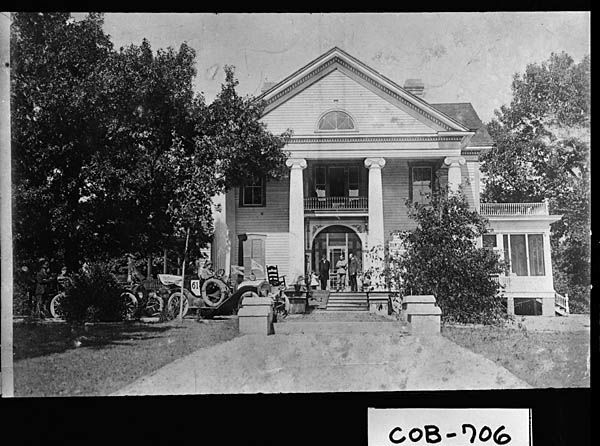
Hickory Hill, pictured circa 1910, was the home of noted senator and publisher Thomas E. Watson. Located in Thomson, the historic home, renovated to its 1920s appearance, is open to the public for tours by appointment.

Courtesy of Georgia Archives, Vanishing Georgia, #
cob706.
View on partner site

The New Georgia Encyclopedia does not hold the copyright for this media resource and can neither grant nor deny permission to republish or reproduce the image online or in print. Requests for permission to publish or reproduce the resource should be submitted to the Georgia Archives.

McDuffie County Courthouse

McDuffie County Courthouse

  • Info Details
  • Citation Terms of Use

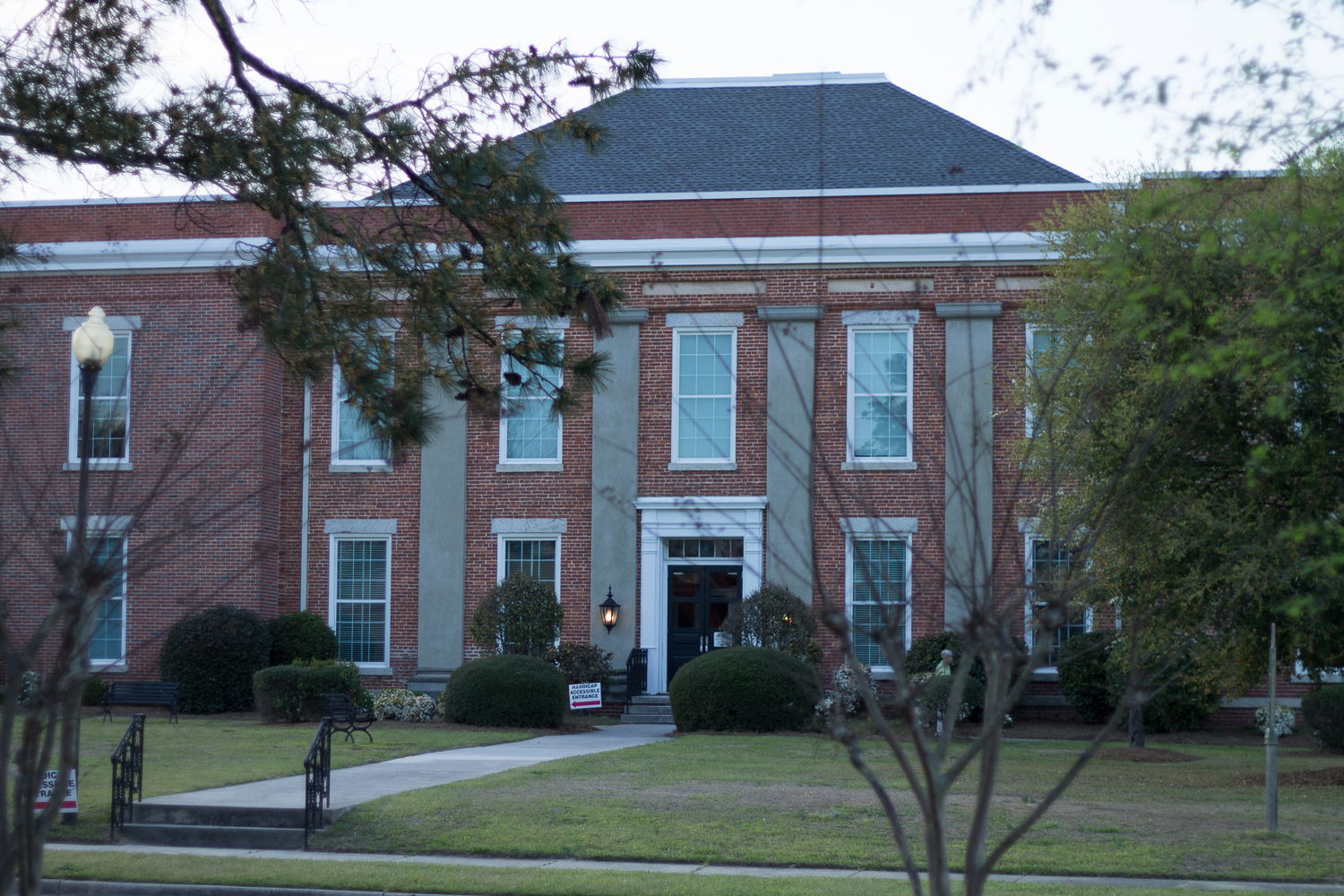
The McDuffie County Courthouse, located in Thomson, was built in 1872. Major renovations to the courthouse, the county's first, were made in 1934 and 1970.

Courtesy of Don Bowman

The New Georgia Encyclopedia does not hold the copyright for this media resource and can neither grant nor deny permission to republish or reproduce the image online or in print. All requests for permission to publish or reproduce the resource must be submitted to the rights holder.

Rock House

Rock House

  • Info Details
  • Citation Terms of Use

Rock House, built in 1785 near the Quaker community of Wrightsborough in McDuffie County, is considered to be the oldest standing building in Georgia with its original architecture intact.

Image from Jimmy Emerson, DVM

View on source site

The New Georgia Encyclopedia does not hold the copyright for this media resource and can neither grant nor deny permission to republish or reproduce the image online or in print. All requests for permission to publish or reproduce the resource must be submitted to the rights holder.

  • Info Details
  • Citation Terms of Use

The New Georgia Encyclopedia does not hold the copyright for this media resource and can neither grant nor deny permission to republish or reproduce the image online or in print. All requests for permission to publish or reproduce the resource must be submitted to the rights holder.

Dahlonega

Dahlonega

  • Info Details
  • Citation Terms of Use

The gold-topped Price Memorial Hall, on the campus of North Georgia College and State University, rises above Dahlonega, the seat of Lumpkin County. The site of a gold rush in 1828-29, Dahlonega today attracts tourists interested in both its history and scenic mountain setting.

Image from davidaabrown

View on source site

The New Georgia Encyclopedia does not hold the copyright for this media resource and can neither grant nor deny permission to republish or reproduce the image online or in print. All requests for permission to publish or reproduce the resource must be submitted to the rights holder.

Branch Mint at Dahlonega

Branch Mint at Dahlonega

  • Info Details
  • Citation Terms of Use

In 1838 a federal Branch Mint went into operation at Dahlonega. It coined more than $100,000 worth of gold in its first year, and by the time it closed in 1861, it had produced almost 1.5 million gold coins with a face value of more than $6 million.

Courtesy of Dahlonega Mountain Signal
The New Georgia Encyclopedia does not hold the copyright for this media resource and can neither grant nor deny permission to republish or reproduce the image online or in print. All requests for permission to publish or reproduce the resource must be submitted to the rights holder.

Consolidated Mine Company

Consolidated Mine Company

  • Info Details
  • Citation Terms of Use

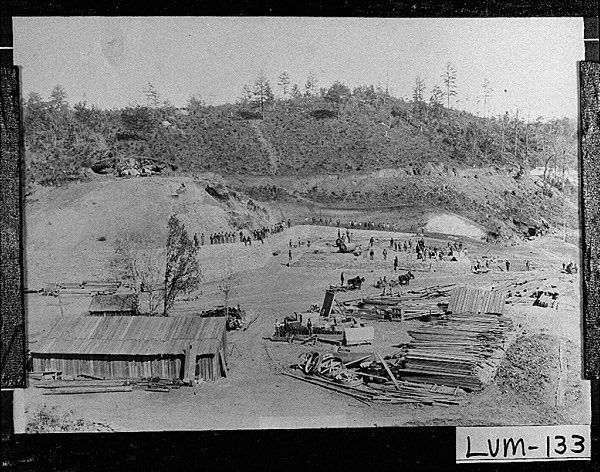
Construction of the Consolidated Gold Mining Company began in Dahlonega in 1899, during a revived interest in the area's gold. The company was the largest gold-processing plant east of the Mississippi River.

Courtesy of Georgia Archives, Vanishing Georgia, #
lum133.

View on partner site

The New Georgia Encyclopedia does not hold the copyright for this media resource and can neither grant nor deny permission to republish or reproduce the image online or in print. Requests for permission to publish or reproduce the resource should be submitted to the Georgia Archives.

Dahlonega Gold Museum

Dahlonega Gold Museum

  • Info Details
  • Citation Terms of Use

The Dahlonega Gold Museum, one of the city's many tourist attractions, is housed in the historic Lumpkin County Courthouse, built in 1836. The museum documents the importance of gold to the area's history and economy.

Courtesy of Explore Georgia, Photograph by Ralph Daniel.

The New Georgia Encyclopedia does not hold the copyright for this media resource and can neither grant nor deny permission to republish or reproduce the image online or in print. Requests for permission to publish or reproduce the resource may need to be submitted to Explore Georgia.

  • Info Details
  • Citation Terms of Use

The New Georgia Encyclopedia does not hold the copyright for this media resource and can neither grant nor deny permission to republish or reproduce the image online or in print. All requests for permission to publish or reproduce the resource must be submitted to the rights holder.

Dancing Bears

Dancing Bears

  • Info Details
  • Citation Terms of Use

Three Frenchmen brought a couple of dancing bears to Dahlonega for a show in 1892.

Courtesy of Georgia Archives, Vanishing Georgia, # lum058.
View on partner site

The New Georgia Encyclopedia does not hold the copyright for this media resource and can neither grant nor deny permission to republish or reproduce the image online or in print. Requests for permission to publish or reproduce the resource should be submitted to the Georgia Archives.

Gold Mining

Gold Mining

  • Info Details
  • Citation Terms of Use

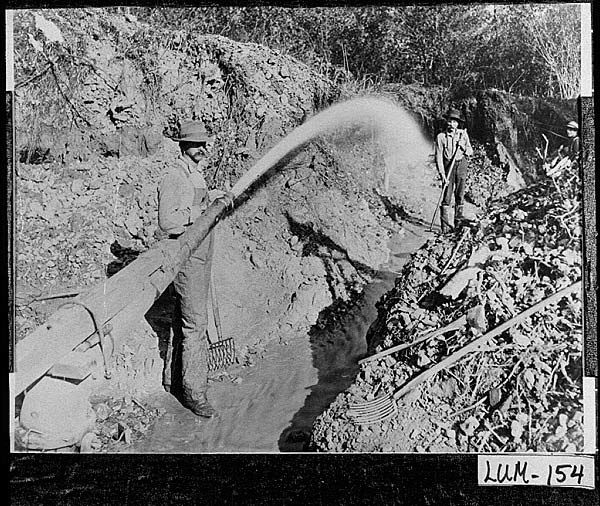
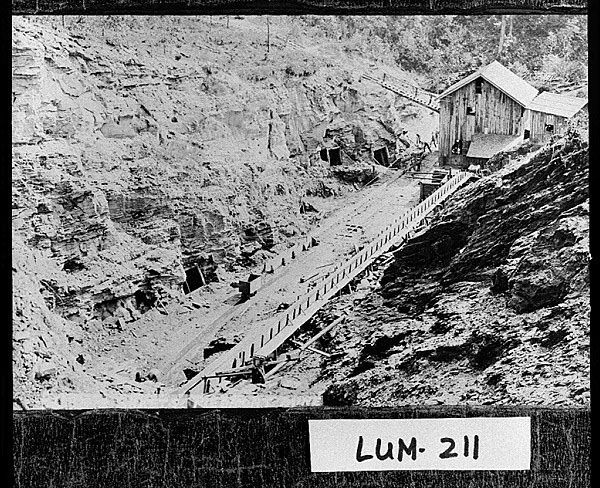
A gold-mining operation near Dahlonega is pictured circa 1910.

Courtesy of Georgia Archives, Vanishing Georgia, #
lum211.
View on partner site

The New Georgia Encyclopedia does not hold the copyright for this media resource and can neither grant nor deny permission to republish or reproduce the image online or in print. Requests for permission to publish or reproduce the resource should be submitted to the Georgia Archives.

Old Wilkes County Courthouse

Old Wilkes County Courthouse

  • Info Details
  • Citation Terms of Use

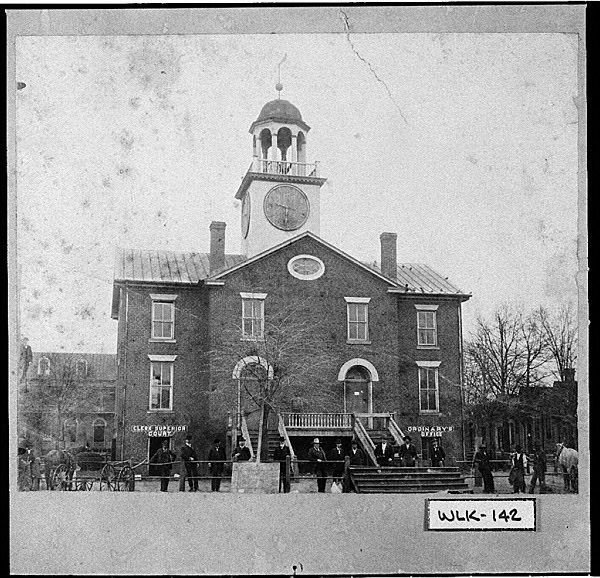
The old courthouse in Wilkes County, pictured circa 1890, was constructed in 1817 and served until 1904.

Courtesy of Georgia Archives, Vanishing Georgia, #
wlk142b.

View on partner site

The New Georgia Encyclopedia does not hold the copyright for this media resource and can neither grant nor deny permission to republish or reproduce the image online or in print. Requests for permission to publish or reproduce the resource should be submitted to the Georgia Archives.

Wilkes County Courthouse

Wilkes County Courthouse

  • Info Details
  • Citation Terms of Use

The Wilkes County Courthouse, completed in 1904, is designed with a Richardsonian Romanesque influence. Located in Washington, the courthouse is the county's second.

Courtesy of Don Bowman
The New Georgia Encyclopedia does not hold the copyright for this media resource and can neither grant nor deny permission to republish or reproduce the image online or in print. All requests for permission to publish or reproduce the resource must be submitted to the rights holder.

Wilkes County Cotton

Wilkes County Cotton

  • Info Details
  • Citation Terms of Use

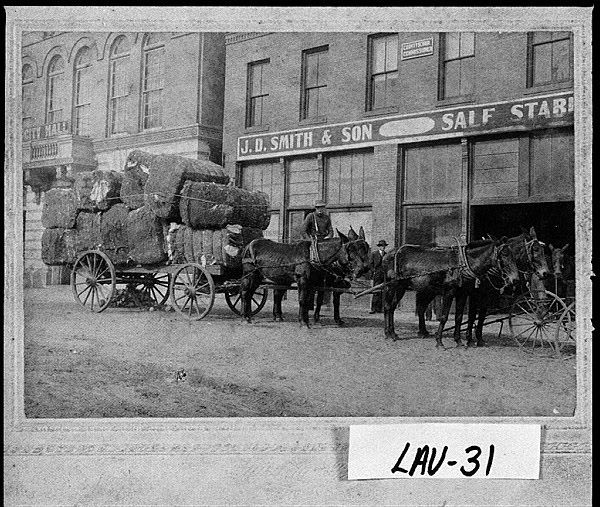
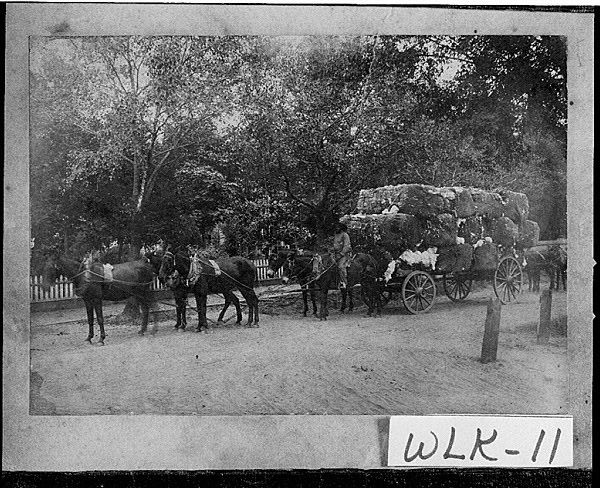
A wagon loaded with cotton, pictured circa 1900, stands on West Main Street in Washington, the seat of Wilkes County. Cotton was a major cash crop in the county throughout the nineteenth century and into the early twentieth century, ending with the boll weevil invasion.

Courtesy of Georgia Archives, Vanishing Georgia, #wlk011.

View on partner site

The New Georgia Encyclopedia does not hold the copyright for this media resource and can neither grant nor deny permission to republish or reproduce the image online or in print. Requests for permission to publish or reproduce the resource should be submitted to the Georgia Archives.

Wilcox County Courthouse

Wilcox County Courthouse

  • Info Details
  • Citation Terms of Use

The Wilcox County Courthouse, built in Abbeville in 1903, is designed in the neoclassical revival style. It is the county's second courthouse.

Courtesy of Don Bowman
The New Georgia Encyclopedia does not hold the copyright for this media resource and can neither grant nor deny permission to republish or reproduce the image online or in print. All requests for permission to publish or reproduce the resource must be submitted to the rights holder.

Wilcox County Workers

Wilcox County Workers

  • Info Details
  • Citation Terms of Use

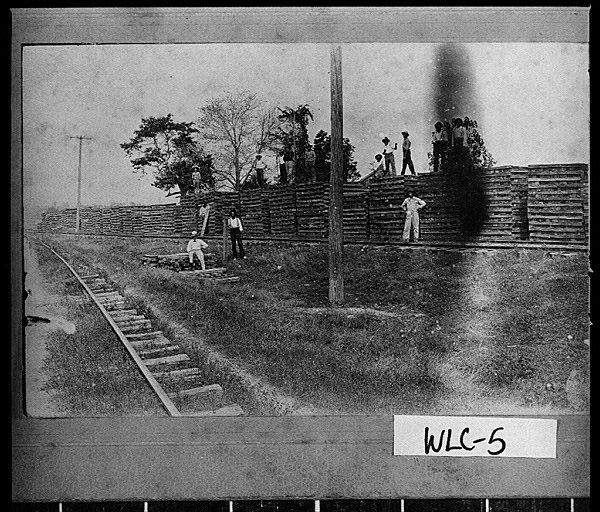
Workmen in Wilcox County, pictured circa 1915, stand on white-oak barrel staves, which were shipped overseas for use in whiskey barrels.

Courtesy of Georgia Archives, Vanishing Georgia, #
wlc005.

View on partner site

The New Georgia Encyclopedia does not hold the copyright for this media resource and can neither grant nor deny permission to republish or reproduce the image online or in print. Requests for permission to publish or reproduce the resource should be submitted to the Georgia Archives.

  • Info Details
  • Citation Terms of Use

The New Georgia Encyclopedia does not hold the copyright for this media resource and can neither grant nor deny permission to republish or reproduce the image online or in print. All requests for permission to publish or reproduce the resource must be submitted to the rights holder.

Joseph Wheeler

Joseph Wheeler

  • Info Details
  • Citation Terms of Use

General Joseph Wheeler, born near Augusta, commanded U.S. volunteers in Cuba during the Spanish-American War. Wheeler also served during the Civil War and the Philippine Insurrection, and authored several books on military and civil subjects. Wheeler County, in central Georgia, is named in his honor.

From The Conflict with Spain and Conquest of the Philippines, by H. F. Keenan

The New Georgia Encyclopedia does not hold the copyright for this media resource and can neither grant nor deny permission to republish or reproduce the image online or in print. All requests for permission to publish or reproduce the resource must be submitted to the rights holder.

Wheeler County Courthouse

Wheeler County Courthouse

  • Info Details
  • Citation Terms of Use

The Wheeler County Courthouse, built in Alamo in 1917, is designed in the neoclassical revival style. Restored in 1961, it is the county's second official courthouse.

Courtesy of Don Bowman
The New Georgia Encyclopedia does not hold the copyright for this media resource and can neither grant nor deny permission to republish or reproduce the image online or in print. All requests for permission to publish or reproduce the resource must be submitted to the rights holder.

Train Passengers

Train Passengers

  • Info Details
  • Citation Terms of Use

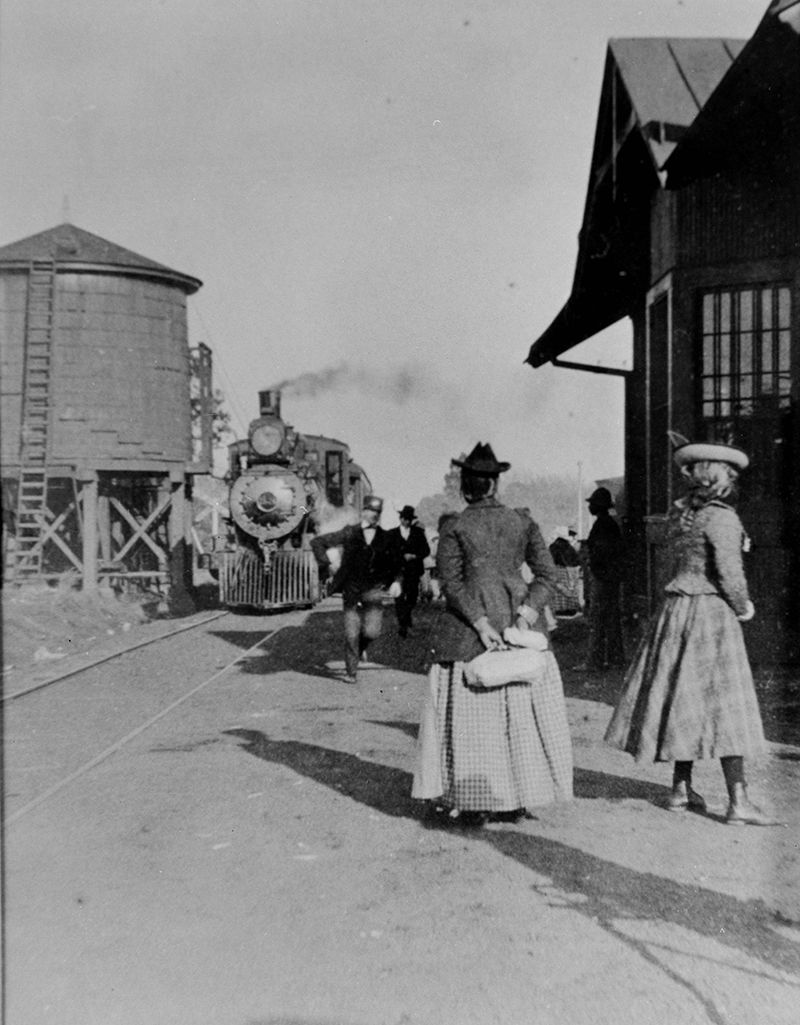
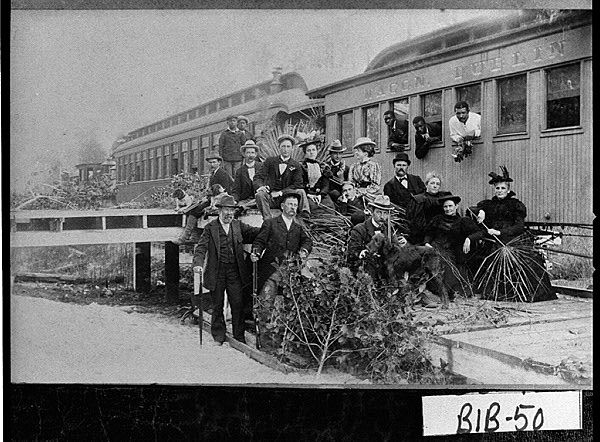
Passengers pose for a photograph, circa 1901, at Gallemore, a community in Twiggs County located between Macon and Danville. Railroad construction played a key role in the settlement patterns of Twiggs County in the late nineteenth and early twentieth centuries.

Courtesy of Georgia Archives, Vanishing Georgia, #
bib050.

View on partner site

The New Georgia Encyclopedia does not hold the copyright for this media resource and can neither grant nor deny permission to republish or reproduce the image online or in print. Requests for permission to publish or reproduce the resource should be submitted to the Georgia Archives.

Twiggs County Courthouse

Twiggs County Courthouse

  • Info Details
  • Citation Terms of Use

The Twiggs County Courthouse, located in Jeffersonville, was completed in 1904. Designed in the Romanesque revival style, the courthouse was renovated in 1979 and expanded between 1996 and 2003.

Courtesy of Don Bowman

The New Georgia Encyclopedia does not hold the copyright for this media resource and can neither grant nor deny permission to republish or reproduce the image online or in print. All requests for permission to publish or reproduce the resource must be submitted to the rights holder.

Turpentine Still

Turpentine Still

  • Info Details
  • Citation Terms of Use

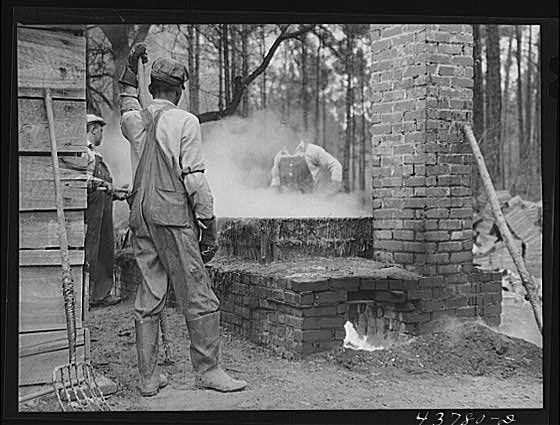
Workers harvest and distill turpentine at a still near Pembroke, which was founded as a railroad town and turpentine-shipping center in 1890. Incorporated in 1905, Pembroke became the seat of Bryan County in 1937.

Courtesy of Library of Congress, Prints and Photographs Division, Farm Security Administration - Office of War Information Photograph Collection, #LC-USF34-043792-D.
The New Georgia Encyclopedia does not hold the copyright for this media resource and can neither grant nor deny permission to republish or reproduce the image online or in print. All requests for permission to publish or reproduce the resource must be submitted to the rights holder.

Byron Depot

Byron Depot

  • Info Details
  • Citation Terms of Use

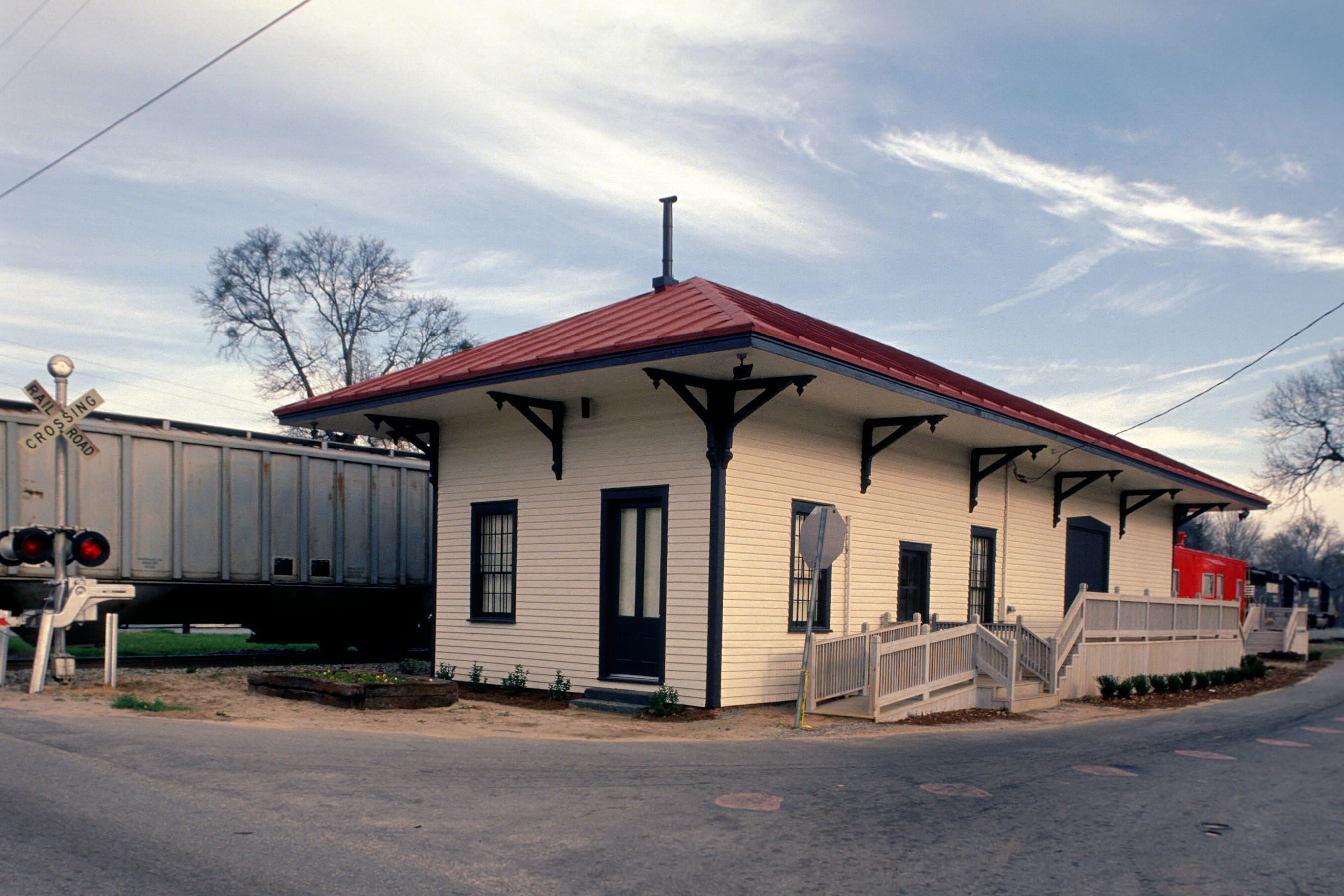
The Byron depot has been restored and now serves as a museum housing photographs and other memorabilia of the city's history.
Courtesy of Historic Preservation Division, Georgia Department of Community Affairs.

The New Georgia Encyclopedia does not hold the copyright for this media resource and can neither grant nor deny permission to republish or reproduce the image online or in print. Requests for permission to publish or reproduce the resource may need to be submitted to the Georgia Department of Community Affairs, Historic Preservation Division.

Peach Harvest

Peach Harvest

  • Info Details
  • Citation Terms of Use

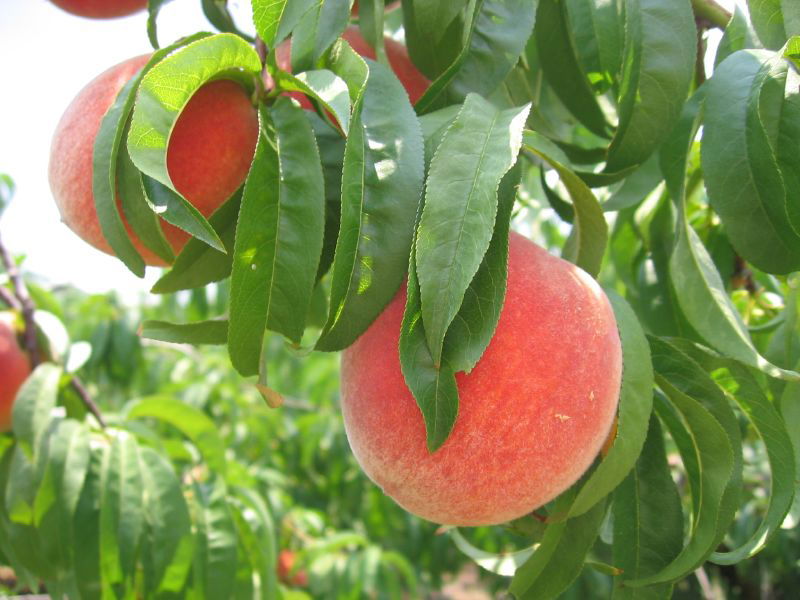
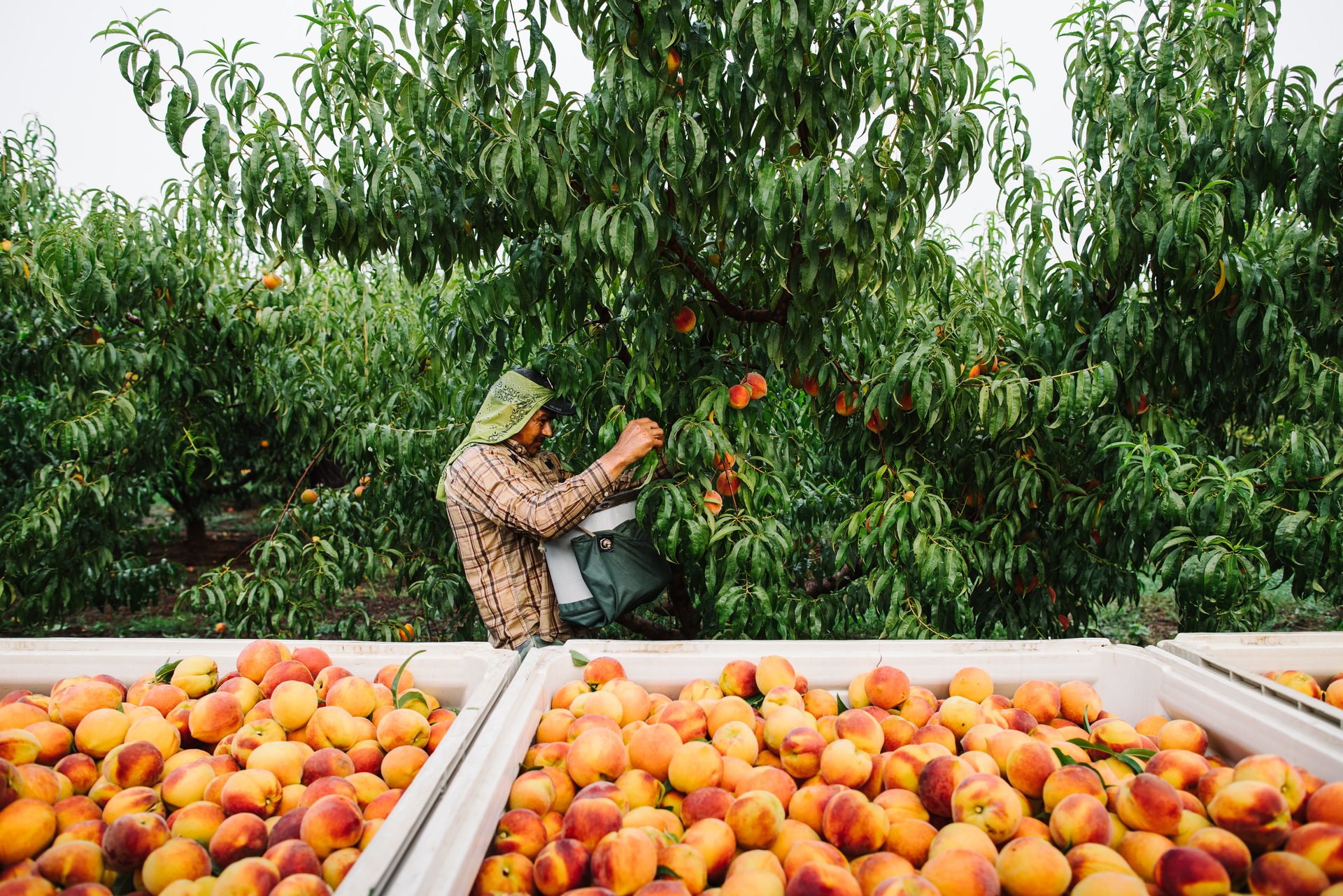
Harvesting peaches in Peach County, the self-proclaimed "Peach Capital of the World."

Courtesy of Explore Georgia, Photograph by Andrew Thomas Lee.
The New Georgia Encyclopedia does not hold the copyright for this media resource and can neither grant nor deny permission to republish or reproduce the image online or in print. Requests for permission to publish or reproduce the resource may need to be submitted to Explore Georgia.

Peach Blossom Festival

Peach Blossom Festival

  • Info Details
  • Citation Terms of Use

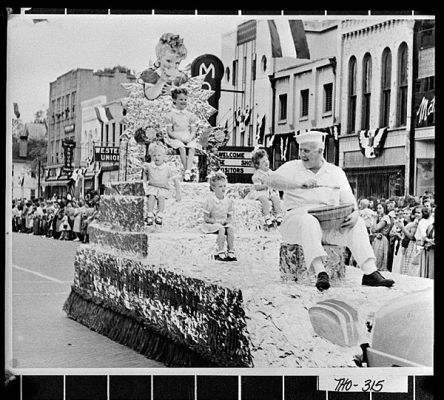
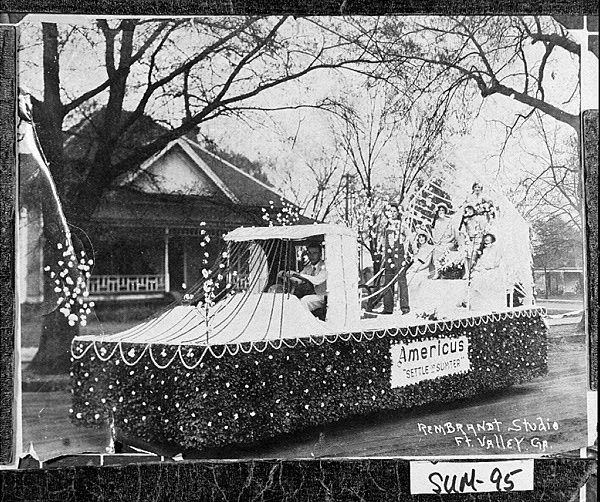
Queen Elizabeth Joyner rides a float from Americus–Sumter County in the Peach Parade, held during Fort Valley's Peach Blossom Festival in the mid-1920s. Fort Valley is the seat of Peach County, the self-proclaimed "Peach Capital of the World."

Courtesy of Georgia Archives, Vanishing Georgia, #
sum095.
View on partner site

The New Georgia Encyclopedia does not hold the copyright for this media resource and can neither grant nor deny permission to republish or reproduce the image online or in print. Requests for permission to publish or reproduce the resource should be submitted to the Georgia Archives.

  • Info Details
  • Citation Terms of Use

The New Georgia Encyclopedia does not hold the copyright for this media resource and can neither grant nor deny permission to republish or reproduce the image online or in print. All requests for permission to publish or reproduce the resource must be submitted to the rights holder.

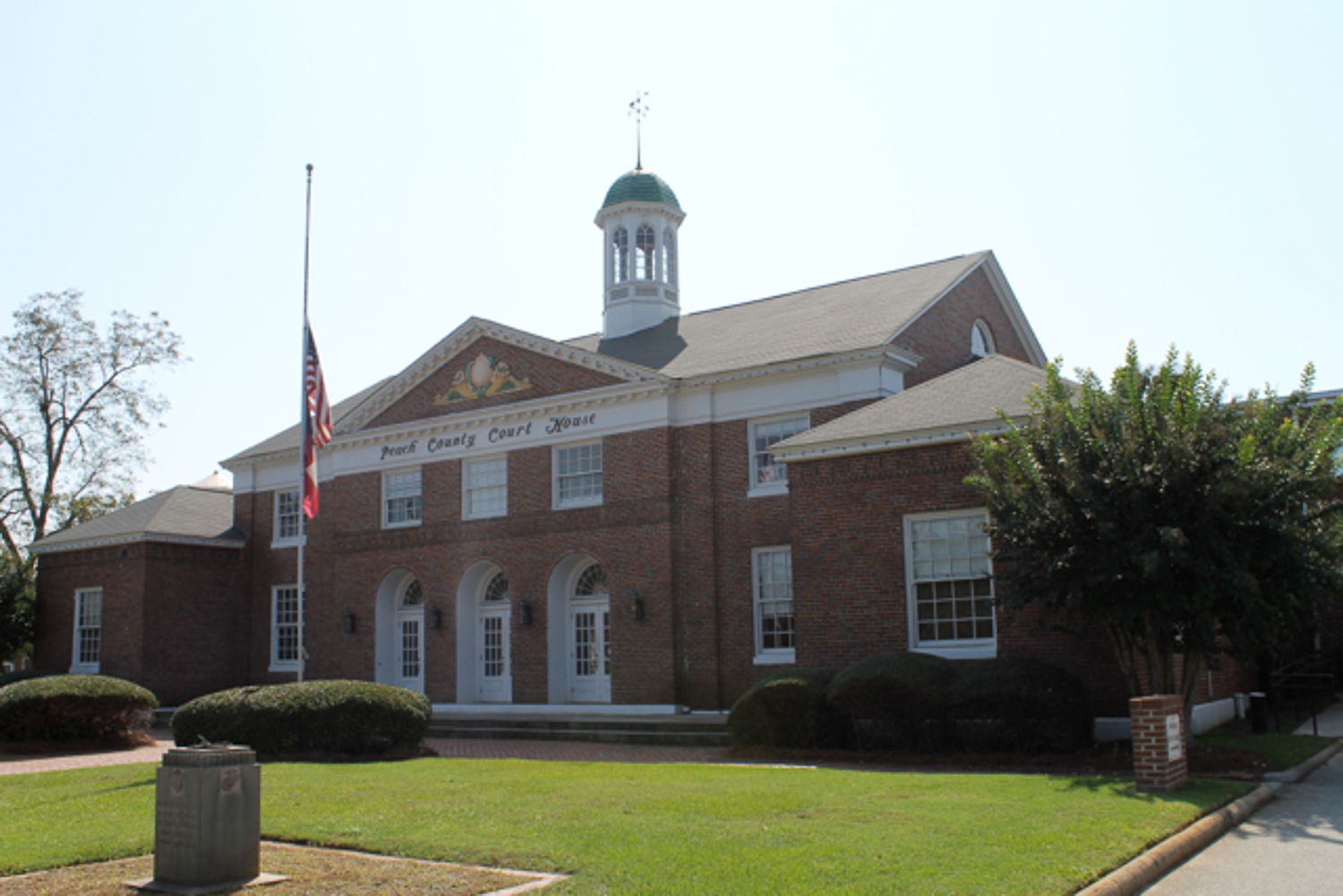
Peach County Courthouse

Peach County Courthouse

  • Info Details
  • Citation Terms of Use

The Peach County Courthouse, built in 1936, was designed in the colonial revival style. The courthouse, located in Fort Valley, was expanded in 1970 and again in the 1990s.

Courtesy of Don Bowman

The New Georgia Encyclopedia does not hold the copyright for this media resource and can neither grant nor deny permission to republish or reproduce the image online or in print. All requests for permission to publish or reproduce the resource must be submitted to the rights holder.

Fort Valley State University

Fort Valley State University

  • Info Details
  • Citation Terms of Use

Fort Valley State University, located in Peach County, is one of ten historically Black colleges and universities in the state. Since the advent of the HOPE scholarship program in 1993, enrollment by Georgia students at historically Black schools in other states has decreased.

Courtesy of Historic Preservation Division, Georgia Department of Community Affairs.

The New Georgia Encyclopedia does not hold the copyright for this media resource and can neither grant nor deny permission to republish or reproduce the image online or in print. Requests for permission to publish or reproduce the resource may need to be submitted to the Georgia Department of Community Affairs, Historic Preservation Division.

Lincoln County Courthouse

Lincoln County Courthouse

  • Info Details
  • Citation Terms of Use

Built in 1915, the Lincoln County Courthouse is designed in the neoclassical revival style. Listed on the National Register of Historic Places, the courthouse is the third to be built in Lincolnton, the county seat.

Courtesy of Don Bowman
The New Georgia Encyclopedia does not hold the copyright for this media resource and can neither grant nor deny permission to republish or reproduce the image online or in print. All requests for permission to publish or reproduce the resource must be submitted to the rights holder.

  • Info Details
  • Citation Terms of Use

The New Georgia Encyclopedia does not hold the copyright for this media resource and can neither grant nor deny permission to republish or reproduce the image online or in print. All requests for permission to publish or reproduce the resource must be submitted to the rights holder.

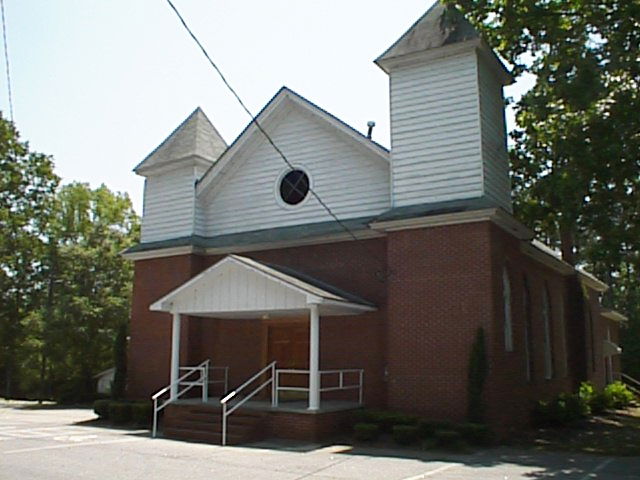
Mulberry CME Church

Mulberry CME Church

  • Info Details
  • Citation Terms of Use

Mulberry Christian Methodist Episcopal Church was built in 1873 and offered church services and a school to Black residents of Lincolnton, the seat of Lincoln County. A congregation of approximately 200 members continues to meet in the church.

Courtesy of Lincolnton-Lincoln County Chamber of Commerce

The New Georgia Encyclopedia does not hold the copyright for this media resource and can neither grant nor deny permission to republish or reproduce the image online or in print. All requests for permission to publish or reproduce the resource must be submitted to the rights holder.

Treutlen County Courthouse

Treutlen County Courthouse

  • Info Details
  • Citation Terms of Use

The Treutlen County Courthouse, built in Soperton in 1920, is designed in the neoclassical revival style. The county's original courthouse, it was renovated in 1976 and added to the National Register of Historic Places in 1980.

Photograph by Jimmy Emerson, DVM
The New Georgia Encyclopedia does not hold the copyright for this media resource and can neither grant nor deny permission to republish or reproduce the image online or in print. All requests for permission to publish or reproduce the resource must be submitted to the rights holder.

  • Info Details
  • Citation Terms of Use

The New Georgia Encyclopedia does not hold the copyright for this media resource and can neither grant nor deny permission to republish or reproduce the image online or in print. All requests for permission to publish or reproduce the resource must be submitted to the rights holder.

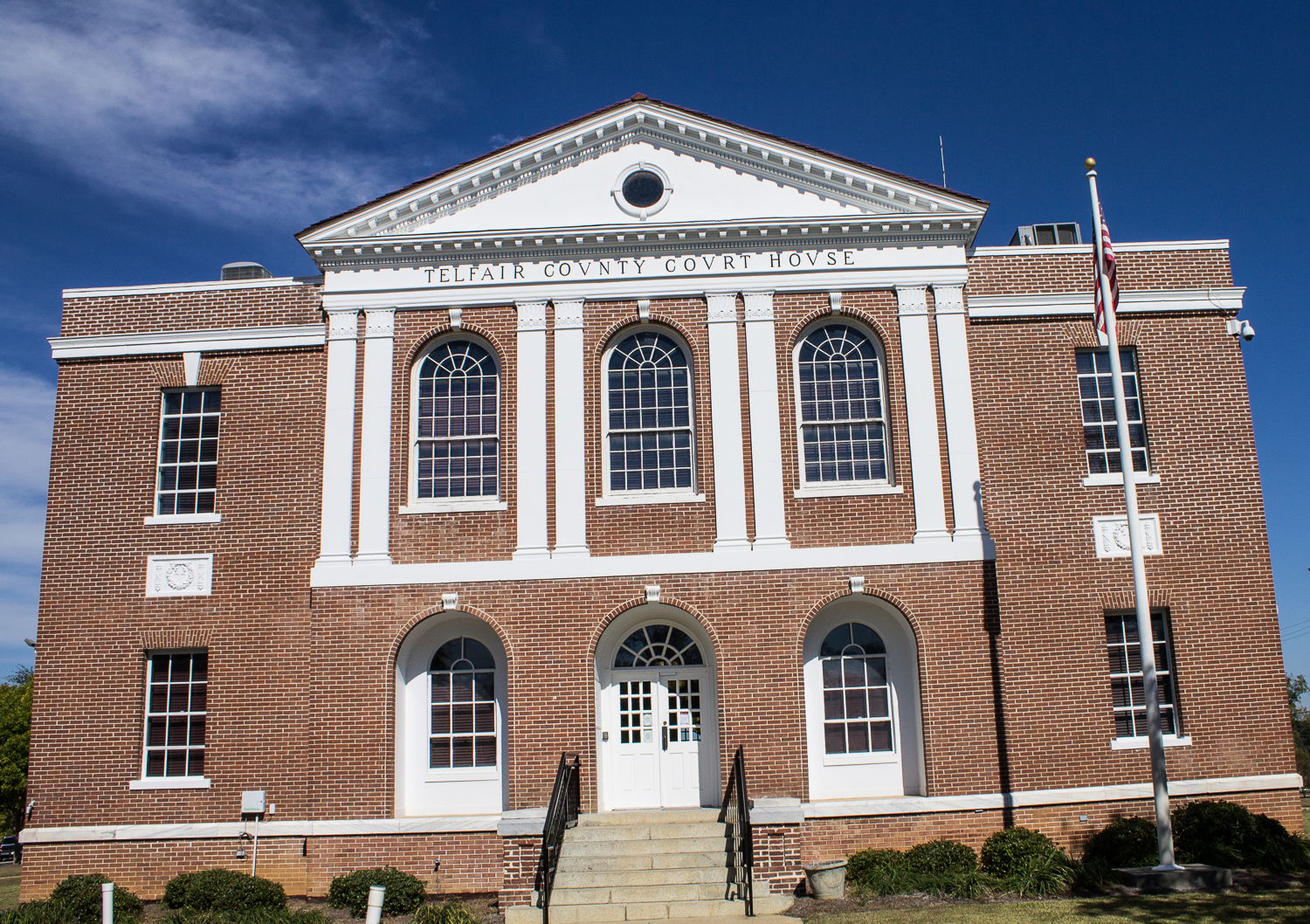
Telfair County Courthouse

Telfair County Courthouse

  • Info Details
  • Citation Terms of Use

The Telfair County Courthouse, built in 1934, is designed in the colonial revival style. It is the second courthouse to be built in McRae, which became the county seat in 1871. At least two other courthouses were built during the nineteenth century in Telfair County's first seat, Jacksonville.

Courtesy of Don Bowman

The New Georgia Encyclopedia does not hold the copyright for this media resource and can neither grant nor deny permission to republish or reproduce the image online or in print. All requests for permission to publish or reproduce the resource must be submitted to the rights holder.

McLeod Hotel

McLeod Hotel

  • Info Details
  • Citation Terms of Use

The McLeod Hotel, pictured circa 1890, was located in Lumber City, which boasted the largest sawmill in the South at the time of its incorporation in 1889. Today Lumber City is one of six incorporated cities in Telfair County.

Courtesy of Georgia Archives, Vanishing Georgia, #
tel003.
View on partner site

The New Georgia Encyclopedia does not hold the copyright for this media resource and can neither grant nor deny permission to republish or reproduce the image online or in print. Requests for permission to publish or reproduce the resource should be submitted to the Georgia Archives.

  • Info Details
  • Citation Terms of Use

The New Georgia Encyclopedia does not hold the copyright for this media resource and can neither grant nor deny permission to republish or reproduce the image online or in print. All requests for permission to publish or reproduce the resource must be submitted to the rights holder.

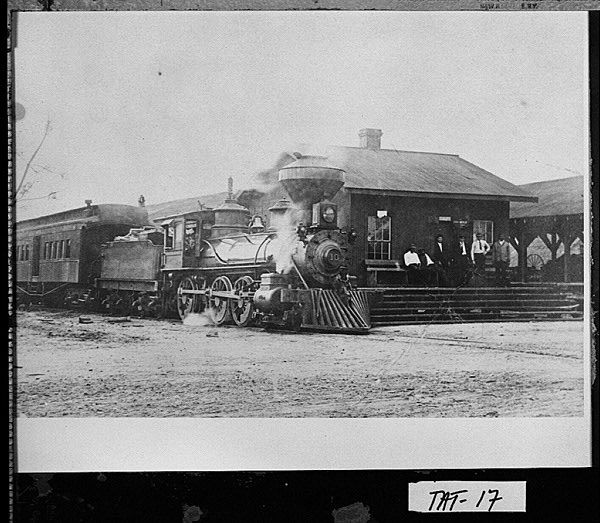
Glennville Depot

Glennville Depot

  • Info Details
  • Citation Terms of Use

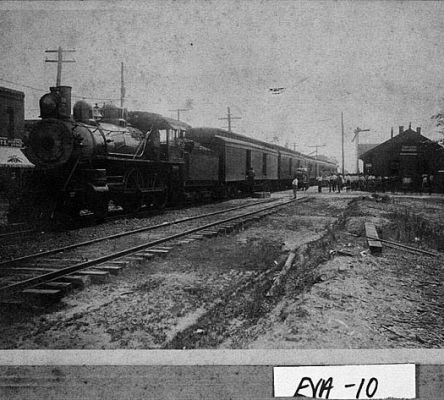
A Register and Glennville train, pictured in 1906, stops at the depot in Glennville, today the largest city in Tattnall County. The R&G Railroad was renamed the East Georgia Railway in 1914.

Courtesy of Georgia Archives, Vanishing Georgia, #
tat017.

View on partner site

The New Georgia Encyclopedia does not hold the copyright for this media resource and can neither grant nor deny permission to republish or reproduce the image online or in print. Requests for permission to publish or reproduce the resource should be submitted to the Georgia Archives.

Tattnall County Courthouse

Tattnall County Courthouse

  • Info Details
  • Citation Terms of Use

The Tattnall County Courthouse, built in Reidsville in 1902, was most recently renovated in 1991. Designed with a Second Empire influence, the courthouse is the county's third.

Courtesy of Don Bowman
The New Georgia Encyclopedia does not hold the copyright for this media resource and can neither grant nor deny permission to republish or reproduce the image online or in print. All requests for permission to publish or reproduce the resource must be submitted to the rights holder.

Tattnall County Sawmill

Tattnall County Sawmill

  • Info Details
  • Citation Terms of Use

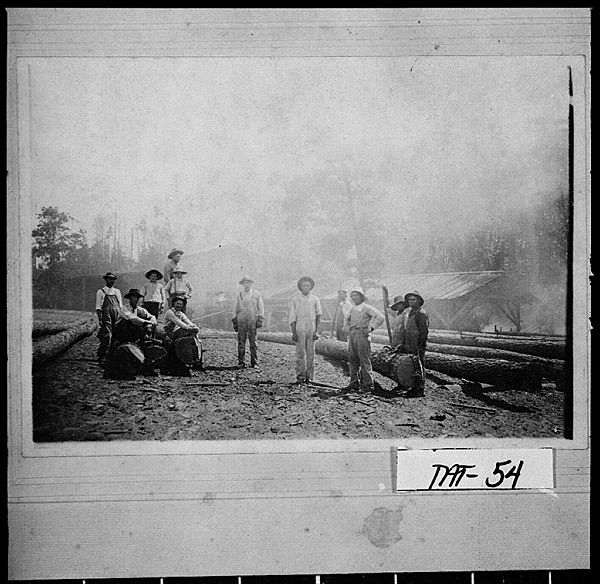
Workers, pictured circa 1910, pose at the sawmill of Frank Southwell near Mendes, in Tattnall County. The largely agricultural economy of the county in the nineteenth century supported a number of mills, many of which were built by 1849.

Courtesy of Georgia Archives, Vanishing Georgia, #
tat054.

View on partner site

The New Georgia Encyclopedia does not hold the copyright for this media resource and can neither grant nor deny permission to republish or reproduce the image online or in print. Requests for permission to publish or reproduce the resource should be submitted to the Georgia Archives.

Gordonia-Alatamaha State Park

Gordonia-Alatamaha State Park

  • Info Details
  • Citation Terms of Use

Gordonia-Alatamaha State Park, located in Tattnall County, is named for the endangered Gordonia bay tree, a relative of the rare Franklin tree discovered in 1765 by John and William Bartram. The park offers facilities for fishing, boating, and camping, as well as an eighteen-hole golf course.

Courtesy of Explore Georgia, Photograph by Ralph Daniel.

The New Georgia Encyclopedia does not hold the copyright for this media resource and can neither grant nor deny permission to republish or reproduce the image online or in print. Requests for permission to publish or reproduce the resource may need to be submitted to Explore Georgia.

Georgia Historical Commission

Georgia Historical Commission

  • Info Details
  • Citation Terms of Use

The Georgia Historical Commission gained national recognition as a pioneer in state historic preservation. The commission erected some 1,800 historical markers. This marker designates the site of the Cedar Creek Primitive Baptist Church, established in 1813 in Tattnall County.

Courtesy of Georgia Info, Digital Library of Georgia.

The New Georgia Encyclopedia does not hold the copyright for this media resource and can neither grant nor deny permission to republish or reproduce the image online or in print. Requests for permission to publish or reproduce the resource may need to be submitted to the Digital Library of Georgia.

Old Fayette County Courthouse

Old Fayette County Courthouse

  • Info Details
  • Citation Terms of Use

Constructed in 1825, the original Fayette County Courthouse, pictured in the late 1880s, is listed on the National Register of Historic Places as the oldest courthouse in Georgia. The clock tower was added to the structure in 1888.

Courtesy of Fayette County Historical Society

The New Georgia Encyclopedia does not hold the copyright for this media resource and can neither grant nor deny permission to republish or reproduce the image online or in print. All requests for permission to publish or reproduce the resource must be submitted to the rights holder.

Courthouse Bench

Courthouse Bench

  • Info Details
  • Citation Terms of Use

Fayette County's first courthouse (in use from 1825 until 1965) is the oldest county courthouse in the State of Georgia. Today the building houses the Fayette County Chamber of Commerce and the Fayette County Development Authority.

Image from Jimmy Emerson, DVM
View on source site

The New Georgia Encyclopedia does not hold the copyright for this media resource and can neither grant nor deny permission to republish or reproduce the image online or in print. All requests for permission to publish or reproduce the resource must be submitted to the rights holder.

Holliday-Dorsey-Fife House

Holliday-Dorsey-Fife House

  • Info Details
  • Citation Terms of Use

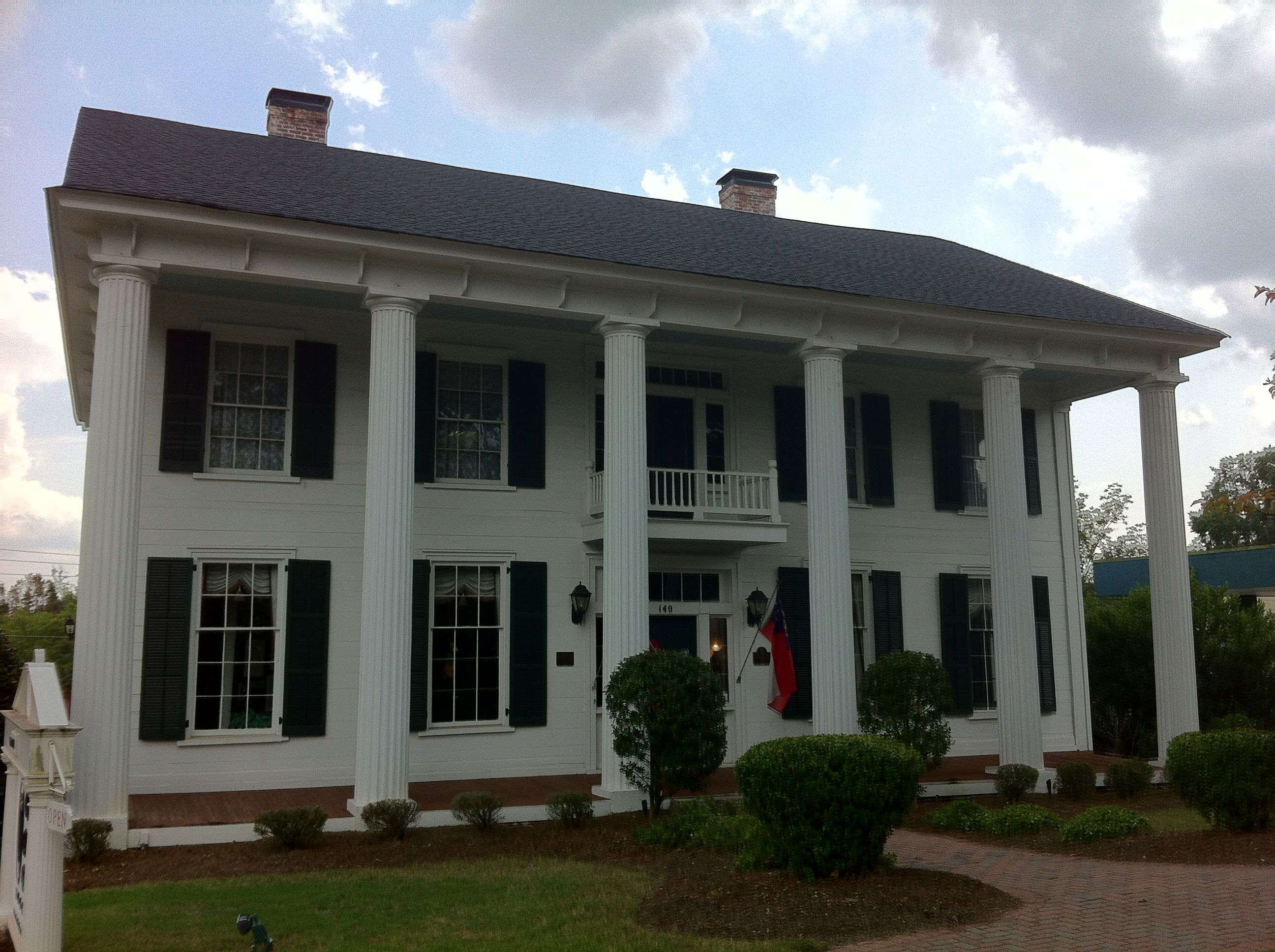
The Holliday-Dorsey-Fife House in Fayetteville, designed in the Greek revival style, was built in 1855 by John Stiles Holliday, the uncle of "Doc" Holliday. The city bought the home in 1999, and following renovations, the Holliday-Dorsey-Fife House Museum opened to the public in 2003.

Image from Cdrcody

The New Georgia Encyclopedia does not hold the copyright for this media resource and can neither grant nor deny permission to republish or reproduce the image online or in print. All requests for permission to publish or reproduce the resource must be submitted to the rights holder.

Old Fayette County Courthouse

Old Fayette County Courthouse

  • Info Details
  • Citation Terms of Use

The Old Fayette County courthouse in 2015. Today, this building is used as office space for several organizations, including the Fayette County Development Authority. The Fayette County Superior Court is located at One Center Drive in Fayetteville.

Courtesy of Don Bowman

The New Georgia Encyclopedia does not hold the copyright for this media resource and can neither grant nor deny permission to republish or reproduce the image online or in print. All requests for permission to publish or reproduce the resource must be submitted to the rights holder.

Lula Falls

Lula Falls

  • Info Details
  • Citation Terms of Use

Lula Falls and Lula Lake, in Walker County near Lookout Mountain, are protected by the Lula Lake Land Trust. More than 4,000 acres, which lie within the Rock Creek watershed, are owned by the trust.

Image from Rock/Creek

View on source site

The New Georgia Encyclopedia does not hold the copyright for this media resource and can neither grant nor deny permission to republish or reproduce the image online or in print. All requests for permission to publish or reproduce the resource must be submitted to the rights holder.

Lee and Gordon’s Mills

Lee and Gordon’s Mills

  • Info Details
  • Citation Terms of Use

Lee and Gordon's Mills, pictured between 1900 and 1915, was a saw- and gristmill built during the 1830s in Walker County. The mill continued to operate until 1967, and during the 1990s it was restored as a Civil War-era museum.

Courtesy of Library of Congress, Prints and Photographs Division

View on source site

The New Georgia Encyclopedia does not hold the copyright for this media resource and can neither grant nor deny permission to republish or reproduce the image online or in print. All requests for permission to publish or reproduce the resource must be submitted to the rights holder.

  • Info Details
  • Citation Terms of Use

The New Georgia Encyclopedia does not hold the copyright for this media resource and can neither grant nor deny permission to republish or reproduce the image online or in print. All requests for permission to publish or reproduce the resource must be submitted to the rights holder.

Walker County Courthouse

Walker County Courthouse

  • Info Details
  • Citation Terms of Use

The Walker County Courthouse in LaFayette, completed in 1919, was designed in the Beaux-Arts classical and Italian Renaissance revival styles. It was added to the National Register of Historic Places in 1980.

Courtesy of Don Bowman

The New Georgia Encyclopedia does not hold the copyright for this media resource and can neither grant nor deny permission to republish or reproduce the image online or in print. All requests for permission to publish or reproduce the resource must be submitted to the rights holder.

Warren County Courthouse

Warren County Courthouse

  • Info Details
  • Citation Terms of Use

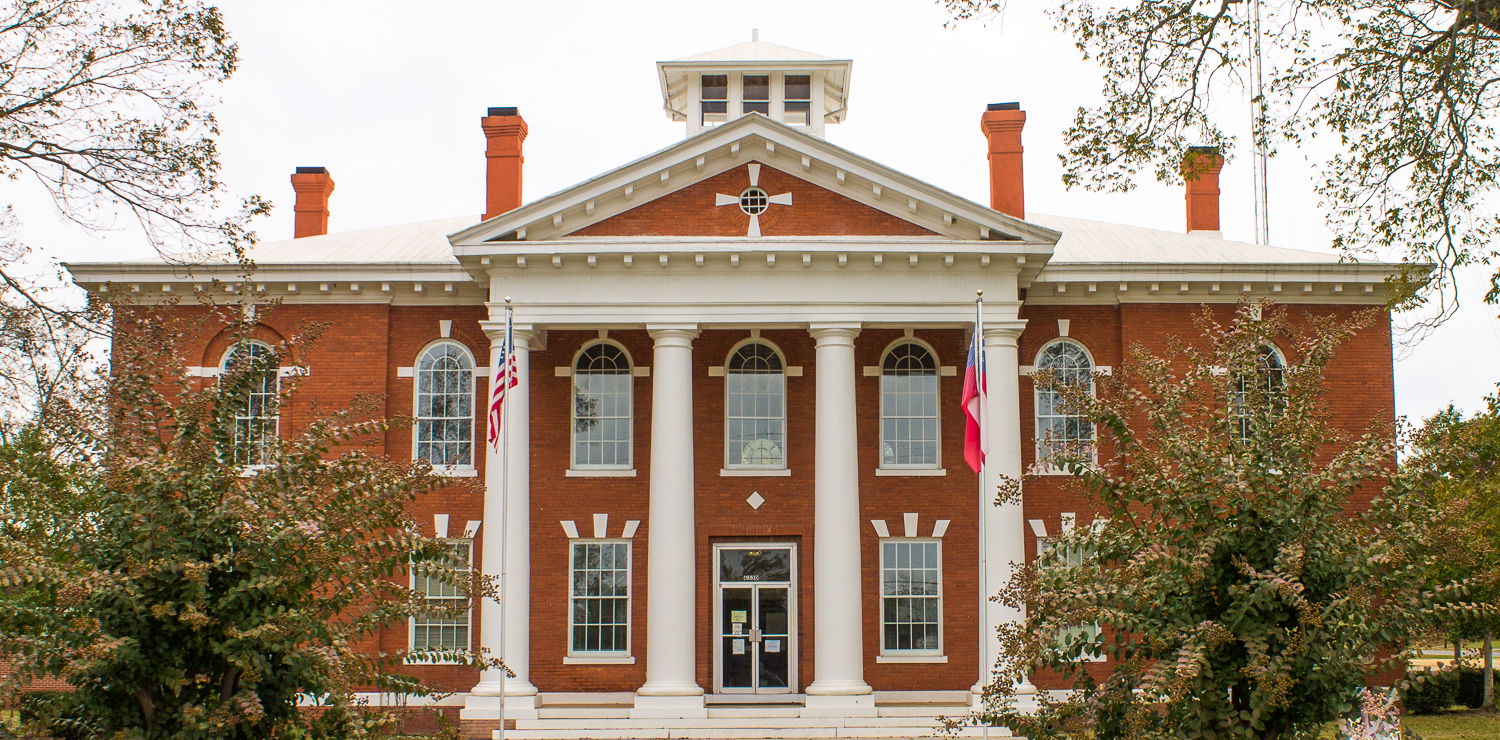
The Warren County Courthouse, built in 1910 and renovated in 2000, is located in Warrenton and designed in the neoclassical revival style. Added to the National Register of Historic Places in 1980, the courthouse is the county's third.

Courtesy of Don Bowman

The New Georgia Encyclopedia does not hold the copyright for this media resource and can neither grant nor deny permission to republish or reproduce the image online or in print. All requests for permission to publish or reproduce the resource must be submitted to the rights holder.

Beall Springs Hotel

Beall Springs Hotel

  • Info Details
  • Citation Terms of Use

Visitors gather in 1908 outside the Beall Springs Hotel, a popular resort destination in Warren County during the early twentieth century. Built around a mineral springs, the town of Beall Springs developed after the state acquired the springs and surrounding land in 1773.

Courtesy of Georgia Archives, Vanishing Georgia, # wrr001.
View on partner site

The New Georgia Encyclopedia does not hold the copyright for this media resource and can neither grant nor deny permission to republish or reproduce the image online or in print. Requests for permission to publish or reproduce the resource should be submitted to the Georgia Archives.

Roberts-McGregor House

Roberts-McGregor House

  • Info Details
  • Citation Terms of Use

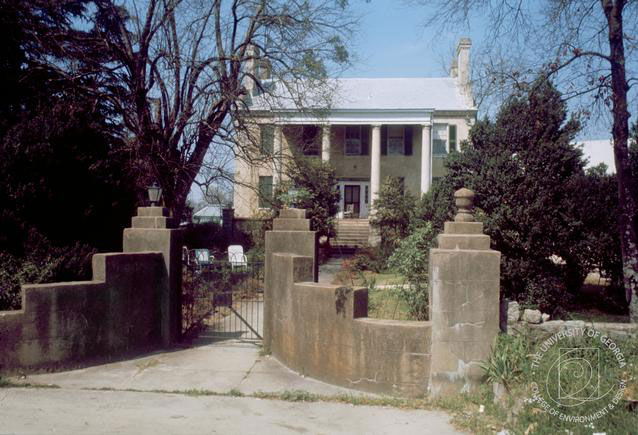
The Roberts-McGregor House in Warrenton, the seat of Warren County, was a two-story stuccoed brick home built in 1835. The home was added to the National Register of Historic Places in 1979 and was later demolished.

Courtesy of Owens Library, School of Environment and Design, University of Georgia, Hubert B. Owens Collection, #Box 45.

The New Georgia Encyclopedia does not hold the copyright for this media resource and can neither grant nor deny permission to republish or reproduce the image online or in print. All requests for permission to publish or reproduce the resource must be submitted to the rights holder.

Turner County Courthouse

Turner County Courthouse

  • Info Details
  • Citation Terms of Use

The Turner County Courthouse, built in 1907, is the only recorded courthouse in the county's history. Located in Ashburn, it is designed in the neoclassical revival style.

Courtesy of Don Bowman

The New Georgia Encyclopedia does not hold the copyright for this media resource and can neither grant nor deny permission to republish or reproduce the image online or in print. All requests for permission to publish or reproduce the resource must be submitted to the rights holder.

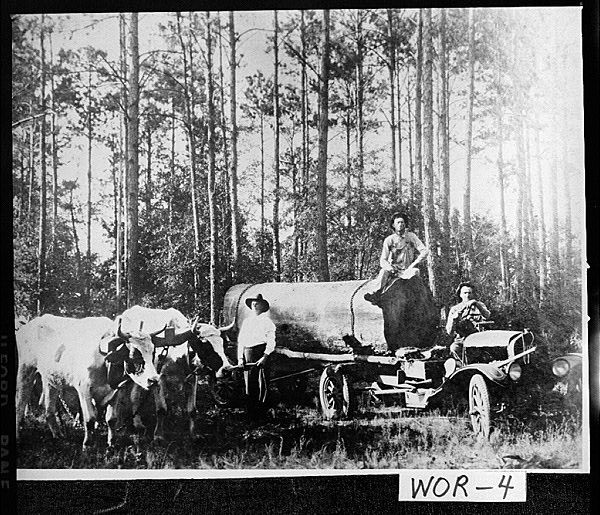
Shingler Home

Shingler Home

  • Info Details
  • Citation Terms of Use

The home of J. S. Shingler, pictured in 1918, is located in the historic Shingler Heights neighborhood of Ashburn, the seat of Turner County.

Courtesy of Georgia Archives, Vanishing Georgia, # tur007.

View on partner site

The New Georgia Encyclopedia does not hold the copyright for this media resource and can neither grant nor deny permission to republish or reproduce the image online or in print. Requests for permission to publish or reproduce the resource should be submitted to the Georgia Archives.

Towns County Courthouse

Towns County Courthouse

  • Info Details
  • Citation Terms of Use

The Towns County Courthouse, built in 1964, is designed in the modern style. Located in Hiawassee, it is the county's third courthouse.

Courtesy of Don Bowman

The New Georgia Encyclopedia does not hold the copyright for this media resource and can neither grant nor deny permission to republish or reproduce the image online or in print. All requests for permission to publish or reproduce the resource must be submitted to the rights holder.

  • Info Details
  • Citation Terms of Use

The New Georgia Encyclopedia does not hold the copyright for this media resource and can neither grant nor deny permission to republish or reproduce the image online or in print. All requests for permission to publish or reproduce the resource must be submitted to the rights holder.

  • Info Details
  • Citation Terms of Use

The New Georgia Encyclopedia does not hold the copyright for this media resource and can neither grant nor deny permission to republish or reproduce the image online or in print. All requests for permission to publish or reproduce the resource must be submitted to the rights holder.

Lake Chatuge

Lake Chatuge

  • Info Details
  • Citation Terms of Use

Lake Chatuge, a 7,050-acre reservoir, was created when the Tennessee Valley Authority dammed the Hiwassee River in 1941. It is located in Towns County, in the north Georgia mountains.

Courtesy of Explore Georgia, Photograph by Ralph Daniel.

The New Georgia Encyclopedia does not hold the copyright for this media resource and can neither grant nor deny permission to republish or reproduce the image online or in print. Requests for permission to publish or reproduce the resource may need to be submitted to Explore Georgia.

  • Info Details
  • Citation Terms of Use

The New Georgia Encyclopedia does not hold the copyright for this media resource and can neither grant nor deny permission to republish or reproduce the image online or in print. All requests for permission to publish or reproduce the resource must be submitted to the rights holder.

Taliaferro County Courthouse

Taliaferro County Courthouse

  • Info Details
  • Citation Terms of Use

The Taliaferro County Courthouse, built in 1902, is designed in the High Victorian style. Added to the National Register of Historic Places in 1980, it is the county's second courthouse.

Courtesy of Don Bowman

The New Georgia Encyclopedia does not hold the copyright for this media resource and can neither grant nor deny permission to republish or reproduce the image online or in print. All requests for permission to publish or reproduce the resource must be submitted to the rights holder.

Liberty Hall

Liberty Hall

  • Info Details
  • Citation Terms of Use

Liberty Hall, the mansion of Georgia governor Alexander Stephens, forms the centerpiece of the A. H. Stephens Historic Park in Taliaferro County. The interior of the home, which was placed on the National Register of Historic Places in 1970, is open to the public.

Courtesy of Explore Georgia, Photograph by Ralph Daniel.
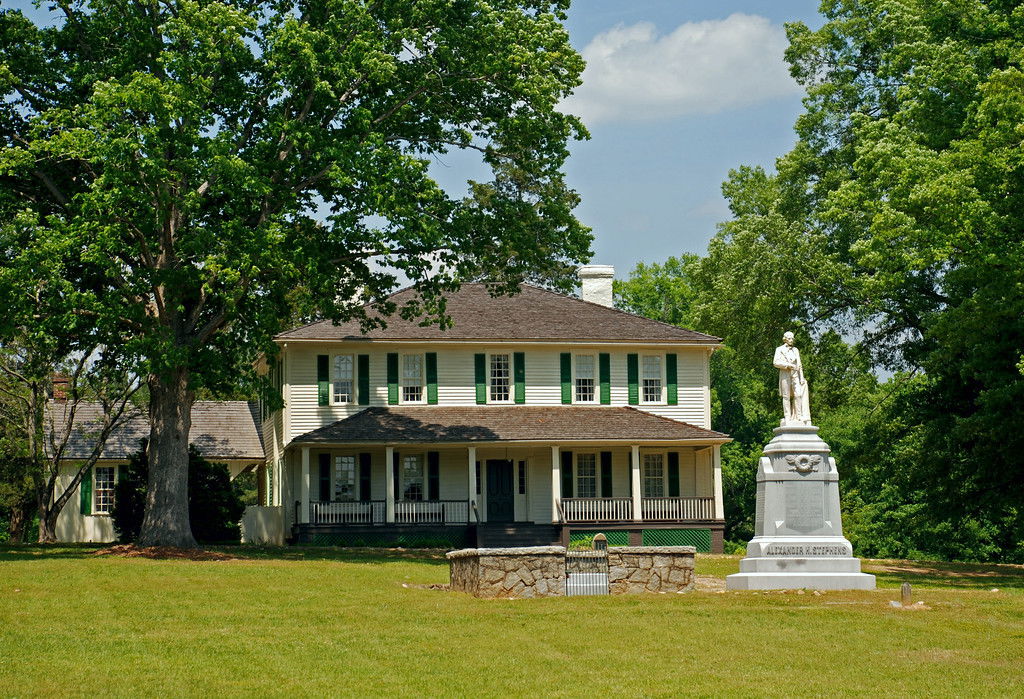
The New Georgia Encyclopedia does not hold the copyright for this media resource and can neither grant nor deny permission to republish or reproduce the image online or in print. Requests for permission to publish or reproduce the resource may need to be submitted to Explore Georgia.

A. H. Stephens Historic Park

A. H. Stephens Historic Park

  • Info Details
  • Citation Terms of Use

The A. H. Stephens Historic Park, in Crawfordville, is part of the Georgia state park system. The park includes Alexander Stephens's restored home, Liberty Hall, as well a museum containing Civil War artifacts.

Courtesy of Georgia Department of Natural Resources, Photograph from Georgia State Parks.

The New Georgia Encyclopedia does not hold the copyright for this media resource and can neither grant nor deny permission to republish or reproduce the image online or in print. Requests for permission to publish or reproduce the resource may need to be submitted to the Georgia Department of Natural Resources.

Liberty Hall

Liberty Hall

  • Info Details
  • Citation Terms of Use

Liberty Hall in Taliaferro County, home of Alexander H. Stephens, is pictured in 1936.

Courtesy of Library of Congress, Prints and Photographs Division, Historic American Buildings Survey, #HABS GA,133-CRAWV,1--2.
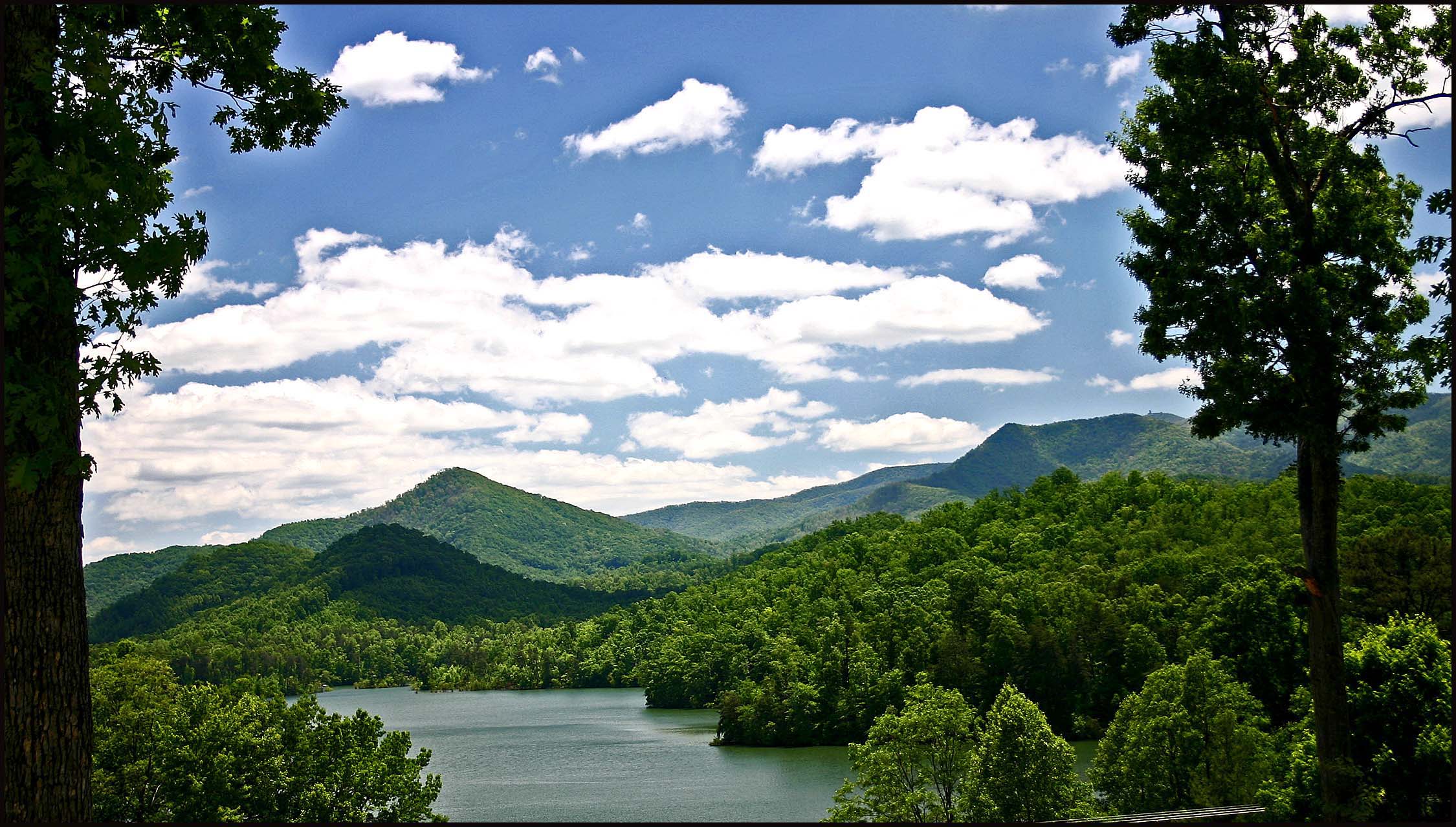
View on source site

The New Georgia Encyclopedia does not hold the copyright for this media resource and can neither grant nor deny permission to republish or reproduce the image online or in print. All requests for permission to publish or reproduce the resource must be submitted to the rights holder.

Lake Chatuge

Lake Chatuge

  • Info Details
  • Citation Terms of Use

Hiawassee, the seat of Towns County, is situated on the banks of Lake Chatuge, a reservoir created by the Tennessee Valley Authority in 1941. Although 3,500 acres of land were covered by the lake, its creation improved the local economy. Today the lake is a popular recreation area.

Photograph by Tom Cooper

The New Georgia Encyclopedia does not hold the copyright for this media resource and can neither grant nor deny permission to republish or reproduce the image online or in print. All requests for permission to publish or reproduce the resource must be submitted to the rights holder.

  • Info Details
  • Citation Terms of Use

The New Georgia Encyclopedia does not hold the copyright for this media resource and can neither grant nor deny permission to republish or reproduce the image online or in print. All requests for permission to publish or reproduce the resource must be submitted to the rights holder.

Woody Lake

Woody Lake

  • Info Details
  • Citation Terms of Use

Woody Lake is located near the rural community of Suches in Union County, which continues to operate the Woody Gap School, one of the few remaining rural schools in the state to survive several rounds of consolidation.

Image from John Getchel

View on source site

The New Georgia Encyclopedia does not hold the copyright for this media resource and can neither grant nor deny permission to republish or reproduce the image online or in print. All requests for permission to publish or reproduce the resource must be submitted to the rights holder.

Union County Courthouse

Union County Courthouse

  • Info Details
  • Citation Terms of Use

The Union County Courthouse, located in Blairsville, was built in 1978 as an annex to the Union County Office Building, which was constructed in 1976. The county's fourth courthouse, it is designed in the modern style.

Photograph by John Trainor

The New Georgia Encyclopedia does not hold the copyright for this media resource and can neither grant nor deny permission to republish or reproduce the image online or in print. All requests for permission to publish or reproduce the resource must be submitted to the rights holder.

Blood Mountain

Blood Mountain

  • Info Details
  • Citation Terms of Use

Blood Mountain, with an altitude of 4,458 feet, is the highest point along the Georgia section of the Appalachian Trail. It is located in Union County.

Image from Lily S

View on source site

The New Georgia Encyclopedia does not hold the copyright for this media resource and can neither grant nor deny permission to republish or reproduce the image online or in print. All requests for permission to publish or reproduce the resource must be submitted to the rights holder.

Brasstown Bald

Brasstown Bald

  • Info Details
  • Citation Terms of Use

Visitors to Brasstown Bald, the highest elevation in Georgia, can view four states. The mountain is partly in Union County and partly in Towns County.

Courtesy of Explore Georgia, Photograph by Ralph Daniel.

The New Georgia Encyclopedia does not hold the copyright for this media resource and can neither grant nor deny permission to republish or reproduce the image online or in print. Requests for permission to publish or reproduce the resource may need to be submitted to Explore Georgia.

Old Union County Courthouse

Old Union County Courthouse

  • Info Details
  • Citation Terms of Use

The Old Union County Courthouse, constructed in 1899, served as the county's courthouse until 1971. The building, which today houses the Union County Historical Society, was renovated by local volunteers and added to the National Register of Historic Places in 1980.

Image from Jimmy Emerson, DVM

View on source site

The New Georgia Encyclopedia does not hold the copyright for this media resource and can neither grant nor deny permission to republish or reproduce the image online or in print. All requests for permission to publish or reproduce the resource must be submitted to the rights holder.

Toombs County Courthouse

Toombs County Courthouse

  • Info Details
  • Citation Terms of Use

The Toombs County Courthouse, built in Lyons in 1964, is designed in the modern style.

Photograph by OZinOH
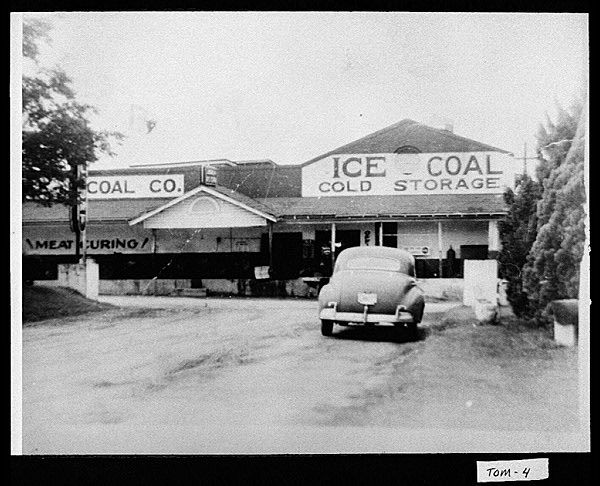
The New Georgia Encyclopedia does not hold the copyright for this media resource and can neither grant nor deny permission to republish or reproduce the image online or in print. All requests for permission to publish or reproduce the resource must be submitted to the rights holder.

Ice Plant

Ice Plant

  • Info Details
  • Citation Terms of Use

C. E. Adams's ice plant, pictured in the 1940s, was located in Vidalia, a community in Toombs County. During the years of World War II (1941-45), a number of new businesses sprang up in Vidalia to support a newly built U.S. Army Air Force field.

Courtesy of Georgia Archives, Vanishing Georgia, #tom002.

View on partner site

The New Georgia Encyclopedia does not hold the copyright for this media resource and can neither grant nor deny permission to republish or reproduce the image online or in print. Requests for permission to publish or reproduce the resource should be submitted to the Georgia Archives.

Vidalia Onions

Vidalia Onions

  • Info Details
  • Citation Terms of Use

Vidalia onions were first cultivated by Mose Coleman, a farmer in Toombs County, during the 1930s and today represent one of the county's most important commodities. The crop is named for the community of Vidalia, which is located in Toombs County and known as the "Sweet Onion Capital of the World."

Image from UGA CAES/Extension

View on source site

The New Georgia Encyclopedia does not hold the copyright for this media resource and can neither grant nor deny permission to republish or reproduce the image online or in print. All requests for permission to publish or reproduce the resource must be submitted to the rights holder.

Toombs County Farming

Toombs County Farming

  • Info Details
  • Citation Terms of Use

Vidalia onions grow in Toombs County, one of the counties served by an extension office of the Small Farmer Outreach Training and Technical Assistance Project of Fort Valley State University.

Courtesy of Explore Georgia, Photograph by Ralph Daniel.
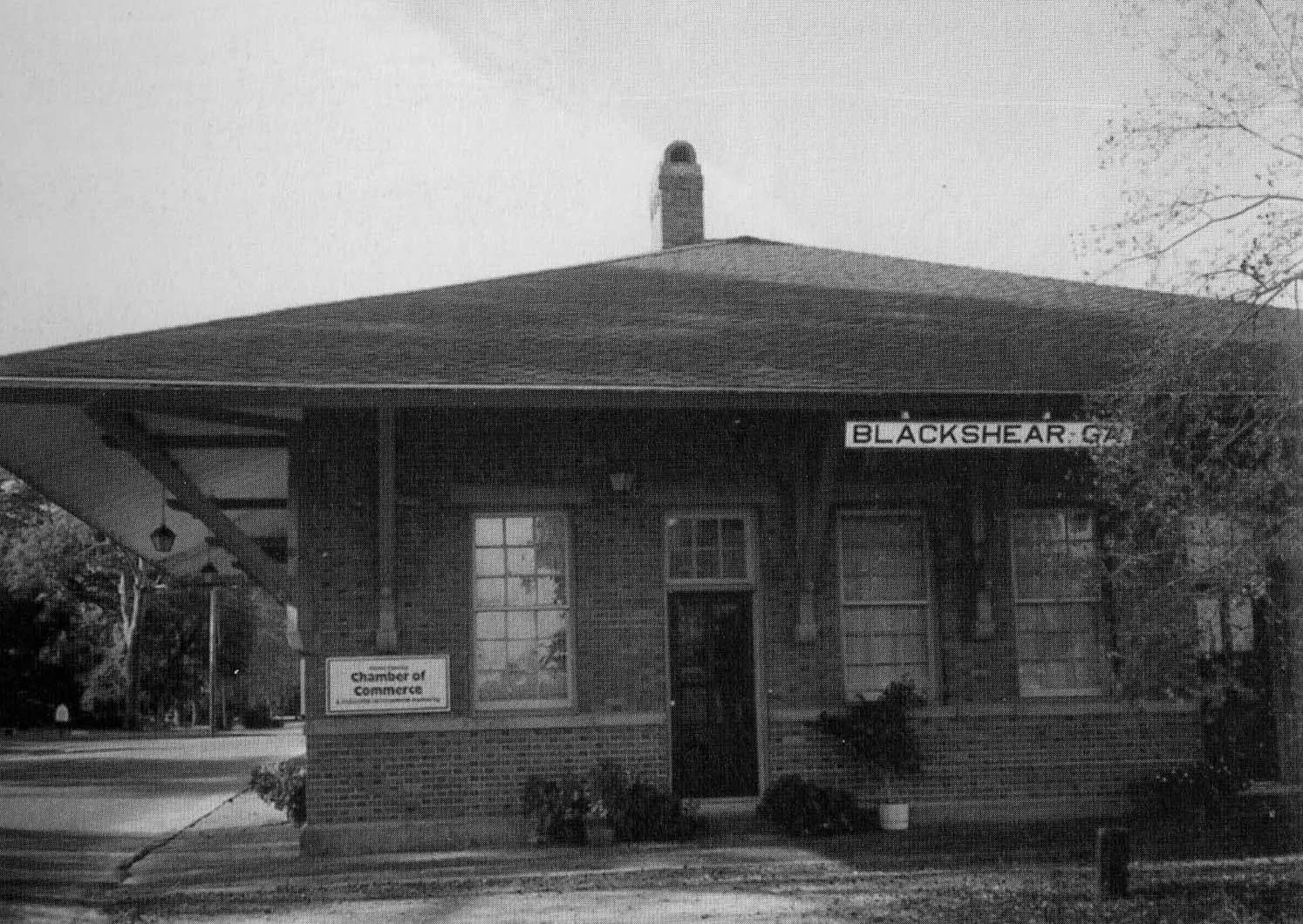
The New Georgia Encyclopedia does not hold the copyright for this media resource and can neither grant nor deny permission to republish or reproduce the image online or in print. Requests for permission to publish or reproduce the resource may need to be submitted to Explore Georgia.

Blackshear Depot

Blackshear Depot

  • Info Details
  • Citation Terms of Use

The Blackshear railroad depot in Pierce County, added to the National Register of Historic Places in 2000, houses the chamber of commerce as well as the county's Heritage Museum and genealogical library. The depot was built in 1902.

Courtesy of John Walker Guss and Pierce County Historical and Genealogical Society, Inc.

The New Georgia Encyclopedia does not hold the copyright for this media resource and can neither grant nor deny permission to republish or reproduce the image online or in print. All requests for permission to publish or reproduce the resource must be submitted to the rights holder.

Pierce County Courthouse

Pierce County Courthouse

  • Info Details
  • Citation Terms of Use

The Pierce County Courthouse, located in Blackshear, was constructed in 1902 and remodeled in 1970. Designed in the neoclassical revival style, the courthouse is the county's third. It was placed on the National Register of Historic Places in 1980.

Courtesy of Don Bowman

The New Georgia Encyclopedia does not hold the copyright for this media resource and can neither grant nor deny permission to republish or reproduce the image online or in print. All requests for permission to publish or reproduce the resource must be submitted to the rights holder.

Cotton Warehouse

Cotton Warehouse

  • Info Details
  • Citation Terms of Use

A warehouse in Pierce County stores bales of cotton, one of the major crops grown in the county during the nineteenth century. The boll weevil infestation of the 1920s, however, caused many Pierce County farmers to switch from cotton to tobacco cultivation.

Courtesy of John Walker Guss and Pierce County Historical and Genealogical Society, Inc.
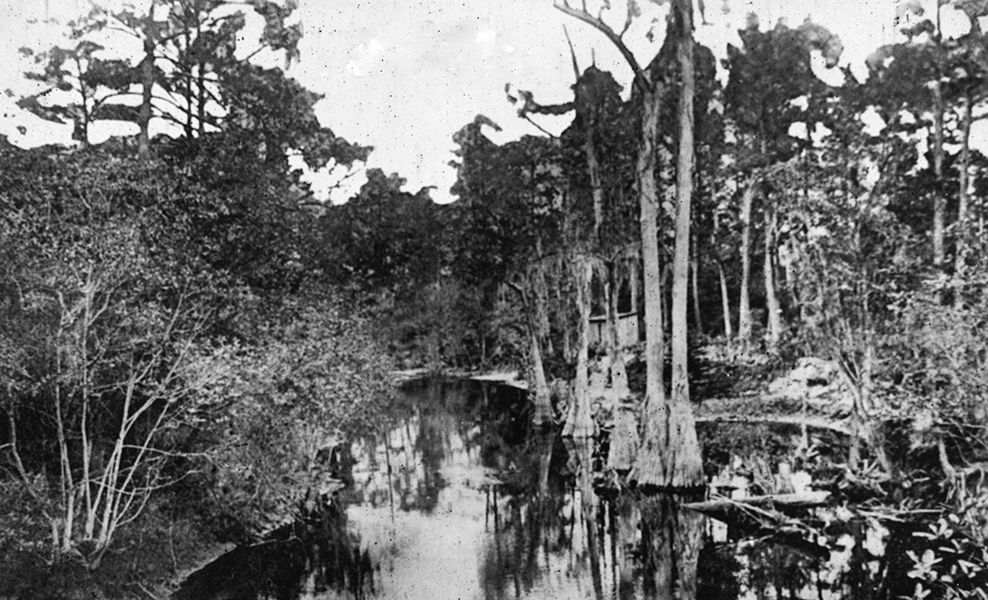
The New Georgia Encyclopedia does not hold the copyright for this media resource and can neither grant nor deny permission to republish or reproduce the image online or in print. All requests for permission to publish or reproduce the resource must be submitted to the rights holder.

Satilla River

Satilla River

  • Info Details
  • Citation Terms of Use

The Satilla River, pictured near Blackshear, the seat of Pierce County, circa 1925.

Courtesy of Georgia Archives, Vanishing Georgia, # prc012.

View on partner site

The New Georgia Encyclopedia does not hold the copyright for this media resource and can neither grant nor deny permission to republish or reproduce the image online or in print. Requests for permission to publish or reproduce the resource should be submitted to the Georgia Archives.

Brewton-Parker College

Brewton-Parker College

  • Info Details
  • Citation Terms of Use

Brewton-Parker College is a four-year institution affiliated with the Georgia Baptist Convention. Built in 1904, the same year as the school's founding, Gates Hall, pictured, is the only original building still standing on the college's main campus, which is located in Mount Vernon.

Courtesy of Terry Gaston, Brewton-Parker College

The New Georgia Encyclopedia does not hold the copyright for this media resource and can neither grant nor deny permission to republish or reproduce the image online or in print. All requests for permission to publish or reproduce the resource must be submitted to the rights holder.

Richard Montgomery

Richard Montgomery

  • Info Details
  • Citation Terms of Use

Richard Montgomery, pictured in an engraving made around 1777, was a brigadier general in the Continental Army who was killed in Quebec in 1775. Montgomery County, in east central Georgia, is named in his honor.

Courtesy of Library of Congress, Prints and Photographs Division

The New Georgia Encyclopedia does not hold the copyright for this media resource and can neither grant nor deny permission to republish or reproduce the image online or in print. All requests for permission to publish or reproduce the resource must be submitted to the rights holder.

Montgomery County Courthouse

Montgomery County Courthouse

  • Info Details
  • Citation Terms of Use

The Montgomery County Courthouse, designed in the neoclassical revival style, was built in 1907. Located in Mount Vernon, the courthouse was added to the National Register of Historic Places in 1980. Renovations to the building were completed in 1992.

Photograph by OZinOH
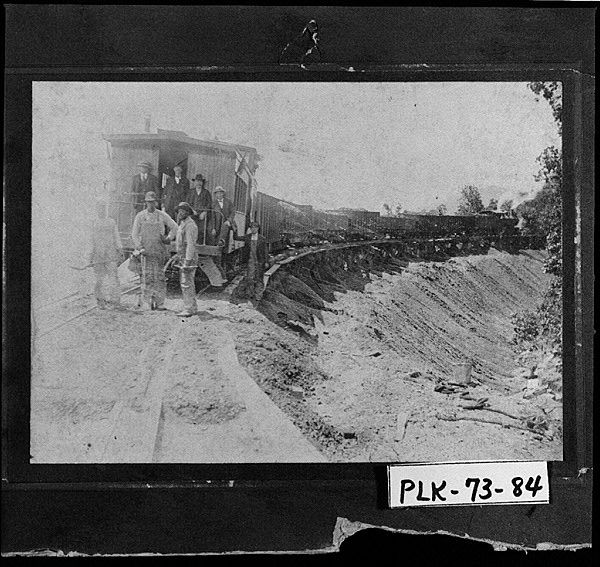
The New Georgia Encyclopedia does not hold the copyright for this media resource and can neither grant nor deny permission to republish or reproduce the image online or in print. All requests for permission to publish or reproduce the resource must be submitted to the rights holder.

East and West Railroad Construction

East and West Railroad Construction

  • Info Details
  • Citation Terms of Use

The East and West Railroad, built between Cartersville and Cedartown around 1900, is one of several railroads that came to Polk County in the late nineteenth and early twentieth centuries.

Courtesy of Georgia Archives, Vanishing Georgia, #
plk073-84.

View on partner site

The New Georgia Encyclopedia does not hold the copyright for this media resource and can neither grant nor deny permission to republish or reproduce the image online or in print. Requests for permission to publish or reproduce the resource should be submitted to the Georgia Archives.

Polk County Courthouse

Polk County Courthouse

  • Info Details
  • Citation Terms of Use

The Polk County Courthouse, designed in the stripped classical style, was built in Cedartown in 1951. It is the county's third courthouse.

Courtesy of Don Bowman

The New Georgia Encyclopedia does not hold the copyright for this media resource and can neither grant nor deny permission to republish or reproduce the image online or in print. All requests for permission to publish or reproduce the resource must be submitted to the rights holder.

  • Info Details
  • Citation Terms of Use

The New Georgia Encyclopedia does not hold the copyright for this media resource and can neither grant nor deny permission to republish or reproduce the image online or in print. All requests for permission to publish or reproduce the resource must be submitted to the rights holder.

Eugene Talmadge Rally

Eugene Talmadge Rally

  • Info Details
  • Citation Terms of Use

A crowd is gathered for a 1946 Eugene Talmadge political rally in Cedartown, Polk County.

Courtesy of Georgia Archives, Vanishing Georgia, #
plk024-84.

View on partner site

The New Georgia Encyclopedia does not hold the copyright for this media resource and can neither grant nor deny permission to republish or reproduce the image online or in print. Requests for permission to publish or reproduce the resource should be submitted to the Georgia Archives.

Hiram Colored School

Hiram Colored School

  • Info Details
  • Citation Terms of Use

Hiram Colored School in Paulding County was built by the Rural School Building Program of the Julius Rosenwald Fund in 1930. The Rosenwald schools, which offered an education to African American students, were built throughout the South from 1912 to 1932.
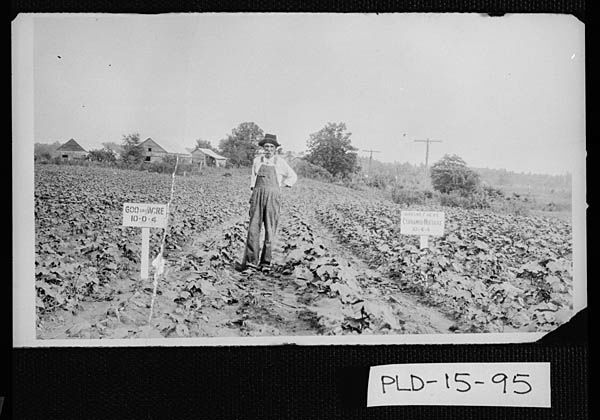
Courtesy of Historic Preservation Division, Georgia Department of Community Affairs.

The New Georgia Encyclopedia does not hold the copyright for this media resource and can neither grant nor deny permission to republish or reproduce the image online or in print. Requests for permission to publish or reproduce the resource may need to be submitted to the Georgia Department of Community Affairs, Historic Preservation Division.

Paulding County Farmer

Paulding County Farmer

  • Info Details
  • Citation Terms of Use

Jacob Searight Freeman, pictured circa 1927, was a cotton farmer in Paulding County. Agriculture has played an integral role in the county's economy since the nineteenth century.

Courtesy of Georgia Archives, Vanishing Georgia, #
pld015-95.

View on partner site

The New Georgia Encyclopedia does not hold the copyright for this media resource and can neither grant nor deny permission to republish or reproduce the image online or in print. Requests for permission to publish or reproduce the resource should be submitted to the Georgia Archives.

Paulding County Courthouse

Paulding County Courthouse

  • Info Details
  • Citation Terms of Use

The Paulding County Courthouse, located in Dallas, was built in 1892 and is designed in the Queen Anne style. The structure was placed on the National Register of Historic Places in 1980, and a three-story annex was added in 1990. It is the county's third courthouse.

Courtesy of Don Bowman
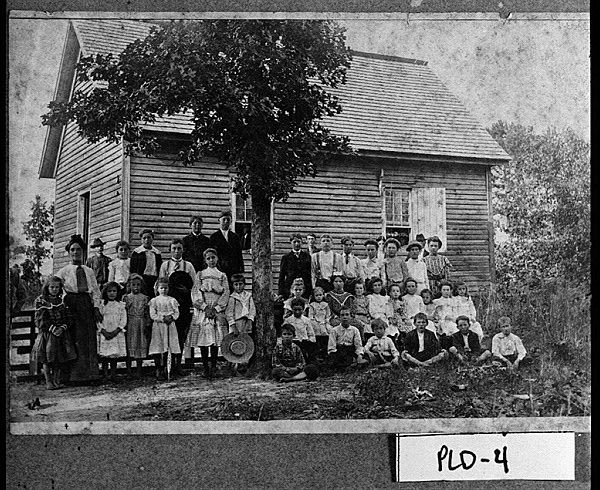
The New Georgia Encyclopedia does not hold the copyright for this media resource and can neither grant nor deny permission to republish or reproduce the image online or in print. All requests for permission to publish or reproduce the resource must be submitted to the rights holder.

Oak Hill School

Oak Hill School

  • Info Details
  • Citation Terms of Use

The students of Oak Hill School, a one-room school in Paulding County, gather with their teacher, Ella Louise Babb, for a photograph in 1904. Similar schools opened around the county early in the twentieth century.

Courtesy of Georgia Archives, Vanishing Georgia, #
pld004.

View on partner site

The New Georgia Encyclopedia does not hold the copyright for this media resource and can neither grant nor deny permission to republish or reproduce the image online or in print. Requests for permission to publish or reproduce the resource should be submitted to the Georgia Archives.

Ideal Railroad Depot

Ideal Railroad Depot

  • Info Details
  • Citation Terms of Use

A railroad depot is pictured in Ideal, in Macon County.

Courtesy of Steve Storey

The New Georgia Encyclopedia does not hold the copyright for this media resource and can neither grant nor deny permission to republish or reproduce the image online or in print. All requests for permission to publish or reproduce the resource must be submitted to the rights holder.

Macon County Courthouse

Macon County Courthouse

  • Info Details
  • Citation Terms of Use

The Macon County Courthouse in Oglethorpe, built in 1894, is an example of the Romanesque revival style. It is the county's third courthouse, and the second to be built in Oglethorpe, which became the county seat in 1856. The first seat of Macon County was Lanier.

Courtesy of Don Bowman

The New Georgia Encyclopedia does not hold the copyright for this media resource and can neither grant nor deny permission to republish or reproduce the image online or in print. All requests for permission to publish or reproduce the resource must be submitted to the rights holder.

Andersonville Cemetery

Andersonville Cemetery

  • Info Details
  • Citation Terms of Use

The cemetery at Andersonville Prison, the most notorious prison camp of the Civil War, was designated a national cemetery after the war ended. In 1998 the Andersonville National Historic Site, in Macon County, opened the National Prisoner of War Museum, which is dedicated to all U.S. prisoners of war.

Image from Ken Lund

View on source site

The New Georgia Encyclopedia does not hold the copyright for this media resource and can neither grant nor deny permission to republish or reproduce the image online or in print. All requests for permission to publish or reproduce the resource must be submitted to the rights holder.

Great Beaver Creek Duck Race

Great Beaver Creek Duck Race

  • Info Details
  • Citation Terms of Use

Rubber ducks race down Beaver Creek during the 2005 Beaver Creek Festival, held each fall in Montezuma, one of the largest cities in Macon County. The festival celebrates the recovery of the city following the 1994 flooding of the Flint River.

Photograph by Camille Bielby
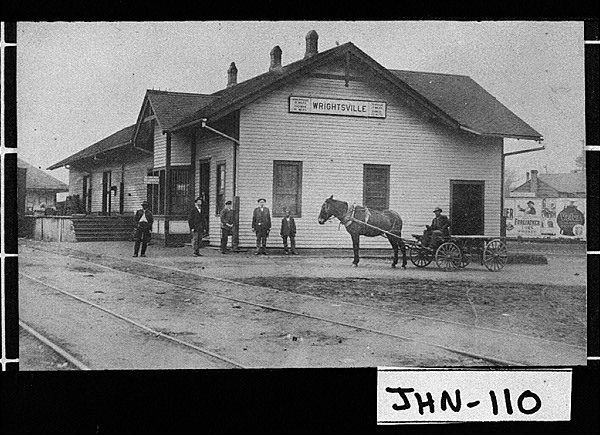
The New Georgia Encyclopedia does not hold the copyright for this media resource and can neither grant nor deny permission to republish or reproduce the image online or in print. All requests for permission to publish or reproduce the resource must be submitted to the rights holder.

  • Info Details
  • Citation Terms of Use

The New Georgia Encyclopedia does not hold the copyright for this media resource and can neither grant nor deny permission to republish or reproduce the image online or in print. All requests for permission to publish or reproduce the resource must be submitted to the rights holder.

Wrightsville Depot

Wrightsville Depot

  • Info Details
  • Citation Terms of Use

The Wrightsville railroad depot, located in the seat of Johnson County, was built in 1900 by the Wrightsville and Tennille Railroad. Pictured circa 1915, the depot was restored duringthe 1990s and today houses the Wrightsville–Johnson County Chamber of Commerce and the Johnson County Development Authority.

Courtesy of Georgia Archives, Vanishing Georgia, #
jhn110.

View on partner site

The New Georgia Encyclopedia does not hold the copyright for this media resource and can neither grant nor deny permission to republish or reproduce the image online or in print. Requests for permission to publish or reproduce the resource should be submitted to the Georgia Archives.

Johnson County Courthouse

Johnson County Courthouse

  • Info Details
  • Citation Terms of Use

The Johnson County Courthouse, built in 1895, is the county's second courthouse. Designed in the Romanesque revival and colonial revival styles, the building was remodeled in 1938 and restored in 1996.

Courtesy of Don Bowman
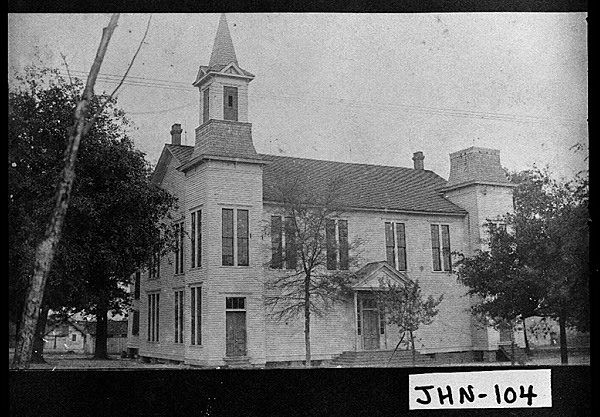
The New Georgia Encyclopedia does not hold the copyright for this media resource and can neither grant nor deny permission to republish or reproduce the image online or in print. All requests for permission to publish or reproduce the resource must be submitted to the rights holder.

Nannie Lou Warthen Institute

Nannie Lou Warthen Institute

  • Info Details
  • Citation Terms of Use

The Nannie Lou Warthen Institute, pictured circa 1900, was founded in 1888 as a district high school in Johnson County by the Methodist Episcopal Church. In the early 1900s the school received a charter and became Warthen College, which later closed.

Courtesy of Georgia Archives, Vanishing Georgia, #
jhn104.
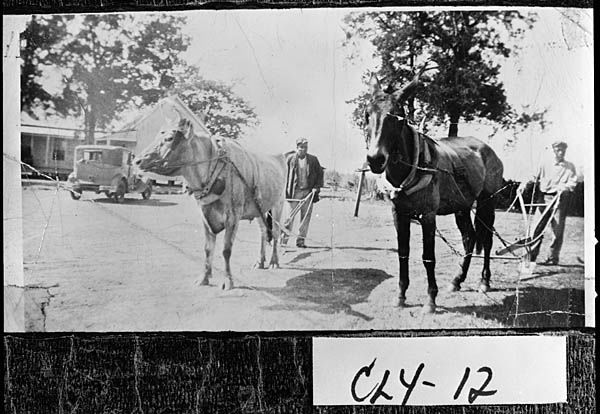
View on partner site

The New Georgia Encyclopedia does not hold the copyright for this media resource and can neither grant nor deny permission to republish or reproduce the image online or in print. Requests for permission to publish or reproduce the resource should be submitted to the Georgia Archives.

Calhoun County Farm

Calhoun County Farm

  • Info Details
  • Citation Terms of Use

Workers prepare to plow a field on Will J. Bruner's Calhoun County farm in 1932. Although the number of small farms in the county has decreased over the years, more than 50 percent of Calhoun County is designated as prime farmland by the U.S. Department of Agriculture.

Courtesy of Georgia Archives, Vanishing Georgia, #cly012.

View on partner site

The New Georgia Encyclopedia does not hold the copyright for this media resource and can neither grant nor deny permission to republish or reproduce the image online or in print. Requests for permission to publish or reproduce the resource should be submitted to the Georgia Archives.

Calhoun County Courthouse

Calhoun County Courthouse

  • Info Details
  • Citation Terms of Use

Built in 1935, the Calhoun County Courthouse, located in Morgan, is the third in the county's history. Designed in the colonial revival style, the courthouse was renovated in 1972.

Courtesy of Don Bowman

The New Georgia Encyclopedia does not hold the copyright for this media resource and can neither grant nor deny permission to republish or reproduce the image online or in print. All requests for permission to publish or reproduce the resource must be submitted to the rights holder.

Gopher Tortoise

Gopher Tortoise

  • Info Details
  • Citation Terms of Use

Among several endangered species found in Calhoun County is the gopher tortoise, the state reptile of Georgia. The tortoise is identified as a threatened species by the U.S. Fish and Wildlife Service.

Image from U.S. Fish and Wildlife Service

View on source site

The New Georgia Encyclopedia does not hold the copyright for this media resource and can neither grant nor deny permission to republish or reproduce the image online or in print. All requests for permission to publish or reproduce the resource must be submitted to the rights holder.

Gopher Tortoise

Gopher Tortoise

  • Info Details
  • Citation Terms of Use

The gopher tortoise is the official state reptile. Photo by U.S. Fish and Wildlife Service Southeast Region 4/24/2002

Photo by U.S. Fish and Wildlife Service Southeast Region 4/24/2002

View on source site

The New Georgia Encyclopedia does not hold the copyright for this media resource and can neither grant nor deny permission to republish or reproduce the image online or in print. All requests for permission to publish or reproduce the resource must be submitted to the rights holder.

Mulberry Depot

Mulberry Depot

  • Info Details
  • Citation Terms of Use

The Mulberry depot in Jackson County is pictured circa 1910.

Courtesy of Georgia Archives, Vanishing Georgia, #
jac014.
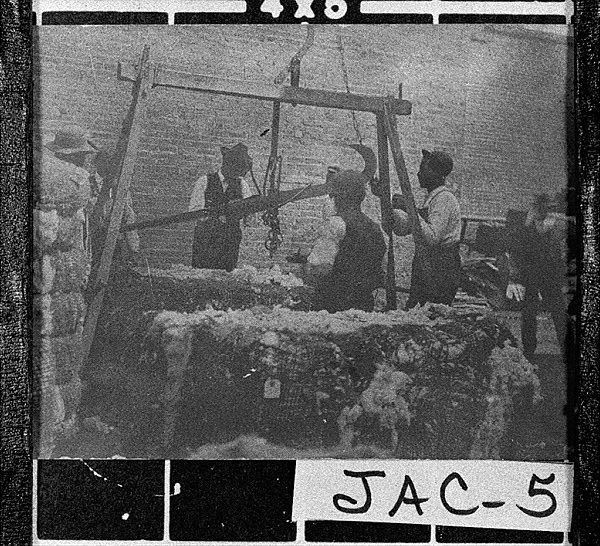
View on partner site

The New Georgia Encyclopedia does not hold the copyright for this media resource and can neither grant nor deny permission to republish or reproduce the image online or in print. Requests for permission to publish or reproduce the resource should be submitted to the Georgia Archives.

Cotton Weighing

Cotton Weighing

  • Info Details
  • Citation Terms of Use

Bales of cotton are weighed, circa 1904, in Commerce, one of several incorporated cities in Jackson County. Because the town was an important center for the cotton market early in the twentieth century, residents changed its name from Harmony Grove to Commerce in 1904.

Courtesy of Georgia Archives, Vanishing Georgia, #
jac005.

View on partner site

The New Georgia Encyclopedia does not hold the copyright for this media resource and can neither grant nor deny permission to republish or reproduce the image online or in print. Requests for permission to publish or reproduce the resource should be submitted to the Georgia Archives.

Jackson County Courthouse

Jackson County Courthouse

  • Info Details
  • Citation Terms of Use

The Jackson County Courthouse in Jefferson, designed in the classical modern style, was completed in 2004. It is the county's fifth courthouse.

Photograph by Jimmy Emerson, DVM
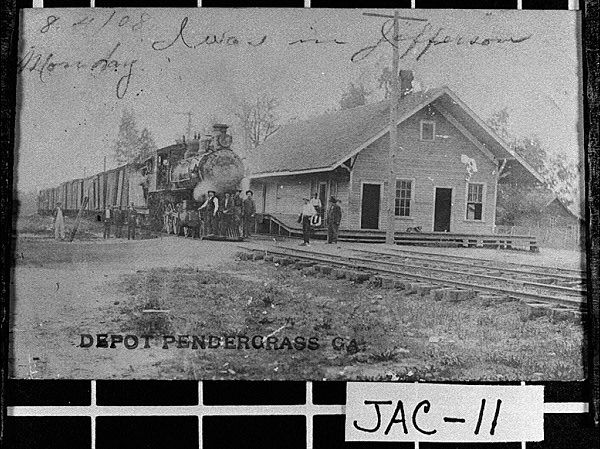
The New Georgia Encyclopedia does not hold the copyright for this media resource and can neither grant nor deny permission to republish or reproduce the image online or in print. All requests for permission to publish or reproduce the resource must be submitted to the rights holder.

Pendergrass Depot

Pendergrass Depot

  • Info Details
  • Citation Terms of Use

The train depot in Pendergrass, pictured in 1908, was renovated in the 1990s and today houses the Pendergrass City Hall, as well as a community center. Pendergrass is an incorporated city in Jackson County.

Courtesy of Georgia Archives, Vanishing Georgia, #
jac011.
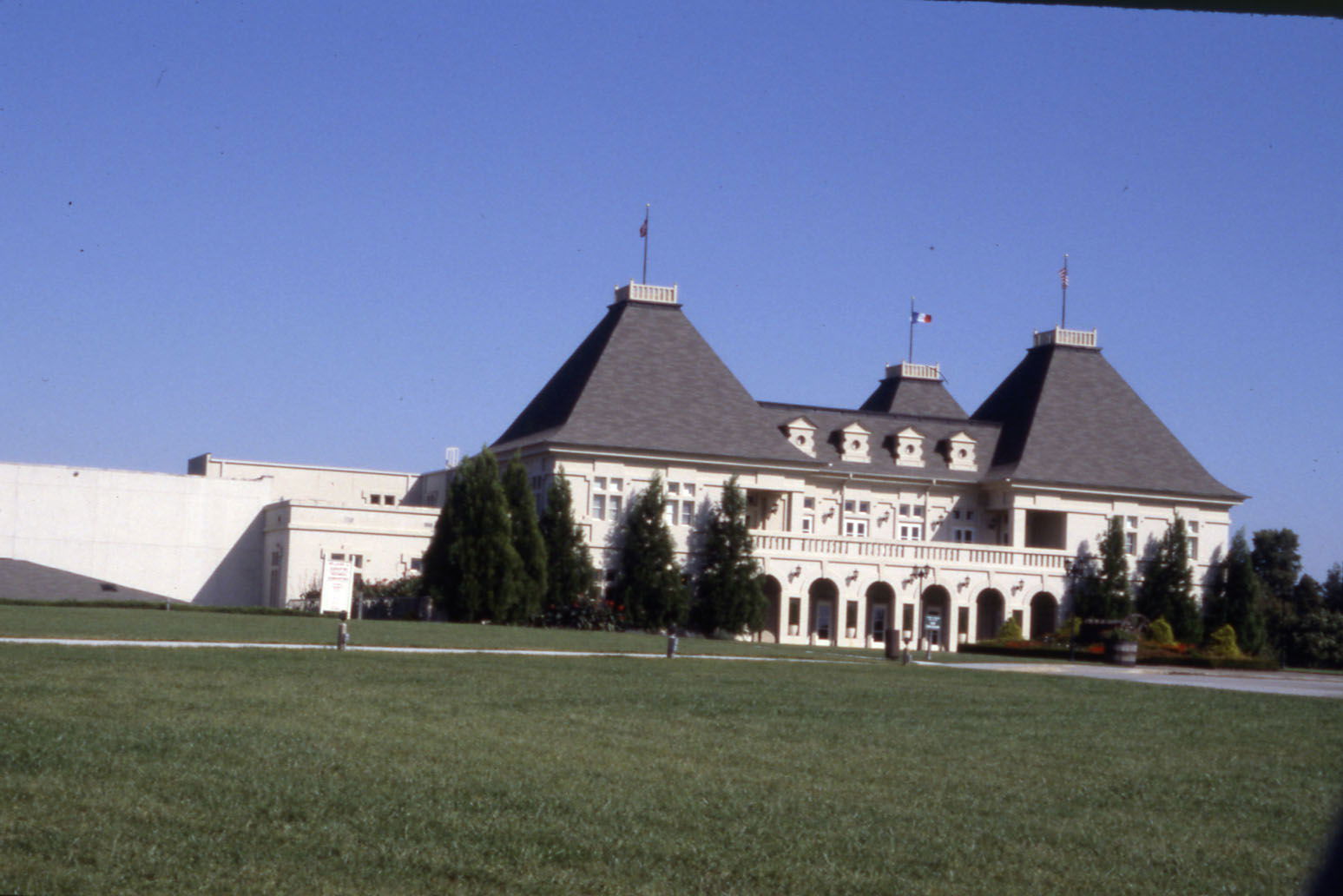
View on partner site

The New Georgia Encyclopedia does not hold the copyright for this media resource and can neither grant nor deny permission to republish or reproduce the image online or in print. Requests for permission to publish or reproduce the resource should be submitted to the Georgia Archives.

Chateau Elan

Chateau Elan

  • Info Details
  • Citation Terms of Use

Almost 200 acres of vineyards at Chateau Elan, a winery in Braselton, are planted with Vitis vinifera varieties and French-American hybrids. Chateau Elan produces an average of 40,000 cases of wine annually.

Courtesy of Gerard Krewer
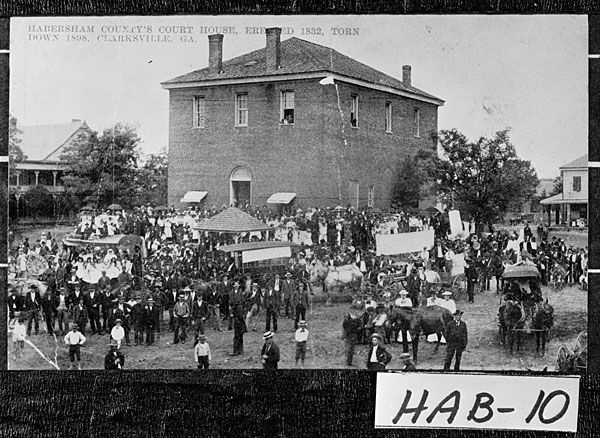
The New Georgia Encyclopedia does not hold the copyright for this media resource and can neither grant nor deny permission to republish or reproduce the image online or in print. All requests for permission to publish or reproduce the resource must be submitted to the rights holder.

Old Habersham Courthouse

Old Habersham Courthouse

  • Info Details
  • Citation Terms of Use

A gathering takes place in Clarkesville, the seat of Habersham County, outside the county's second courthouse. The structure was built in 1832 and destroyed in 1898.

Courtesy of Georgia Archives, Vanishing Georgia, #
hab010.
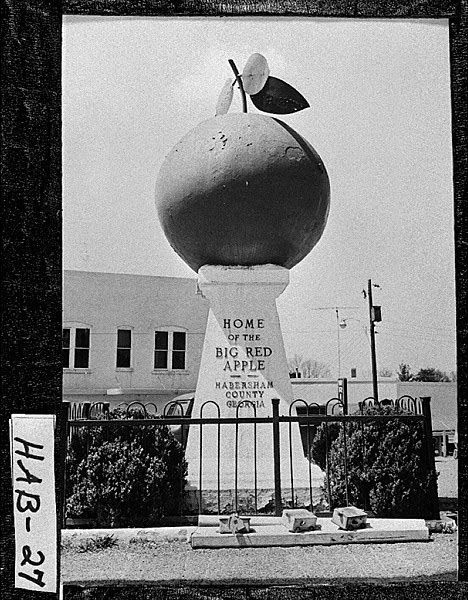
View on partner site

The New Georgia Encyclopedia does not hold the copyright for this media resource and can neither grant nor deny permission to republish or reproduce the image online or in print. Requests for permission to publish or reproduce the resource should be submitted to the Georgia Archives.

Apple Monument

Apple Monument

  • Info Details
  • Citation Terms of Use

The "Home of the Big Red Apple" monument, built in downtown Cornelia in 1925, commemorates the importance of apples to the economy of Habersham County.

Courtesy of Georgia Archives, Vanishing Georgia, #
hab027.

View on partner site

The New Georgia Encyclopedia does not hold the copyright for this media resource and can neither grant nor deny permission to republish or reproduce the image online or in print. Requests for permission to publish or reproduce the resource should be submitted to the Georgia Archives.

Habersham County Courthouse

Habersham County Courthouse

  • Info Details
  • Citation Terms of Use

The Habersham County Courthouse, built in 1963, is designed in the modern style. Situated in downtown Clarkesville, the courthouse is the county's fourth.

Photograph by Jimmy Emerson, DVM

The New Georgia Encyclopedia does not hold the copyright for this media resource and can neither grant nor deny permission to republish or reproduce the image online or in print. All requests for permission to publish or reproduce the resource must be submitted to the rights holder.

  • Info Details
  • Citation Terms of Use

The New Georgia Encyclopedia does not hold the copyright for this media resource and can neither grant nor deny permission to republish or reproduce the image online or in print. All requests for permission to publish or reproduce the resource must be submitted to the rights holder.

Stewart County Courthouse

Stewart County Courthouse

  • Info Details
  • Citation Terms of Use

The Stewart County Courthouse in Lumpkin, designed in the neoclassical revival style, was built in 1923. The county's fifth courthouse, the structure has been renovated twice, first in 1935-36 and again in 1983.

Courtesy of Matthew M. Moye

The New Georgia Encyclopedia does not hold the copyright for this media resource and can neither grant nor deny permission to republish or reproduce the image online or in print. All requests for permission to publish or reproduce the resource must be submitted to the rights holder.

Singer-Moye Mounds

Singer-Moye Mounds

  • Info Details
  • Citation Terms of Use

The excavation of the Singer-Moye Mounds in Stewart County has revealed the buried foundations of Indian buildings that were destroyed and abandoned more than 600 years ago. Thousands of ceramics fragments and animal bones have also been recovered.

Photograph by Elisabeth Hughes, New Georgia Encyclopedia

The New Georgia Encyclopedia does not hold the copyright for this media resource and can neither grant nor deny permission to republish or reproduce the image online or in print. All requests for permission to publish or reproduce the resource must be submitted to the rights holder.

Cotton Farm

Cotton Farm

  • Info Details
  • Citation Terms of Use

Although cotton is still grown in Stewart County today, overproduction and lack of rail access ultimately led to the crop's decline in the county during the 1850s. Earlier in the nineteenth century, the county was one of the state's top three cotton producers.

Courtesy of Matthew M. Moye

The New Georgia Encyclopedia does not hold the copyright for this media resource and can neither grant nor deny permission to republish or reproduce the image online or in print. All requests for permission to publish or reproduce the resource must be submitted to the rights holder.

Bedingfield Inn

Bedingfield Inn

  • Info Details
  • Citation Terms of Use

The Bedingfield Inn in Lumpkin, built in 1836 and restored in 1965, is considered to be the first small-town community preservation project in Georgia. It was restored as part of an effort by county leaders to establish a tourist industry in the area.

Courtesy of Matthew M. Moye

The New Georgia Encyclopedia does not hold the copyright for this media resource and can neither grant nor deny permission to republish or reproduce the image online or in print. All requests for permission to publish or reproduce the resource must be submitted to the rights holder.

Florence Marina State Park

Florence Marina State Park

  • Info Details
  • Citation Terms of Use

The Kirbo Educational Center at Florence Marina State Park in Stewart County provides historical information on the town of Florence, as well as displays of animals and Indian artifacts.

Courtesy of Matthew M. Moye

The New Georgia Encyclopedia does not hold the copyright for this media resource and can neither grant nor deny permission to republish or reproduce the image online or in print. All requests for permission to publish or reproduce the resource must be submitted to the rights holder.

Louvale Church Row

Louvale Church Row

  • Info Details
  • Citation Terms of Use

Church Row, located in the Louvale community of Stewart County, comprises the Antioch Primitive Baptist Church, Marvin Methodist Church, and New Hope Baptist Church. Each church was originally established in another community before moving to Louvale.

Courtesy of Matthew M. Moye
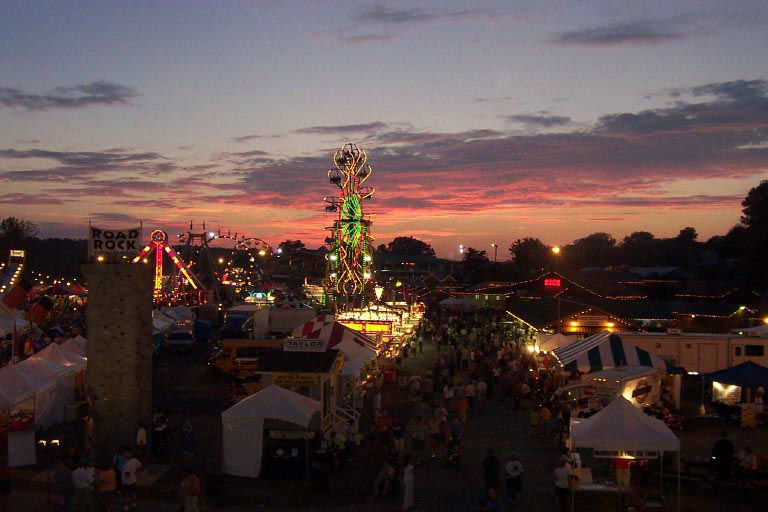
The New Georgia Encyclopedia does not hold the copyright for this media resource and can neither grant nor deny permission to republish or reproduce the image online or in print. All requests for permission to publish or reproduce the resource must be submitted to the rights holder.

Cumming Country Fair and Festival

Cumming Country Fair and Festival

  • Info Details
  • Citation Terms of Use

The Cumming Country Fair and Festival, held each October in Cumming, offers a variety of rides and games along the midway, as well as concerts, a petting zoo, and Heritage Village, which features historical exhibits.

Photograph by Nancy Horton

The New Georgia Encyclopedia does not hold the copyright for this media resource and can neither grant nor deny permission to republish or reproduce the image online or in print. All requests for permission to publish or reproduce the resource must be submitted to the rights holder.

Cumming City Hall

Cumming City Hall

  • Info Details
  • Citation Terms of Use

Cumming City Hall is located in downtown Cumming, the seat of Forsyth County. The four-story building houses the city's administrative offices and features a rotunda depicting various community leaders from 1900 to 2002.

Photograph by Thomson200 / CC0

The New Georgia Encyclopedia does not hold the copyright for this media resource and can neither grant nor deny permission to republish or reproduce the image online or in print. All requests for permission to publish or reproduce the resource must be submitted to the rights holder.

  • Info Details
  • Citation Terms of Use

The New Georgia Encyclopedia does not hold the copyright for this media resource and can neither grant nor deny permission to republish or reproduce the image online or in print. All requests for permission to publish or reproduce the resource must be submitted to the rights holder.

Forsyth County Protest

Forsyth County Protest

  • Info Details
  • Citation Terms of Use

On January 17, 1987, a group of Atlantans marched to protest the lack of African Americans in Cumming, the seat of Forsyth County. Led by the Reverend Hosea Williams, the march was disrupted by militant white racists, many from outside the county.

Courtesy of Atlanta Journal-Constitution.

The New Georgia Encyclopedia does not hold the copyright for this media resource and can neither grant nor deny permission to republish or reproduce the image online or in print. All requests for permission to publish or reproduce the resource must be submitted to the Atlanta Journal-Constitution.

Dodge Guest House

Dodge Guest House

  • Info Details
  • Citation Terms of Use

Built circa 1870, the Dodge Guest House is considered Dodge County's oldest residence. Located ten miles southeast of Eastman, it was built by William Dodge for executives of his Georgia Land and Lumber Company. Next door a "sister" house (demolished) served as the residence of Captain John C. Forsyth, the company agent. He was murdered there in 1890 at the behest of several conspirators against the Dodges.

Photograph by Harold B. Haley

The New Georgia Encyclopedia does not hold the copyright for this media resource and can neither grant nor deny permission to republish or reproduce the image online or in print. All requests for permission to publish or reproduce the resource must be submitted to the rights holder.

William Dodge

William Dodge

  • Info Details
  • Citation Terms of Use

William Dodge was president of the Georgia Land and Lumber Company, which owned 300,000 acres of longleaf pine in Georgia during the nineteenth century. In 1870 Dodge funded the construction of a courthouse in Dodge County, which was named in his honor.

Courtesy of Georgia Historical Quarterly

The New Georgia Encyclopedia does not hold the copyright for this media resource and can neither grant nor deny permission to republish or reproduce the image online or in print. All requests for permission to publish or reproduce the resource must be submitted to the rights holder.

Dodge County Courthouse

Dodge County Courthouse

  • Info Details
  • Citation Terms of Use

The Dodge County Courthouse, designed in the neoclassical revival style, was built in Eastman in 1908. The structure replaced a two-story wooden courthouse built around the time of the county's creation in 1870.

Courtesy of Don Bowman

The New Georgia Encyclopedia does not hold the copyright for this media resource and can neither grant nor deny permission to republish or reproduce the image online or in print. All requests for permission to publish or reproduce the resource must be submitted to the rights holder.

Turpentine Camp

Turpentine Camp

  • Info Details
  • Citation Terms of Use

A camp in Dodge County, pictured in 1937, housed workers in the turpentine industry that arose, alongside the lumber industry, in the area during the 1930s.

Courtesy of Library of Congress, Prints and Photographs Division, Farm Security Administration - Office of War Information Photograph Collection, #LC-USF34-017700-C.

The New Georgia Encyclopedia does not hold the copyright for this media resource and can neither grant nor deny permission to republish or reproduce the image online or in print. All requests for permission to publish or reproduce the resource must be submitted to the rights holder.

Williamson Mausoleum

Williamson Mausoleum

  • Info Details
  • Citation Terms of Use

The mausoleum of Martha Buchan (1858-1938) and Albert Genavie (1854-1925) Williamson is in the historic Orphans Cemetery, just north of Eastman. The Georgia marble structure, erected in 1912 and adorned by a three-ton, columned canopy enclosing the statuary of Italian marble, is listed on the National Register of Historic Places.

Photograph by Harold B. Haley

The New Georgia Encyclopedia does not hold the copyright for this media resource and can neither grant nor deny permission to republish or reproduce the image online or in print. All requests for permission to publish or reproduce the resource must be submitted to the rights holder.

Monroe County Courthouse

Monroe County Courthouse

  • Info Details
  • Citation Terms of Use

The Monroe County Courthouse, designed in the High Victorian Eclectic style, was built in Forsyth in 1896. Added to the National Register of Historic Places in 1980, the structure is the county's second courthouse.

Photograph by J Stephen Conn
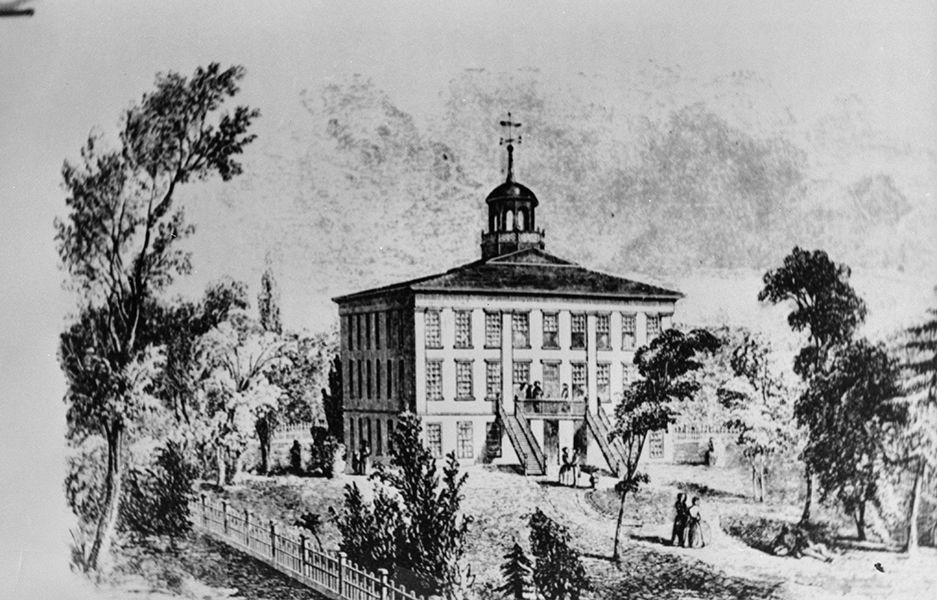
The New Georgia Encyclopedia does not hold the copyright for this media resource and can neither grant nor deny permission to republish or reproduce the image online or in print. All requests for permission to publish or reproduce the resource must be submitted to the rights holder.

Forsyth Female Collegiate Institute

Forsyth Female Collegiate Institute

  • Info Details
  • Citation Terms of Use

The Forsyth Female Collegiate Institute was founded in Monroe County in 1849 and later became Tift College. In 1986 the school merged with Mercer University in Macon.

Courtesy of Georgia Archives, Vanishing Georgia, #mnr079.

View on partner site

The New Georgia Encyclopedia does not hold the copyright for this media resource and can neither grant nor deny permission to republish or reproduce the image online or in print. Requests for permission to publish or reproduce the resource should be submitted to the Georgia Archives.

Monroe County Logging

Monroe County Logging

  • Info Details
  • Citation Terms of Use

Employees of the Gus Stuart Logging Company in Monroe County load freshly cut lumber in 1952. The timber industry became an important part of the county's economy in the mid-twentieth century after the demise of the cotton industy.

Courtesy of Georgia Archives, Vanishing Georgia, #
mnr147.

View on partner site

The New Georgia Encyclopedia does not hold the copyright for this media resource and can neither grant nor deny permission to republish or reproduce the image online or in print. Requests for permission to publish or reproduce the resource should be submitted to the Georgia Archives.

Lake Juliette

Lake Juliette

  • Info Details
  • Citation Terms of Use

Lake Juliette, a 3,600-acre reservoir in Monroe County, is one of the premier spots for waterfowl hunting in the state. It is operated by the Georgia Power Company.

Courtesy of Explore Georgia, Photograph by Ralph Daniel.

The New Georgia Encyclopedia does not hold the copyright for this media resource and can neither grant nor deny permission to republish or reproduce the image online or in print. Requests for permission to publish or reproduce the resource may need to be submitted to Explore Georgia.

Juliette Depot

Juliette Depot

  • Info Details
  • Citation Terms of Use

The railroad depot in Juliette, in Monroe County, is pictured circa 1900.

Courtesy of Georgia Archives, Vanishing Georgia, #
mnr183.

View on partner site

The New Georgia Encyclopedia does not hold the copyright for this media resource and can neither grant nor deny permission to republish or reproduce the image online or in print. Requests for permission to publish or reproduce the resource should be submitted to the Georgia Archives.

Forsyth

Forsyth

  • Info Details
  • Citation Terms of Use

West Adams Street in the town of Forsyth, in Monroe County, is pictured circa 1913. On the left is Forsyth Methodist Church, and on the right is Maynard's Cotton Warehouse.

Courtesy of Georgia Archives, Vanishing Georgia, #
mnr102.

View on partner site

The New Georgia Encyclopedia does not hold the copyright for this media resource and can neither grant nor deny permission to republish or reproduce the image online or in print. Requests for permission to publish or reproduce the resource should be submitted to the Georgia Archives.

Sawnee Mountain Preserve

Sawnee Mountain Preserve

  • Info Details
  • Citation Terms of Use

Sawnee Mountain Preserve, a 720-acre park in Forsyth County, opened to the public in 2005. Built on abandoned mining lands, the park offers hiking, rock climbing, and environmental education to vistors.

Photograph by Melinda S. Mullikin, New Georgia Encyclopedia

The New Georgia Encyclopedia does not hold the copyright for this media resource and can neither grant nor deny permission to republish or reproduce the image online or in print. All requests for permission to publish or reproduce the resource must be submitted to the rights holder.

Forsyth County Protest

Forsyth County Protest

  • Info Details
  • Citation Terms of Use

Marchers demonstrate for fair housing in Forsyth County in 1987. The march, led by Hosea Williams, ended in a confrontation with Ku Klux Klansmen throwing rocks and bottles at the demonstrators. The incident brought national attention to Forsyth County and resulted in the indictment of two Klan organizations.

Courtesy of Atlanta Journal-Constitution.

The New Georgia Encyclopedia does not hold the copyright for this media resource and can neither grant nor deny permission to republish or reproduce the image online or in print. All requests for permission to publish or reproduce the resource must be submitted to the Atlanta Journal-Constitution.

Forsyth County Courthouse

Forsyth County Courthouse

  • Info Details
  • Citation Terms of Use

The Forsyth County Courthouse in Cumming, the county's third, was built in 1977 to replace an earlier courthouse that burned in 1973. In 1996 an administration building was constructed across the street from the courthouse.

Photograph by Melinda S. Mullikin, New Georgia Encyclopedia

The New Georgia Encyclopedia does not hold the copyright for this media resource and can neither grant nor deny permission to republish or reproduce the image online or in print. All requests for permission to publish or reproduce the resource must be submitted to the rights holder.

Steamboat at Hawkinsville

Steamboat at Hawkinsville

  • Info Details
  • Citation Terms of Use

Workers load a steamboat docked at Hawkinsville on the Ocmulgee River, circa 1910. The seat of Pulaski County, Hawkinsville became a major center for river transportation in the state during the nineteenth century.

Courtesy of Georgia Archives, Vanishing Georgia, #
pul003.
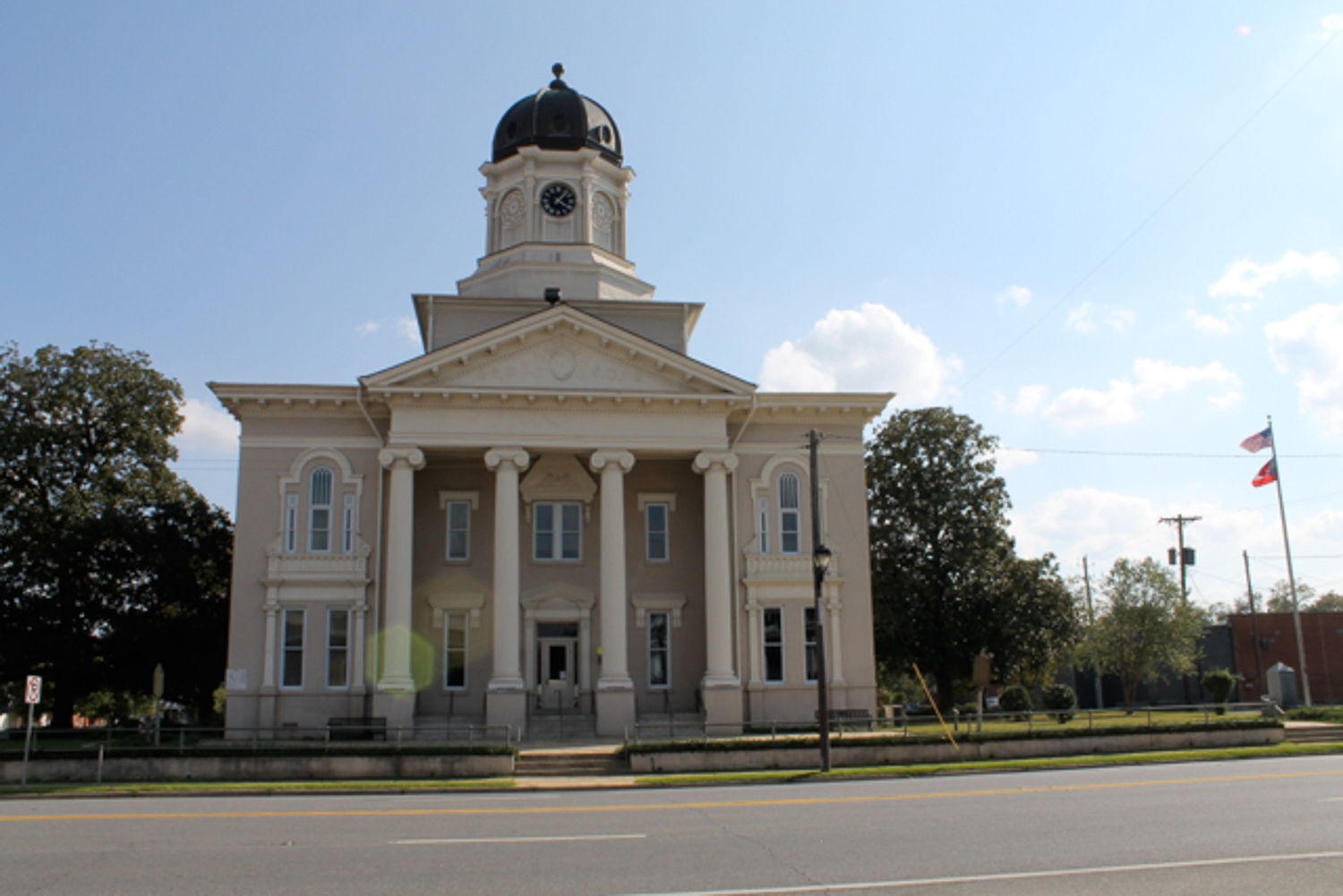
View on partner site

The New Georgia Encyclopedia does not hold the copyright for this media resource and can neither grant nor deny permission to republish or reproduce the image online or in print. Requests for permission to publish or reproduce the resource should be submitted to the Georgia Archives.

Pulaski County Courthouse

Pulaski County Courthouse

  • Info Details
  • Citation Terms of Use

The Pulaski County Courthouse, built in 1874, is the county's third courthouse. A three-story annex was added to the courthouse in 1910, and the original building was restored in 1936. Designed in the neoclassical revival style, the courthouse is located in Hawkinsville, which became the county seat in 1836.

Courtesy of Don Bowman

The New Georgia Encyclopedia does not hold the copyright for this media resource and can neither grant nor deny permission to republish or reproduce the image online or in print. All requests for permission to publish or reproduce the resource must be submitted to the rights holder.

Harness Horse Racing Track

Harness Horse Racing Track

  • Info Details
  • Citation Terms of Use

Hawkinsville, in Pulaski County, calls itself the harness horse racing capital of Georgia. A section of city's Horse Training Facility is pictured.

Courtesy of UGA Archway Partnership

The New Georgia Encyclopedia does not hold the copyright for this media resource and can neither grant nor deny permission to republish or reproduce the image online or in print. All requests for permission to publish or reproduce the resource must be submitted to the rights holder.

Jeff Davis Courthouse

Jeff Davis Courthouse

  • Info Details
  • Citation Terms of Use

The Jeff Davis County Courthouse in Hazlehurst was constructed in 1907. Renovations were completed in 1975 and 1995, and the building was placed on the National Register of Historic Places in 1980. Designed in the neoclassical revival style, the courthouse is the county's first.

Courtesy of Don Bowman
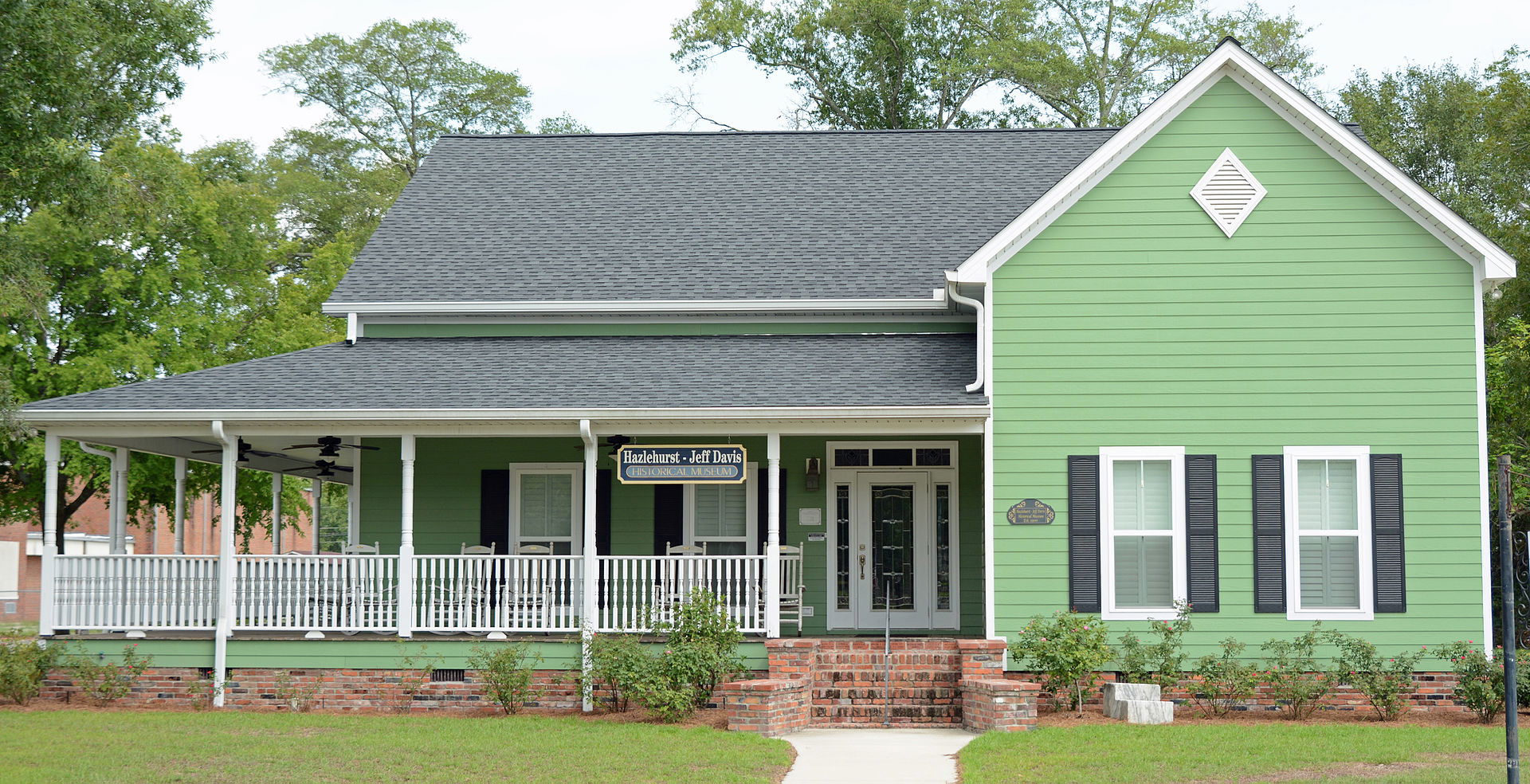
The New Georgia Encyclopedia does not hold the copyright for this media resource and can neither grant nor deny permission to republish or reproduce the image online or in print. All requests for permission to publish or reproduce the resource must be submitted to the rights holder.

Pace House

Pace House

  • Info Details
  • Citation Terms of Use

The Pace House in Hazlehurst was built in 1900 by one of the city's orginal aldermen and was added to the National Register of Historic Places in 2003. In 1996 the Hazlehurst-Jeff Davis County Historical Museum Society purchased the house and opened the Hazlehurst Jeff Davis Museum. A fire in 2011 destroyed the building and damaged many of the museum's artifacts.

Image from Bubba73 (Jud McCranie)

The New Georgia Encyclopedia does not hold the copyright for this media resource and can neither grant nor deny permission to republish or reproduce the image online or in print. All requests for permission to publish or reproduce the resource must be submitted to the rights holder.

Meriwether Inn

Meriwether Inn

  • Info Details
  • Citation Terms of Use

The Meriwether Inn, a Victorian hotel built in 1869, dominated the resort grounds when Franklin D. Roosevelt first visited Warm Springs in 1924. Early patients of the Warm Springs Foundation stayed in the inn and a number of cottages scattered across the grounds.
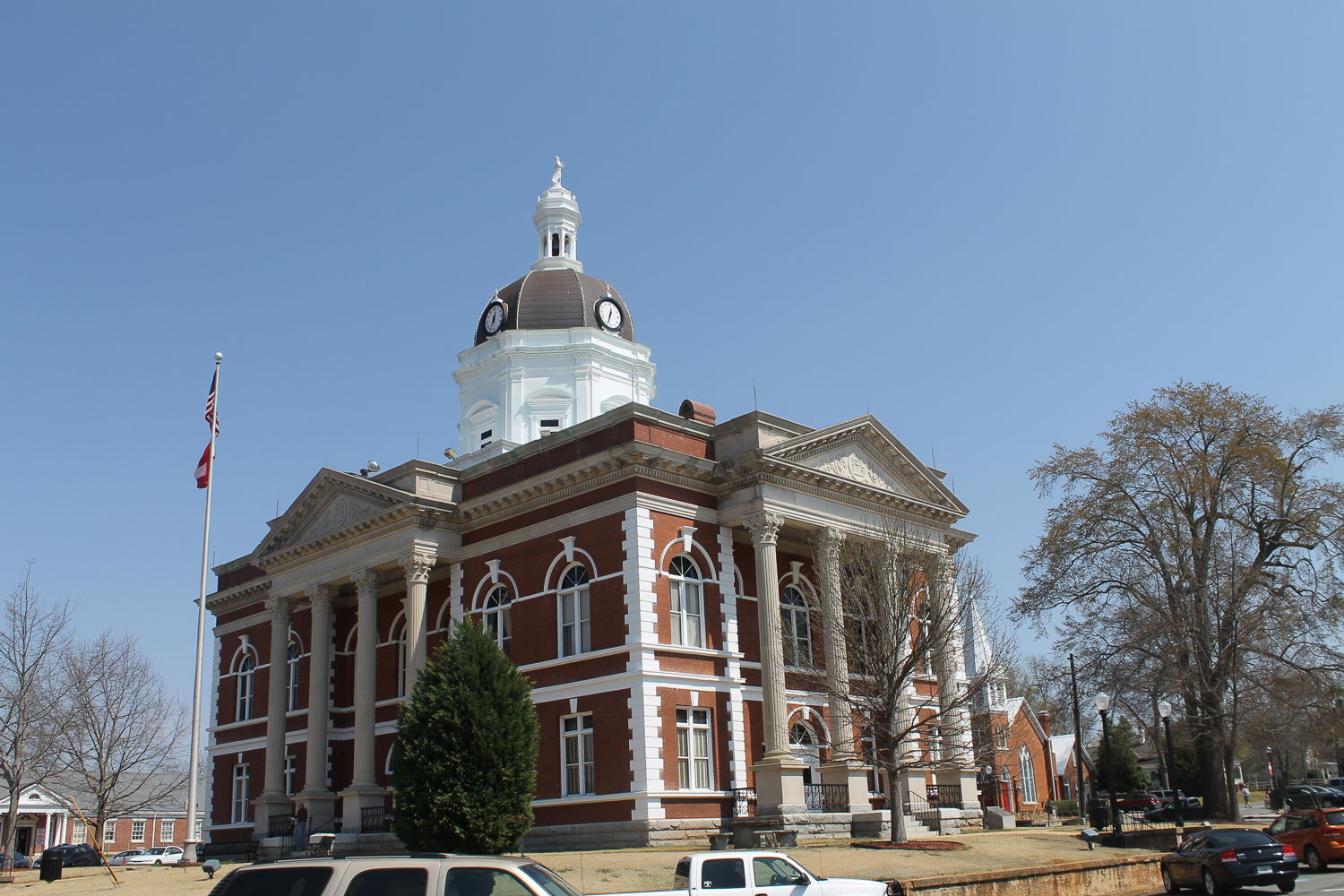
The New Georgia Encyclopedia does not hold the copyright for this media resource and can neither grant nor deny permission to republish or reproduce the image online or in print. All requests for permission to publish or reproduce the resource must be submitted to the rights holder.

Meriwether County Courthouse

Meriwether County Courthouse

  • Info Details
  • Citation Terms of Use

Completed in 1904, the Meriwether County Courthouse in Greenville was designed in the neoclassical revival style. The building was restored in 1980 after a fire in 1976 destroyed its outer walls. It is the county's second courthouse.

Courtesy of Don Bowman
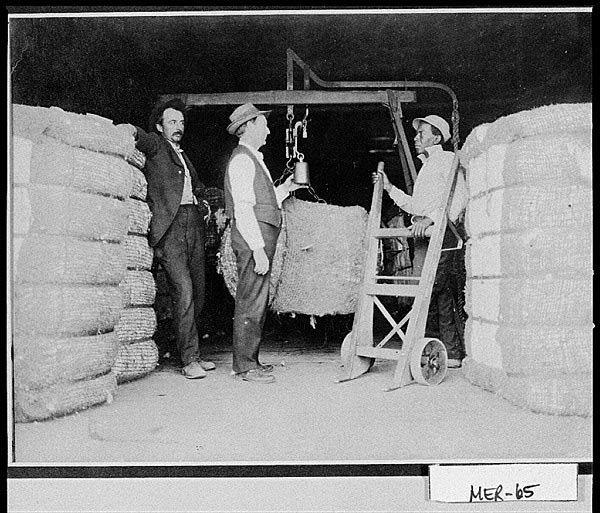
The New Georgia Encyclopedia does not hold the copyright for this media resource and can neither grant nor deny permission to republish or reproduce the image online or in print. All requests for permission to publish or reproduce the resource must be submitted to the rights holder.

Cotton Weighing

Cotton Weighing

  • Info Details
  • Citation Terms of Use

Cotton, a significant economic factor in the early economy of Meriwether County, is weighed by B. B. Lovett Sr. (center), E. D. Gill (left), and Henry Hegman at Lovett's warehouse in Woodbury, circa 1925. Lovett also owned substantial acreage in the county at that time.

Courtesy of Georgia Archives, Vanishing Georgia, #
mer065.

View on partner site

The New Georgia Encyclopedia does not hold the copyright for this media resource and can neither grant nor deny permission to republish or reproduce the image online or in print. Requests for permission to publish or reproduce the resource should be submitted to the Georgia Archives.

Little White House

Little White House

  • Info Details
  • Citation Terms of Use

In 1932, the same year in which he was elected president of the United States, Franklin D. Roosevelt built a home in Warm Springs that came to be known as the Little White House. The home was opened to the public in 1948, three years after Roosevelt's death there.

Courtesy of Georgia Archives.
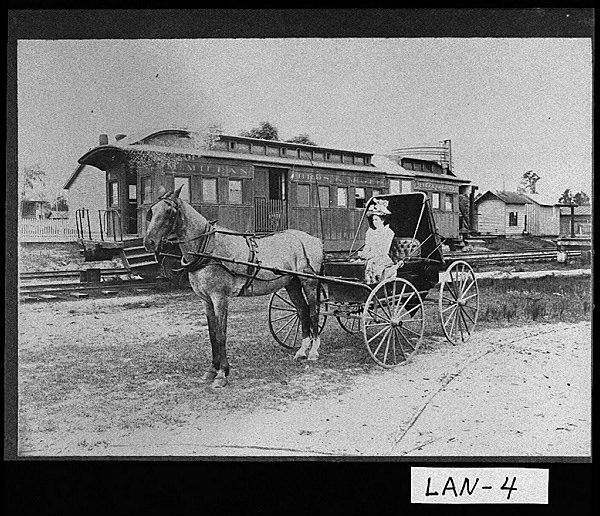
The New Georgia Encyclopedia does not hold the copyright for this media resource and can neither grant nor deny permission to republish or reproduce the image online or in print. Requests for permission to publish or reproduce the resource should be submitted to the Georgia Archives.

Lanier County

Lanier County

  • Info Details
  • Citation Terms of Use

A woman drives a carriage in Lanier County, circa 1900. Industrialization drove the development of the county's two main communities during the nineteenth century. Alapaha (later Lakeland, the county seat) began as a mill village, while Registerville (later Stockton) was a railroad town.

Courtesy of Georgia Archives, Vanishing Georgia, #
lan004.

View on partner site

The New Georgia Encyclopedia does not hold the copyright for this media resource and can neither grant nor deny permission to republish or reproduce the image online or in print. Requests for permission to publish or reproduce the resource should be submitted to the Georgia Archives.

Lanier County Courthouse

Lanier County Courthouse

  • Info Details
  • Citation Terms of Use

The Lanier County Courthouse, designed in the modern style, was built in Lakeland in 1973 to replace the county's first courthouse, built in 1921.

Courtesy of Don Bowman

The New Georgia Encyclopedia does not hold the copyright for this media resource and can neither grant nor deny permission to republish or reproduce the image online or in print. All requests for permission to publish or reproduce the resource must be submitted to the rights holder.

Banks Lake

Banks Lake

  • Info Details
  • Citation Terms of Use

Banks Lake, a 3,900-acre natural lake, is located within the Banks Lake National Wildlife Refuge in Lanier County. The refuge receives approximately 20,000 visitors each year.

Courtesy of Explore Georgia, Photograph by Ralph Daniel.

The New Georgia Encyclopedia does not hold the copyright for this media resource and can neither grant nor deny permission to republish or reproduce the image online or in print. Requests for permission to publish or reproduce the resource may need to be submitted to Explore Georgia.

Downtown Washington

Downtown Washington

  • Info Details
  • Citation Terms of Use

The Fitzpatrick Hotel, pictured in the background, is a historic structure in downtown Washington. Originally called Heard's Fort, the city is said to be the first place in the nation named in honor of U.S. president George Washington. Incorporated in 1805, Washington is the seat of Wilkes County.

Image from Brent Moore

View on source site

The New Georgia Encyclopedia does not hold the copyright for this media resource and can neither grant nor deny permission to republish or reproduce the image online or in print. All requests for permission to publish or reproduce the resource must be submitted to the rights holder.

Robert Toombs Historic Site

Robert Toombs Historic Site

  • Info Details
  • Citation Terms of Use

The home of Robert Toombs, a Confederate general and U.S. senator, was built in 1797. Located in Washington, the seat of Wilkes County, the home is open to the public as a state historic site.

Courtesy of Explore Georgia, Photograph by Ralph Daniel.
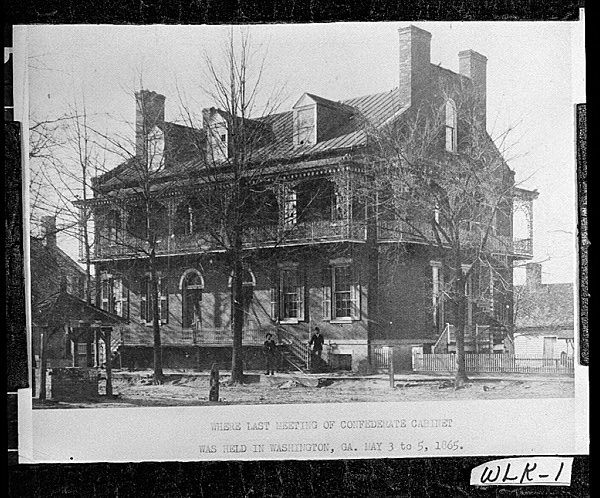
The New Georgia Encyclopedia does not hold the copyright for this media resource and can neither grant nor deny permission to republish or reproduce the image online or in print. Requests for permission to publish or reproduce the resource may need to be submitted to Explore Georgia.

Heard House

Heard House

  • Info Details
  • Citation Terms of Use

In May 1865 the final cabinet meeting of the Confederacy, presided over by Jefferson Davis, was held in the State of Georgia Bank building in Washington. The building, pictured circa 1900, later served as the residence of B. W. Heard.

Courtesy of Georgia Archives, Vanishing Georgia, #
wlk001.

View on partner site

The New Georgia Encyclopedia does not hold the copyright for this media resource and can neither grant nor deny permission to republish or reproduce the image online or in print. Requests for permission to publish or reproduce the resource should be submitted to the Georgia Archives.

  • Info Details
  • Citation Terms of Use

The New Georgia Encyclopedia does not hold the copyright for this media resource and can neither grant nor deny permission to republish or reproduce the image online or in print. All requests for permission to publish or reproduce the resource must be submitted to the rights holder.

Carnival, Washington

Carnival, Washington

  • Info Details
  • Citation Terms of Use

A carnival on the square in Washington is pictured circa 1901. The Fitzpatrick Hotel is on the left, and the old Wilkes County Courthouse is visible behind the Ferris wheel. A sign advertises "wild Aztec girls," and says they are "twenty-four years old, stand three feet tall, weigh thirty-seven pounds, and their heads are no larger than an orange."

Courtesy of Georgia Archives, Vanishing Georgia, #
wlk119.

View on partner site

The New Georgia Encyclopedia does not hold the copyright for this media resource and can neither grant nor deny permission to republish or reproduce the image online or in print. Requests for permission to publish or reproduce the resource should be submitted to the Georgia Archives.

Sylvania

Sylvania

  • Info Details
  • Citation Terms of Use

A revitalization effort in downtown Sylvania, completed in 2005, brought new sidewalks and other improvements to the city. The seat of Screven County, Sylvania is known as the "Azalea and Dogwood City," as well as the "Welcome Station City."

Photograph by Nancy Edenfield
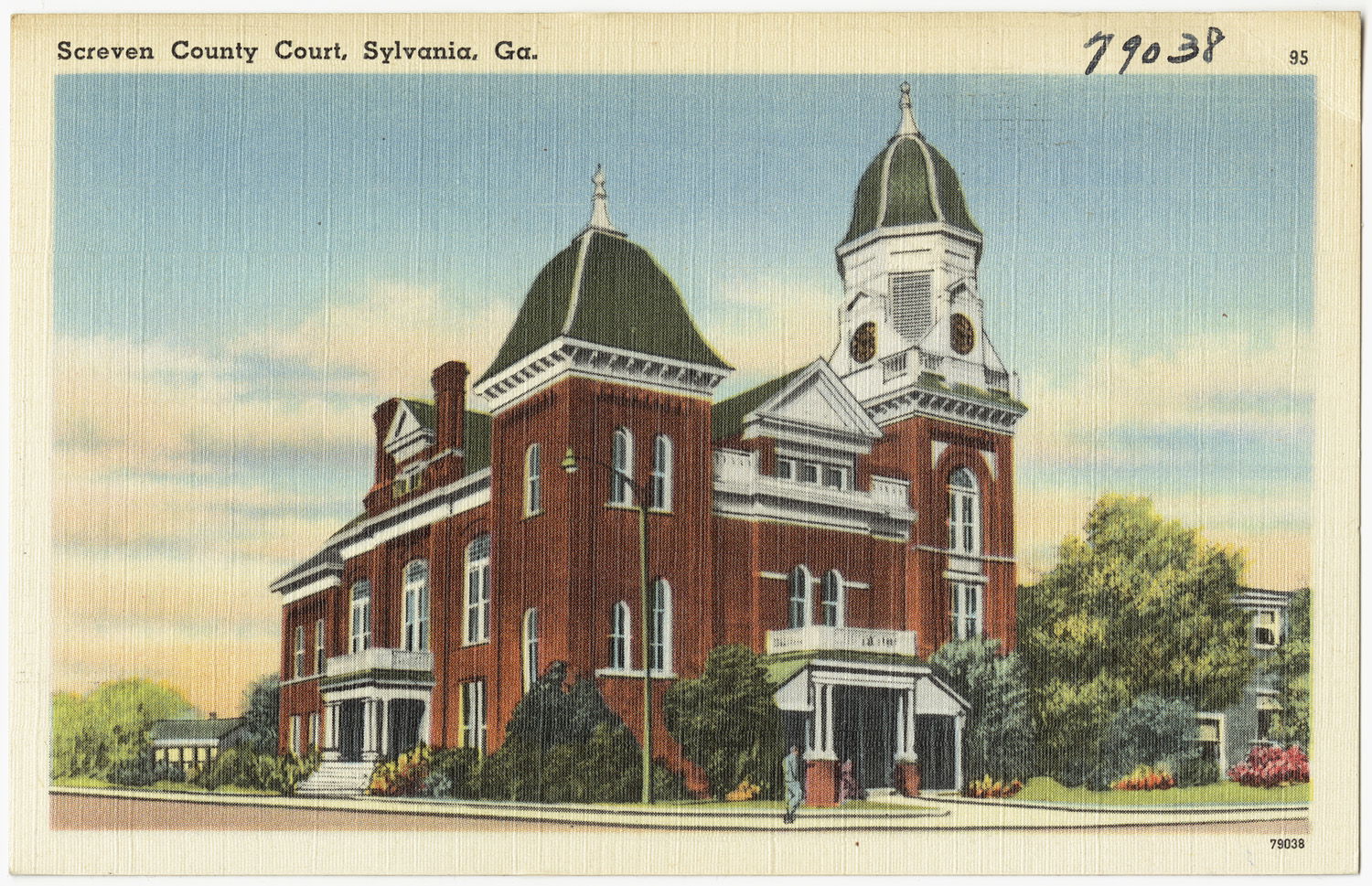
The New Georgia Encyclopedia does not hold the copyright for this media resource and can neither grant nor deny permission to republish or reproduce the image online or in print. All requests for permission to publish or reproduce the resource must be submitted to the rights holder.

Sylvania Courthouse, ca. 1900

Sylvania Courthouse, ca. 1900

  • Info Details
  • Citation Terms of Use

An early-twentieth-century postcard, date issued 1930-1945, depicts the Screven County Courthouse in Sylvania. This courthouse was built in 1897 to replace one that burned in a citywide fire that same year, and served the county until 1963.

Image from Boston Public Library

View on source site

The New Georgia Encyclopedia does not hold the copyright for this media resource and can neither grant nor deny permission to republish or reproduce the image online or in print. All requests for permission to publish or reproduce the resource must be submitted to the rights holder.

Livestock Festival Parade

Livestock Festival Parade

  • Info Details
  • Citation Terms of Use

Residents of Screven County participate in the parade for the 2006 Livestock Festival, held each April in Sylvania. The Miss Screven County Livestock Festival Queen is also crowned during the festival.

Photograph by Nancy Edenfield
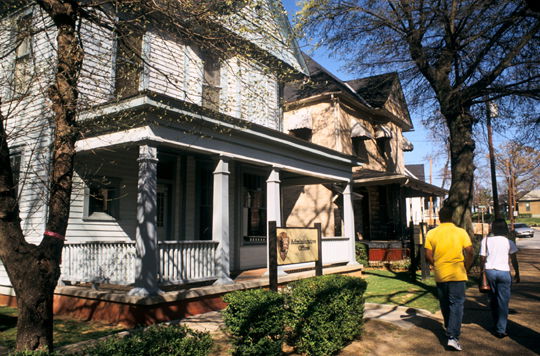
The New Georgia Encyclopedia does not hold the copyright for this media resource and can neither grant nor deny permission to republish or reproduce the image online or in print. All requests for permission to publish or reproduce the resource must be submitted to the rights holder.

Sweet Auburn

Sweet Auburn

  • Info Details
  • Citation Terms of Use

The Sweet Auburn neighborhood was the heart of the Black residential and business community in the first part of the twentieth century. Pictured in the foreground is an administrative office of the National Park Service, which maintains the Martin Luther King Jr. National Historic Site in the neighborhood.

Courtesy of Georgia Department of Economic Development.

The New Georgia Encyclopedia does not hold the copyright for this media resource and can neither grant nor deny permission to republish or reproduce the image online or in print. Requests for permission to publish or reproduce the resource may need to be submitted to the Georgia Department of Economic Development.

Atlanta Life Insurance

Atlanta Life Insurance

  • Info Details
  • Citation Terms of Use

The old Atlanta Life Insurance building, pictured in 2005, is boarded up on Auburn Avenue. Established by Alonzo Herndon in 1905, Atlanta Life was one of three financial institutions, all headquartered in the Sweet Auburn district, that served the Black middle class in Atlanta before the civil rights movement.

Courtesy of Atlanta Journal-Constitution.

The New Georgia Encyclopedia does not hold the copyright for this media resource and can neither grant nor deny permission to republish or reproduce the image online or in print. All requests for permission to publish or reproduce the resource must be submitted to the Atlanta Journal-Constitution.

Royal Peacock

Royal Peacock

  • Info Details
  • Citation Terms of Use

The Royal Peacock, a club located in Atlanta's Sweet Auburn historic district, was formerly known as the Top Hat Club, one of the city's premier African American music venues early in the twentieth century.

Courtesy of Atlanta Journal-Constitution.

The New Georgia Encyclopedia does not hold the copyright for this media resource and can neither grant nor deny permission to republish or reproduce the image online or in print. All requests for permission to publish or reproduce the resource must be submitted to the Atlanta Journal-Constitution.

Martin Luther King Jr. Birthplace

Martin Luther King Jr. Birthplace

  • Info Details
  • Citation Terms of Use

The birthplace of Martin Luther King Jr. in Atlanta is one of the many historic properties that J. W. Robinson has worked to restore.

Image from Wally Gobetz

View on source site

The New Georgia Encyclopedia does not hold the copyright for this media resource and can neither grant nor deny permission to republish or reproduce the image online or in print. All requests for permission to publish or reproduce the resource must be submitted to the rights holder.

Sweet Auburn Festival

Sweet Auburn Festival

  • Info Details
  • Citation Terms of Use

Visitors enjoy the activities offered at the Sweet Auburn Heritage Festival, held each year in the Auburn Avenue historic district. The festival was founded in 1984 by civil rights leader Hosea Williams.

Courtesy of Atlanta Journal-Constitution.
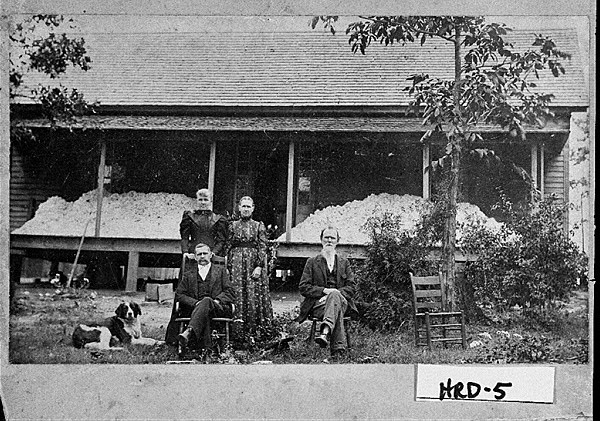
The New Georgia Encyclopedia does not hold the copyright for this media resource and can neither grant nor deny permission to republish or reproduce the image online or in print. All requests for permission to publish or reproduce the resource must be submitted to the Atlanta Journal-Constitution.

Cotton Farmers

Cotton Farmers

  • Info Details
  • Citation Terms of Use

Members of a Heard County family pose in front of their cotton crop, circa 1900. Residents of the county began raising cotton in the nineteenth century, but many were forced to abandon the crop during the first decades of the twentieth century, in the wake of the boll weevil devastations and the Great Depression.

Courtesy of Georgia Archives, Vanishing Georgia, #
hrd005.

View on partner site

The New Georgia Encyclopedia does not hold the copyright for this media resource and can neither grant nor deny permission to republish or reproduce the image online or in print. Requests for permission to publish or reproduce the resource should be submitted to the Georgia Archives.

Heard County Courthouse

Heard County Courthouse

  • Info Details
  • Citation Terms of Use

Heard County's third courthouse, built in 1964, is an example of the modern architectural style. It is located in Franklin, the seat of Heard County, which was created by the state legislature in 1830.

Courtesy of Don Bowman

The New Georgia Encyclopedia does not hold the copyright for this media resource and can neither grant nor deny permission to republish or reproduce the image online or in print. All requests for permission to publish or reproduce the resource must be submitted to the rights holder.

Mayhayley's Grave

Mayhayley’s Grave

  • Info Details
  • Citation Terms of Use

In 2001 Heard County resident Dot Moore published Oracle of the Ages, a collection of anecdotes about Mayhayley Lancaster, a well-known fortune teller and activist in Heard County. The book was selected by the Georgia Historical Society for the Lilla M. Hayes Award in 2002.

Image from Terrycchambers
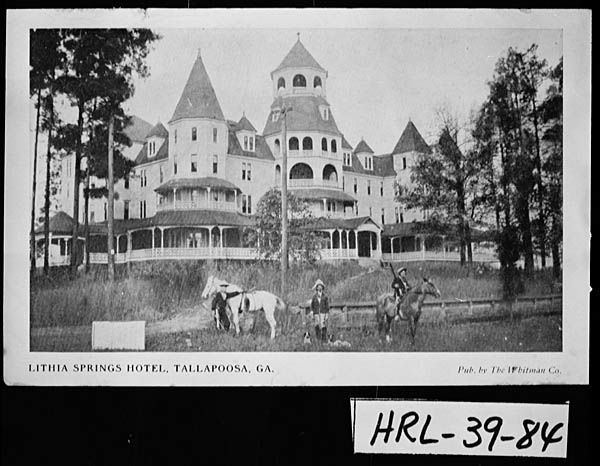
The New Georgia Encyclopedia does not hold the copyright for this media resource and can neither grant nor deny permission to republish or reproduce the image online or in print. All requests for permission to publish or reproduce the resource must be submitted to the rights holder.

Lithia Springs Hotel

Lithia Springs Hotel

  • Info Details
  • Citation Terms of Use

The Lithia Springs Hotel in Tallapoosa, pictured circa 1910, was one of several hotels and resorts built in Haralson County during the last decades of the nineteenth century to attract visitors to the area's mineral springs. It was torn down in 1943.

Courtesy of Georgia Archives, Vanishing Georgia, #
hrl039-84.
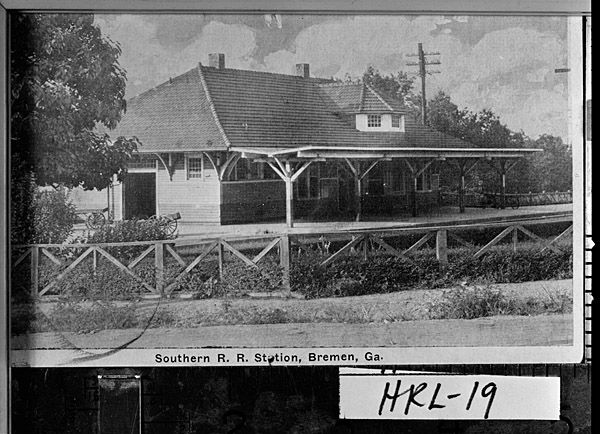
View on partner site

The New Georgia Encyclopedia does not hold the copyright for this media resource and can neither grant nor deny permission to republish or reproduce the image online or in print. Requests for permission to publish or reproduce the resource should be submitted to the Georgia Archives.

Bremen Depot

Bremen Depot

  • Info Details
  • Citation Terms of Use

The depot at Bremen in Haralson County, pictured circa 1925, was built for the Southern Railway. Norfolk Southern, which bought Southern, still uses the lines for its freight trains.

Courtesy of Georgia Archives, Vanishing Georgia, #
hrl019.

View on partner site

The New Georgia Encyclopedia does not hold the copyright for this media resource and can neither grant nor deny permission to republish or reproduce the image online or in print. Requests for permission to publish or reproduce the resource should be submitted to the Georgia Archives.

Haralson County Courthouse

Haralson County Courthouse

  • Info Details
  • Citation Terms of Use

The Haralson County Courthouse, designed in the modern style, was built in Buchanan in 1972. An earlier courthouse, completed in 1891, today houses the county's historical society and a museum.

Photograph by Jimmy Emerson, DVM
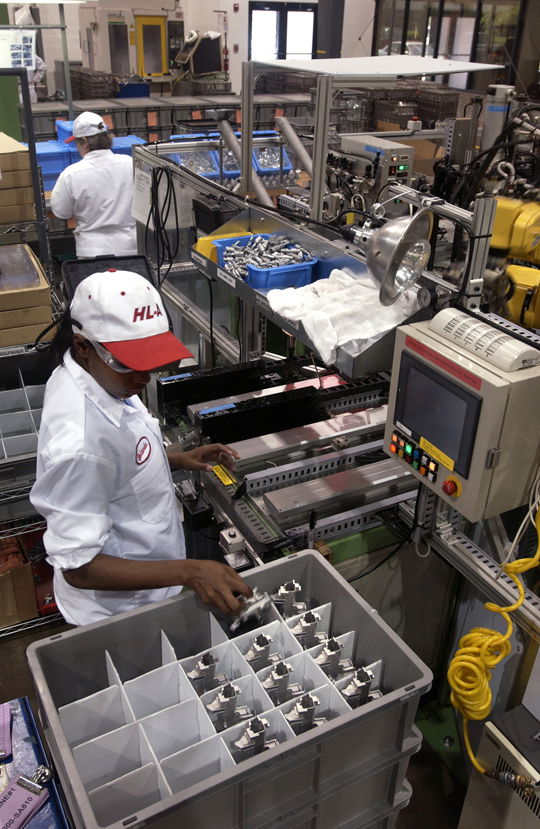
The New Georgia Encyclopedia does not hold the copyright for this media resource and can neither grant nor deny permission to republish or reproduce the image online or in print. All requests for permission to publish or reproduce the resource must be submitted to the rights holder.

HL-A Company

HL-A Company

  • Info Details
  • Citation Terms of Use

Employees of HL-A Lock, a manufacturer of locks, door handles, and mirrors for Honda, work in the factory. The company, located in Bremen, is one of Haralson County's major employers.

Courtesy of Georgia Department of Economic Development.

The New Georgia Encyclopedia does not hold the copyright for this media resource and can neither grant nor deny permission to republish or reproduce the image online or in print. Requests for permission to publish or reproduce the resource may need to be submitted to the Georgia Department of Economic Development.

Tom Murphy

Tom Murphy

  • Info Details
  • Citation Terms of Use

Tom Murphy is pictured in his Bremen (Haralson County) law office following his defeat by Republican Bill Heath in the 2002 election for Speaker of the Georgia House.

Courtesy of Atlanta Journal-Constitution.

The New Georgia Encyclopedia does not hold the copyright for this media resource and can neither grant nor deny permission to republish or reproduce the image online or in print. All requests for permission to publish or reproduce the resource must be submitted to the Atlanta Journal-Constitution.

Jasper County Courthouse

Jasper County Courthouse

  • Info Details
  • Citation Terms of Use

Designed in the neoclassical revival style, the Jasper County Courthouse was built in Monticello in 1907. The building, constructed of brick and Georgia marble, is the county's fourth courthouse.

Courtesy of Don Bowman

The New Georgia Encyclopedia does not hold the copyright for this media resource and can neither grant nor deny permission to republish or reproduce the image online or in print. All requests for permission to publish or reproduce the resource must be submitted to the rights holder.

Seven Islands Nature Trail

Seven Islands Nature Trail

  • Info Details
  • Citation Terms of Use

The Seven Islands Nature Trail in Monticello provides one of many opportunities for outdoor recreation in Jasper County. Each year the city hosts the hunters, fishers, and boaters who visit the nearby Oconee National Forest and Lake Jackson.

Courtesy of Georgia Department of Economic Development.
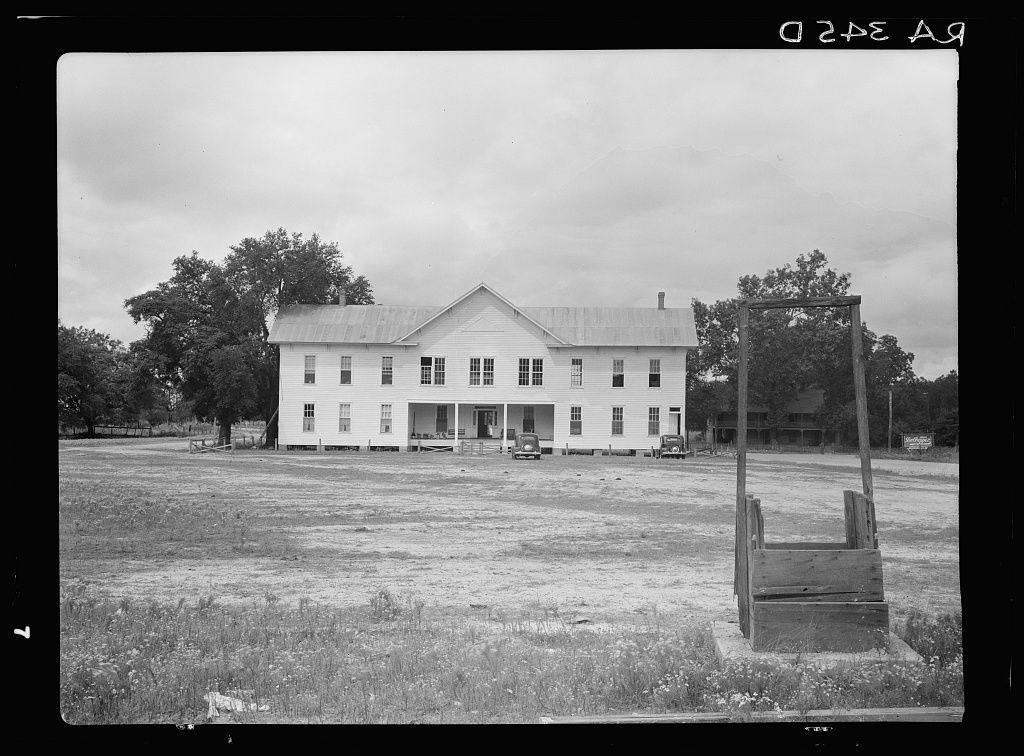
The New Georgia Encyclopedia does not hold the copyright for this media resource and can neither grant nor deny permission to republish or reproduce the image online or in print. Requests for permission to publish or reproduce the resource may need to be submitted to the Georgia Department of Economic Development.

Irwinville Courthouse

Irwinville Courthouse

  • Info Details
  • Citation Terms of Use

This courthouse, built in Irwinville in 1883, was Irwin County's third official courthouse and continued to house county government offices after the seat was relocated to Ocilla in 1907. Pictured in 1935, the building was remodeled into apartments during the Great Depression.

Courtesy of Library of Congress, Prints and Photographs Division, Farm Security Administration - Office of War Information Photograph Collection, Photograph by Arthur Rothstein.

View on source site

The New Georgia Encyclopedia does not hold the copyright for this media resource and can neither grant nor deny permission to republish or reproduce the image online or in print. All requests for permission to publish or reproduce the resource must be submitted to the rights holder.

Irwin County Courthouse

Irwin County Courthouse

  • Info Details
  • Citation Terms of Use

The Irwin County Courthouse was built in Ocilla in 1910, three years after Ocilla was designated county seat. Designed in the neoclassical revival style, the building was renovated in 1972.

Courtesy of Don Bowman
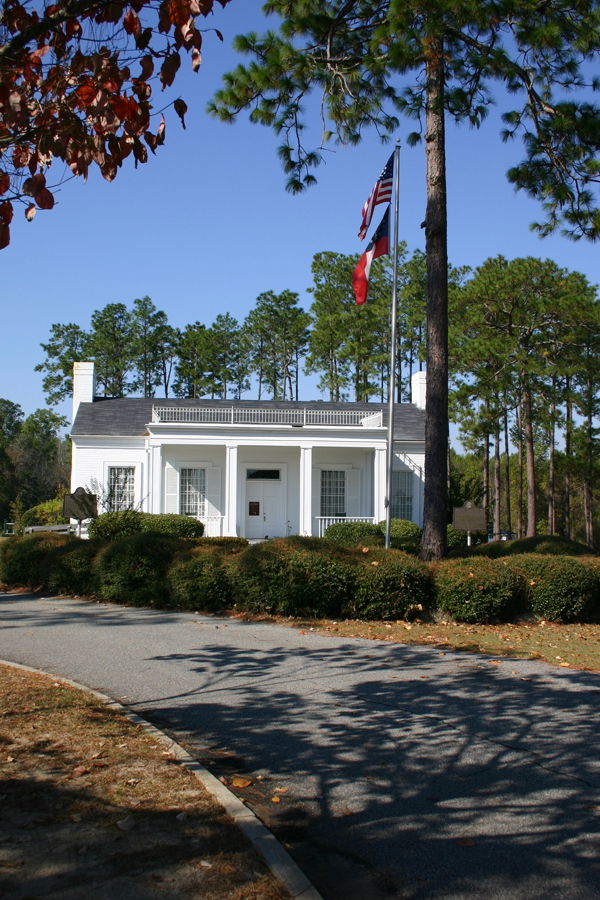
The New Georgia Encyclopedia does not hold the copyright for this media resource and can neither grant nor deny permission to republish or reproduce the image online or in print. All requests for permission to publish or reproduce the resource must be submitted to the rights holder.

Jefferson Davis Memorial Historic Site

Jefferson Davis Memorial Historic Site

  • Info Details
  • Citation Terms of Use

Jefferson Davis, the president of the Confederacy, was captured by Union troops in Irwin County near the close of the Civil War in 1865. The location is marked today by the Jefferson Davis Memorial Historic Site, which includes a museum and a thirteen-acre park.

Courtesy of Jefferson Davis Memorial Historic Site

The New Georgia Encyclopedia does not hold the copyright for this media resource and can neither grant nor deny permission to republish or reproduce the image online or in print. All requests for permission to publish or reproduce the resource must be submitted to the rights holder.

Harris County Courthouse

Harris County Courthouse

  • Info Details
  • Citation Terms of Use

The Harris County Courthouse was built in Hamilton in 1908. In 1998 an annex was added to the building, which is an example of the neoclassical revival style.

Courtesy of Don Bowman
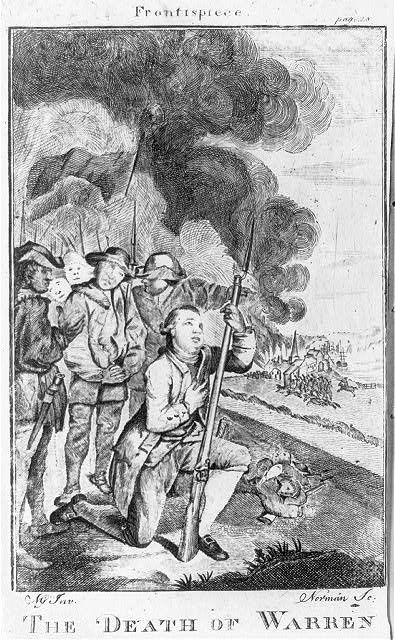
The New Georgia Encyclopedia does not hold the copyright for this media resource and can neither grant nor deny permission to republish or reproduce the image online or in print. All requests for permission to publish or reproduce the resource must be submitted to the rights holder.

Joseph Warren

Joseph Warren

  • Info Details
  • Citation Terms of Use

This etching by John Norman, made around 1776, depicts the death of Joseph Warren at the Battle of Bunker Hill during the Revolutionary War. Both Warren County and its seat, Warrenton, in east central Georgia are named in his honor.

Courtesy of Library of Congress, Prints and Photographs Division

The New Georgia Encyclopedia does not hold the copyright for this media resource and can neither grant nor deny permission to republish or reproduce the image online or in print. All requests for permission to publish or reproduce the resource must be submitted to the rights holder.

Old Courthouse

Old Courthouse

  • Info Details
  • Citation Terms of Use

The old Baker County Courthouse in Newton was flooded by the Flint River in both 1994 and 1998. The structure was restored in 2000 and today houses a library and county government offices.

Courtesy of Greg Loyd
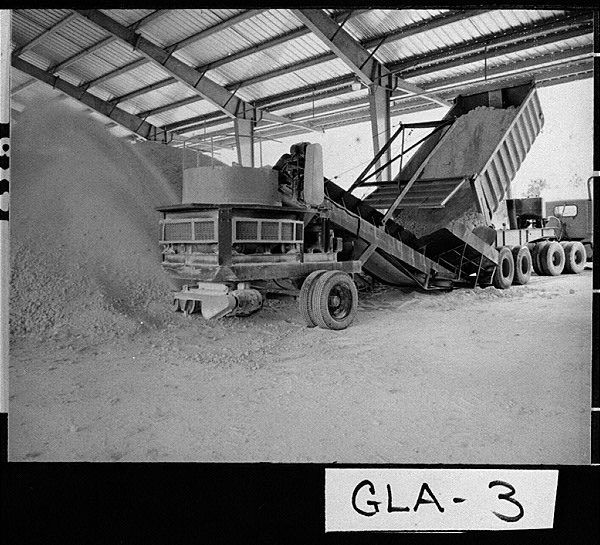
The New Georgia Encyclopedia does not hold the copyright for this media resource and can neither grant nor deny permission to republish or reproduce the image online or in print. All requests for permission to publish or reproduce the resource must be submitted to the rights holder.

  • Info Details
  • Citation Terms of Use

The New Georgia Encyclopedia does not hold the copyright for this media resource and can neither grant nor deny permission to republish or reproduce the image online or in print. All requests for permission to publish or reproduce the resource must be submitted to the rights holder.

Kaolin Processing

Kaolin Processing

  • Info Details
  • Citation Terms of Use

Clay is chopped into small pieces during kaolin processing at a plant in Glascock County on December 2, 1971. The kaolin, timber, and health care industries have formed the basis of the county's economy since the mid-1940s.

Courtesy of Georgia Archives, Vanishing Georgia, #
gla003.
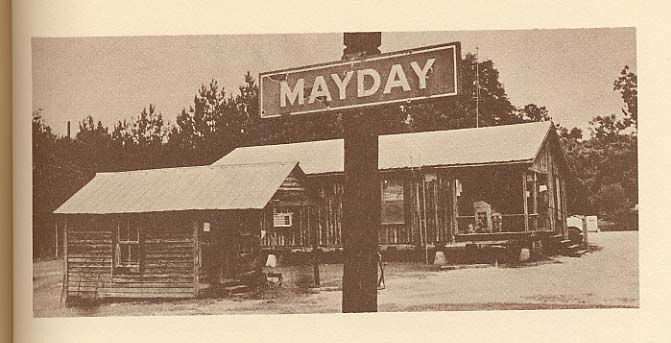
View on partner site

The New Georgia Encyclopedia does not hold the copyright for this media resource and can neither grant nor deny permission to republish or reproduce the image online or in print. Requests for permission to publish or reproduce the resource should be submitted to the Georgia Archives.

Mayday

Mayday

  • Info Details
  • Citation Terms of Use

In 1922 John Wesley Langdale, founder of the Langdale Forest Products Company, purchased timber leases around Mayday, an unchartered community in Echols County. Today the company, founded in 1894 and based in Valdosta, owns a significant portion of the county's land.

From Remembered Places and Leftover Pieces
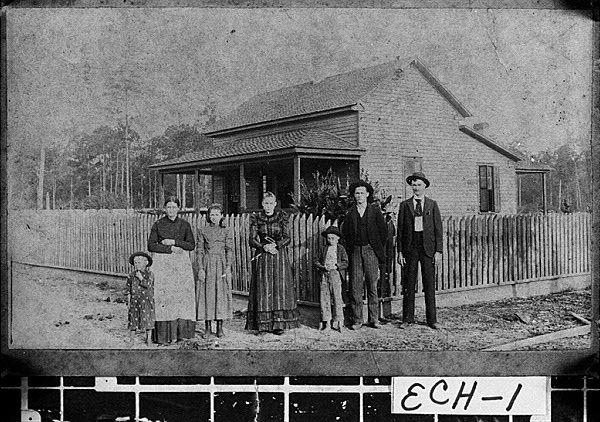
The New Georgia Encyclopedia does not hold the copyright for this media resource and can neither grant nor deny permission to republish or reproduce the image online or in print. All requests for permission to publish or reproduce the resource must be submitted to the rights holder.

Rentz Family

Rentz Family

  • Info Details
  • Citation Terms of Use

Members of the Rentz family stand outside their home in Statenville, the seat of Echols County, in the late nineteenth century. The economy of the area, still predominantly rural, has relied on agriculture and forestry throughout its history.

Courtesy of Georgia Archives, Vanishing Georgia, #
ech001.
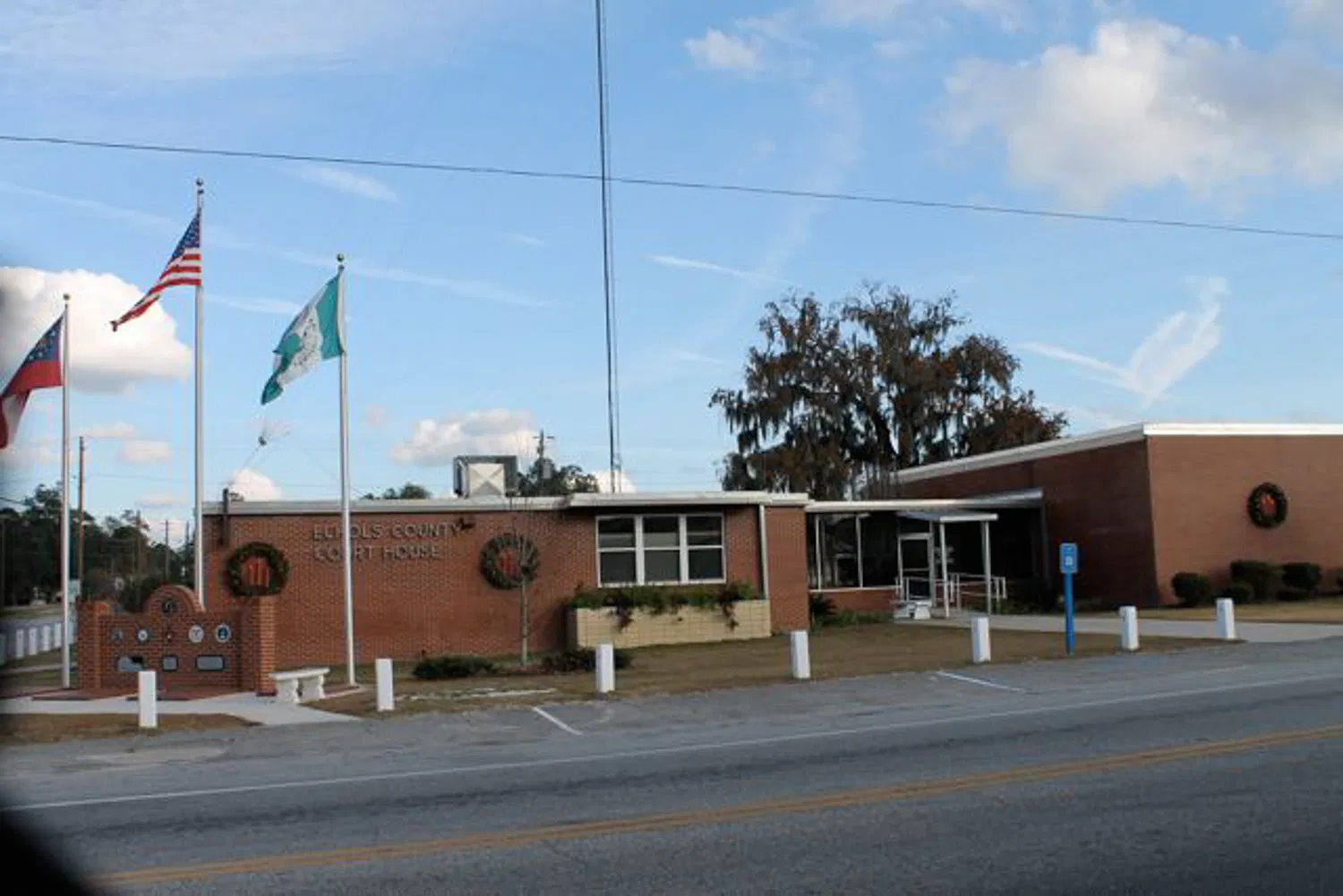
View on partner site

The New Georgia Encyclopedia does not hold the copyright for this media resource and can neither grant nor deny permission to republish or reproduce the image online or in print. Requests for permission to publish or reproduce the resource should be submitted to the Georgia Archives.

Echols County Courthouse

Echols County Courthouse

  • Info Details
  • Citation Terms of Use

The Echols County Courthouse in Statenville, designed in the modern style, was built in 1956. It is the county's third courthouse.

Courtesy of Don Bowman
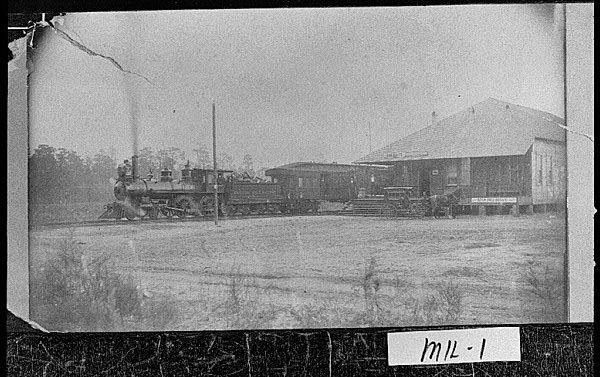
The New Georgia Encyclopedia does not hold the copyright for this media resource and can neither grant nor deny permission to republish or reproduce the image online or in print. All requests for permission to publish or reproduce the resource must be submitted to the rights holder.

Colquitt Depot

Colquitt Depot

  • Info Details
  • Citation Terms of Use

A Central of Georgia Railway train stops at the depot in Colquitt, the seat of Miller County, around 1890. The only incorporated town in the county, Colquitt was named in honor of preacher and politician Walter Terry Colquitt.

Courtesy of Georgia Archives, Vanishing Georgia, #
mil001.
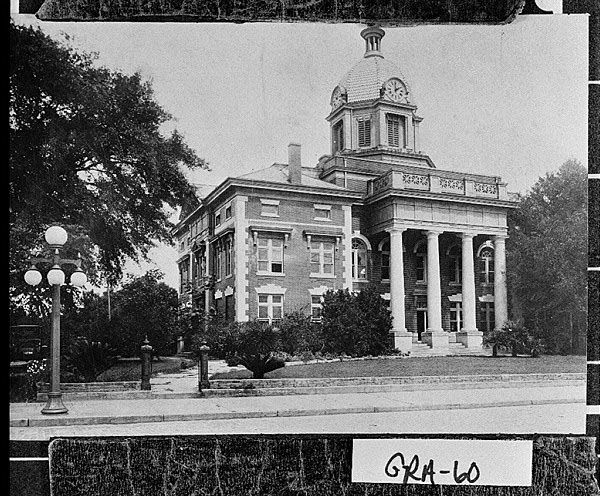
View on partner site

The New Georgia Encyclopedia does not hold the copyright for this media resource and can neither grant nor deny permission to republish or reproduce the image online or in print. Requests for permission to publish or reproduce the resource should be submitted to the Georgia Archives.

  • Info Details
  • Citation Terms of Use

The New Georgia Encyclopedia does not hold the copyright for this media resource and can neither grant nor deny permission to republish or reproduce the image online or in print. All requests for permission to publish or reproduce the resource must be submitted to the rights holder.

  • Info Details
  • Citation Terms of Use

The New Georgia Encyclopedia does not hold the copyright for this media resource and can neither grant nor deny permission to republish or reproduce the image online or in print. All requests for permission to publish or reproduce the resource must be submitted to the rights holder.

Grady County Courthouse

Grady County Courthouse

  • Info Details
  • Citation Terms of Use

The first courthouse in Grady County was built in Cairo in 1908. The structure, which was designed by architect Alexander Blair, burned in 1980.

Courtesy of Georgia Archives, Vanishing Georgia, #
gra060.
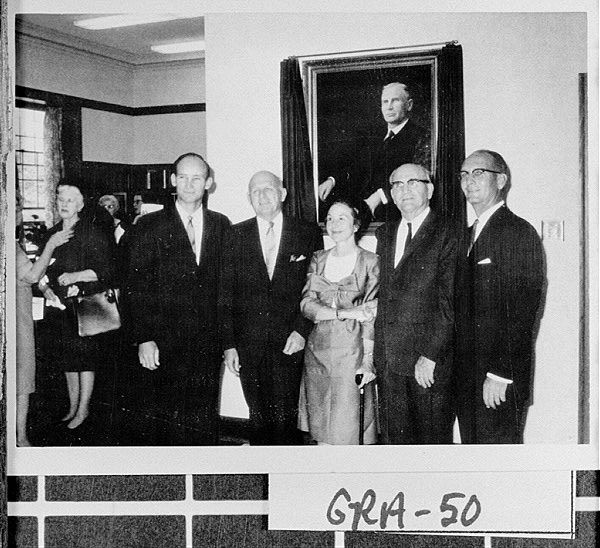
View on partner site

The New Georgia Encyclopedia does not hold the copyright for this media resource and can neither grant nor deny permission to republish or reproduce the image online or in print. Requests for permission to publish or reproduce the resource should be submitted to the Georgia Archives.

  • Info Details
  • Citation Terms of Use

The New Georgia Encyclopedia does not hold the copyright for this media resource and can neither grant nor deny permission to republish or reproduce the image online or in print. All requests for permission to publish or reproduce the resource must be submitted to the rights holder.

Roddenbery Memorial Library

Roddenbery Memorial Library

  • Info Details
  • Citation Terms of Use

In 1964 the family of Walter Blair Roddenbery (in portrait), owners of the W. B. Roddenbery Company, donated $185,000 for the construction of a library in Cairo. Pictured at the library's dedication are, from left, Ralph Roddenbery, Fred Roddenbery, librarian Wessie Connell, J. B. Roddenbery, and J. B. Roddenbery Jr.

Courtesy of Georgia Archives, Vanishing Georgia, #gra050.

View on partner site

The New Georgia Encyclopedia does not hold the copyright for this media resource and can neither grant nor deny permission to republish or reproduce the image online or in print. Requests for permission to publish or reproduce the resource should be submitted to the Georgia Archives.

Teresa Edwards

Teresa Edwards

  • Info Details
  • Citation Terms of Use

Georgia native Teresa Edwards has been recognized as one of the greatest American female athletes of the twentieth century. After beginning her career playing for the University of Georgia, she went on to play basketball in the WNBA as well as international leagues. Edwards is the first basketball player to have played in five Olympics, and she won gold in the 1996 Atlanta games.

Courtesy of Atlanta Journal-Constitution.
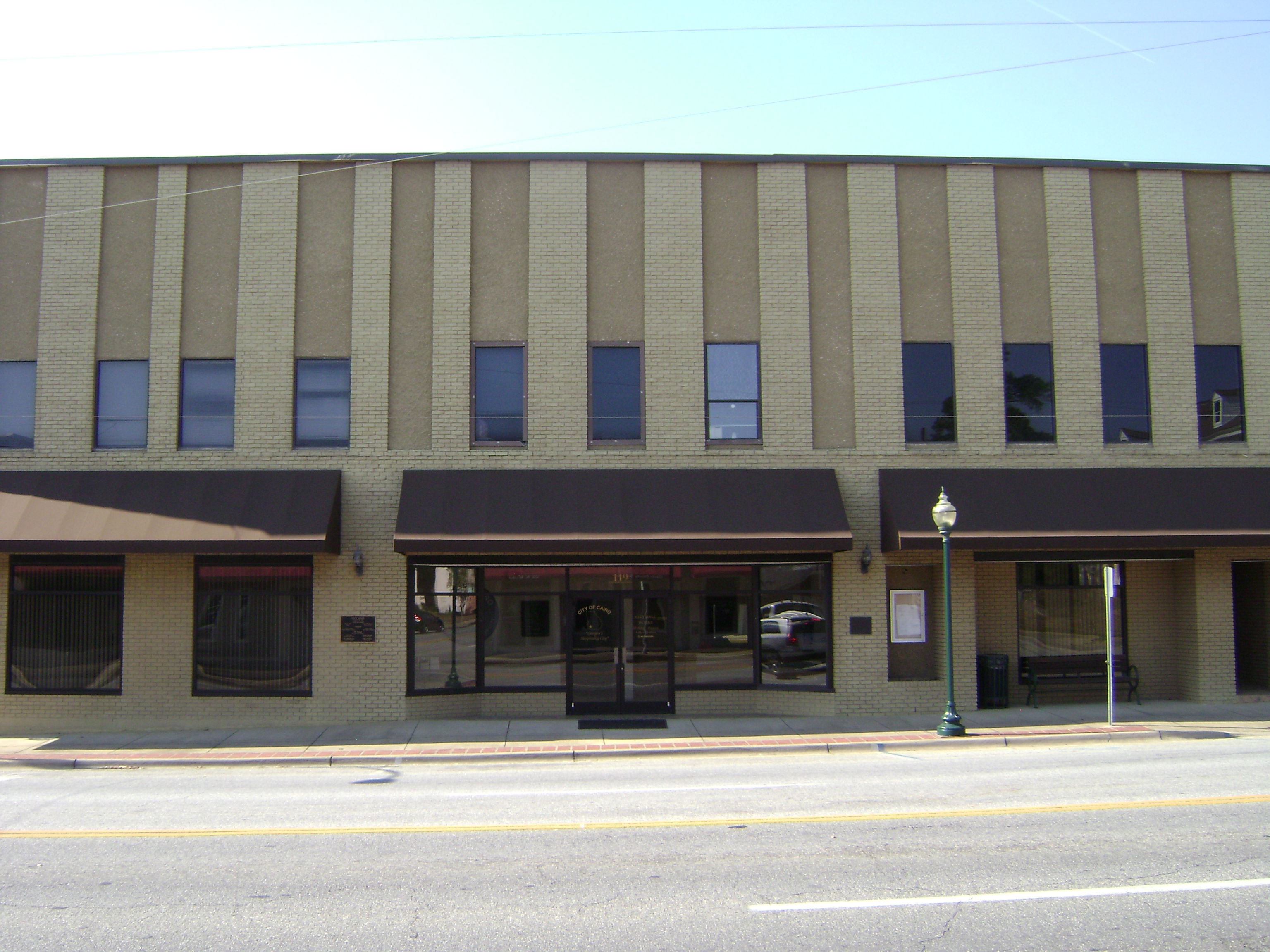
The New Georgia Encyclopedia does not hold the copyright for this media resource and can neither grant nor deny permission to republish or reproduce the image online or in print. All requests for permission to publish or reproduce the resource must be submitted to the Atlanta Journal-Constitution.

Cairo City Hall

Cairo City Hall

  • Info Details
  • Citation Terms of Use

Cairo, the seat of Grady County, was settled in the early 1800s and incorporated in 1870. The city is governed by a mayor, city manager, and five-member city council.

Image from Michael Rivera
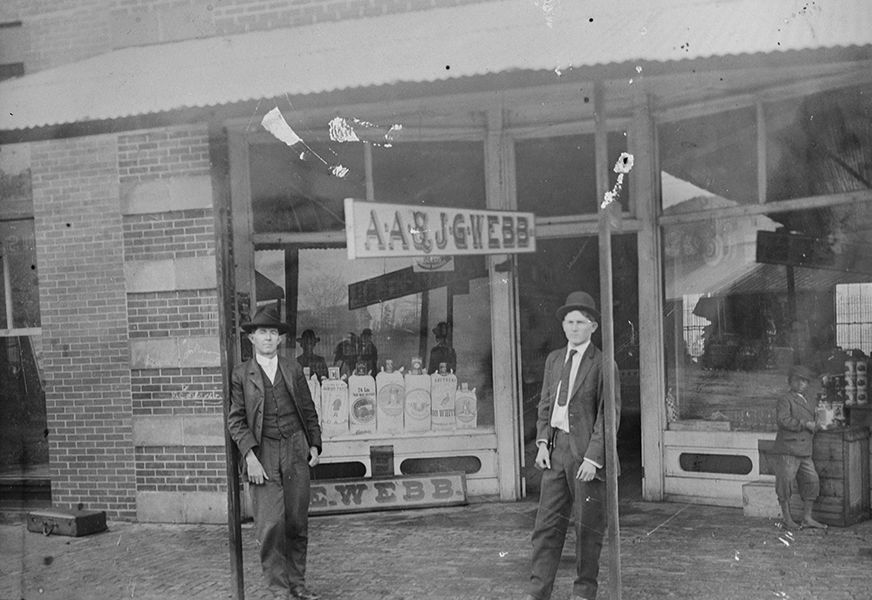
The New Georgia Encyclopedia does not hold the copyright for this media resource and can neither grant nor deny permission to republish or reproduce the image online or in print. All requests for permission to publish or reproduce the resource must be submitted to the rights holder.

Webb General Store

Webb General Store

  • Info Details
  • Citation Terms of Use

Alonzo Webb (left) and Jim Webb pose outside their general store in Adel, circa 1920. Originally named Puddleville, Adel was incorporated in 1889 and became the seat of Cook County in 1918.

Courtesy of Georgia Archives, Vanishing Georgia, # cok007-82.

View on partner site

The New Georgia Encyclopedia does not hold the copyright for this media resource and can neither grant nor deny permission to republish or reproduce the image online or in print. Requests for permission to publish or reproduce the resource should be submitted to the Georgia Archives.

Reed Bingham State Park

Reed Bingham State Park

  • Info Details
  • Citation Terms of Use

A walking trail winds through the grounds of Reed Bingham State Park, located near Adel in Cook and Colquitt counties. The park surrounds a 375-acre lake, which is used for boating, fishing, and waterskiing.

Image from Mike McCall

View on source site

The New Georgia Encyclopedia does not hold the copyright for this media resource and can neither grant nor deny permission to republish or reproduce the image online or in print. All requests for permission to publish or reproduce the resource must be submitted to the rights holder.

Panola Granite

Panola Granite

  • Info Details
  • Citation Terms of Use

This Panola granite, found at Panola Mountain State Conservation Park in Rockdale County, differs in mineral composition and texture from the granite outcrops at nearby Stone Mountain and Arabia Mountain.

Photograph by Chad A. S. Mullikin
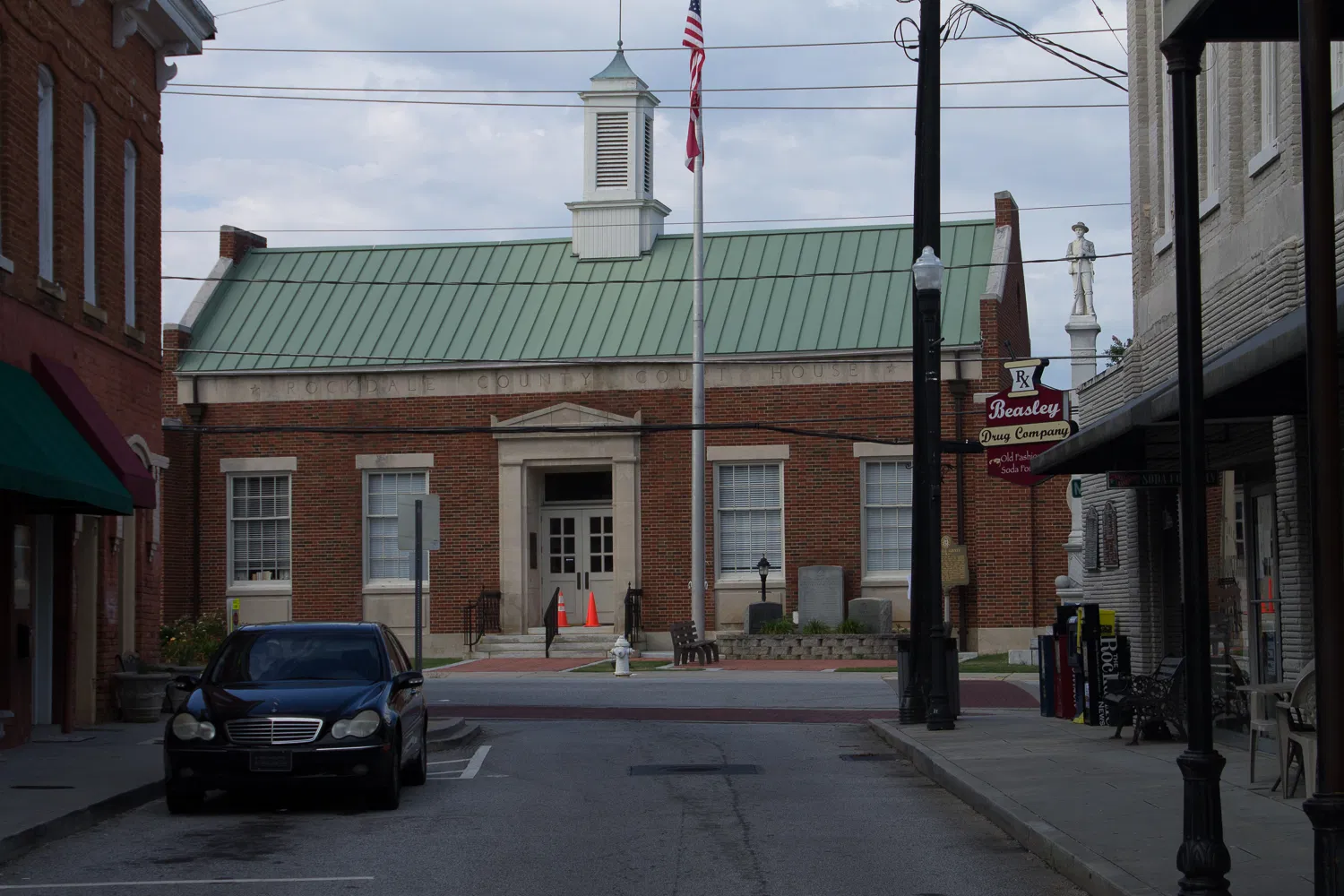
The New Georgia Encyclopedia does not hold the copyright for this media resource and can neither grant nor deny permission to republish or reproduce the image online or in print. All requests for permission to publish or reproduce the resource must be submitted to the rights holder.

Rockdale County Courthouse

Rockdale County Courthouse

  • Info Details
  • Citation Terms of Use

The Rockdale County Courthouse, designed in the colonial revival style, was built in Conyers in 1939. Historical records suggest that the courthouse is the second to be constructed in the county's history.

Courtesy of Don Bowman
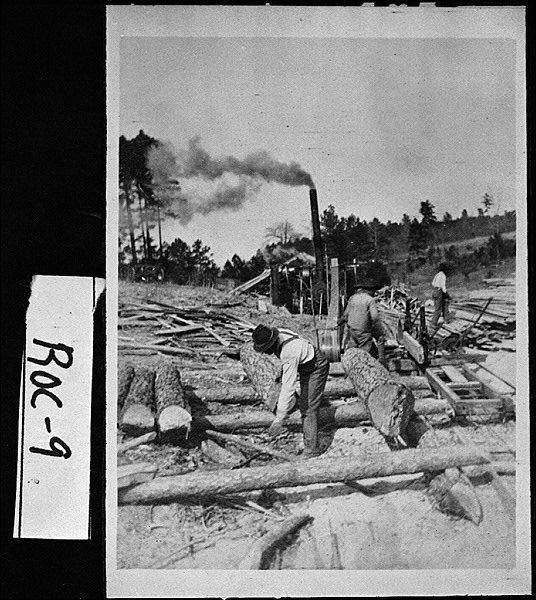
The New Georgia Encyclopedia does not hold the copyright for this media resource and can neither grant nor deny permission to republish or reproduce the image online or in print. All requests for permission to publish or reproduce the resource must be submitted to the rights holder.

McCart Farm Sawmill

McCart Farm Sawmill

  • Info Details
  • Citation Terms of Use

Workers operate a sawmill on the McCart Farm in Rockdale County in 1920. A number of mills operated in the county during the early decades of the twentieth century.

Courtesy of Georgia Archives, Vanishing Georgia, #roc009.

View on partner site

The New Georgia Encyclopedia does not hold the copyright for this media resource and can neither grant nor deny permission to republish or reproduce the image online or in print. Requests for permission to publish or reproduce the resource should be submitted to the Georgia Archives.

Monastery of the Holy Spirit

Monastery of the Holy Spirit

  • Info Details
  • Citation Terms of Use

The Monastery of the Holy Spirit in Rockdale County was founded by Trappist monks in 1944. The monastery supports itself through the sale of a variety of products, including books and bonsai trees.

Courtesy of Our Lady of the Holy Spirit Monastery
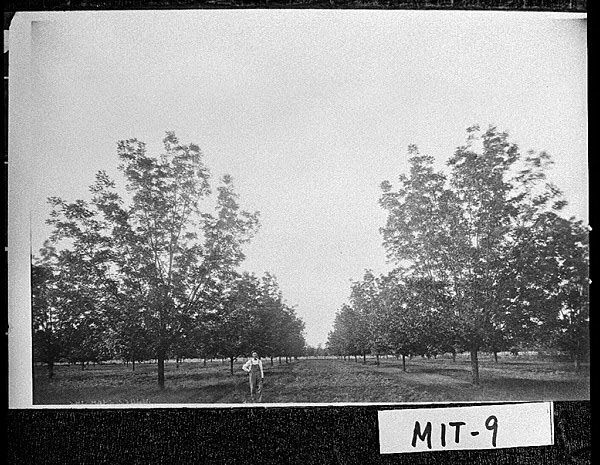
The New Georgia Encyclopedia does not hold the copyright for this media resource and can neither grant nor deny permission to republish or reproduce the image online or in print. All requests for permission to publish or reproduce the resource must be submitted to the rights holder.

Pecan Grove

Pecan Grove

  • Info Details
  • Citation Terms of Use

A farmer stands in a Mitchell County pecan grove in the early twentieth century. The grove was one of the first to be planted in the county. Pecans, along with cotton, peanuts, and soybeans, continue to be an important agricultural product in Mitchell County.

Courtesy of Georgia Archives, Vanishing Georgia, #
mit009.

View on partner site

The New Georgia Encyclopedia does not hold the copyright for this media resource and can neither grant nor deny permission to republish or reproduce the image online or in print. Requests for permission to publish or reproduce the resource should be submitted to the Georgia Archives.

Mitchell County Courthouse

Mitchell County Courthouse

  • Info Details
  • Citation Terms of Use

Completed in 1937, the Mitchell County Courthouse includes elements of both art deco and stripped classical architectural styles. It is the fourth courthouse to be built in the county.

Courtesy of Don Bowman

The New Georgia Encyclopedia does not hold the copyright for this media resource and can neither grant nor deny permission to republish or reproduce the image online or in print. All requests for permission to publish or reproduce the resource must be submitted to the rights holder.

Gnat Days Festival

Gnat Days Festival

  • Info Details
  • Citation Terms of Use

Shoppers browse the "Gnat Market" in downtown Camilla during the 2005 Gnat Days Festival. The festival takes place each May and includes a 5K run/walk, a bicycle race, and a pet show.

Courtesy of Camilla Chamber of Commerce

The New Georgia Encyclopedia does not hold the copyright for this media resource and can neither grant nor deny permission to republish or reproduce the image online or in print. All requests for permission to publish or reproduce the resource must be submitted to the rights holder.

Hinesville

Hinesville

  • Info Details
  • Citation Terms of Use

Wildflowers grow near Hinesville, the seat of Liberty County.

Image from K e v i n

View on source site

The New Georgia Encyclopedia does not hold the copyright for this media resource and can neither grant nor deny permission to republish or reproduce the image online or in print. All requests for permission to publish or reproduce the resource must be submitted to the rights holder.

M. R. Riviere Drugstore

M. R. Riviere Drugstore

  • Info Details
  • Citation Terms of Use

The M. R. Riviere Drugstore, pictured circa 1905, was located across from Bradwell Park in Hinesville, the seat of Liberty County.

Courtesy of Georgia Archives, Vanishing Georgia, # lib067.
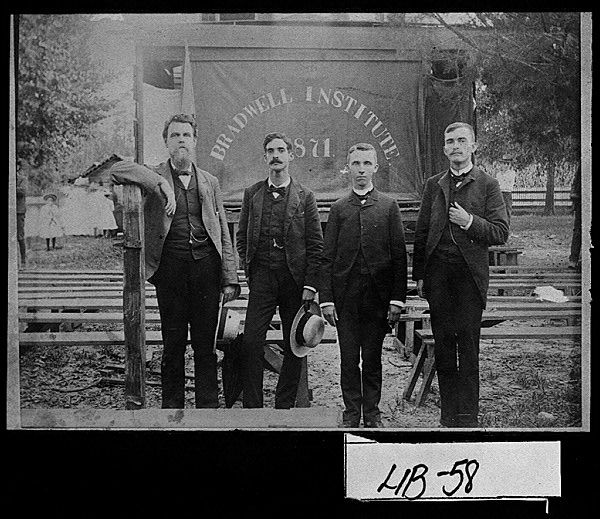
View on partner site

The New Georgia Encyclopedia does not hold the copyright for this media resource and can neither grant nor deny permission to republish or reproduce the image online or in print. Requests for permission to publish or reproduce the resource should be submitted to the Georgia Archives.

Bradwell Institute

Bradwell Institute

  • Info Details
  • Citation Terms of Use

Samuel Dowse Bradwell (left) poses with faculty members outside Bradwell Institute, circa 1875. The private boarding school was founded as the Hinesville Academy by Bradwell's father but closed during the Civil War. Bradwell reopened the school after the war and renamed it in honor of his father.

Courtesy of Georgia Archives, Vanishing Georgia, #
lib058.

View on partner site

The New Georgia Encyclopedia does not hold the copyright for this media resource and can neither grant nor deny permission to republish or reproduce the image online or in print. Requests for permission to publish or reproduce the resource should be submitted to the Georgia Archives.

Turpentine Still

Turpentine Still

  • Info Details
  • Citation Terms of Use

A worker operates a turpentine still in Hinesville during the 1930s. The decade was one of growing prosperity for the community, which steadily recovered from the devastation of the Civil War.

Courtesy of Georgia Archives, Vanishing Georgia, # lib011.

View on partner site

The New Georgia Encyclopedia does not hold the copyright for this media resource and can neither grant nor deny permission to republish or reproduce the image online or in print. Requests for permission to publish or reproduce the resource should be submitted to the Georgia Archives.

Entertainment Booth

Entertainment Booth

  • Info Details
  • Citation Terms of Use

The roads that led from Camp Stewart to Hinesville were filled with a variety of entertainment choices, including juke-joints, bars, gambling houses, USO clubs, and entertainment booths, like the one pictured here in April 1941.

Courtesy of Library of Congress, Prints and Photographs Division, Farm Security Administration - Office of War Information Photograph Collection, #LC-DIG-fsa-8a35213.

The New Georgia Encyclopedia does not hold the copyright for this media resource and can neither grant nor deny permission to republish or reproduce the image online or in print. All requests for permission to publish or reproduce the resource must be submitted to the rights holder.

Main Street

Main Street

  • Info Details
  • Citation Terms of Use

Stores line Main Street in Hinesville, the seat of Liberty County, in 1941. The arrival of Camp Stewart the previous year spurred tremendous growth in Hinesville during World War II, as establishments catering to the soldiers opened in the town.

Courtesy of Library of Congress, Prints and Photographs Division, Farm Security Administration - Office of War Information Photograph Collection, #LC-USF34-043785-D.
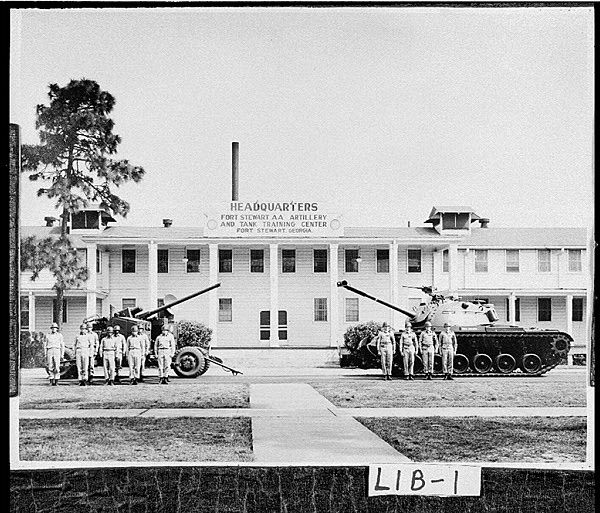
The New Georgia Encyclopedia does not hold the copyright for this media resource and can neither grant nor deny permission to republish or reproduce the image online or in print. All requests for permission to publish or reproduce the resource must be submitted to the rights holder.

Fort Stewart

Fort Stewart

  • Info Details
  • Citation Terms of Use

Soldiers at Fort Stewart, near Hinesville in Liberty County, stand in formation outside the fort's headquarters. Established during World War II, the fort has remained active and today houses around 16,000 troops of the Third Infantry Division.

Courtesy of Georgia Archives, Vanishing Georgia, #
lib001.

View on partner site

The New Georgia Encyclopedia does not hold the copyright for this media resource and can neither grant nor deny permission to republish or reproduce the image online or in print. Requests for permission to publish or reproduce the resource should be submitted to the Georgia Archives.

Greensboro

Greensboro

  • Info Details
  • Citation Terms of Use

In 2003 Greensboro was a Main Street Community of the Georgia Department of Community Affairs.
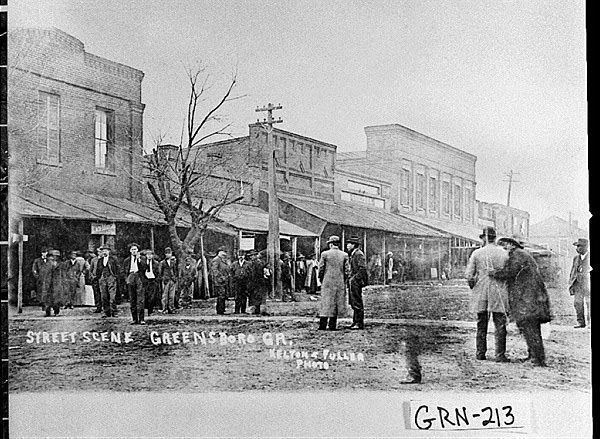
Courtesy of Historic Preservation Division, Georgia Department of Community Affairs.

The New Georgia Encyclopedia does not hold the copyright for this media resource and can neither grant nor deny permission to republish or reproduce the image online or in print. Requests for permission to publish or reproduce the resource may need to be submitted to the Georgia Department of Community Affairs, Historic Preservation Division.

  • Info Details
  • Citation Terms of Use

The New Georgia Encyclopedia does not hold the copyright for this media resource and can neither grant nor deny permission to republish or reproduce the image online or in print. All requests for permission to publish or reproduce the resource must be submitted to the rights holder.

Greensboro

Greensboro

  • Info Details
  • Citation Terms of Use

Main Street was a center of activity in Greensboro, pictured circa 1895. The economy of the city, the seat of Greene County, was heavily dependent on cotton production in the area.

Courtesy of Georgia Archives, Vanishing Georgia, #grn213.
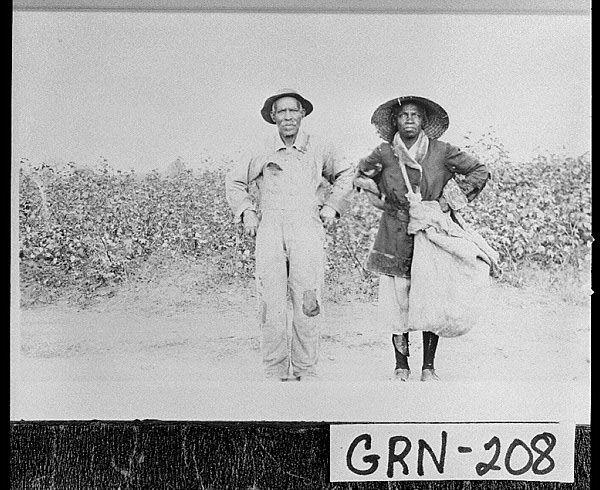
View on partner site

The New Georgia Encyclopedia does not hold the copyright for this media resource and can neither grant nor deny permission to republish or reproduce the image online or in print. Requests for permission to publish or reproduce the resource should be submitted to the Georgia Archives.

Tenant Farmers

Tenant Farmers

  • Info Details
  • Citation Terms of Use

African American tenant farmers pose before a cotton field in Greene County in October 1940. The woman has a cotton sack slung over her shoulder.

Courtesy of Georgia Archives, Vanishing Georgia, #
grn208.
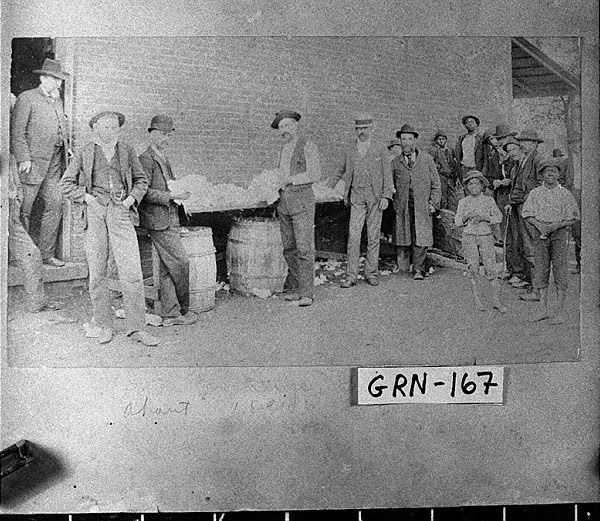
View on partner site

The New Georgia Encyclopedia does not hold the copyright for this media resource and can neither grant nor deny permission to republish or reproduce the image online or in print. Requests for permission to publish or reproduce the resource should be submitted to the Georgia Archives.

Cotton Exchange

Cotton Exchange

  • Info Details
  • Citation Terms of Use

Men gather to buy and sell cotton at the Cotton Exchange in Greensboro, circa 1891. After the Civil War, the community returned to the production of cotton as its primary economic activity, but a boll weevil infestation in 1922 led to the city's decline for the remainder of the decade.

Courtesy of Georgia Archives, Vanishing Georgia, #
grn167.

View on partner site

The New Georgia Encyclopedia does not hold the copyright for this media resource and can neither grant nor deny permission to republish or reproduce the image online or in print. Requests for permission to publish or reproduce the resource should be submitted to the Georgia Archives.

Greensboro

Greensboro

  • Info Details
  • Citation Terms of Use

A worker in Greensboro clears leaves from the town's Bethea Square in the late 1930s. During these years the town benefited from the assistance of the federal government's New Deal programs, although most of the relief went to white residents rather than to the community's Black majority.

Courtesy of Georgia Archives, Vanishing Georgia, #
grn224.
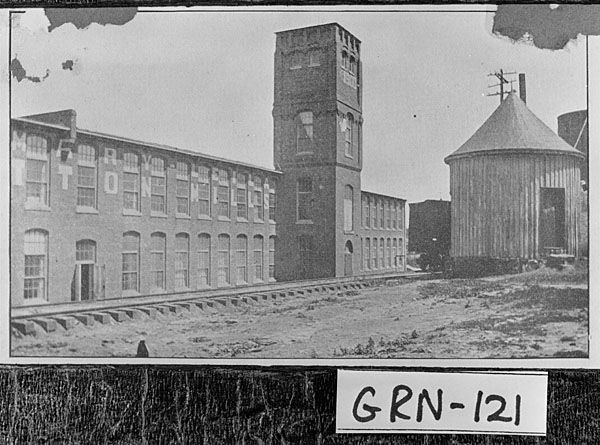
View on partner site

The New Georgia Encyclopedia does not hold the copyright for this media resource and can neither grant nor deny permission to republish or reproduce the image online or in print. Requests for permission to publish or reproduce the resource should be submitted to the Georgia Archives.

Mary-Leila Cotton Mill

Mary-Leila Cotton Mill

  • Info Details
  • Citation Terms of Use

The Mary-Leila Cotton Mill, pictured around 1910, opened in Greensboro in 1899. It was the first industrial factory to arrive in Greene County, as the community attempted to diversify its cotton-based economy.

Courtesy of Georgia Archives, Vanishing Georgia, #
grn121.

View on partner site

The New Georgia Encyclopedia does not hold the copyright for this media resource and can neither grant nor deny permission to republish or reproduce the image online or in print. Requests for permission to publish or reproduce the resource should be submitted to the Georgia Archives.

  • Info Details
  • Citation Terms of Use

The New Georgia Encyclopedia does not hold the copyright for this media resource and can neither grant nor deny permission to republish or reproduce the image online or in print. All requests for permission to publish or reproduce the resource must be submitted to the rights holder.

Cotton Mill Worker

Cotton Mill Worker

  • Info Details
  • Citation Terms of Use

A mill worker is pictured in October 1941 at the Mary-Leila Cotton Mill in Greensboro. Mills in Georgia were profitable during World War II (1941-45), producing such items as nylon and silk, as well as life rafts and uniforms for the war effort.

Courtesy of Library of Congress, Prints and Photographs Division
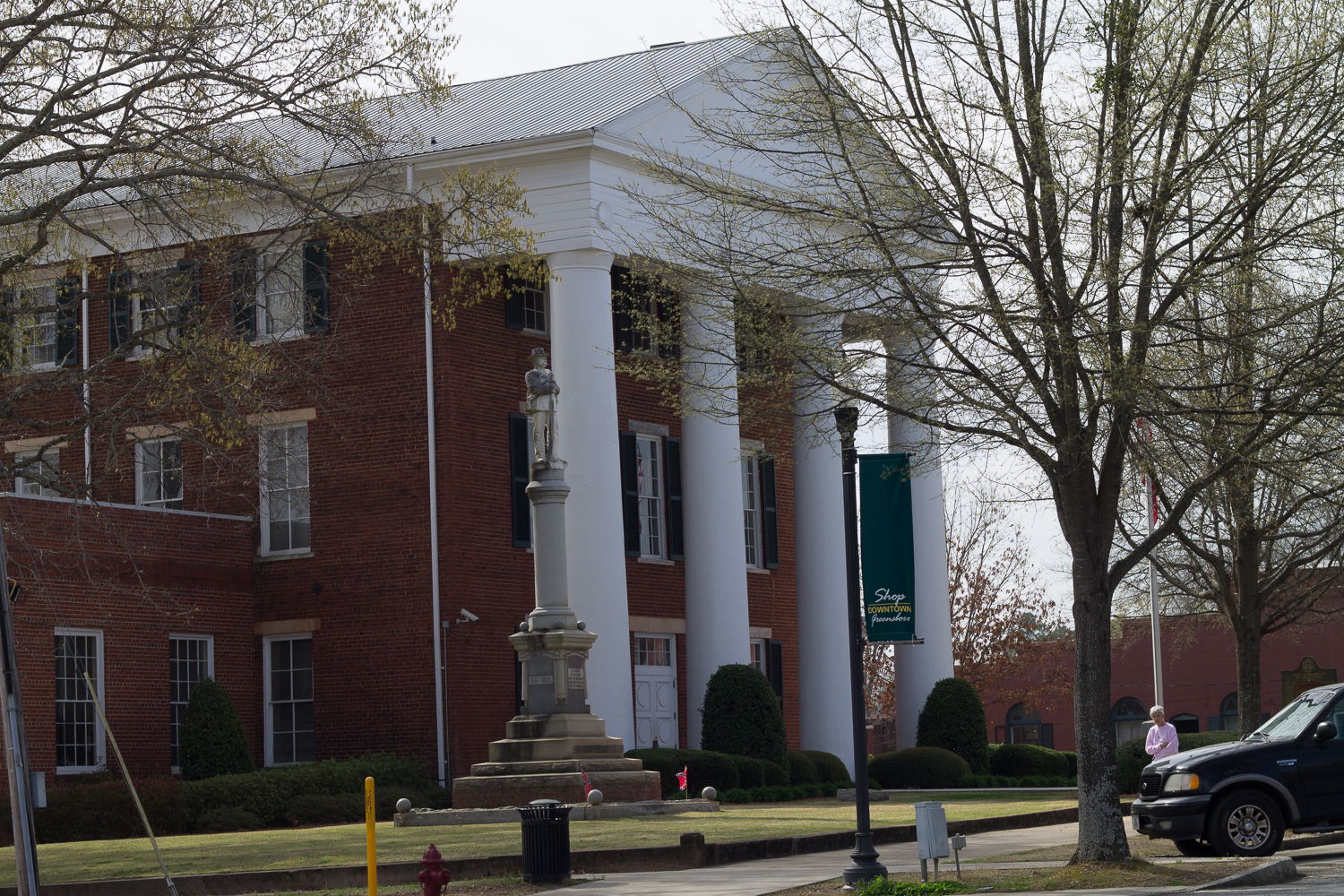
The New Georgia Encyclopedia does not hold the copyright for this media resource and can neither grant nor deny permission to republish or reproduce the image online or in print. All requests for permission to publish or reproduce the resource must be submitted to the rights holder.

Greene County Courthouse

Greene County Courthouse

  • Info Details
  • Citation Terms of Use

The Greene County Courthouse in Greensboro, designed in the Greek revival style, was completed in 1849. The top floor of the building has been used as a Masonic lodge since the time of its construction. The courthouse was remodeled in 1938 and listed on the National Register of Historic Places in 1980.

Courtesy of Don Bowman

The New Georgia Encyclopedia does not hold the copyright for this media resource and can neither grant nor deny permission to republish or reproduce the image online or in print. All requests for permission to publish or reproduce the resource must be submitted to the rights holder.

Cohutta Wilderness Area

Cohutta Wilderness Area

  • Info Details
  • Citation Terms of Use

Large portions of the Cohutta Wilderness Area lie in the Blue Ridge Mountains of Fannin County. Designated a wilderness area by the federal government in 1976, Cohutta today covers around 40,000 acres in Georgia and Tennessee and is the largest wilderness area east of the Mississippi River.

Courtesy of Georgia Department of Economic Development.

The New Georgia Encyclopedia does not hold the copyright for this media resource and can neither grant nor deny permission to republish or reproduce the image online or in print. Requests for permission to publish or reproduce the resource may need to be submitted to the Georgia Department of Economic Development.

Fannin County Courthouse

Fannin County Courthouse

  • Info Details
  • Citation Terms of Use

The Fannin County Courthouse, completed in 2004, is the third courthouse to be built in Blue Ridge, the county seat since 1895. The county's first courthouse was constructed in Morganton, the first seat, in 1855.

Photograph by Jimmy Emerson, DVM
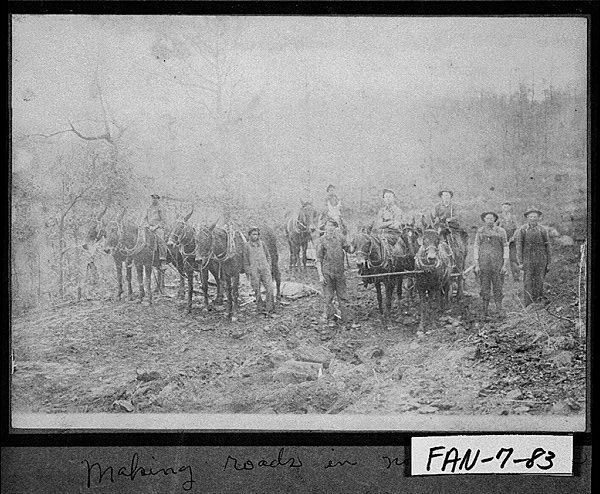
The New Georgia Encyclopedia does not hold the copyright for this media resource and can neither grant nor deny permission to republish or reproduce the image online or in print. All requests for permission to publish or reproduce the resource must be submitted to the rights holder.

Road Builders

Road Builders

  • Info Details
  • Citation Terms of Use

Builders construct a road through the mountains of Fannin County in the 1930s. The development of a transportation infrastructure, including railroads and roads, within the county has played a key role in the area's economic development since the 1880s.

Courtesy of Georgia Archives, Vanishing Georgia, #
fan007-83.
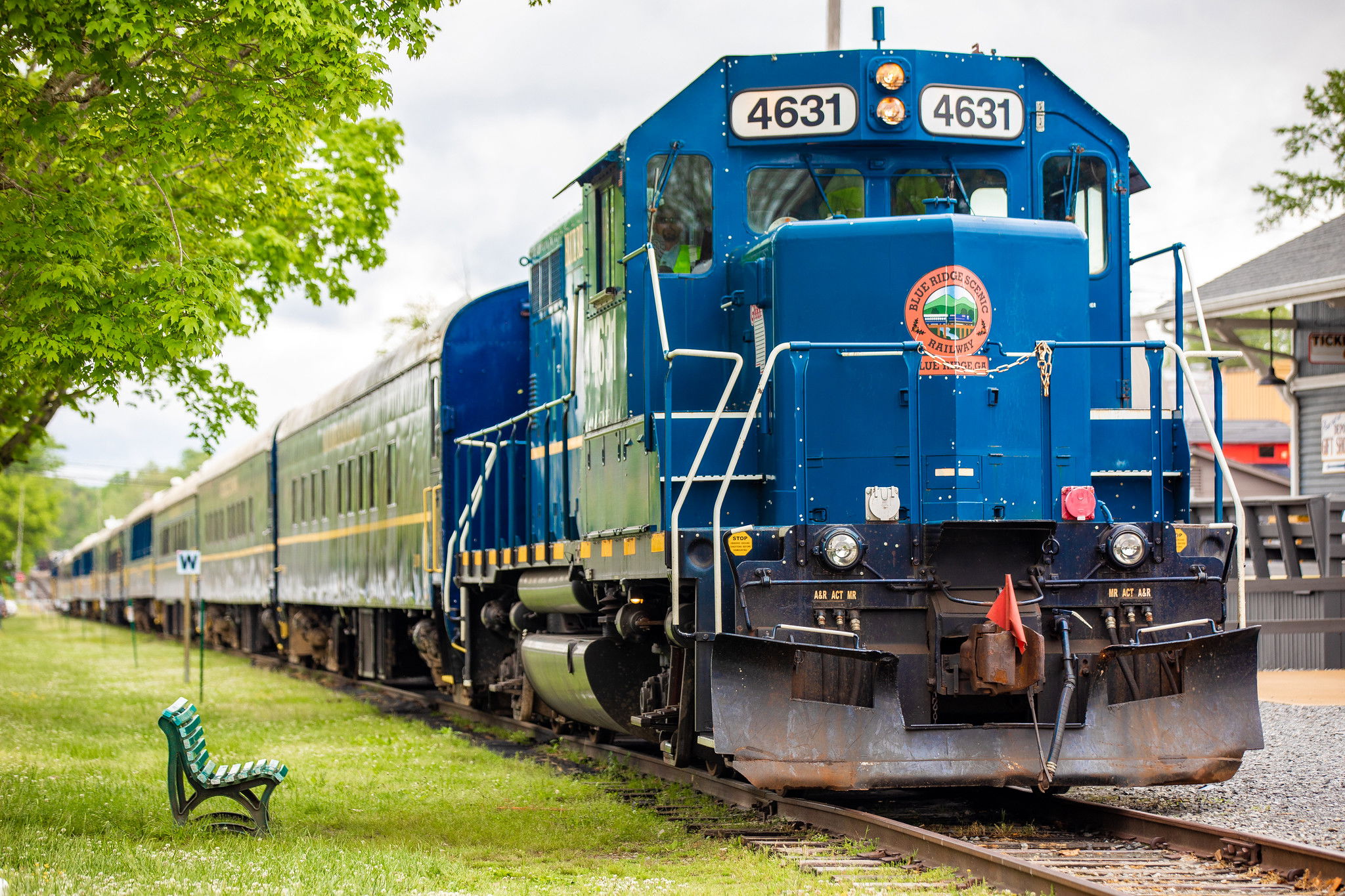
View on partner site

The New Georgia Encyclopedia does not hold the copyright for this media resource and can neither grant nor deny permission to republish or reproduce the image online or in print. Requests for permission to publish or reproduce the resource should be submitted to the Georgia Archives.

Blue Ridge Scenic Railway

Blue Ridge Scenic Railway

  • Info Details
  • Citation Terms of Use

The Blue Ridge Scenic Railway transports tourists on excursion trips between Blue Ridge, the seat of Fannin County, and McCaysville. The train operates each year from April through December.

Image from Thomas Hawk

View on source site

The New Georgia Encyclopedia does not hold the copyright for this media resource and can neither grant nor deny permission to republish or reproduce the image online or in print. All requests for permission to publish or reproduce the resource must be submitted to the rights holder.

Cabbage Farm

Cabbage Farm

  • Info Details
  • Citation Terms of Use

A small area of concentrated vegetable production, mostly cabbage, pumpkins, tomatoes, and sweet corn, exists north of Atlanta. A cabbage farm in Fannin County is pictured.

Courtesy of Georgia Department of Economic Development.

The New Georgia Encyclopedia does not hold the copyright for this media resource and can neither grant nor deny permission to republish or reproduce the image online or in print. Requests for permission to publish or reproduce the resource may need to be submitted to the Georgia Department of Economic Development.

Mineral Bluff

Mineral Bluff

  • Info Details
  • Citation Terms of Use

Men gather on the steps of the post office (far right) on Main Street in Mineral Bluff, a community in Fannin County, circa 1910.

Courtesy of Georgia Archives, Vanishing Georgia, #
fan012-83.

View on partner site

The New Georgia Encyclopedia does not hold the copyright for this media resource and can neither grant nor deny permission to republish or reproduce the image online or in print. Requests for permission to publish or reproduce the resource should be submitted to the Georgia Archives.

Cook County Courthouse

Cook County Courthouse

  • Info Details
  • Citation Terms of Use

The Cook County Courthouse was built in Adel in 1939. Designed in the stripped classical style, the courthouse is the county's first.

Courtesy of Don Bowman
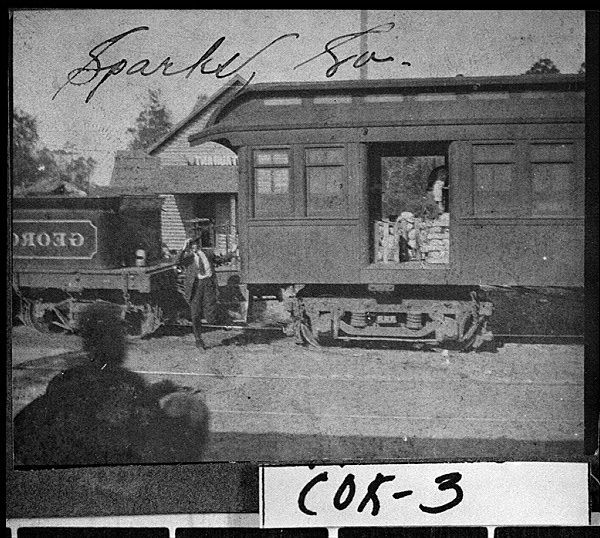
The New Georgia Encyclopedia does not hold the copyright for this media resource and can neither grant nor deny permission to republish or reproduce the image online or in print. All requests for permission to publish or reproduce the resource must be submitted to the rights holder.

Sparks Depot

Sparks Depot

  • Info Details
  • Citation Terms of Use

A train stops at the depot in Sparks, circa 1907. Sparks, along with Cecil and Lenox, is an incorporated town originally established as a railroad stop in Cook County.

Courtesy of Georgia Archives, Vanishing Georgia, #
cok003.

View on partner site

The New Georgia Encyclopedia does not hold the copyright for this media resource and can neither grant nor deny permission to republish or reproduce the image online or in print. Requests for permission to publish or reproduce the resource should be submitted to the Georgia Archives.

Black Vultures

Black Vultures

  • Info Details
  • Citation Terms of Use

Black vultures are a common sight at Reed Bingham State Park, which lies in both Cook and Colquitt counties. Thousands of black and turkey vultures winter in the park each year.

Photograph by Susan Wing

The New Georgia Encyclopedia does not hold the copyright for this media resource and can neither grant nor deny permission to republish or reproduce the image online or in print. All requests for permission to publish or reproduce the resource must be submitted to the rights holder.

Colquitt County Courthouse

Colquitt County Courthouse

  • Info Details
  • Citation Terms of Use

The Colquitt County Courthouse, built in 1902, is located in Moultrie. The courthouse, along with the Moultrie Commercial Historic District and several other downtown buildings, is listed on the National Register of Historic Places.

Courtesy of Don Bowman
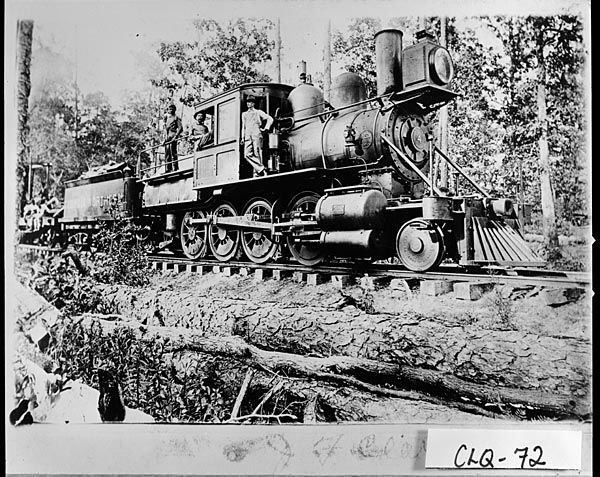
The New Georgia Encyclopedia does not hold the copyright for this media resource and can neither grant nor deny permission to republish or reproduce the image online or in print. All requests for permission to publish or reproduce the resource must be submitted to the rights holder.

Tram Road

Tram Road

  • Info Details
  • Citation Terms of Use

A tram road, built by the Georgia Northern Railroad to transport timber, ran through Colquitt County in the early 1900s. The timber industry in the county thrived in the decade before the Civil War, with the production of naval stores, and for several decades afterward, with the harvesting of trees to make crossties for the railroads.

Courtesy of Georgia Archives, Vanishing Georgia, #
clq072.
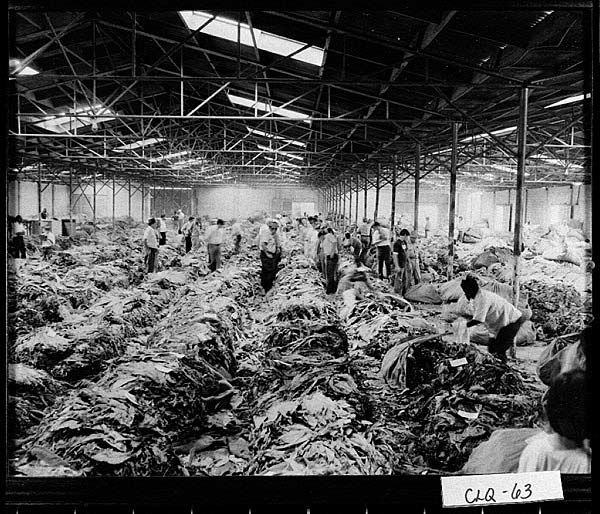
View on partner site

The New Georgia Encyclopedia does not hold the copyright for this media resource and can neither grant nor deny permission to republish or reproduce the image online or in print. Requests for permission to publish or reproduce the resource should be submitted to the Georgia Archives.

Tobacco Warehouse

Tobacco Warehouse

  • Info Details
  • Citation Terms of Use

Buyers inspect tobacco leaves during an auction held in a Moultrie warehouse, circa 1965. Tobacco cultivation has been an important economic activity in Colquitt County since 1925.

Courtesy of Georgia Archives, Vanishing Georgia, #
clq063.
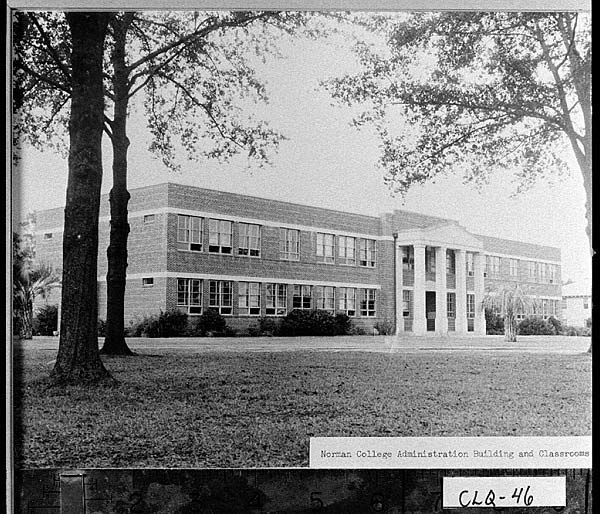
View on partner site

The New Georgia Encyclopedia does not hold the copyright for this media resource and can neither grant nor deny permission to republish or reproduce the image online or in print. Requests for permission to publish or reproduce the resource should be submitted to the Georgia Archives.

Norman Park

Norman Park

  • Info Details
  • Citation Terms of Use

Brewton-Parker College, a Baptist institution based in Montgomery County, offers an extension program at Norman Park in Colquitt County. The building originally housed the Norman Institute, a Baptist-affiliated school founded in 1900.

Courtesy of Georgia Archives, Vanishing Georgia, #
clq046.

View on partner site

The New Georgia Encyclopedia does not hold the copyright for this media resource and can neither grant nor deny permission to republish or reproduce the image online or in print. Requests for permission to publish or reproduce the resource should be submitted to the Georgia Archives.

Reed Bingham State Park

Reed Bingham State Park

  • Info Details
  • Citation Terms of Use

Reed Bingham State Park, located in Colquitt and Cook counties, offers nature trails from which a variety of wildlife, including birds, snakes, and turtles, may be observed.

Image from tom spinker

View on source site

The New Georgia Encyclopedia does not hold the copyright for this media resource and can neither grant nor deny permission to republish or reproduce the image online or in print. All requests for permission to publish or reproduce the resource must be submitted to the rights holder.

Birdsong Nature Center

Birdsong Nature Center

  • Info Details
  • Citation Terms of Use

A birding trail winds through the Birdsong Nature Center, located partially in Grady County. Birdsong was founded in 1986 as a nonprofit educational center to offer programs in biodiversity, land management, and the longleaf-pine ecosystem.

Photograph by Julius F. Ariail Jr.
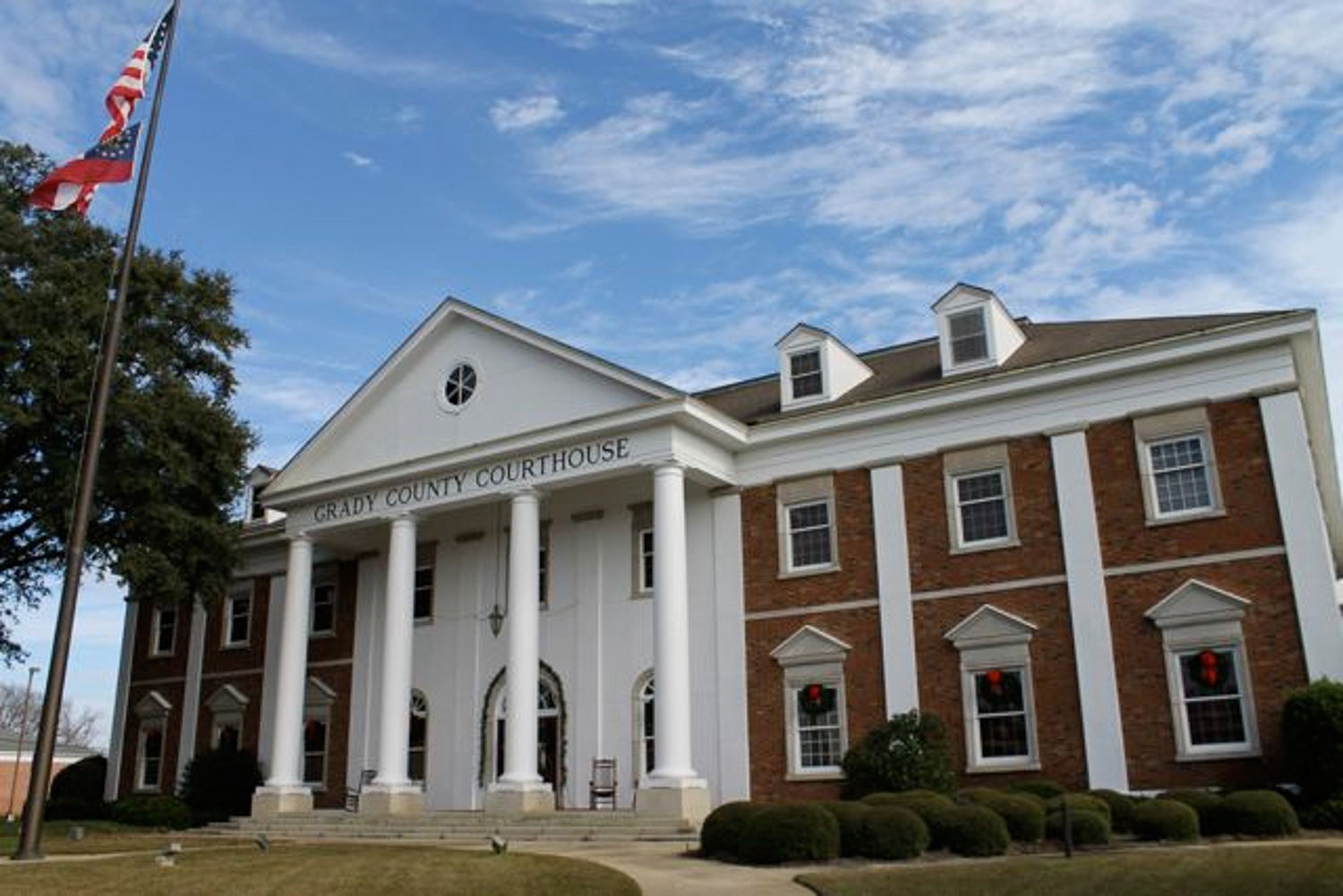
The New Georgia Encyclopedia does not hold the copyright for this media resource and can neither grant nor deny permission to republish or reproduce the image online or in print. All requests for permission to publish or reproduce the resource must be submitted to the rights holder.

Grady County Courthouse

Grady County Courthouse

  • Info Details
  • Citation Terms of Use

The Grady County Courthouse in Cairo was built in the early 1980s after an earlier courthouse, constructed in 1908, burned.

Courtesy of Don Bowman
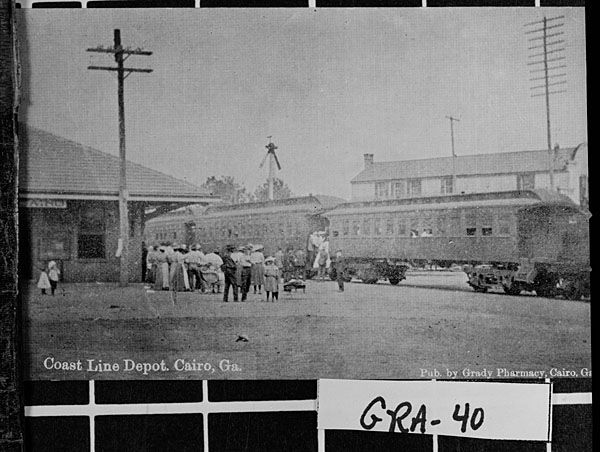
The New Georgia Encyclopedia does not hold the copyright for this media resource and can neither grant nor deny permission to republish or reproduce the image online or in print. All requests for permission to publish or reproduce the resource must be submitted to the rights holder.

Atlantic Coast Line Depot

Atlantic Coast Line Depot

  • Info Details
  • Citation Terms of Use

People gather outside the Atlantic Coast Line Depot in Cairo, the seat of Grady County, circa 1916. With the arrival of the railroads in the county, area residents were able to market their agricultural products, including timber.

Courtesy of Georgia Archives, Vanishing Georgia, #
gra040.

View on partner site

The New Georgia Encyclopedia does not hold the copyright for this media resource and can neither grant nor deny permission to republish or reproduce the image online or in print. Requests for permission to publish or reproduce the resource should be submitted to the Georgia Archives.

Pebble Hill Plantation

Pebble Hill Plantation

  • Info Details
  • Citation Terms of Use

In 1825 one of the first white settlers in the area, Thomas Jefferson Johnson, acquired the land that became Pebble Hill Plantation, in Thomasville. Two years later he built the first structure on the property. The site has been a museum since 1983.

Courtesy of Explore Georgia, Photograph by Ralph Daniel.
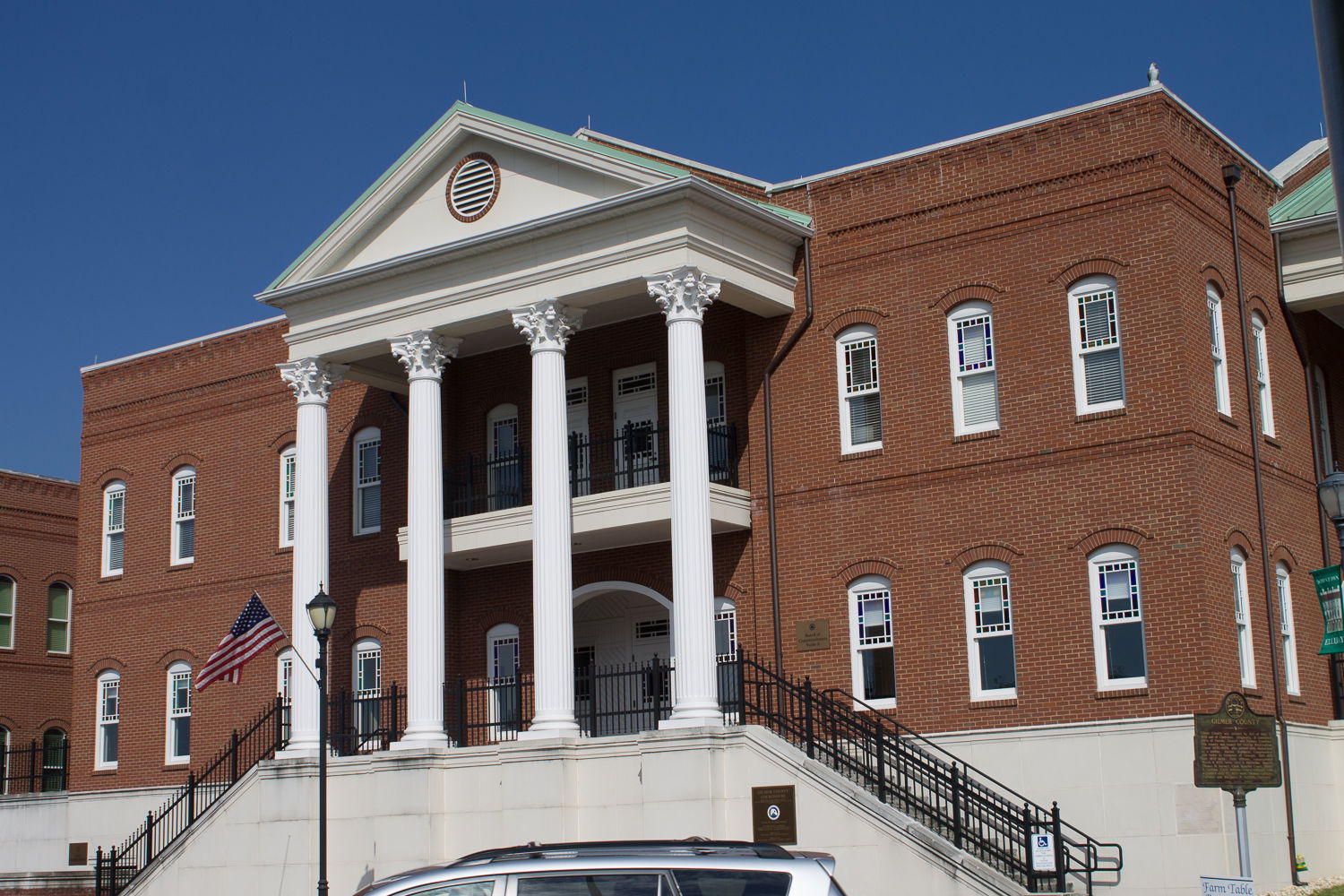
The New Georgia Encyclopedia does not hold the copyright for this media resource and can neither grant nor deny permission to republish or reproduce the image online or in print. Requests for permission to publish or reproduce the resource may need to be submitted to Explore Georgia.

Gilmer County Courthouse

Gilmer County Courthouse

  • Info Details
  • Citation Terms of Use

The Gilmer County Courthouse is located in Ellijay, the seat of Gilmer County. It is part of a courthouse complex that was begun in 2007 and completed in 2009. The complex replaced the county's historic courthouse, which was demolished in 2008. The part of the new courthouse that faces the city square looks similar to the old courthouse.

Courtesy of Don Bowman

The New Georgia Encyclopedia does not hold the copyright for this media resource and can neither grant nor deny permission to republish or reproduce the image online or in print. All requests for permission to publish or reproduce the resource must be submitted to the rights holder.

Gilmer County Courthouse

Gilmer County Courthouse

  • Info Details
  • Citation Terms of Use

The Gilmer County Courthouse is located in Ellijay, the seat of Gilmer County. It is part of a courthouse complex that was begun in 2007 and completed in 2009. The complex replaced the county's historic courthouse, which was demolished in 2008.

Image from Jimmy Emerson, DVM
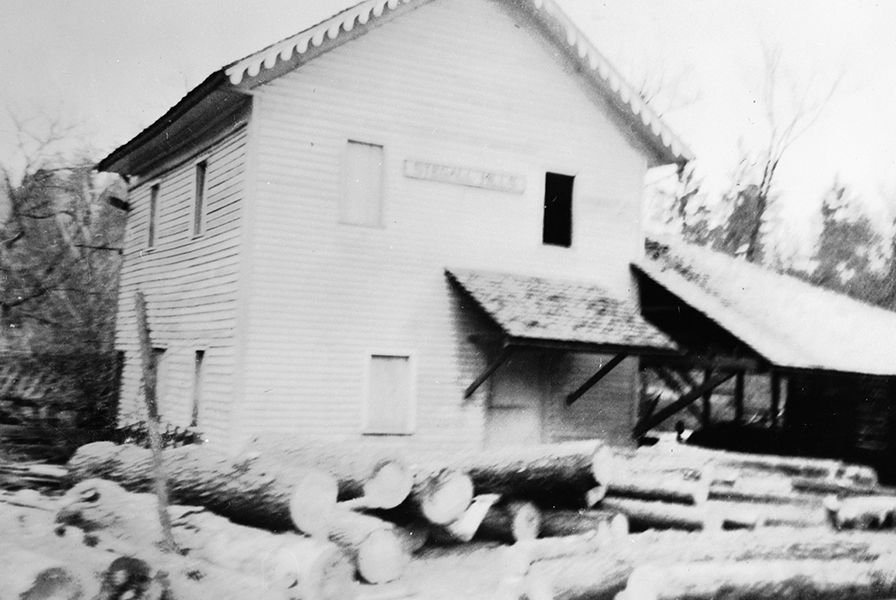
View on source site

The New Georgia Encyclopedia does not hold the copyright for this media resource and can neither grant nor deny permission to republish or reproduce the image online or in print. All requests for permission to publish or reproduce the resource must be submitted to the rights holder.

Stegall Mill

Stegall Mill

  • Info Details
  • Citation Terms of Use

The Stegall Mill, pictured in 1939, milled both lumber and wheat beside the Caretecay River in Gilmer County. Mills and cotton gins were among the earliest industries to be established in the county during the nineteenth century.

Courtesy of Georgia Archives, Vanishing Georgia, #gil002.
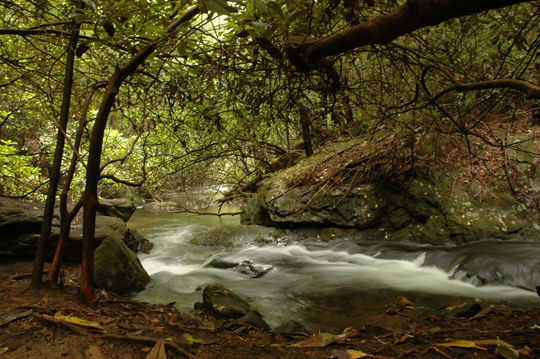
View on partner site

The New Georgia Encyclopedia does not hold the copyright for this media resource and can neither grant nor deny permission to republish or reproduce the image online or in print. Requests for permission to publish or reproduce the resource should be submitted to the Georgia Archives.

Chattahoochee National Forest

Chattahoochee National Forest

  • Info Details
  • Citation Terms of Use

A stream flows through the Chattahoochee National Forest, a large portion of which lies in Gilmer County.

Courtesy of Georgia Department of Economic Development.

The New Georgia Encyclopedia does not hold the copyright for this media resource and can neither grant nor deny permission to republish or reproduce the image online or in print. Requests for permission to publish or reproduce the resource may need to be submitted to the Georgia Department of Economic Development.

Clinch County Courthouse

Clinch County Courthouse

  • Info Details
  • Citation Terms of Use

Built in 1896, the Clinch County Courthouse in Homerville was originally designed in the Victorian style. In 1936 extensive renovations and additions, designed in the neoclassical revival style, were made to the courthouse, which is the third in the county's history.

Courtesy of Don Bowman
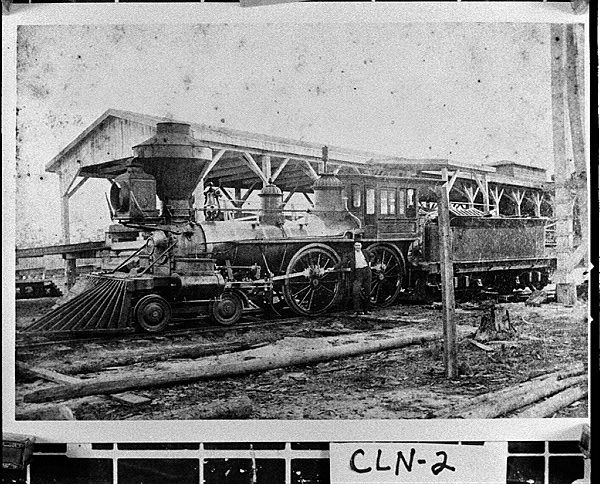
The New Georgia Encyclopedia does not hold the copyright for this media resource and can neither grant nor deny permission to republish or reproduce the image online or in print. All requests for permission to publish or reproduce the resource must be submitted to the rights holder.

Clinch County Sawmill

Clinch County Sawmill

  • Info Details
  • Citation Terms of Use

An engine stops at a sawmill in Clinch County, at a now-defunct town called Humphries between Dupont and Stockton, in 1893. The mill was located in the wiregrass region of the state, which was heavily logged in the late nineteenth and early twentieth centuries.

Courtesy of Georgia Archives, Vanishing Georgia, #cln002.
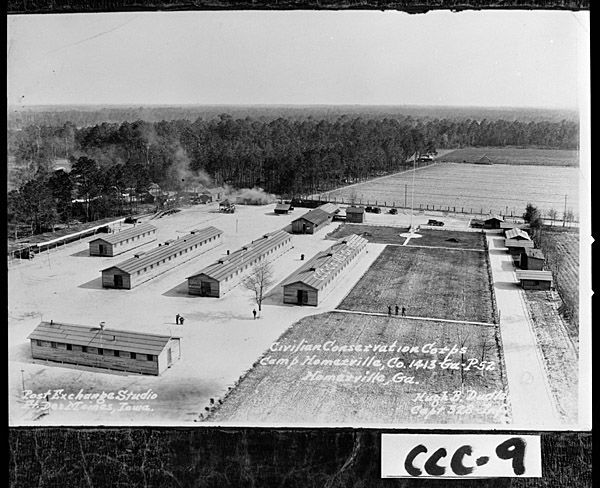
View on partner site

The New Georgia Encyclopedia does not hold the copyright for this media resource and can neither grant nor deny permission to republish or reproduce the image online or in print. Requests for permission to publish or reproduce the resource should be submitted to the Georgia Archives.

  • Info Details
  • Citation Terms of Use

The New Georgia Encyclopedia does not hold the copyright for this media resource and can neither grant nor deny permission to republish or reproduce the image online or in print. All requests for permission to publish or reproduce the resource must be submitted to the rights holder.

Camp Homerville

Camp Homerville

  • Info Details
  • Citation Terms of Use

Camp Homerville, pictured in 1934, was established in Clinch County during the Great Depression by the Civilian Conservation Corps, Company 1413. Members of the corps focused on forestry and photography.

Courtesy of Georgia Archives, Vanishing Georgia, #
ccc009.

View on partner site

The New Georgia Encyclopedia does not hold the copyright for this media resource and can neither grant nor deny permission to republish or reproduce the image online or in print. Requests for permission to publish or reproduce the resource should be submitted to the Georgia Archives.

Quitman County Courthouse

Quitman County Courthouse

  • Info Details
  • Citation Terms of Use

The Quitman County Courthouse in Georgetown was built in 1939. Designed in the stripped classical style, the structure also features colonial revival elements.

Courtesy of Don Bowman
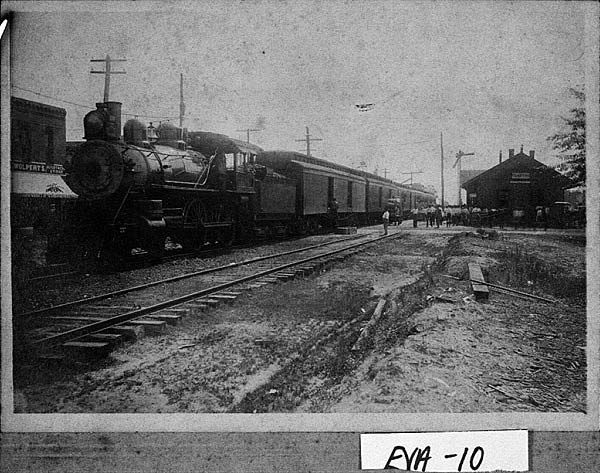
The New Georgia Encyclopedia does not hold the copyright for this media resource and can neither grant nor deny permission to republish or reproduce the image online or in print. All requests for permission to publish or reproduce the resource must be submitted to the rights holder.

  • Info Details
  • Citation Terms of Use

The New Georgia Encyclopedia does not hold the copyright for this media resource and can neither grant nor deny permission to republish or reproduce the image online or in print. All requests for permission to publish or reproduce the resource must be submitted to the rights holder.

  • Info Details
  • Citation Terms of Use

The New Georgia Encyclopedia does not hold the copyright for this media resource and can neither grant nor deny permission to republish or reproduce the image online or in print. All requests for permission to publish or reproduce the resource must be submitted to the rights holder.

Seaboard Air Line Railway

Seaboard Air Line Railway

  • Info Details
  • Citation Terms of Use

A Seaboard Air Line Railway train pulls into the depot at Claxton, circa 1915. Claxton, the seat of Evans County, was founded when the first railroad came through the area in the 1890s.

Courtesy of Georgia Archives, Vanishing Georgia, #
eva010.

View on partner site

The New Georgia Encyclopedia does not hold the copyright for this media resource and can neither grant nor deny permission to republish or reproduce the image online or in print. Requests for permission to publish or reproduce the resource should be submitted to the Georgia Archives.

Evans County Courthouse

Evans County Courthouse

  • Info Details
  • Citation Terms of Use

The courthouse in Evans County, designed in the neoclassical revival style, was built in Claxton in 1923. Substantial renovations were completed in 1980.

Courtesy of Don Bowman
The New Georgia Encyclopedia does not hold the copyright for this media resource and can neither grant nor deny permission to republish or reproduce the image online or in print. All requests for permission to publish or reproduce the resource must be submitted to the rights holder.

Claxton Fruit Cake

Claxton Fruit Cake

  • Info Details
  • Citation Terms of Use

Members of the Civitan Club in Newnan conduct a Claxton Fruit Cake sale, circa 1961. The Claxton Bakery, which produces the fruit cakes, was founded in Claxton, the seat of Evans County, in 1910 and continues operation today.

Courtesy of Georgia Archives, Vanishing Georgia, # cow053.

View on partner site

The New Georgia Encyclopedia does not hold the copyright for this media resource and can neither grant nor deny permission to republish or reproduce the image online or in print. Requests for permission to publish or reproduce the resource should be submitted to the Georgia Archives.

Dooly County Courthouse

Dooly County Courthouse

  • Info Details
  • Citation Terms of Use

The Dooly County Courthouse, completed in 1892, is the third to be erected in Vienna, the county seat. Designed in the Romanesque revival style, the courthouse underwent renovations in both 1963 and the late 1980s.

Courtesy of Don Bowman
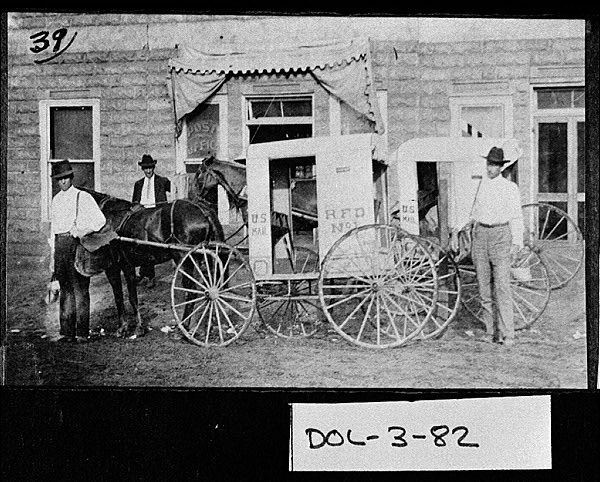
The New Georgia Encyclopedia does not hold the copyright for this media resource and can neither grant nor deny permission to republish or reproduce the image online or in print. All requests for permission to publish or reproduce the resource must be submitted to the rights holder.

Byromville Post Office

Byromville Post Office

  • Info Details
  • Citation Terms of Use

L. A. Woodruff (center), the postmaster of Byromville in Dooly County, stands outside the U.S. Post Office with two mail carriers, V. O. Webb (left) and Bob Johnson, circa 1910. Byromville, incorporated in 1905, is one of six incorporated towns in the county.

Courtesy of Georgia Archives, Vanishing Georgia, #
dol003-82.

View on partner site

The New Georgia Encyclopedia does not hold the copyright for this media resource and can neither grant nor deny permission to republish or reproduce the image online or in print. Requests for permission to publish or reproduce the resource should be submitted to the Georgia Archives.

  • Info Details
  • Citation Terms of Use

The New Georgia Encyclopedia does not hold the copyright for this media resource and can neither grant nor deny permission to republish or reproduce the image online or in print. All requests for permission to publish or reproduce the resource must be submitted to the rights holder.

Winterville Depot

Winterville Depot

  • Info Details
  • Citation Terms of Use

The Winterville railroad depot, built in Clarke County in the late nineteenth century, was first known as "Six-mile Station" to indicate its distance from Athens. Later known as Winter's Station, the depot today houses Winterville's visitors center.

Courtesy of Historic Preservation Division, Georgia Department of Community Affairs.

The New Georgia Encyclopedia does not hold the copyright for this media resource and can neither grant nor deny permission to republish or reproduce the image online or in print. Requests for permission to publish or reproduce the resource may need to be submitted to the Georgia Department of Community Affairs, Historic Preservation Division.

Clarke County Courthouse

Clarke County Courthouse

  • Info Details
  • Citation Terms of Use

The Clarke County Courthouse, located in Athens, was built in 1914 and designed by A. Ten Eyck Brown. It has elements of Italian Renaissance revival, neoclassical revival, and Beaux-Arts classicism architecture.

Courtesy of Don Bowman
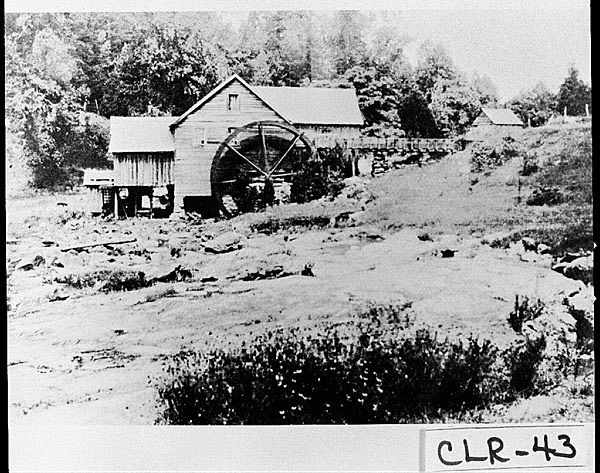
The New Georgia Encyclopedia does not hold the copyright for this media resource and can neither grant nor deny permission to republish or reproduce the image online or in print. All requests for permission to publish or reproduce the resource must be submitted to the rights holder.

Puryear’s Mill

Puryear’s Mill

  • Info Details
  • Citation Terms of Use

Puryear's Mill, pictured circa 1918, was located on Cedar Creek in Clarke County and operated as a cotton gin and corn mill. The facility was dismantled in 1945.

Courtesy of Georgia Archives, Vanishing Georgia, #
clr043.

View on partner site

The New Georgia Encyclopedia does not hold the copyright for this media resource and can neither grant nor deny permission to republish or reproduce the image online or in print. Requests for permission to publish or reproduce the resource should be submitted to the Georgia Archives.

  • Info Details
  • Citation Terms of Use

The New Georgia Encyclopedia does not hold the copyright for this media resource and can neither grant nor deny permission to republish or reproduce the image online or in print. All requests for permission to publish or reproduce the resource must be submitted to the rights holder.

Russell Appreciation Day

Russell Appreciation Day

  • Info Details
  • Citation Terms of Use

In 1957 the residents of Winder celebrated "Russell Appreciation Day" in honor of Richard B. Russell Jr., a longtime resident of the city. Russell, waving from the car, served briefly as governor of the state before becoming a U.S. senator in 1933. He remained in the Senate until his death in 1971.

Courtesy of Georgia Archives, Vanishing Georgia, #
brw091.

View on partner site

The New Georgia Encyclopedia does not hold the copyright for this media resource and can neither grant nor deny permission to republish or reproduce the image online or in print. Requests for permission to publish or reproduce the resource should be submitted to the Georgia Archives.

Winder

Winder

  • Info Details
  • Citation Terms of Use

The city of Winder is the seat of Barrow County. Incorporated in 1884, the town covers about eleven square miles and serves as a bedroom community for Atlanta.

Image from Thomson M

The New Georgia Encyclopedia does not hold the copyright for this media resource and can neither grant nor deny permission to republish or reproduce the image online or in print. All requests for permission to publish or reproduce the resource must be submitted to the rights holder.

Winder Depot

Winder Depot

  • Info Details
  • Citation Terms of Use

The old train depot in Winder currently houses the city's chamber of commerce. The arrival in 1883 of the railroad spurred economic growth in Winder, which was renamed in appreciation of John H. Winder, the general manager of Seaboard Air Line Railway.

Image from Chris Pruitt

The New Georgia Encyclopedia does not hold the copyright for this media resource and can neither grant nor deny permission to republish or reproduce the image online or in print. All requests for permission to publish or reproduce the resource must be submitted to the rights holder.

Broad Street

Broad Street

  • Info Details
  • Citation Terms of Use

Shops line Broad Street, pictured circa 1910, in downtown Winder. Today Broad Street continues to be a major thoroughfare in the city, which is the seat of Barrow County.

Courtesy of Georgia Archives, Vanishing Georgia, #
brw270-82.

View on partner site

The New Georgia Encyclopedia does not hold the copyright for this media resource and can neither grant nor deny permission to republish or reproduce the image online or in print. Requests for permission to publish or reproduce the resource should be submitted to the Georgia Archives.

Fort Yargo

Fort Yargo

  • Info Details
  • Citation Terms of Use

The two-story log blockhouse at Fort Yargo, founded in 1792, was built by white settlers as a defense against hostile Muscogee (Creek) Indians in the area of present-day Barrow County. Today the fort serves as a state park.

Courtesy of Explore Georgia, Photograph by Ralph Daniel.

The New Georgia Encyclopedia does not hold the copyright for this media resource and can neither grant nor deny permission to republish or reproduce the image online or in print. Requests for permission to publish or reproduce the resource may need to be submitted to Explore Georgia.

Emanuel County Courthouse

Emanuel County Courthouse

  • Info Details
  • Citation Terms of Use

The Emanuel County Courthouse, the seventh in the county's history, was built in Swainsboro in 2002. The previous courthouse, completed in 1940, was the first in the county's history that did not burn. It was demolished in 2000, and a city park was built on the site.

Courtesy of Don Bowman

The New Georgia Encyclopedia does not hold the copyright for this media resource and can neither grant nor deny permission to republish or reproduce the image online or in print. All requests for permission to publish or reproduce the resource must be submitted to the rights holder.

Lumber Workers

Lumber Workers

  • Info Details
  • Citation Terms of Use

Workers for the Swainsboro Lumber Company in Emanuel County pose with timber, circa 1935. The company operated for approximately twenty years as part of the community's thriving lumber industry, which began in the 1870s with the arrival of the railroad.

Courtesy of Georgia Archives, Vanishing Georgia, # emn052.

View on partner site

The New Georgia Encyclopedia does not hold the copyright for this media resource and can neither grant nor deny permission to republish or reproduce the image online or in print. Requests for permission to publish or reproduce the resource should be submitted to the Georgia Archives.

Parrish Mill

Parrish Mill

  • Info Details
  • Citation Terms of Use

Parrish Mill in the George L. Smith State Park in Emanuel County was built around 1880 and served in a variety of capacities, including as a sawmill and a dam. The park also offers camping, hiking, and boating to visitors.

Courtesy of Georgia Department of Economic Development.
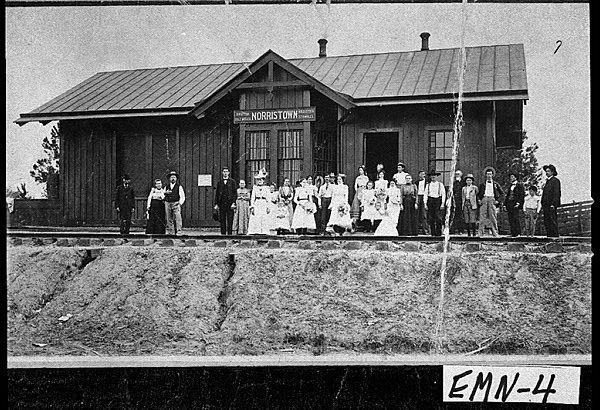
The New Georgia Encyclopedia does not hold the copyright for this media resource and can neither grant nor deny permission to republish or reproduce the image online or in print. Requests for permission to publish or reproduce the resource may need to be submitted to the Georgia Department of Economic Development.

Norristown Depot

Norristown Depot

  • Info Details
  • Citation Terms of Use

A crowd gathers to meet the train at the Central of Georgia Railway depot in Norristown, in Emanuel County. The arrival of railroads in the county during the 1870s spurred the growth of the local lumber industry.

Courtesy of Georgia Archives, Vanishing Georgia, #emn004.
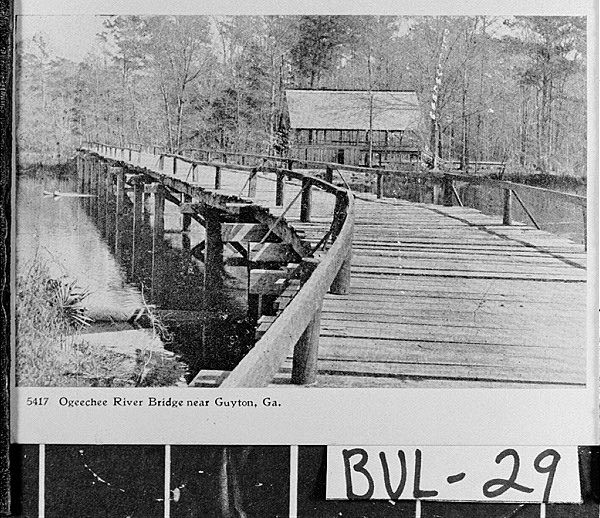
View on partner site

The New Georgia Encyclopedia does not hold the copyright for this media resource and can neither grant nor deny permission to republish or reproduce the image online or in print. Requests for permission to publish or reproduce the resource should be submitted to the Georgia Archives.

Ogeechee River Bridge

Ogeechee River Bridge

  • Info Details
  • Citation Terms of Use

A wooden bridge, pictured in 1908, crosses the Ogeechee River near Guyton in Effingham County. Today visitors to Guyton enjoy the Guyton Historic District and the Mossy Oak Music Park.

Courtesy of Georgia Archives, Vanishing Georgia, #
bul029.

View on partner site

The New Georgia Encyclopedia does not hold the copyright for this media resource and can neither grant nor deny permission to republish or reproduce the image online or in print. Requests for permission to publish or reproduce the resource should be submitted to the Georgia Archives.

Effingham County Courthouse

Effingham County Courthouse

  • Info Details
  • Citation Terms of Use

The Effingham County Courthouse in Springfield was built in 1908 and designed in the neoclassical revival style. The courthouse is likely the second to be constructed in Springfield, which was named the fourth seat in the county's history in 1799.

Photograph by Jimmy Emerson, DVM

The New Georgia Encyclopedia does not hold the copyright for this media resource and can neither grant nor deny permission to republish or reproduce the image online or in print. All requests for permission to publish or reproduce the resource must be submitted to the rights holder.

Johann Martin Boltzius

Johann Martin Boltzius

  • Info Details
  • Citation Terms of Use

Lutheran minister Johann Martin Boltzius, along with religious refugees from Salzburger, founded the settlement of Ebenezer near Savannah in the early 1730s as a religious utopia. Boltzius hoped to create a successful economic system that was not dependent upon slavery.

Courtesy of Hargrett Rare Book and Manuscript Library, University of Georgia Libraries.

The New Georgia Encyclopedia does not hold the copyright for this media resource and can neither grant nor deny permission to republish or reproduce the image online or in print. Requests for permission to publish or reproduce the resource should be submitted to the Hargrett Manuscript and Rare Book Library at the University of Georgia.

Jerusalem Church

Jerusalem Church

  • Info Details
  • Citation Terms of Use

Jerusalem Church was established by the Salzburgers in Ebenezer during the 1730s. Ebenezer, left in ruins after the Revolutionary War, had disappeared by 1855, but Jerusalem Church, now known as Jerusalem Evangelical Lutheran Church, still stands. It is one of the few buildings in Georgia left intact after the Revolutionary War.

Photograph by Bruce Tuten

The New Georgia Encyclopedia does not hold the copyright for this media resource and can neither grant nor deny permission to republish or reproduce the image online or in print. All requests for permission to publish or reproduce the resource must be submitted to the rights holder.

Confederate Veterans

Confederate Veterans

  • Info Details
  • Citation Terms of Use

Confederate veterans of the Civil War stand outside the Effingham County Courthouse in 1901. During the war, Union troops occupied the abandoned town of Ebenezer, founded in the county by Lutherans around 1734.

Courtesy of Georgia Archives, Vanishing Georgia, #
eff001.

View on partner site

The New Georgia Encyclopedia does not hold the copyright for this media resource and can neither grant nor deny permission to republish or reproduce the image online or in print. Requests for permission to publish or reproduce the resource should be submitted to the Georgia Archives.

Delivery Wagon

Delivery Wagon

  • Info Details
  • Citation Terms of Use

Springfield resident S. M. Claxton poses beside his delivery wagon, used to transport soda water, in 1913. In the years after the Civil War, Springfield began to decline, losing many of its businesses to the nearby town of Rincon.

Courtesy of Georgia Archives, Vanishing Georgia, #
eff003.

View on partner site

The New Georgia Encyclopedia does not hold the copyright for this media resource and can neither grant nor deny permission to republish or reproduce the image online or in print. Requests for permission to publish or reproduce the resource should be submitted to the Georgia Archives.

Burke County Courthouse

Burke County Courthouse

  • Info Details
  • Citation Terms of Use

The Burke County Courthouse in Waynesboro was completed in 1857. The vernacular architectural style includes Italianate elements as well as a Victorian clock tower. The fourth courthouse in the county's history, the structure replaced one that was both built and burnt in 1856.

Photograph by J Stephen Conn
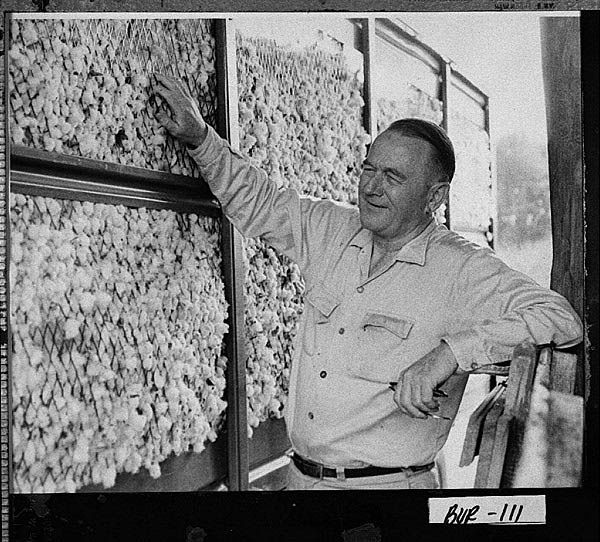
The New Georgia Encyclopedia does not hold the copyright for this media resource and can neither grant nor deny permission to republish or reproduce the image online or in print. All requests for permission to publish or reproduce the resource must be submitted to the rights holder.

Bellevue Cotton

Bellevue Cotton

  • Info Details
  • Citation Terms of Use

Porter W. Carswell, who served in both houses of the state legislature during his political career, examines cotton grown in 1966 on Bellevue Plantation in Burke County.

Courtesy of Georgia Archives, Vanishing Georgia, #
bur111.
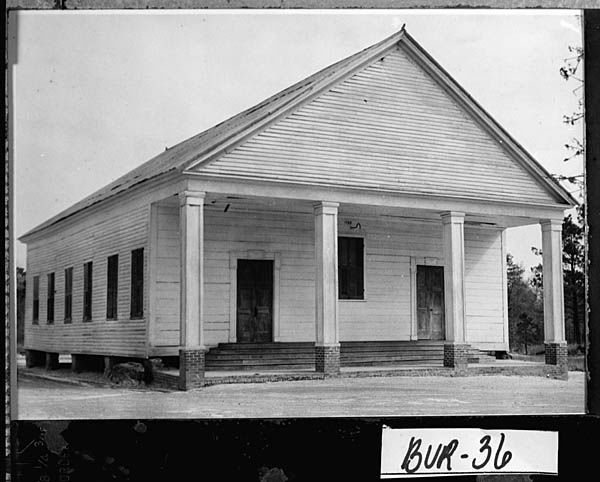
View on partner site

The New Georgia Encyclopedia does not hold the copyright for this media resource and can neither grant nor deny permission to republish or reproduce the image online or in print. Requests for permission to publish or reproduce the resource should be submitted to the Georgia Archives.

Bark Camp Church

Bark Camp Church

  • Info Details
  • Citation Terms of Use

The Bark Camp Church, pictured around 1900, was a Baptist church established in 1788 on the Bark Camp site in Burke County. Bark Camp, founded prior to the Revolutionary War, served as a camp for incoming settlers to the area.

Courtesy of Georgia Archives, Vanishing Georgia, #
bur036.

View on partner site

The New Georgia Encyclopedia does not hold the copyright for this media resource and can neither grant nor deny permission to republish or reproduce the image online or in print. Requests for permission to publish or reproduce the resource should be submitted to the Georgia Archives.

Wilkinson County Courthouse

Wilkinson County Courthouse

  • Info Details
  • Citation Terms of Use

The Wilkinson County Courthouse, designed in the colonial revival style, was built in Irwinton in 1924. Wilkinson County was established in 1803 from land that was ceded by the Muscogee (Creek) Indians to the state in the 1802 Treaty of Fort Wilkinson.

Photograph by C Smith
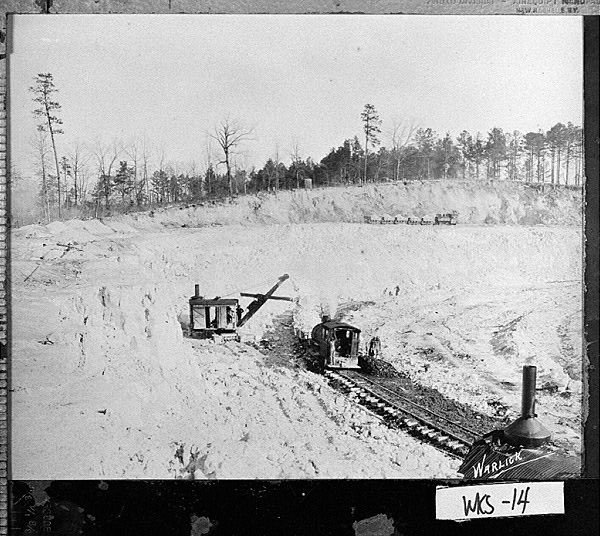
The New Georgia Encyclopedia does not hold the copyright for this media resource and can neither grant nor deny permission to republish or reproduce the image online or in print. All requests for permission to publish or reproduce the resource must be submitted to the rights holder.

Klondyke Mine

Klondyke Mine

  • Info Details
  • Citation Terms of Use

Kaolin is extracted in Wilkinson County at the Klondyke Mine, owned by the Edgar Brothers Kaolin Company, in 1936. The steam shovel (left) deposits the kaolin, a white clay-like substance used in the manufacture of a variety of products, into a rail car that carries the substance to a plant for processing.

Courtesy of Georgia Archives, Vanishing Georgia, #
wks014.

View on partner site

The New Georgia Encyclopedia does not hold the copyright for this media resource and can neither grant nor deny permission to republish or reproduce the image online or in print. Requests for permission to publish or reproduce the resource should be submitted to the Georgia Archives.

Troup County Courthouse

Troup County Courthouse

  • Info Details
  • Citation Terms of Use

The Troup County Courthouse in LaGrange, designed in the stripped classical style, was completed in 1939. It is the third courthouse in the county's history.

Photograph by Jimmy Emerson, DVM
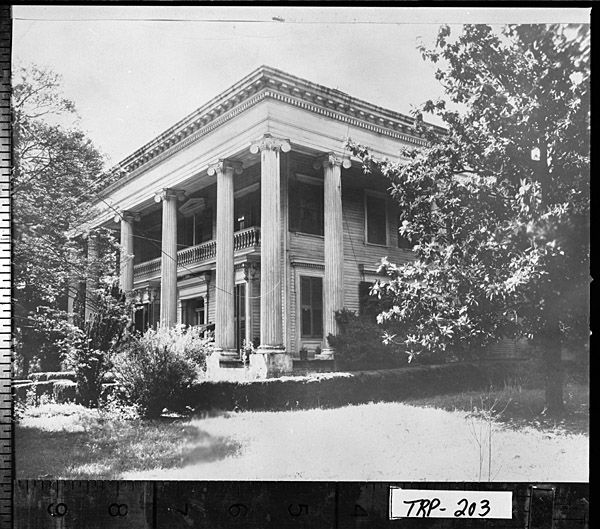
The New Georgia Encyclopedia does not hold the copyright for this media resource and can neither grant nor deny permission to republish or reproduce the image online or in print. All requests for permission to publish or reproduce the resource must be submitted to the rights holder.

Bellevue

Bellevue

  • Info Details
  • Citation Terms of Use

Bellevue, pictured in 1900, was the home of Benjamin Hill, a senator from Georgia in both the U.S. and Confederate congresses. Designed in the Greek revival style, the house was completed in 1855.

Courtesy of Georgia Archives, Vanishing Georgia, #
trp203.

View on partner site

The New Georgia Encyclopedia does not hold the copyright for this media resource and can neither grant nor deny permission to republish or reproduce the image online or in print. Requests for permission to publish or reproduce the resource should be submitted to the Georgia Archives.

West Point Dam and Lake

West Point Dam and Lake

  • Info Details
  • Citation Terms of Use

The West Point Dam and Lake was constructed in Troup County by the U.S. Army Corps of Engineers during the 1960s and 1970s to help control flooding in the area. Today the lake is a popular public recreation area.

Courtesy of U.S. Army Corps of Engineers

The New Georgia Encyclopedia does not hold the copyright for this media resource and can neither grant nor deny permission to republish or reproduce the image online or in print. All requests for permission to publish or reproduce the resource must be submitted to the rights holder.

Oglethorpe

Oglethorpe

  • Info Details
  • Citation Terms of Use

The clock tower of the Macon County Courthouse rises over downtown Oglethorpe, the county seat. Oglethorpe was incorporated in 1849 on land first settled by Timothy Barnard, who operated an Indian trading post prior to the Revolutionary War.

Photograph by Sherri Martin, The Citizen Georgian

The New Georgia Encyclopedia does not hold the copyright for this media resource and can neither grant nor deny permission to republish or reproduce the image online or in print. All requests for permission to publish or reproduce the resource must be submitted to the rights holder.

  • Info Details
  • Citation Terms of Use

The New Georgia Encyclopedia does not hold the copyright for this media resource and can neither grant nor deny permission to republish or reproduce the image online or in print. All requests for permission to publish or reproduce the resource must be submitted to the rights holder.

  • Info Details
  • Citation Terms of Use

The New Georgia Encyclopedia does not hold the copyright for this media resource and can neither grant nor deny permission to republish or reproduce the image online or in print. All requests for permission to publish or reproduce the resource must be submitted to the rights holder.

Eagle Tavern

Eagle Tavern

  • Info Details
  • Citation Terms of Use

Eagle Tavern in Watkinsville opened in 1801 and served as a stop for stage travelers during much of the nineteenth century. The tavern was dedicated as a historic site in 1966 by the Georgia Historical Commission and today houses a museum.

Photograph by Melinda Smith Mullikin, New Georgia Encyclopedia

The New Georgia Encyclopedia does not hold the copyright for this media resource and can neither grant nor deny permission to republish or reproduce the image online or in print. All requests for permission to publish or reproduce the resource must be submitted to the rights holder.

Watkinsville

Watkinsville

  • Info Details
  • Citation Terms of Use

The city of Watkinsville, founded around 1791, is the seat of Oconee County. Agriculture has remained the primary economic activity throughout the city's history.

Courtesy of Tricia Smith, Oconee County Board of Commissioners

The New Georgia Encyclopedia does not hold the copyright for this media resource and can neither grant nor deny permission to republish or reproduce the image online or in print. All requests for permission to publish or reproduce the resource must be submitted to the rights holder.

Elder Mill Covered Bridge

Elder Mill Covered Bridge

  • Info Details
  • Citation Terms of Use

Elder Mill Covered Bridge, located south of Watkinsville, was built in the late nineteenth century and is one of the state's few covered wooden bridges still in use today.

Image from Jimmy Emerson, DVM

View on source site

The New Georgia Encyclopedia does not hold the copyright for this media resource and can neither grant nor deny permission to republish or reproduce the image online or in print. All requests for permission to publish or reproduce the resource must be submitted to the rights holder.

Ludowici

Ludowici

  • Info Details
  • Citation Terms of Use

A "Dixie" tile roof graces a home in Ludowici, the seat of Long County in east Georgia. "Dixie" tiles were produced by the Ludowici-Celadon Roofing Tile Company at its plant near the town from the early 1900s until 1914.

Photograph by Luciana Spracher

The New Georgia Encyclopedia does not hold the copyright for this media resource and can neither grant nor deny permission to republish or reproduce the image online or in print. All requests for permission to publish or reproduce the resource must be submitted to the rights holder.

Long County Courthouse

Long County Courthouse

  • Info Details
  • Citation Terms of Use

The Long County Courthouse was built in Ludowici in 1926, six years after the county's creation from the western portion of Liberty County. The original courthouse is still in use today.

Courtesy of Debbie's Diner, Ludowici
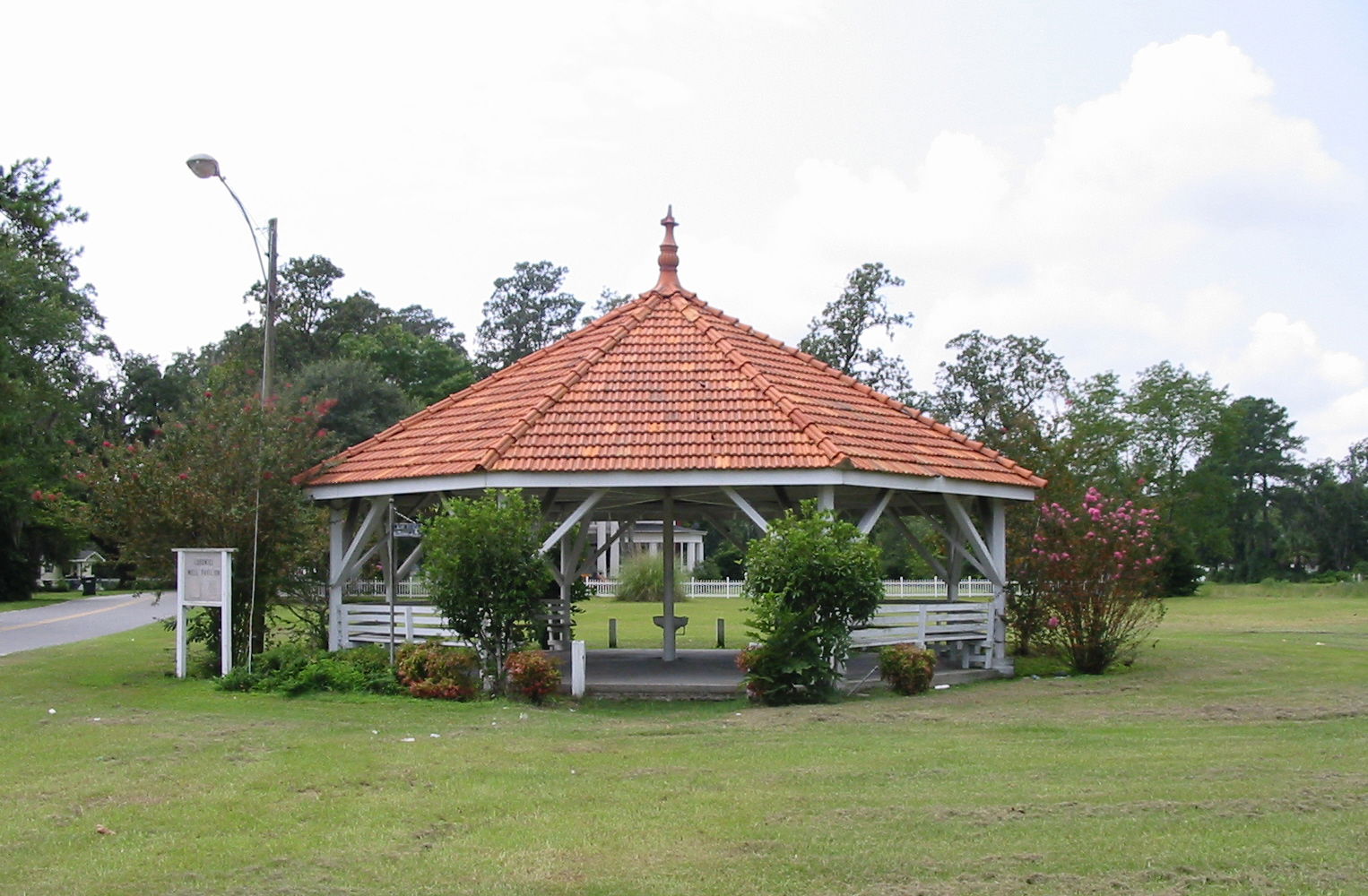
The New Georgia Encyclopedia does not hold the copyright for this media resource and can neither grant nor deny permission to republish or reproduce the image online or in print. All requests for permission to publish or reproduce the resource must be submitted to the rights holder.

Ludowici Well Pavilion

Ludowici Well Pavilion

  • Info Details
  • Citation Terms of Use

The Ludowici Well Pavilion was constructed in 1905 and today serves as a public park in the center of town. The octagonal structure houses an artesian well and is covered with "Dixie" tile, which was manufactured in Ludowici early in the twentieth century.

Photograph by Luciana Spracher

The New Georgia Encyclopedia does not hold the copyright for this media resource and can neither grant nor deny permission to republish or reproduce the image online or in print. All requests for permission to publish or reproduce the resource must be submitted to the rights holder.

Ludowici Billboard

Ludowici Billboard

  • Info Details
  • Citation Terms of Use

C. W. Herndon, a Georgia Bureau of Investigation agent, stands before a billboard, erected at his suggestion, in 1970. During the mid-twentieth century, the town of Ludowici in east Georgia acquired the reputation of being a speed trap, in which tourists traveling to and from Florida were often stopped.

Courtesy of Georgia Archives, Vanishing Georgia, #
lon001.

View on partner site

The New Georgia Encyclopedia does not hold the copyright for this media resource and can neither grant nor deny permission to republish or reproduce the image online or in print. Requests for permission to publish or reproduce the resource should be submitted to the Georgia Archives.

  • Info Details
  • Citation Terms of Use

The New Georgia Encyclopedia does not hold the copyright for this media resource and can neither grant nor deny permission to republish or reproduce the image online or in print. All requests for permission to publish or reproduce the resource must be submitted to the rights holder.

Fayetteville Academy

Fayetteville Academy

  • Info Details
  • Citation Terms of Use

Students of the Fayetteville Academy in Fayette County gather before the school in the mid-1880s. The school, which served as the model for Margaret Mitchell's fictional Fayetteville Female Academy in Gone With the Wind, was housed in the Holliday-Dorsey-Fife home, erected in 1855.

Courtesy of Fayette County Historical Society 
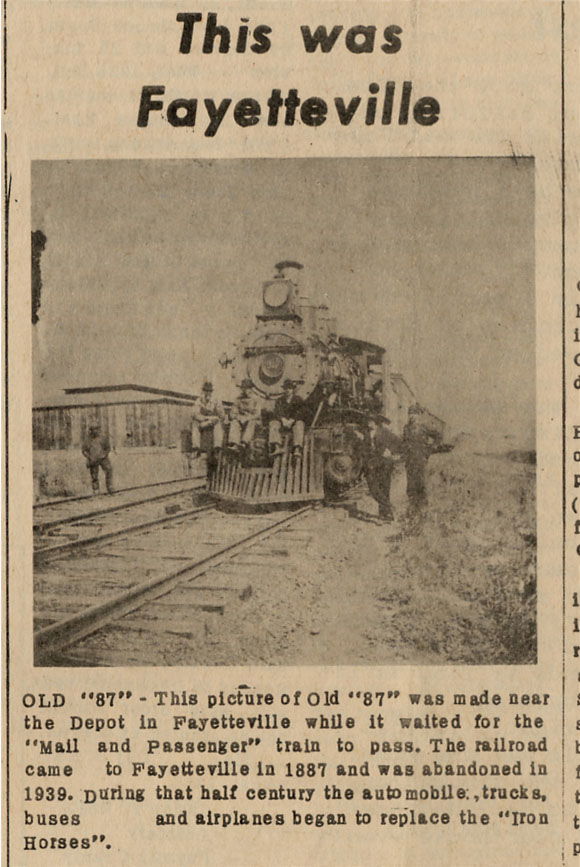
The New Georgia Encyclopedia does not hold the copyright for this media resource and can neither grant nor deny permission to republish or reproduce the image online or in print. All requests for permission to publish or reproduce the resource must be submitted to the rights holder.

Old 87

Old 87

  • Info Details
  • Citation Terms of Use

The "Old 87" locomotive sits on the tracks outside the Fayetteville depot late in the nineteenth century. The Atlanta and Florida railroad line arrived in Fayetteville in 1888 and spurred an economic recovery in the area following the devastation of the Civil War.

Courtesy of Fayette County Historical Society

The New Georgia Encyclopedia does not hold the copyright for this media resource and can neither grant nor deny permission to republish or reproduce the image online or in print. All requests for permission to publish or reproduce the resource must be submitted to the rights holder.

Fayetteville Square

Fayetteville Square

  • Info Details
  • Citation Terms of Use

Citizens in Fayetteville are pictured circa 1906 on the downtown square. Following several decades of prosperity, the town suffered an economic downturn in the 1920s and 1930s as the result of a drought, the Great Depression, and the closure of its railroad line.

Courtesy of Fayette County Historical Society

The New Georgia Encyclopedia does not hold the copyright for this media resource and can neither grant nor deny permission to republish or reproduce the image online or in print. All requests for permission to publish or reproduce the resource must be submitted to the rights holder.

Crisp County Courthouse

Crisp County Courthouse

  • Info Details
  • Citation Terms of Use

The Crisp County Superior Court building in Cordele was opened in the late 2000s.

Courtesy of Don Bowman
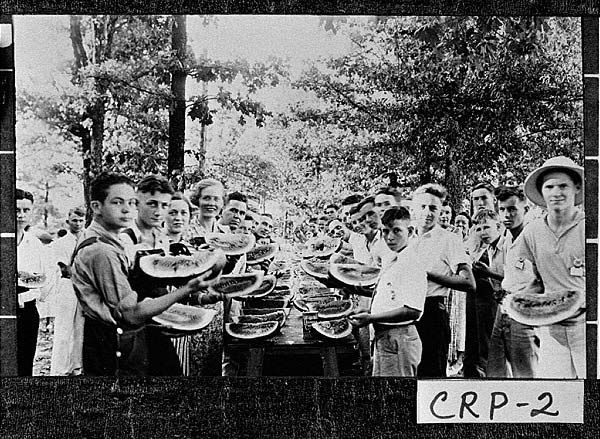
The New Georgia Encyclopedia does not hold the copyright for this media resource and can neither grant nor deny permission to republish or reproduce the image online or in print. All requests for permission to publish or reproduce the resource must be submitted to the rights holder.

Watermelon Eating

Watermelon Eating

  • Info Details
  • Citation Terms of Use

Residents of Crisp County gather for a watermelon eating, circa 1939. Watermelons are an important commodity in the county's economy, and the crop is celebrated annually with the Watermelon Days Festival, which is held in Cordele each July

Courtesy of Georgia Archives, Vanishing Georgia, #
crp002.
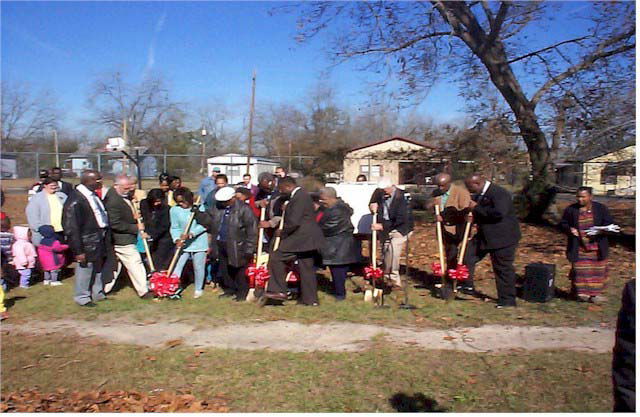
View on partner site

The New Georgia Encyclopedia does not hold the copyright for this media resource and can neither grant nor deny permission to republish or reproduce the image online or in print. Requests for permission to publish or reproduce the resource should be submitted to the Georgia Archives.

Rural Life Center Groundbreaking

Rural Life Center Groundbreaking

  • Info Details
  • Citation Terms of Use

The groundbreaking for the St. Paul/Gillespie-Selden Rural Life Community Center in Cordele took place in December 1999. The center offers a twenty-four-hour child-care facility for parents on welfare who are struggling to find work.

Courtesy of USDA Rural Development
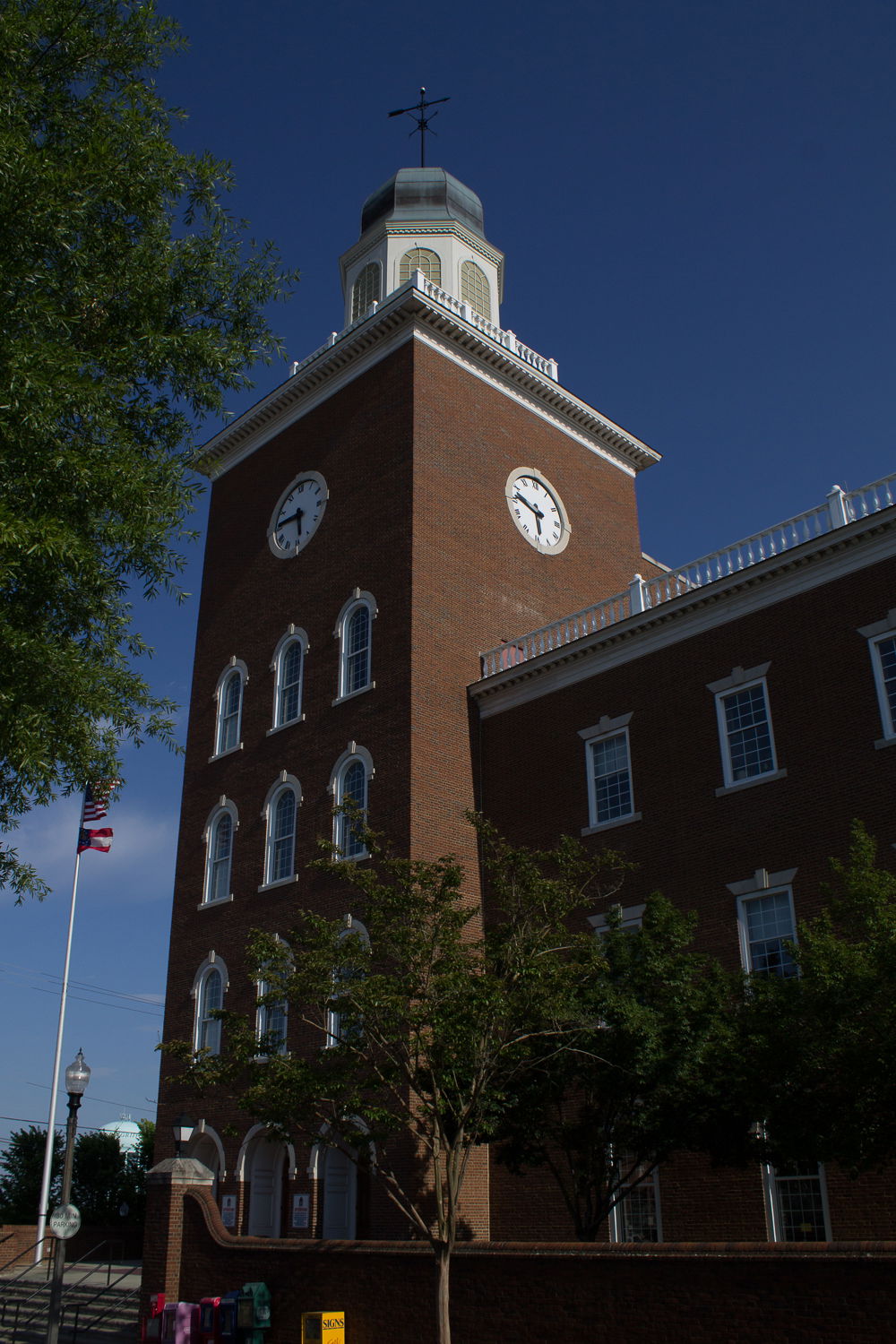
The New Georgia Encyclopedia does not hold the copyright for this media resource and can neither grant nor deny permission to republish or reproduce the image online or in print. All requests for permission to publish or reproduce the resource must be submitted to the rights holder.

Spalding County Courthouse

Spalding County Courthouse

  • Info Details
  • Citation Terms of Use

The Spalding County Courthouse was built in Griffin in 1985. It replaced the county's 1911 courthouse, which burned down in 1981.

Courtesy of Don Bowman

The New Georgia Encyclopedia does not hold the copyright for this media resource and can neither grant nor deny permission to republish or reproduce the image online or in print. All requests for permission to publish or reproduce the resource must be submitted to the rights holder.

Stonewall Confederate Cemetery and Memorial Park

Stonewall Confederate Cemetery and Memorial Park

  • Info Details
  • Citation Terms of Use

The remains of more than 500 Confederate soldiers and 1 Union soldier are buried in Griffin's Stonewall Confederate Cemetery and Memorial Park. The cemetery was established around 1867 by the Ladies Memorial Aid Society in Griffin.

Photograph by Melinda Smith Mullikin, New Georgia Encyclopedia

The New Georgia Encyclopedia does not hold the copyright for this media resource and can neither grant nor deny permission to republish or reproduce the image online or in print. All requests for permission to publish or reproduce the resource must be submitted to the rights holder.

  • Info Details
  • Citation Terms of Use

The New Georgia Encyclopedia does not hold the copyright for this media resource and can neither grant nor deny permission to republish or reproduce the image online or in print. All requests for permission to publish or reproduce the resource must be submitted to the rights holder.

  • Info Details
  • Citation Terms of Use

The New Georgia Encyclopedia does not hold the copyright for this media resource and can neither grant nor deny permission to republish or reproduce the image online or in print. All requests for permission to publish or reproduce the resource must be submitted to the rights holder.

Albany Locomotive

Albany Locomotive

  • Info Details
  • Citation Terms of Use

An old locomotive sits at an Albany station.

Courtesy of Steve Storey

The New Georgia Encyclopedia does not hold the copyright for this media resource and can neither grant nor deny permission to republish or reproduce the image online or in print. All requests for permission to publish or reproduce the resource must be submitted to the rights holder.

Dougherty County Courthouse

Dougherty County Courthouse

  • Info Details
  • Citation Terms of Use

The Dougherty County Courthouse in Albany, the county's third, was built in 1968 in the modern style. In 1993, after the completion of a new government center to house nonjudicial offices, the courthouse was named the Albany–Dougherty County Judicial Building.

Courtesy of Don Bowman
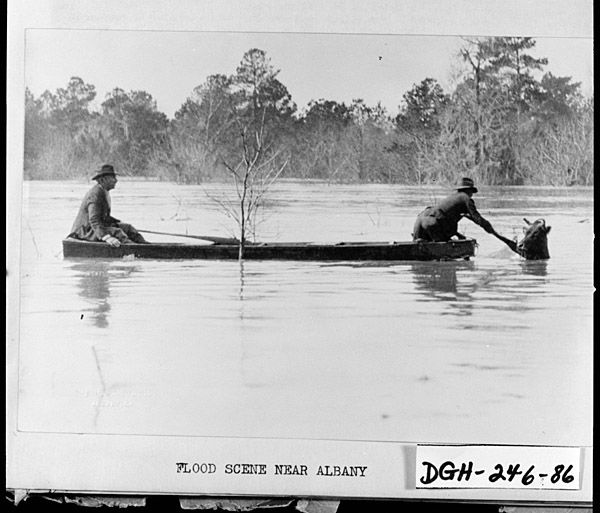
The New Georgia Encyclopedia does not hold the copyright for this media resource and can neither grant nor deny permission to republish or reproduce the image online or in print. All requests for permission to publish or reproduce the resource must be submitted to the rights holder.

Flint River Flood of 1925

Flint River Flood of 1925

  • Info Details
  • Citation Terms of Use

Two men attempt to rescue a cow in high water near Albany during the Flint River flood of 1925. The Flint River has overrun its banks several times in Albany's history; the most severe flood occurred in the summer of 1994, when the river crested in the city at more than forty-three feet.

Courtesy of Georgia Archives, Vanishing Georgia, #
dgh246-86.

View on partner site

The New Georgia Encyclopedia does not hold the copyright for this media resource and can neither grant nor deny permission to republish or reproduce the image online or in print. Requests for permission to publish or reproduce the resource should be submitted to the Georgia Archives.

The Parks at Chehaw

The Parks at Chehaw

  • Info Details
  • Citation Terms of Use

Visitors feed a rhino in the Parks at Chehaw in Albany. The zoo was designed by Dougherty County native Jim Fowler, the longtime cohost of Mutual of Omaha's Wild Kingdom. The Chehaw zoo and Zoo Atlanta are the only two accredited zoos in the state.

Courtesy of Explore Georgia, Photograph by Ralph Daniel.
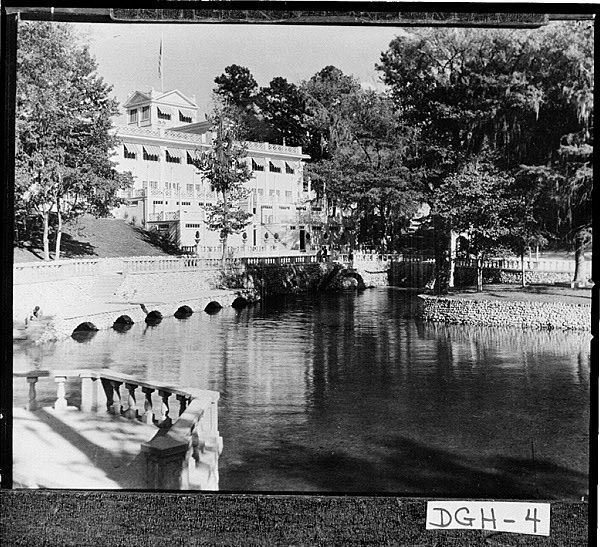
The New Georgia Encyclopedia does not hold the copyright for this media resource and can neither grant nor deny permission to republish or reproduce the image online or in print. Requests for permission to publish or reproduce the resource may need to be submitted to Explore Georgia.

Radium Springs

Radium Springs

  • Info Details
  • Citation Terms of Use

Radium Springs, one of Georgia's Seven Natural Wonders, was the site of a casino that had its heyday during the 1920s. The casino was demolished in 2003.

Courtesy of Georgia Archives, Vanishing Georgia, #
dgh004.
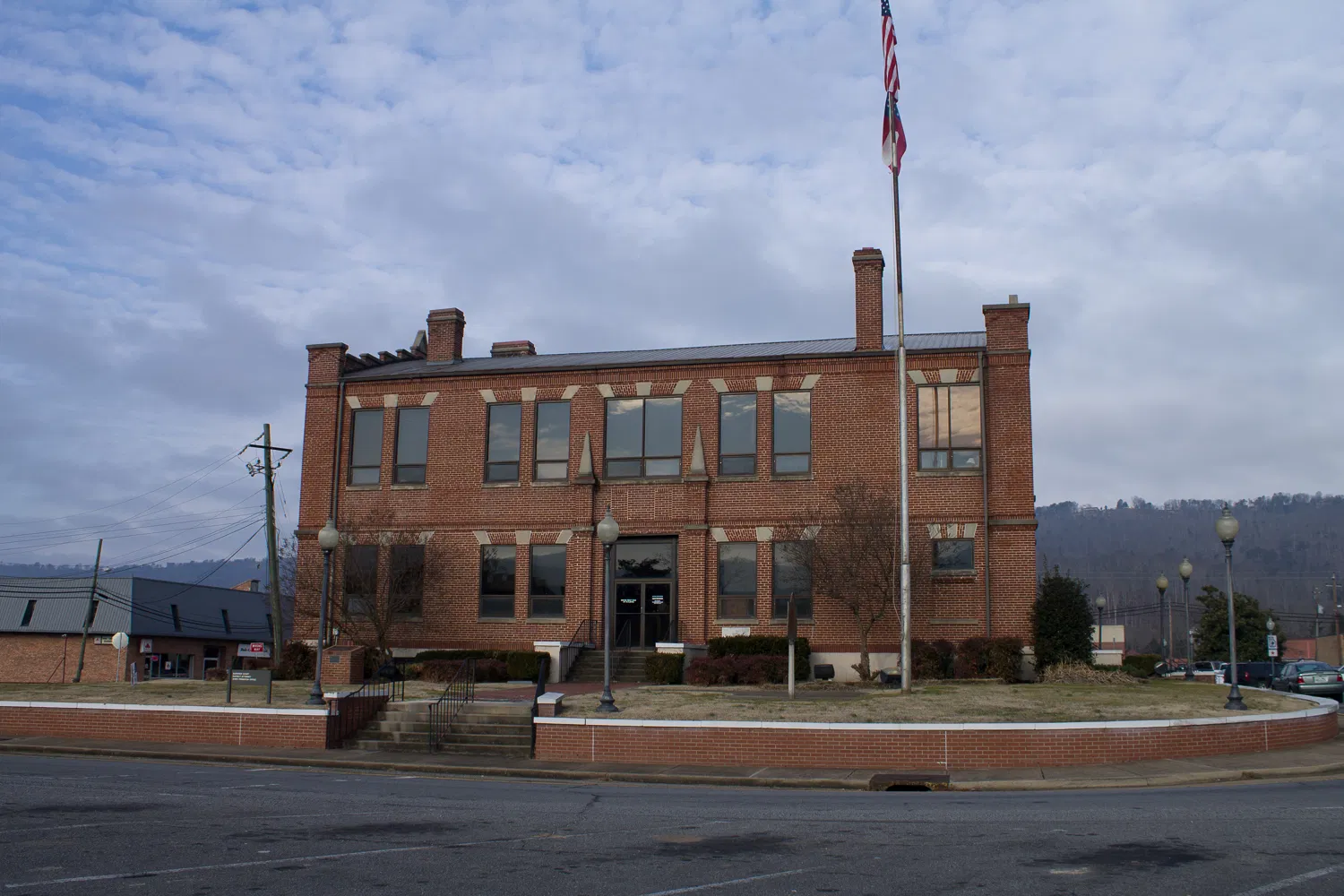
View on partner site

The New Georgia Encyclopedia does not hold the copyright for this media resource and can neither grant nor deny permission to republish or reproduce the image online or in print. Requests for permission to publish or reproduce the resource should be submitted to the Georgia Archives.

Dade County Courthouse

Dade County Courthouse

  • Info Details
  • Citation Terms of Use

The Dade County Courthouse in Trenton, built in 1926, was designed in the Dutch colonial revival style. It houses the county's superior court, district attorney, and state probation office.

Courtesy of Don Bowman

The New Georgia Encyclopedia does not hold the copyright for this media resource and can neither grant nor deny permission to republish or reproduce the image online or in print. All requests for permission to publish or reproduce the resource must be submitted to the rights holder.

  • Info Details
  • Citation Terms of Use

The New Georgia Encyclopedia does not hold the copyright for this media resource and can neither grant nor deny permission to republish or reproduce the image online or in print. All requests for permission to publish or reproduce the resource must be submitted to the rights holder.

Cloudland Canyon State Park

Cloudland Canyon State Park

  • Info Details
  • Citation Terms of Use

A waterfall in Cloudland Canyon State Park in Dade County. The park is one of many scenic attractions in the county, which include Lookout Mountain and 164 caves.

Image from Jeff Gunn
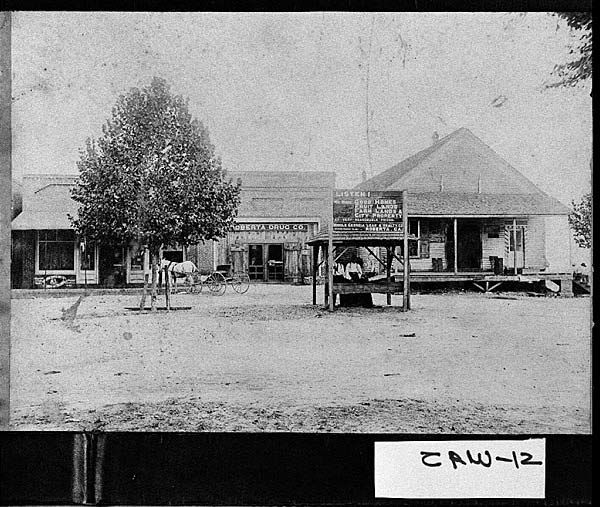
View on source site

The New Georgia Encyclopedia does not hold the copyright for this media resource and can neither grant nor deny permission to republish or reproduce the image online or in print. All requests for permission to publish or reproduce the resource must be submitted to the rights holder.

Roberta, ca. 1900

Roberta, ca. 1900

  • Info Details
  • Citation Terms of Use

The business section of Roberta in Crawford County, around 1900, included the Roberta Drug Company (center). An advertisement for the Middle Georgia Loan and Realty Company hangs over the well in front of the drugstore.

Courtesy of Georgia Archives, Vanishing Georgia, #
crw012.

View on partner site

The New Georgia Encyclopedia does not hold the copyright for this media resource and can neither grant nor deny permission to republish or reproduce the image online or in print. Requests for permission to publish or reproduce the resource should be submitted to the Georgia Archives.

Jefferson Franklin Long

Jefferson Franklin Long

  • Info Details
  • Citation Terms of Use

Jefferson Franklin Long was the first African American from Georgia to serve in the U.S. House of Representatives. A native of Crawford County, Long was elected in December 1870 and served until March 1871.

Courtesy of Library of Congress, Prints and Photographs Division
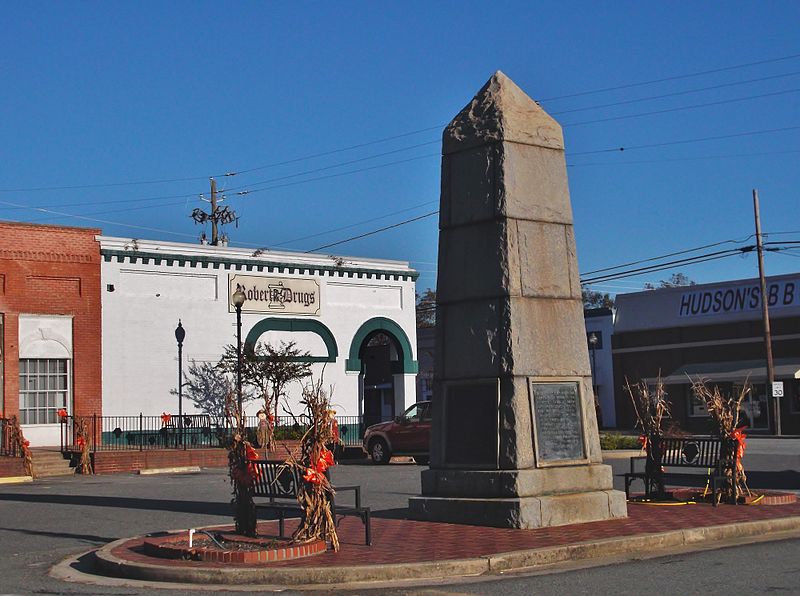
The New Georgia Encyclopedia does not hold the copyright for this media resource and can neither grant nor deny permission to republish or reproduce the image online or in print. All requests for permission to publish or reproduce the resource must be submitted to the rights holder.

Hawkins Monument

Hawkins Monument

  • Info Details
  • Citation Terms of Use

A monument commemorating Muscogee (Creek) Indian agent Benjamin Hawkins stands in front of the Old Roberta Train Depot in Crawford County. Hawkins established the Creek Agency Reserve on the Flint River in Crawford County in 1803.

Photograph by Wikimedia

The New Georgia Encyclopedia does not hold the copyright for this media resource and can neither grant nor deny permission to republish or reproduce the image online or in print. All requests for permission to publish or reproduce the resource must be submitted to the rights holder.

Crawford County Courthouse

Crawford County Courthouse

  • Info Details
  • Citation Terms of Use

The Crawford County Courthouse in Knoxville, completed in 2002, stands one block behind the previous courthouse, which was built in 1832. Knoxville is one of only three unincorporated towns in the state serving as county seats.

Photograph by Jimmy Emerson, DVM
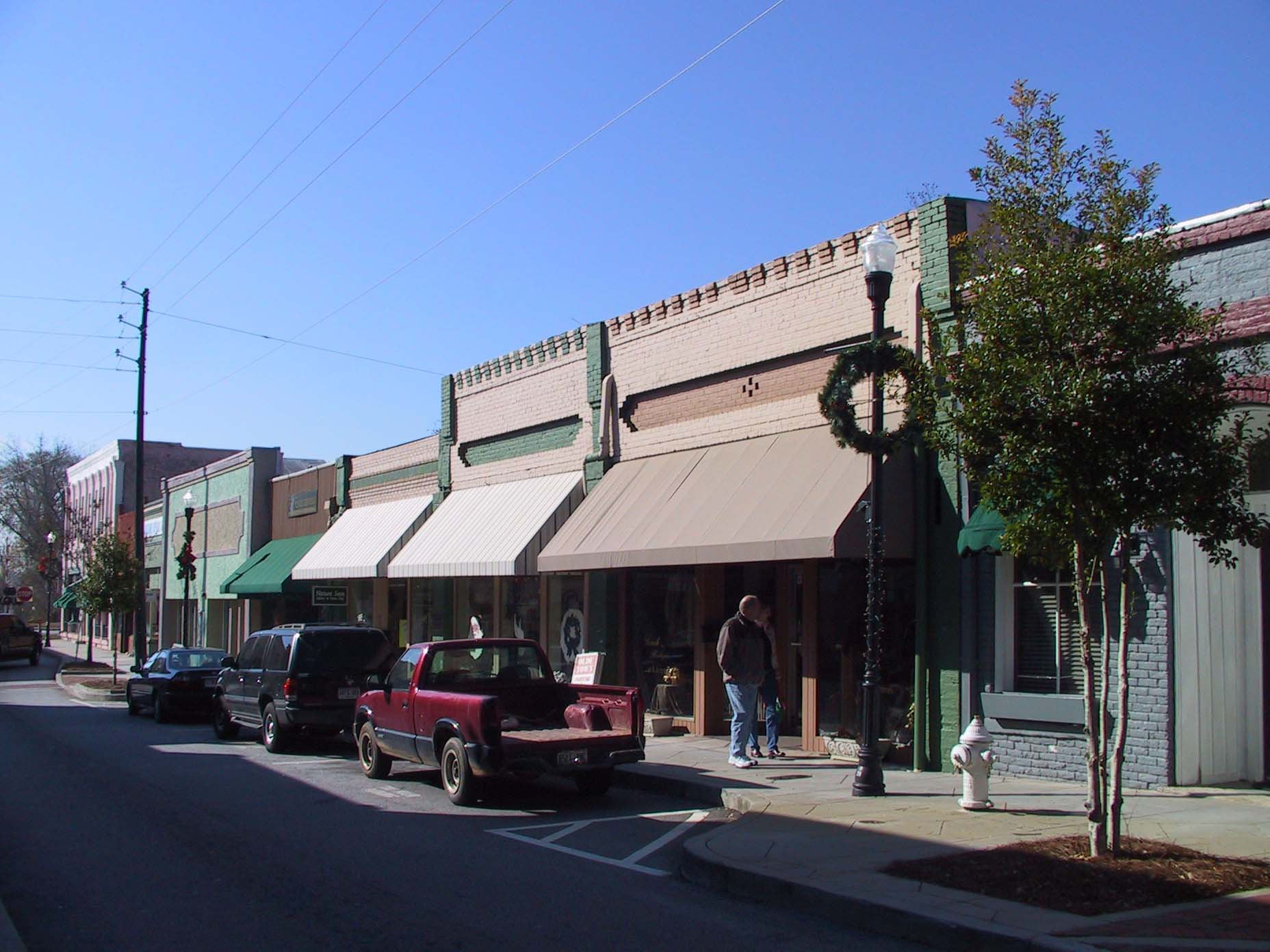
The New Georgia Encyclopedia does not hold the copyright for this media resource and can neither grant nor deny permission to republish or reproduce the image online or in print. All requests for permission to publish or reproduce the resource must be submitted to the rights holder.

Conyers

Conyers

  • Info Details
  • Citation Terms of Use

Conyers, the seat of Rockdale County, began as the train station for a line built between Augusta and Marthasville (later Atlanta) in 1845. It was incorporated in 1854 and as of 2000 had a population of 10,689.

Photograph by Kate Howard, New Georgia Encyclopedia

The New Georgia Encyclopedia does not hold the copyright for this media resource and can neither grant nor deny permission to republish or reproduce the image online or in print. All requests for permission to publish or reproduce the resource must be submitted to the rights holder.

W. D. Conyers

W. D. Conyers

  • Info Details
  • Citation Terms of Use

The town of Conyers in Rockdale County is named for W. D. Conyers, a banker and railroad director who purchased the land on which the town was later established. He donated the land, with the stipulation that whiskey never be sold on it, for the construction of a railroad and depot in 1845.

Courtesy of City of Conyers

The New Georgia Encyclopedia does not hold the copyright for this media resource and can neither grant nor deny permission to republish or reproduce the image online or in print. All requests for permission to publish or reproduce the resource must be submitted to the rights holder.

Conyers Depot

Conyers Depot

  • Info Details
  • Citation Terms of Use

The original train depot in Conyers was built in 1845 and still stands in the city's "Olde Town" district. The railroad played an integral part in the city's history, attracting the attention of Union troops, who used Conyers as their headquarters, in 1864 and supporting a thriving farming and mill industry in the late nineteenth and early twentieth centuries.

Photograph by Kate Howard, New Georgia Encyclopedia
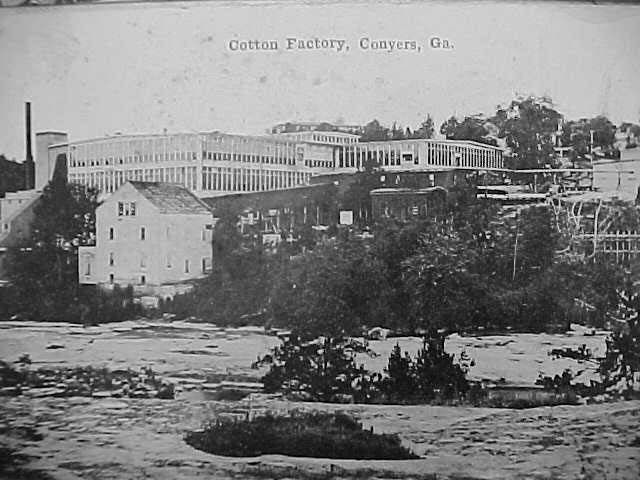
The New Georgia Encyclopedia does not hold the copyright for this media resource and can neither grant nor deny permission to republish or reproduce the image online or in print. All requests for permission to publish or reproduce the resource must be submitted to the rights holder.

Callaway Cotton Mill

Callaway Cotton Mill

  • Info Details
  • Citation Terms of Use

Milstead Manufacturing Company, a cotton mill purchased by the Callaway family in 1905, was founded on the Yellow River near Conyers in 1902. Although the mill closed in 1960, many of the structures in its mill village are still standing. Date of image unavailable.

Courtesy of City of Conyers
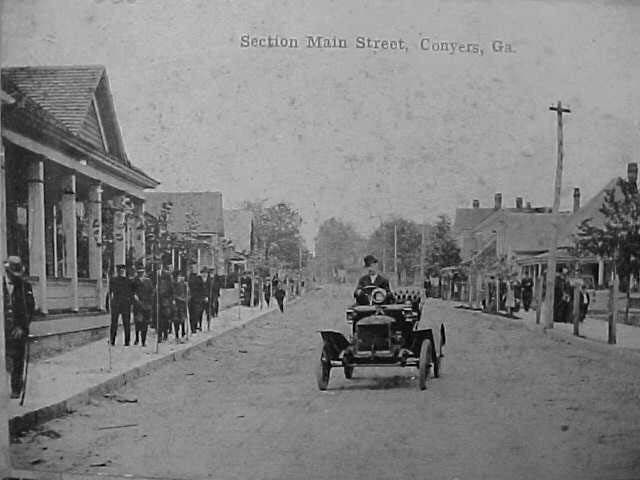
The New Georgia Encyclopedia does not hold the copyright for this media resource and can neither grant nor deny permission to republish or reproduce the image online or in print. All requests for permission to publish or reproduce the resource must be submitted to the rights holder.

Conyers

Conyers

  • Info Details
  • Citation Terms of Use

Early twentieth-century view of Main Street in downtown Conyers.

Courtesy of City of Conyers

The New Georgia Encyclopedia does not hold the copyright for this media resource and can neither grant nor deny permission to republish or reproduce the image online or in print. All requests for permission to publish or reproduce the resource must be submitted to the rights holder.

Monastery of the Holy Spirit

Monastery of the Holy Spirit

  • Info Details
  • Citation Terms of Use

The church at the Monastery of the Holy Spirit offers daily masses to the public. The monastery, founded in Conyers in 1944 by twenty Cistercian monks, supports itself through the production of such items as pottery and fudge.

Courtesy of Georgia Department of Economic Development.

The New Georgia Encyclopedia does not hold the copyright for this media resource and can neither grant nor deny permission to republish or reproduce the image online or in print. Requests for permission to publish or reproduce the resource may need to be submitted to the Georgia Department of Economic Development.

  • Info Details
  • Citation Terms of Use

The New Georgia Encyclopedia does not hold the copyright for this media resource and can neither grant nor deny permission to republish or reproduce the image online or in print. All requests for permission to publish or reproduce the resource must be submitted to the rights holder.

The Dinky

The Dinky

  • Info Details
  • Citation Terms of Use

The Dinky, a 1905 Rogers steam locomotive, is housed in Olde Town Conyers, across from the original train depot. The engine is one of only three of this particular model left in the world.

Photograph by Kate Howard, New Georgia Encyclopedia

The New Georgia Encyclopedia does not hold the copyright for this media resource and can neither grant nor deny permission to republish or reproduce the image online or in print. All requests for permission to publish or reproduce the resource must be submitted to the rights holder.

Conyers Depot

Conyers Depot

  • Info Details
  • Citation Terms of Use

The railroad depot in Conyers, the seat of Rockdale County, is pictured in 1953.

Courtesy of Georgia Archives, Vanishing Georgia, #
roc092.

View on partner site

The New Georgia Encyclopedia does not hold the copyright for this media resource and can neither grant nor deny permission to republish or reproduce the image online or in print. Requests for permission to publish or reproduce the resource should be submitted to the Georgia Archives.

Catoosa County Courthouse

Catoosa County Courthouse

  • Info Details
  • Citation Terms of Use

The Catoosa County Courthouse, built in Ringgold in 1939, is the county's second courthouse. Designed in the colonial revival style, the courthouse replaced an older one that survived the Civil War. 

Photograph by Brent Moore

The New Georgia Encyclopedia does not hold the copyright for this media resource and can neither grant nor deny permission to republish or reproduce the image online or in print. All requests for permission to publish or reproduce the resource must be submitted to the rights holder.

Old Stone Church

Old Stone Church

  • Info Details
  • Citation Terms of Use

The Old Stone Church in Ringgold was built in 1849 and served as a hospital during the Civil War for troops on both sides of the conflict. The original altar and pews of the church, which today houses a Civil War museum, are still intact.

Courtesy of Catoosa County News
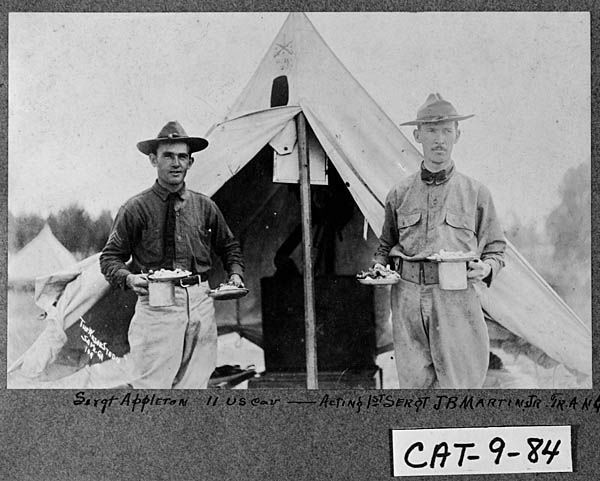
The New Georgia Encyclopedia does not hold the copyright for this media resource and can neither grant nor deny permission to republish or reproduce the image online or in print. All requests for permission to publish or reproduce the resource must be submitted to the rights holder.

Chickamauga Park

Chickamauga Park

  • Info Details
  • Citation Terms of Use

Sergeant Appleton (left) and Acting 1st Sergeant J. B. Martin Jr., both of Troop A, Georgia National Guard, pose in July 1910 during a training camp at the Chickamauga and Chattanooga National Military Park in Catoosa County.

Courtesy of Georgia Archives, Vanishing Georgia, #cat009-84.

View on partner site

The New Georgia Encyclopedia does not hold the copyright for this media resource and can neither grant nor deny permission to republish or reproduce the image online or in print. Requests for permission to publish or reproduce the resource should be submitted to the Georgia Archives.

Dawson County Courthouse

Dawson County Courthouse

  • Info Details
  • Citation Terms of Use

The Dawson County Courthouse in Dawsonville, the second in the county's history, was built in 1978.

Courtesy of J Stephen Conn
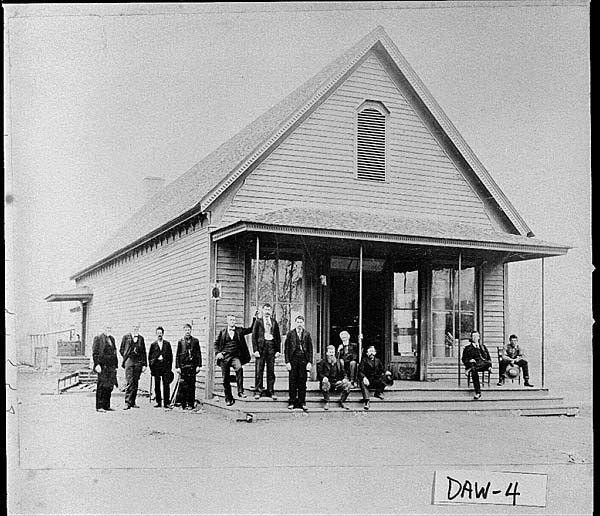
The New Georgia Encyclopedia does not hold the copyright for this media resource and can neither grant nor deny permission to republish or reproduce the image online or in print. All requests for permission to publish or reproduce the resource must be submitted to the rights holder.

McClure Mercantile Store

McClure Mercantile Store

  • Info Details
  • Citation Terms of Use

A group poses outside the McClure Mercantile Store in Dawson County between 1880 and 1889. Eleven of the twelve men pictured are identified as Harben, Colonel Bishop, A. Carney, J. Byrd, Jim McClure, Dave McKee, Dale McClure, Jim Martin, Horatio Tatum, John Wilder, and Dr. Kitchens.

Courtesy of Georgia Archives, Vanishing Georgia, #
daw004.

View on partner site

The New Georgia Encyclopedia does not hold the copyright for this media resource and can neither grant nor deny permission to republish or reproduce the image online or in print. Requests for permission to publish or reproduce the resource should be submitted to the Georgia Archives.

Amicalola Falls

Amicalola Falls

  • Info Details
  • Citation Terms of Use

Located in Dawson County, Amicalola Falls derives its name from a Native American word meaning "tumbling waters." Amicalola Falls is the highest waterfall in Georgia and among the highest in the southeast.

Photograph by Ryan McKee

The New Georgia Encyclopedia does not hold the copyright for this media resource and can neither grant nor deny permission to republish or reproduce the image online or in print. All requests for permission to publish or reproduce the resource must be submitted to the rights holder.

Trout Fishing

Trout Fishing

  • Info Details
  • Citation Terms of Use

Fishing for trout in Dawson County. Several wild species are found in north Georgia: rainbow, brook, and brown trout.

Courtesy of Georgia Department of Economic Development.

The New Georgia Encyclopedia does not hold the copyright for this media resource and can neither grant nor deny permission to republish or reproduce the image online or in print. Requests for permission to publish or reproduce the resource may need to be submitted to the Georgia Department of Economic Development.

Taylor County Courthouse

Taylor County Courthouse

  • Info Details
  • Citation Terms of Use

The Taylor County Courthouse, designed in the neoclassical revival style, was built in Butler in 1935.

Courtesy of Don Bowman
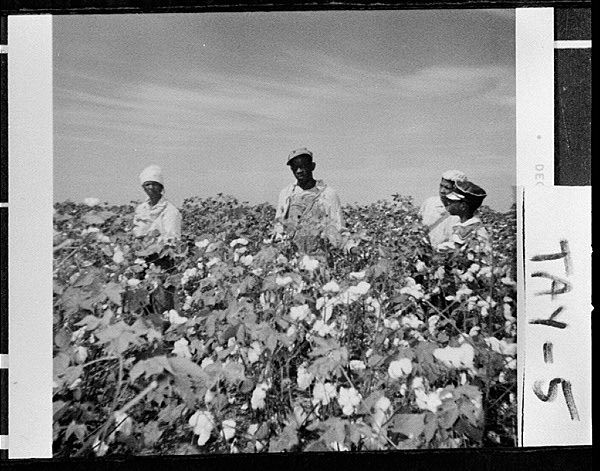
The New Georgia Encyclopedia does not hold the copyright for this media resource and can neither grant nor deny permission to republish or reproduce the image online or in print. All requests for permission to publish or reproduce the resource must be submitted to the rights holder.

Cotton Harvest

Cotton Harvest

  • Info Details
  • Citation Terms of Use

Workers harvest cotton in Taylor County in December 1959. Cotton remains a major agricultural commodity in the area, along with peaches, poultry, and eggs.

Courtesy of Georgia Archives, Vanishing Georgia, #
tay005.
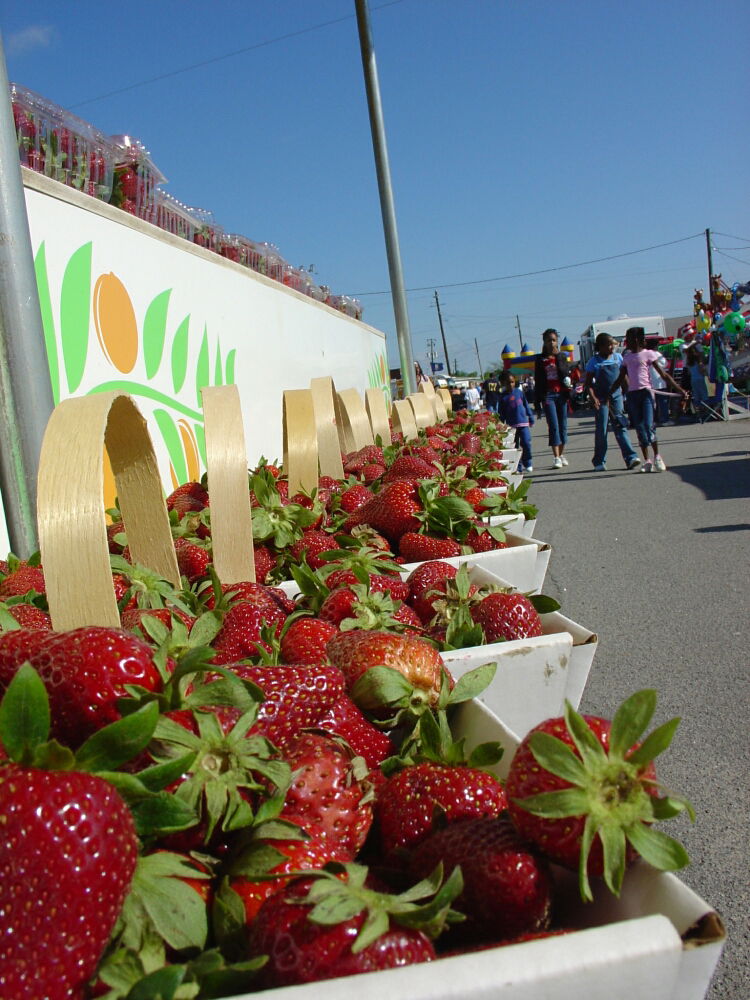
View on partner site

The New Georgia Encyclopedia does not hold the copyright for this media resource and can neither grant nor deny permission to republish or reproduce the image online or in print. Requests for permission to publish or reproduce the resource should be submitted to the Georgia Archives.

Strawberry Festival

Strawberry Festival

  • Info Details
  • Citation Terms of Use

Baskets of strawberries are displayed at the Georgia Strawberry Festival, hosted each April by the city of Reynolds in Taylor County. The festival offers a number of events, including a strawberry cook-off, parades, and a car show.

Photograph by Kelly Bond

The New Georgia Encyclopedia does not hold the copyright for this media resource and can neither grant nor deny permission to republish or reproduce the image online or in print. All requests for permission to publish or reproduce the resource must be submitted to the rights holder.

General Store

General Store

  • Info Details
  • Citation Terms of Use

Located in Reynolds (Taylor County), the Ricks Bros. store, pictured in 1909, bought cotton and sold general merchandise.

Courtesy of Georgia Archives, Vanishing Georgia, #tay033.

View on partner site

The New Georgia Encyclopedia does not hold the copyright for this media resource and can neither grant nor deny permission to republish or reproduce the image online or in print. Requests for permission to publish or reproduce the resource should be submitted to the Georgia Archives.

Oglethorpe County Courthouse

Oglethorpe County Courthouse

  • Info Details
  • Citation Terms of Use

The Oglethorpe County Courthouse stands at the corner of Gilmer and Main streets in Lexington. Built in 1887, the courthouse is designed in the Romanesque revival style.

Photograph by J Stephen Conn

The New Georgia Encyclopedia does not hold the copyright for this media resource and can neither grant nor deny permission to republish or reproduce the image online or in print. All requests for permission to publish or reproduce the resource must be submitted to the rights holder.

William H. Crawford

William H. Crawford

  • Info Details
  • Citation Terms of Use

The town of Crawford in Oglethorpe County was named for William H. Crawford, a state representative and U.S. senator from Georgia. Crawford died and was buried at Woodlawn, his estate in Oglethorpe County, in 1834.

Image from Wikimedia Commons

View on source site

The New Georgia Encyclopedia does not hold the copyright for this media resource and can neither grant nor deny permission to republish or reproduce the image online or in print. All requests for permission to publish or reproduce the resource must be submitted to the rights holder.

Oglethorpe County Courthouse

Oglethorpe County Courthouse

  • Info Details
  • Citation Terms of Use

The Oglethorpe County Courthouse stands at the corner of Gilmer and Main streets.

Photograph by Jimmy Emerson, DVM

The New Georgia Encyclopedia does not hold the copyright for this media resource and can neither grant nor deny permission to republish or reproduce the image online or in print. All requests for permission to publish or reproduce the resource must be submitted to the rights holder.

Miller County Courthouse

Miller County Courthouse

  • Info Details
  • Citation Terms of Use

The Miller County Courthouse in Colquitt, constructed in 1977, is the county's fourth courthouse. The second and third courthouses burned in 1873 and 1974 respectively.

Photograph by Jimmy Emerson, DVM
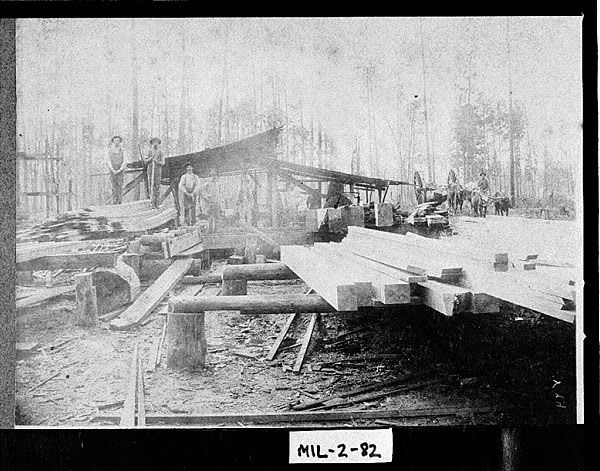
The New Georgia Encyclopedia does not hold the copyright for this media resource and can neither grant nor deny permission to republish or reproduce the image online or in print. All requests for permission to publish or reproduce the resource must be submitted to the rights holder.

Leviston Sawmill

Leviston Sawmill

  • Info Details
  • Citation Terms of Use

The Leviston Sawmill in Miller County, pictured between 1905 and 1910, produced lumber, rosin, and turpentine for the booming naval stores market. By the 1930s, the timber industry was also involved in the production of paper.

Courtesy of Georgia Archives, Vanishing Georgia, #
mil002-82.
View on partner site

The New Georgia Encyclopedia does not hold the copyright for this media resource and can neither grant nor deny permission to republish or reproduce the image online or in print. Requests for permission to publish or reproduce the resource should be submitted to the Georgia Archives.

  • Info Details
  • Citation Terms of Use

The New Georgia Encyclopedia does not hold the copyright for this media resource and can neither grant nor deny permission to republish or reproduce the image online or in print. All requests for permission to publish or reproduce the resource must be submitted to the rights holder.

Peace Wall

Peace Wall

  • Info Details
  • Citation Terms of Use

The Peace Wall, part of the Millennium Mural Project in Miller County, was designed and painted by artist Chrissie Orr of New Mexico, with the help of students, teachers, and community members, on the Miller County Middle School.

Courtesy of Colquitt Miller Arts Council, Colquitt
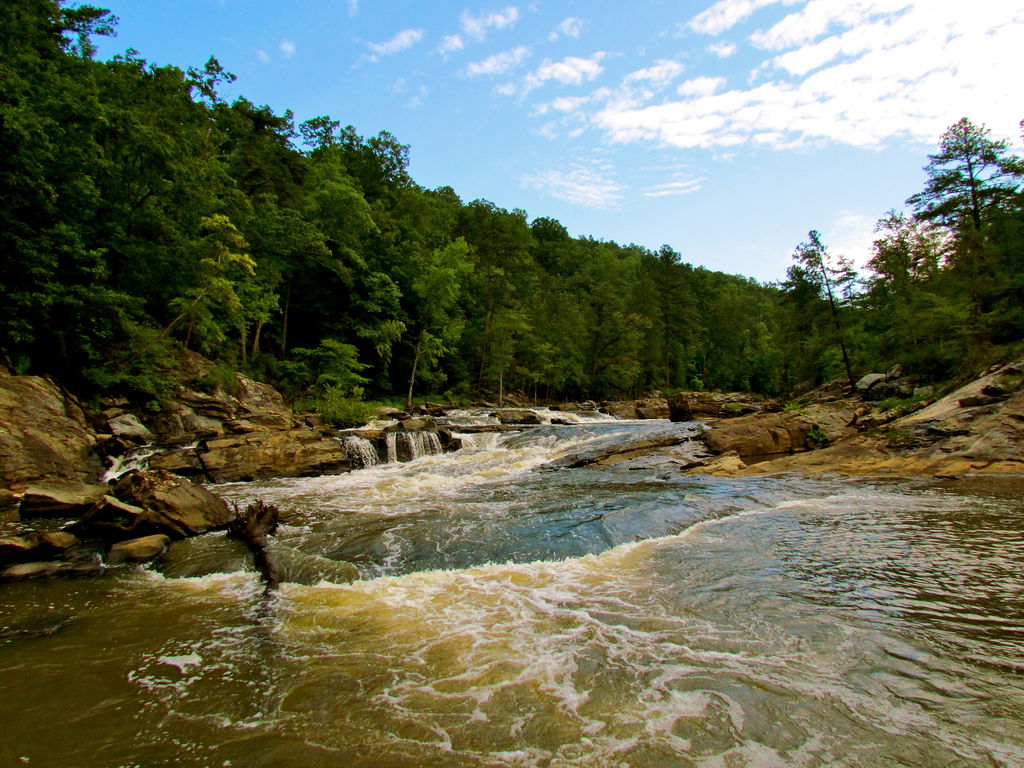
The New Georgia Encyclopedia does not hold the copyright for this media resource and can neither grant nor deny permission to republish or reproduce the image online or in print. All requests for permission to publish or reproduce the resource must be submitted to the rights holder.

Sweetwater Creek

Sweetwater Creek

  • Info Details
  • Citation Terms of Use

The Georgia Conservancy acquired more than 2,000 acres in Douglas County in the late 1960s, which became Sweetwater Creek State Park. Sweetwater Creek runs through the Lithia Springs park on its way to the Chattahoochee River. The acquisition of this land for the state was one of the conservancy's earliest victories.

Photograph by Jeff Gunn
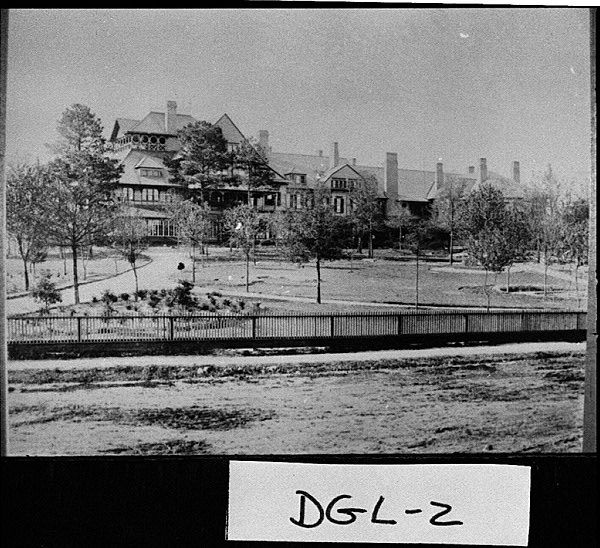
The New Georgia Encyclopedia does not hold the copyright for this media resource and can neither grant nor deny permission to republish or reproduce the image online or in print. All requests for permission to publish or reproduce the resource must be submitted to the rights holder.

Sweetwater Park Hotel

Sweetwater Park Hotel

  • Info Details
  • Citation Terms of Use

The Sweetwater Park Hotel, located near the therapeutic mineral waters in Lithia Springs, was a popular resort during the early years of the twentieth century. The hotel burned in 1912.

Courtesy of Georgia Archives, Vanishing Georgia, #
dgl002.

View on partner site

The New Georgia Encyclopedia does not hold the copyright for this media resource and can neither grant nor deny permission to republish or reproduce the image online or in print. Requests for permission to publish or reproduce the resource should be submitted to the Georgia Archives.

Douglas County Courthouse

Douglas County Courthouse

  • Info Details
  • Citation Terms of Use

The courthouse in Douglas County was completed in 1998 to replace an older courthouse constructed in the 1950s. Today the old courthouse, located on the site of three previous courthouses, houses a museum and the offices of the Douglas County Historical Society.

Photograph by Jimmy Emerson, DVM

The New Georgia Encyclopedia does not hold the copyright for this media resource and can neither grant nor deny permission to republish or reproduce the image online or in print. All requests for permission to publish or reproduce the resource must be submitted to the rights holder.

Louisville

Louisville

  • Info Details
  • Citation Terms of Use

Wares are displayed outside of a store on Broad Street in Louisville. The seat of Jefferson County, Louisville served as the state capital from 1796 to 1807 and today supports a flourishing arts community.

Courtesy of Friends of Historic Downtown Louisville

The New Georgia Encyclopedia does not hold the copyright for this media resource and can neither grant nor deny permission to republish or reproduce the image online or in print. All requests for permission to publish or reproduce the resource must be submitted to the rights holder.

Water Tower

Water Tower

  • Info Details
  • Citation Terms of Use

The water tower at Old Town Plantation is located approximately eight miles southeast of Louisville in Jefferson County. The plantation was established as a trading post around 1770 by Georgia Galphin, an Indian commissioner, on the site of an ancient Creek town.

Courtesy of Forrest Shropshire

The New Georgia Encyclopedia does not hold the copyright for this media resource and can neither grant nor deny permission to republish or reproduce the image online or in print. All requests for permission to publish or reproduce the resource must be submitted to the rights holder.

Market House

Market House

  • Info Details
  • Citation Terms of Use

The Market House in Louisville originally served as the site for various commercial transactions, including the purchase of land and, during the antebellum period, the trading of enslaved people. Today the structure is used for both community and private events.

Photograph by Jud McCranie

View on source site

The New Georgia Encyclopedia does not hold the copyright for this media resource and can neither grant nor deny permission to republish or reproduce the image online or in print. All requests for permission to publish or reproduce the resource must be submitted to the rights holder.

Stone-Murphy Store

Stone-Murphy Store

  • Info Details
  • Citation Terms of Use

Established in 1910, the Stone-Murphy Store is located in Louisville on Broad Street, the town's main thoroughfare. The arrival of the railroad early in the nineteenth century allowed Louisville to grow into a thriving business community, and Broad Street emerged as the center of commerce during the 1820s and 1830s.

Photograph by Carol Ebel

The New Georgia Encyclopedia does not hold the copyright for this media resource and can neither grant nor deny permission to republish or reproduce the image online or in print. All requests for permission to publish or reproduce the resource must be submitted to the rights holder.

Steamboat, 1897

Steamboat, 1897

  • Info Details
  • Citation Terms of Use

Cotton is loaded onto a steamboat named the City of Hawkinsville in 1897. The ship was docked at Hawkinsville, which is located in south central Georgia along the Ocmulgee River.

Courtesy of Georgia Archives, Vanishing Georgia, #
pul081.

View on partner site

The New Georgia Encyclopedia does not hold the copyright for this media resource and can neither grant nor deny permission to republish or reproduce the image online or in print. Requests for permission to publish or reproduce the resource should be submitted to the Georgia Archives.

Hawkinsville

Hawkinsville

  • Info Details
  • Citation Terms of Use

Small businesses line Commerce Street in Hawkinsville, the county seat of Pulaski County. Hawkinsville is nicknamed Hub City and Georgia's Highway Hub because of the ten state and federal highways running through the town.

Courtesy of Hawkinsville Chamber of Commerce
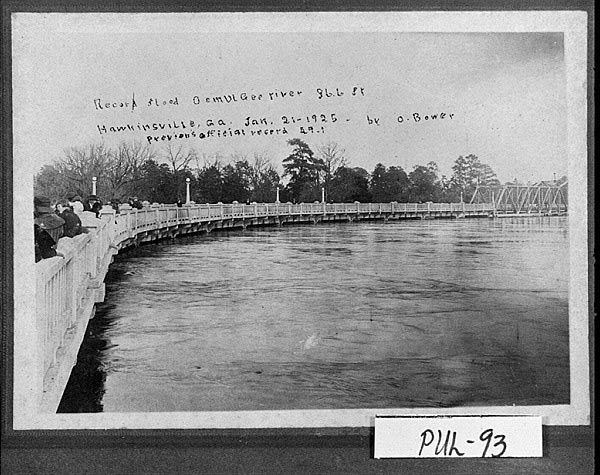
The New Georgia Encyclopedia does not hold the copyright for this media resource and can neither grant nor deny permission to republish or reproduce the image online or in print. All requests for permission to publish or reproduce the resource must be submitted to the rights holder.

Ocmulgee River Flood

Ocmulgee River Flood

  • Info Details
  • Citation Terms of Use

In January 1925 the water of the Ocmulgee River crested at 36.6 feet in Hawkinsville, causing significant damage to the town's economy by flooding sawmills and washing away cut timber. The flood remained the highest on record in Hawkinsville until the 1994 flood caused by tropical storm Alberto.

Courtesy of Georgia Archives, Vanishing Georgia, #
pul093.

View on partner site

The New Georgia Encyclopedia does not hold the copyright for this media resource and can neither grant nor deny permission to republish or reproduce the image online or in print. Requests for permission to publish or reproduce the resource should be submitted to the Georgia Archives.

  • Info Details
  • Citation Terms of Use

The New Georgia Encyclopedia does not hold the copyright for this media resource and can neither grant nor deny permission to republish or reproduce the image online or in print. All requests for permission to publish or reproduce the resource must be submitted to the rights holder.

Hawkinsville Opera House

Hawkinsville Opera House

  • Info Details
  • Citation Terms of Use

The Old Opera House in Hawkinsville, designed by Macon architect and theatrical designer W. R. Gunn, opened in 1908. The auditorium was restored in 2000 and features a hand-painted canvas stage curtain.

Courtesy of UGA Archway Partnership

The New Georgia Encyclopedia does not hold the copyright for this media resource and can neither grant nor deny permission to republish or reproduce the image online or in print. All requests for permission to publish or reproduce the resource must be submitted to the rights holder.

Jasper, 1880s

Jasper, 1880s

  • Info Details
  • Citation Terms of Use

Jasper, the seat of Pickens County, was incorporated in 1857. The town grew slowly until 1883, when the arrival of the Marietta and North Georgia Railroad spurred the expansion of the area's cotton and marble industries.

Courtesy of Robert S. Davis

The New Georgia Encyclopedia does not hold the copyright for this media resource and can neither grant nor deny permission to republish or reproduce the image online or in print. All requests for permission to publish or reproduce the resource must be submitted to the rights holder.

William Jasper Statue

William Jasper Statue

  • Info Details
  • Citation Terms of Use

A statue of William Jasper, a Revolutionary War hero who was killed during the Siege of Savannah in 1779, stands on Madison Square in Savannah. The town of Jasper, the seat of Pickens County, was named in his honor.

Image from Disc wheel
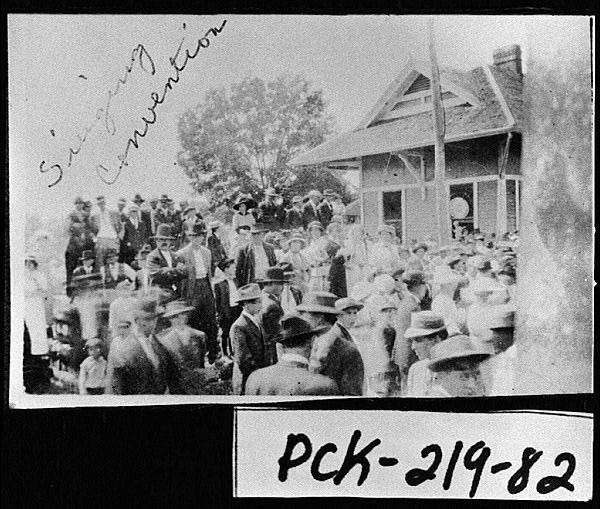
The New Georgia Encyclopedia does not hold the copyright for this media resource and can neither grant nor deny permission to republish or reproduce the image online or in print. All requests for permission to publish or reproduce the resource must be submitted to the rights holder.

Gospel Singing Convention

Gospel Singing Convention

  • Info Details
  • Citation Terms of Use

Members of a gospel singing convention gather by the train depot in Jasper, circa 1910. Two conventions were held in the town each year, in May and September, and attracted large crowds from neighboring communities.

Courtesy of Georgia Archives, Vanishing Georgia, #
pck219-82.

View on partner site

The New Georgia Encyclopedia does not hold the copyright for this media resource and can neither grant nor deny permission to republish or reproduce the image online or in print. Requests for permission to publish or reproduce the resource should be submitted to the Georgia Archives.

  • Info Details
  • Citation Terms of Use

The New Georgia Encyclopedia does not hold the copyright for this media resource and can neither grant nor deny permission to republish or reproduce the image online or in print. All requests for permission to publish or reproduce the resource must be submitted to the rights holder.

Downtown Canton

Downtown Canton

  • Info Details
  • Citation Terms of Use

Businesses line Main Street in downtown Canton, the seat of Cherokee County. The population of Canton grew by 60 percent between 1990 and 2000 as the city became a bedroom community for Atlanta.

Courtesy of Cherokee County Historical Society
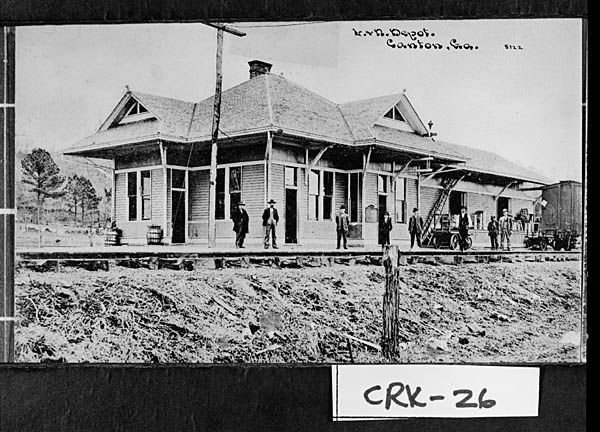
The New Georgia Encyclopedia does not hold the copyright for this media resource and can neither grant nor deny permission to republish or reproduce the image online or in print. All requests for permission to publish or reproduce the resource must be submitted to the rights holder.

Canton Depot

Canton Depot

  • Info Details
  • Citation Terms of Use

Passengers await a train at the U&N Depot in Canton around 1910. The arrival of the first railroad in 1879 brought tourists to the town, located in the foothills of the Blue Ridge Mountains, during the summer months.

Courtesy of Georgia Archives, Vanishing Georgia, #
crk026.

View on partner site

The New Georgia Encyclopedia does not hold the copyright for this media resource and can neither grant nor deny permission to republish or reproduce the image online or in print. Requests for permission to publish or reproduce the resource should be submitted to the Georgia Archives.

  • Info Details
  • Citation Terms of Use

The New Georgia Encyclopedia does not hold the copyright for this media resource and can neither grant nor deny permission to republish or reproduce the image online or in print. All requests for permission to publish or reproduce the resource must be submitted to the rights holder.

Rock Barn

Rock Barn

  • Info Details
  • Citation Terms of Use

Built in 1906, the Rock Barn in Canton was one of only a few rock barns to be constructed in Georgia. The Rock Barn is made of rock quarried from the banks of the Etowah River and originally served as a race horse stable.

Image from Jimmy Emerson, DVM

View on source site

The New Georgia Encyclopedia does not hold the copyright for this media resource and can neither grant nor deny permission to republish or reproduce the image online or in print. All requests for permission to publish or reproduce the resource must be submitted to the rights holder.

Walton County Courthouse

Walton County Courthouse

  • Info Details
  • Citation Terms of Use

The Walton County Courthouse in Monroe was designed in the Second Empire style and completed in 1884. The courthouse has undergone several renovations since its construction, including the addition of a clock tower in 1910 and extensive restoration work in both 1933 and 1996.

Courtesy of Don Bowman
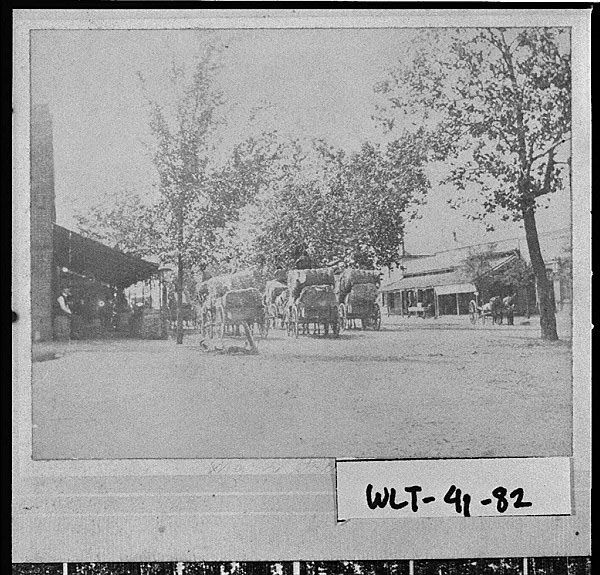
The New Georgia Encyclopedia does not hold the copyright for this media resource and can neither grant nor deny permission to republish or reproduce the image online or in print. All requests for permission to publish or reproduce the resource must be submitted to the rights holder.

Social Circle, 1898

Social Circle, 1898

  • Info Details
  • Citation Terms of Use

Wagons carry bales of cotton along Cherokee Street in Social Circle. Cotton was a major cash crop in Walton County during the nineteenth century, and cotton mills were first established there in the 1840s.

Courtesy of Georgia Archives, Vanishing Georgia, #
wlt041-82.

View on partner site

The New Georgia Encyclopedia does not hold the copyright for this media resource and can neither grant nor deny permission to republish or reproduce the image online or in print. Requests for permission to publish or reproduce the resource should be submitted to the Georgia Archives.

William Harris Family Farmstead

William Harris Family Farmstead

  • Info Details
  • Citation Terms of Use

The living area in the William Harris Family Farmstead in Walton County. Located in the community of Campton, the farm was listed on the National Register of Historic Places in 1982.

Image from S P Photography

View on source site

The New Georgia Encyclopedia does not hold the copyright for this media resource and can neither grant nor deny permission to republish or reproduce the image online or in print. All requests for permission to publish or reproduce the resource must be submitted to the rights holder.

Social Circle

Social Circle

  • Info Details
  • Citation Terms of Use

Incorporated as a village in 1832, Social Circle today thrives as a community of about 3,400 residents. The town is located in Walton County about forty-five miles east of Atlanta.

Image from Clevergrrl
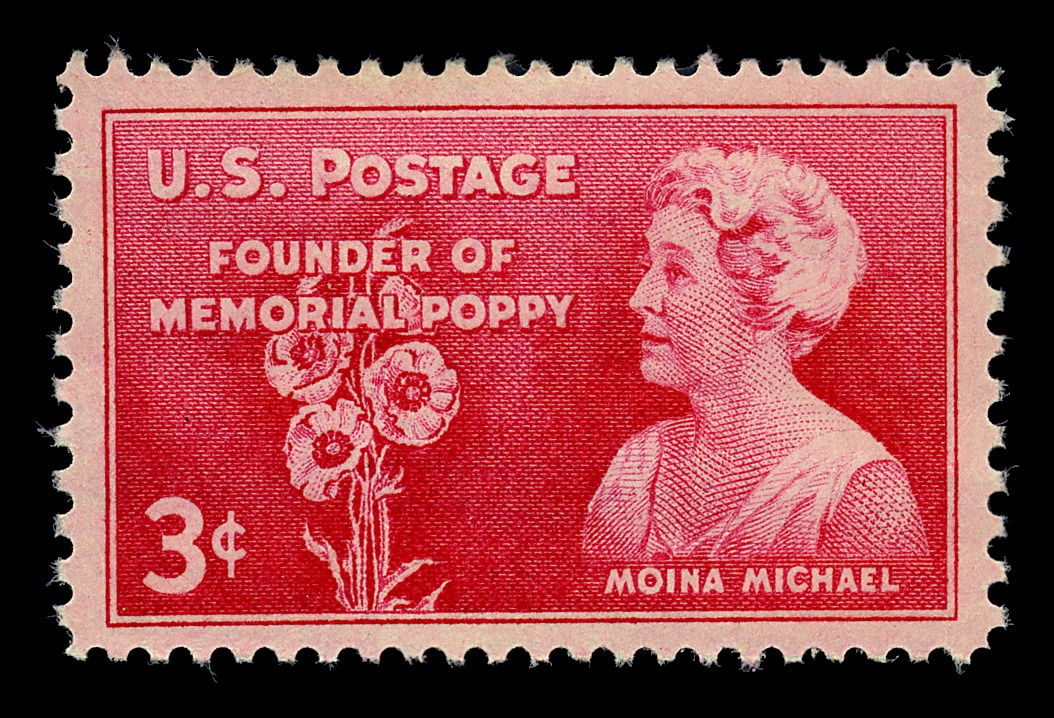
View on source site

The New Georgia Encyclopedia does not hold the copyright for this media resource and can neither grant nor deny permission to republish or reproduce the image online or in print. All requests for permission to publish or reproduce the resource must be submitted to the rights holder.

Postage Stamp Featuring Moina Michael

Moina Michael

  • Info Details
  • Citation Terms of Use

A commemorative stamp honoring Moina Belle Michael, a Walton County native and originator of the red memorial poppy, was first issued in November 1948. After World War I, paper poppies were sold and worn on Remembrance Day (Armistice Day), held on the second Sunday in November in Britain, to fund soldier rehabilitation.

Courtesy of Smithsonian National Postal Museum

The New Georgia Encyclopedia does not hold the copyright for this media resource and can neither grant nor deny permission to republish or reproduce the image online or in print. All requests for permission to publish or reproduce the resource must be submitted to the rights holder.

Screven County Courthouse

Screven County Courthouse

  • Info Details
  • Citation Terms of Use

The Screven County Courthouse, the fourth to be built in Sylvania, was completed in 1964 and replaced a two-story brick building constructed in 1897, which was destroyed in a fire that same year.

Courtesy of Don Bowman
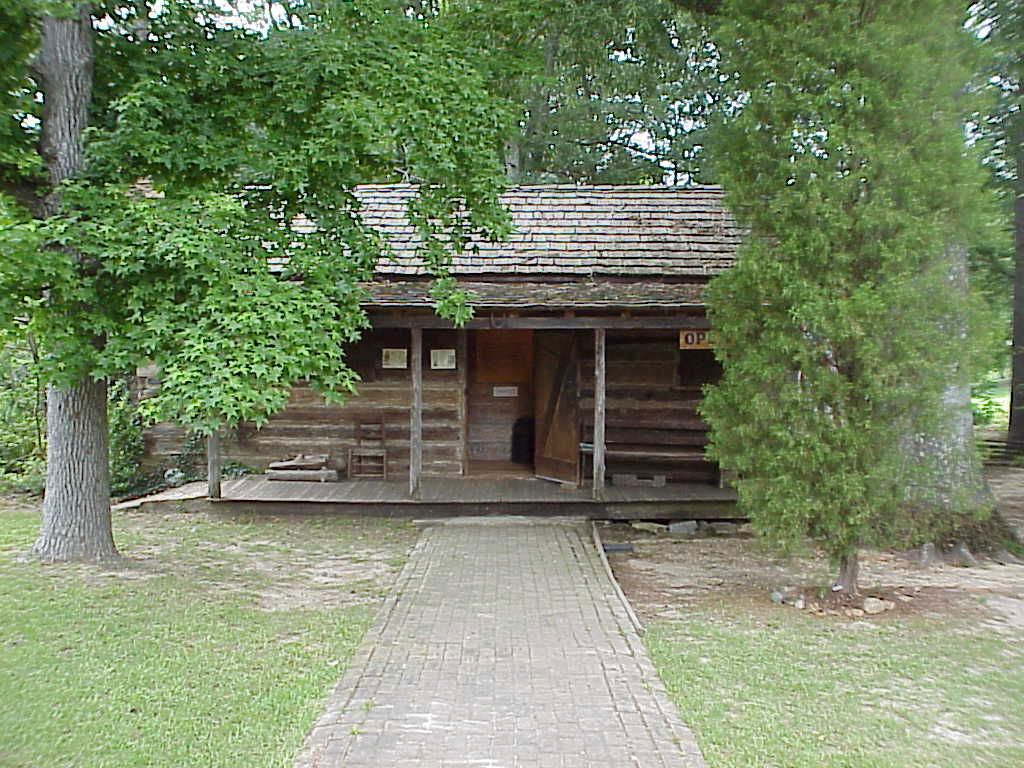
The New Georgia Encyclopedia does not hold the copyright for this media resource and can neither grant nor deny permission to republish or reproduce the image online or in print. All requests for permission to publish or reproduce the resource must be submitted to the rights holder.

Uncle Remus Museum

Uncle Remus Museum

  • Info Details
  • Citation Terms of Use

The Uncle Remus Museum in Eatonton pays tribute to the works of Joel Chandler Harris, an Eatonton native and the writer of the Uncle Remus folktales. The museum includes paintings and various memorabilia of the Uncle Remus stories.

The New Georgia Encyclopedia does not hold the copyright for this media resource and can neither grant nor deny permission to republish or reproduce the image online or in print. All requests for permission to publish or reproduce the resource must be submitted to the rights holder.

Putnam County Courthouse

Putnam County Courthouse

  • Info Details
  • Citation Terms of Use

The Putnam County Courthouse in Eatonton was first constructed in 1824, and extensive renovations were completed in 1906 and 1994. The building, designed in the Neoclassical Revival style, is situated on one of the largest town squares in the state.

Courtesy of Don Bowman
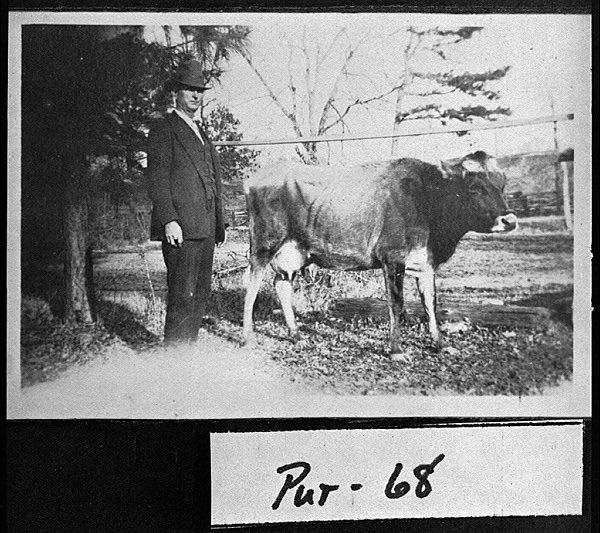
The New Georgia Encyclopedia does not hold the copyright for this media resource and can neither grant nor deny permission to republish or reproduce the image online or in print. All requests for permission to publish or reproduce the resource must be submitted to the rights holder.

Jersey Cow

Jersey Cow

  • Info Details
  • Citation Terms of Use

Putnam County resident W. A. Walton Sr. stands beside his Jersey cow in the 1920s. The dairy industry became an important contributor to the county's economy after the 1876 establishment of Panola Farm, an experimental dairy founded by Benjamin Hunt.

Courtesy of Georgia Archives, Vanishing Georgia, #
put068.

View on partner site

The New Georgia Encyclopedia does not hold the copyright for this media resource and can neither grant nor deny permission to republish or reproduce the image online or in print. Requests for permission to publish or reproduce the resource should be submitted to the Georgia Archives.

  • Info Details
  • Citation Terms of Use

The New Georgia Encyclopedia does not hold the copyright for this media resource and can neither grant nor deny permission to republish or reproduce the image online or in print. All requests for permission to publish or reproduce the resource must be submitted to the rights holder.

Elder Mill Covered Bridge

Elder Mill Covered Bridge

  • Info Details
  • Citation Terms of Use

The Elder Mill Covered Bridge in Oconee County was constructed in 1897 and relocated to its current position south of Watkinsville during the 1920s. One of the last of its kind in the state, the bridge was listed on the National Register of Historic Places in 1994.

Photograph by Melinda Smith Mullikin, New Georgia Encyclopedia

The New Georgia Encyclopedia does not hold the copyright for this media resource and can neither grant nor deny permission to republish or reproduce the image online or in print. All requests for permission to publish or reproduce the resource must be submitted to the rights holder.

Oconee County Courthouse

Oconee County Courthouse

  • Info Details
  • Citation Terms of Use

Located in downtown Watkinsville, the Oconee County Courthouse was completed in 1939. Designed in the stripped classical style, the building was constructed by the Works Progress Administration.

Courtesy of Don Bowman

The New Georgia Encyclopedia does not hold the copyright for this media resource and can neither grant nor deny permission to republish or reproduce the image online or in print. All requests for permission to publish or reproduce the resource must be submitted to the rights holder.

Elder Mill Covered Bridge

Elder Mill Covered Bridge

  • Info Details
  • Citation Terms of Use

Elder Mill Covered Bridge, in Oconee County, is pictured circa 1975.

Courtesy of Georgia Archives, Vanishing Georgia, #
oco001.

View on partner site

The New Georgia Encyclopedia does not hold the copyright for this media resource and can neither grant nor deny permission to republish or reproduce the image online or in print. Requests for permission to publish or reproduce the resource should be submitted to the Georgia Archives.

Old Mercer University

Old Mercer University

  • Info Details
  • Citation Terms of Use

Several buildings remain on the original campus of Mercer University in Greene County. A Baptist institution, Mercer University was founded in Penfield in 1833 and moved to Macon in 1871. The community of Penfield was eventually absorbed by nearby Union City after the school's relocation.

Photograph by Melinda Smith Mullikin, New Georgia Encyclopedia

The New Georgia Encyclopedia does not hold the copyright for this media resource and can neither grant nor deny permission to republish or reproduce the image online or in print. All requests for permission to publish or reproduce the resource must be submitted to the rights holder.

Bethesda Baptist Church

Bethesda Baptist Church

  • Info Details
  • Citation Terms of Use

The historic Bethesda Baptist Church in Greene County was founded in 1785 in the town of Union Point. The sanctuary, which today contains the remains of a slave gallery, was constructed in 1818.

Photograph by Melinda Smith Mullikin, New Georgia Encyclopedia

The New Georgia Encyclopedia does not hold the copyright for this media resource and can neither grant nor deny permission to republish or reproduce the image online or in print. All requests for permission to publish or reproduce the resource must be submitted to the rights holder.

Scull Shoals Company Store

Scull Shoals Company Store

  • Info Details
  • Citation Terms of Use

Ruins of the Scull Shoals Company Store stand in the Oconee National Forest in Greene County. Scull Shoals, founded in 1782, was a thriving mill community until its destruction by fires, floods, and the Civil War (1861-65).

Photograph by Melinda Smith Mullikin, New Georgia Encyclopedia

The New Georgia Encyclopedia does not hold the copyright for this media resource and can neither grant nor deny permission to republish or reproduce the image online or in print. All requests for permission to publish or reproduce the resource must be submitted to the rights holder.

White Plains Baptist Church

White Plains Baptist Church

  • Info Details
  • Citation Terms of Use

White Plains Baptist Church was organized in 1806 in Greene County, and the current sanctuary dates to 1887. Both Blacks and whites worshipped in the church together between 1812 and 1869.

Image from Jimmy Emerson, DVM
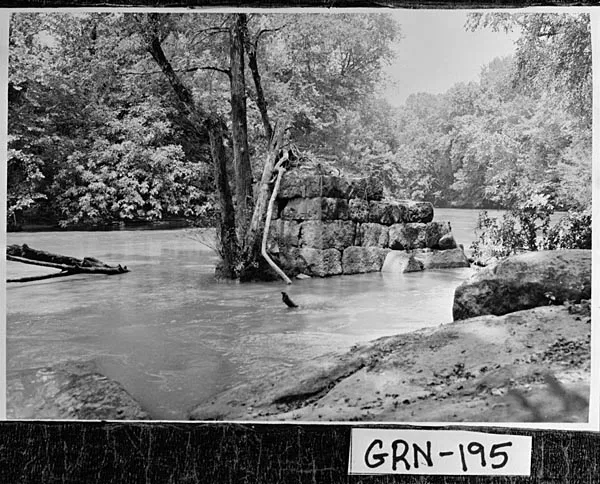
View on source site

The New Georgia Encyclopedia does not hold the copyright for this media resource and can neither grant nor deny permission to republish or reproduce the image online or in print. All requests for permission to publish or reproduce the resource must be submitted to the rights holder.

Oconee River Bridge Remains

Oconee River Bridge Remains

  • Info Details
  • Citation Terms of Use

The remains of a bridge are visible in the Oconee River at Scull Shoals, circa 1977. Once a mining town, the Scull Shoals area, home to a thriving mining industry and community before the Civil War, is now part of the Oconee National Forest in Greene County.

Courtesy of Georgia Archives, Vanishing Georgia, #
grn195.
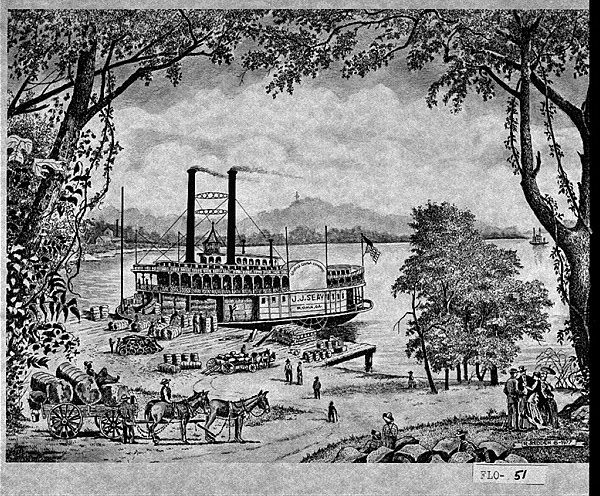
View on partner site

The New Georgia Encyclopedia does not hold the copyright for this media resource and can neither grant nor deny permission to republish or reproduce the image online or in print. Requests for permission to publish or reproduce the resource should be submitted to the Georgia Archives.

Steamship in Floyd County

Steamship in Floyd County

  • Info Details
  • Citation Terms of Use

The steamship J. J. Seay lands at the convergence of the Etowah and Oostanaula rivers at Rome in Floyd County around 1850.

Courtesy of Georgia Archives, Vanishing Georgia, #
flo051.
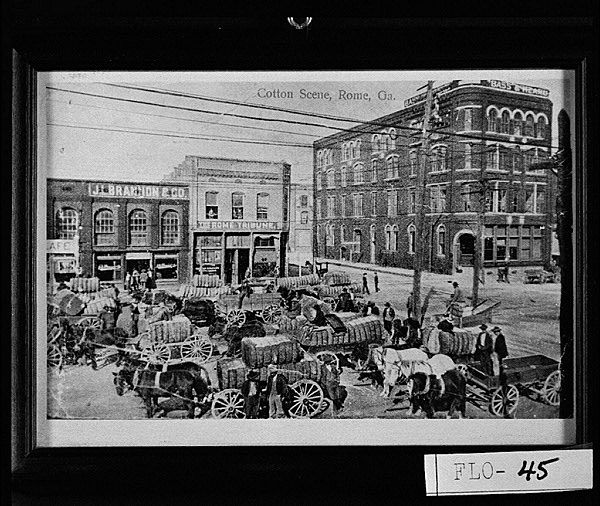
View on partner site

The New Georgia Encyclopedia does not hold the copyright for this media resource and can neither grant nor deny permission to republish or reproduce the image online or in print. Requests for permission to publish or reproduce the resource should be submitted to the Georgia Archives.

Cotton Block, Rome

Cotton Block, Rome

  • Info Details
  • Citation Terms of Use

After the Civil War, the growing economy of Floyd County relied heavily on cotton production. The cotton block in Rome, pictured in the 1890s, was located at the corner of Second Avenue and Broad Street.

Courtesy of Georgia Archives, Vanishing Georgia, #
flo045.

View on partner site

The New Georgia Encyclopedia does not hold the copyright for this media resource and can neither grant nor deny permission to republish or reproduce the image online or in print. Requests for permission to publish or reproduce the resource should be submitted to the Georgia Archives.

Floyd County Courthouse

Floyd County Courthouse

  • Info Details
  • Citation Terms of Use

The current Floyd County Courthouse, built in Rome in 1995, is the county's sixth courthouse. The building functions as a multipurpose government facility, housing offices for various agencies in addition to the county and superior courts.

Courtesy of Don Bowman

The New Georgia Encyclopedia does not hold the copyright for this media resource and can neither grant nor deny permission to republish or reproduce the image online or in print. All requests for permission to publish or reproduce the resource must be submitted to the rights holder.

Rabun County Courthouse

Rabun County Courthouse

  • Info Details
  • Citation Terms of Use

The current Rabun County Courthouse in Clayton was built in 1967. Among the renovations completed since that time are the additions of a second floor and cupola, as well as a new entrance.

Courtesy of Don Bowman

The New Georgia Encyclopedia does not hold the copyright for this media resource and can neither grant nor deny permission to republish or reproduce the image online or in print. All requests for permission to publish or reproduce the resource must be submitted to the rights holder.

  • Info Details
  • Citation Terms of Use

The New Georgia Encyclopedia does not hold the copyright for this media resource and can neither grant nor deny permission to republish or reproduce the image online or in print. All requests for permission to publish or reproduce the resource must be submitted to the rights holder.

Moccasin Creek Waterfall

Moccasin Creek Waterfall

  • Info Details
  • Citation Terms of Use

A small waterfall along Moccasin Creek, in Rabun County, is located near the Moccasin Creek State Park.

Image from Jeff Moore

View on source site

The New Georgia Encyclopedia does not hold the copyright for this media resource and can neither grant nor deny permission to republish or reproduce the image online or in print. All requests for permission to publish or reproduce the resource must be submitted to the rights holder.

York House

York House

  • Info Details
  • Citation Terms of Use

The York House, located near Passover in Rabun County, is the oldest continuously operating bed-and-breakfast in Georgia. Founded in 1896, the inn was placed on the National Register of Historic Places in 1982.

Courtesy of Georgia Archives, Vanishing Georgia, # rab182.
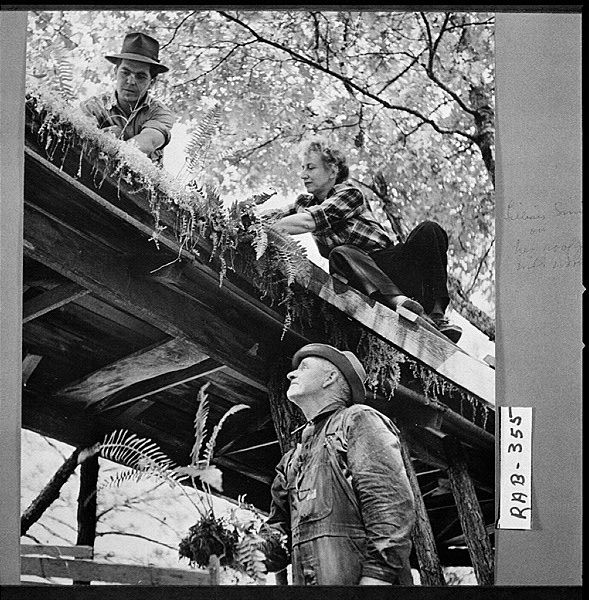
View on partner site

The New Georgia Encyclopedia does not hold the copyright for this media resource and can neither grant nor deny permission to republish or reproduce the image online or in print. Requests for permission to publish or reproduce the resource should be submitted to the Georgia Archives.

Lillian Smith

Lillian Smith

  • Info Details
  • Citation Terms of Use

Lillian Smith, a prominent writer and opponent of segegation during the Jim Crow era, is pictured in the 1940s with workmen at Laurel Falls Girls Camp in Rabun County. Smith served as director of the camp from around 1925 until 1949.

Courtesy of Georgia Archives, Vanishing Georgia, #
rab355.

View on partner site

The New Georgia Encyclopedia does not hold the copyright for this media resource and can neither grant nor deny permission to republish or reproduce the image online or in print. Requests for permission to publish or reproduce the resource should be submitted to the Georgia Archives.

Pine Terrace

Pine Terrace

  • Info Details
  • Citation Terms of Use

Rufus L. Moss, cofounder of the town Tallulah Falls, built his home Pine Terrace there in 1879. The house later served as an auxiliary building for the Tallulah Falls School, founded in 1909, and then as the Tallulah Tea Room restaurant. Privately owned again by 2015, the home underwent renovations to restore its nineteenth-century character.

Courtesy of Rabun Gap Historical Society

The New Georgia Encyclopedia does not hold the copyright for this media resource and can neither grant nor deny permission to republish or reproduce the image online or in print. All requests for permission to publish or reproduce the resource must be submitted to the rights holder.

Hack’s Drugstore

Hack’s Drugstore

  • Info Details
  • Citation Terms of Use

A carriage waits outside of Hack's Drugstore in Ludowici in 1905, the same year in which the town was incorporated.The seat of Long County, Ludowici was originally named Johnston Station.

Courtesy of Georgia Archives, Vanishing Georgia, # lon002.

View on partner site

The New Georgia Encyclopedia does not hold the copyright for this media resource and can neither grant nor deny permission to republish or reproduce the image online or in print. Requests for permission to publish or reproduce the resource should be submitted to the Georgia Archives.

Long County Courthouse

Long County Courthouse

  • Info Details
  • Citation Terms of Use

The Long County Courthouse was built in Ludowici in 1926, six years after the county's creation from the western portion of Liberty County. The original courthouse is still in use today.

Courtesy of Don Bowman
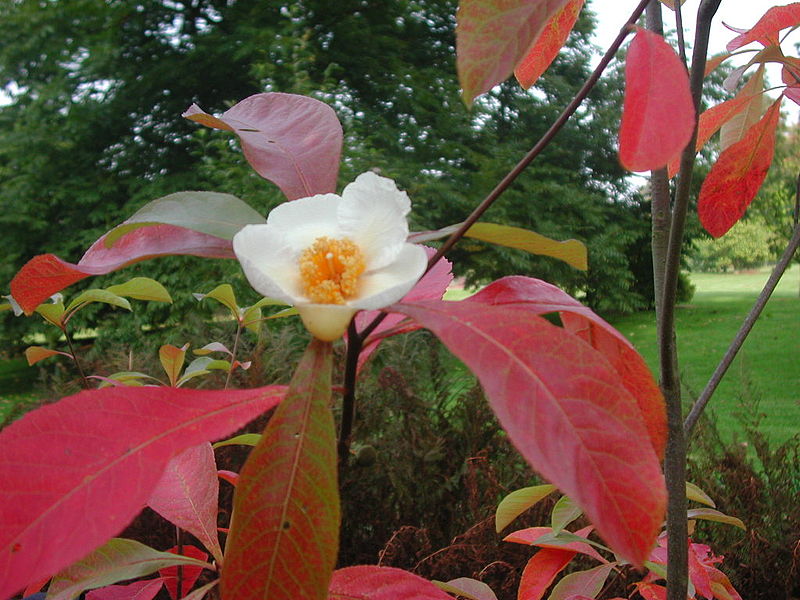
The New Georgia Encyclopedia does not hold the copyright for this media resource and can neither grant nor deny permission to republish or reproduce the image online or in print. All requests for permission to publish or reproduce the resource must be submitted to the rights holder.

Franklin Tree Flower

Franklin Tree Flower

  • Info Details
  • Citation Terms of Use

The Franklin tree or lost camellia (Franklinia alatamaha), once native only to Georgia, was discovered along the banks of the Altamaha River in the mid-eighteenth century and was last recorded in the wild by nurseryman and plant collector in 1803. All known specimens today are in cultivation.

Photograph from Francine Riez, Wikimedia

The New Georgia Encyclopedia does not hold the copyright for this media resource and can neither grant nor deny permission to republish or reproduce the image online or in print. All requests for permission to publish or reproduce the resource must be submitted to the rights holder.

Henry County Courthouse

Henry County Courthouse

  • Info Details
  • Citation Terms of Use

The Henry County Courthouse in McDonough, designed in the Romanesque revival style by architect J. W. Golucke, was completed in 1897. A Confederate monument stands in front of the courthouse, which was placed on the National Register of Historic Places in 1980.

Courtesy of Don Bowman

The New Georgia Encyclopedia does not hold the copyright for this media resource and can neither grant nor deny permission to republish or reproduce the image online or in print. All requests for permission to publish or reproduce the resource must be submitted to the rights holder.

Atlanta Motor Speedway

Atlanta Motor Speedway

  • Info Details
  • Citation Terms of Use

Host to several NASCAR events each year, the Atlanta Motor Speedway in Henry County is the most-visited sports facility in Georgia.

Image from Alex Ford
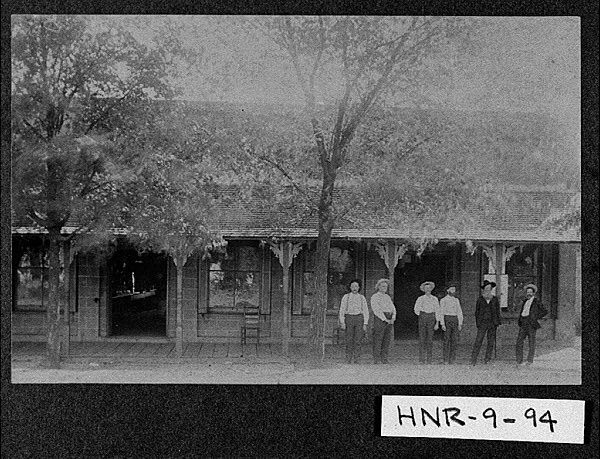
View on source site

The New Georgia Encyclopedia does not hold the copyright for this media resource and can neither grant nor deny permission to republish or reproduce the image online or in print. All requests for permission to publish or reproduce the resource must be submitted to the rights holder.

Hampton, ca. 1900

Hampton, ca. 1900

  • Info Details
  • Citation Terms of Use

Men gather outside of a store in Hampton, located in Henry County, around 1900. The town was a thriving agricultural community early in the twentieth century, but the economy of Hampton and the surrounding area would suffer after the boll weevil invasion of 1920.

Courtesy of Georgia Archives, Vanishing Georgia, #
hnr009-94.

View on partner site

The New Georgia Encyclopedia does not hold the copyright for this media resource and can neither grant nor deny permission to republish or reproduce the image online or in print. Requests for permission to publish or reproduce the resource should be submitted to the Georgia Archives.

James Weldon Johnson

James Weldon Johnson

  • Info Details
  • Citation Terms of Use

James Weldon Johnson, noted Harlem Renaissance poet and civil rights leader, graduated from Atlanta University (now Clark Atlanta University) in 1894. While a student in Atlanta, Johnson also taught school for two summers in nearby Hampton.

Courtesy of Library of Congress, Prints and Photographs Division
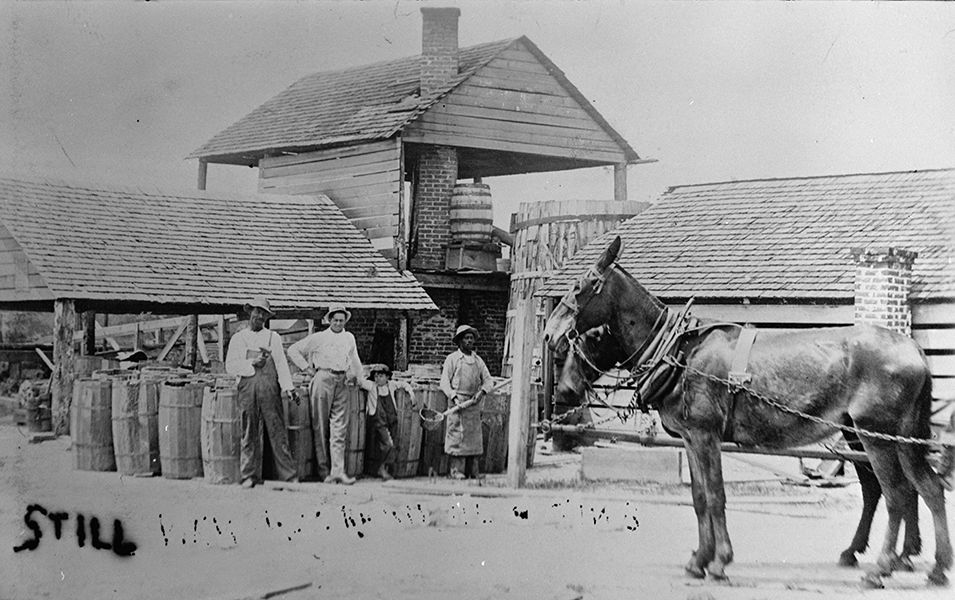
The New Georgia Encyclopedia does not hold the copyright for this media resource and can neither grant nor deny permission to republish or reproduce the image online or in print. All requests for permission to publish or reproduce the resource must be submitted to the rights holder.

Turpentine Still

Turpentine Still

  • Info Details
  • Citation Terms of Use

Workers stand outside of a turpentine still in Bacon County around 1900. The still was owned by American Tie and Timber Company.

Courtesy of Georgia Archives, Vanishing Georgia, # gly002.

View on partner site

The New Georgia Encyclopedia does not hold the copyright for this media resource and can neither grant nor deny permission to republish or reproduce the image online or in print. Requests for permission to publish or reproduce the resource should be submitted to the Georgia Archives.

Bacon County Courthouse

Bacon County Courthouse

  • Info Details
  • Citation Terms of Use

The Bacon County Courthouse, built in Alma in 1919, was placed on the National Register of Historic Places in 1980. Completed five years after the county's creation, the original courthouse is still in use today.

Courtesy of Dan Bowman

The New Georgia Encyclopedia does not hold the copyright for this media resource and can neither grant nor deny permission to republish or reproduce the image online or in print. All requests for permission to publish or reproduce the resource must be submitted to the rights holder.

Washington County Courthouse

Washington County Courthouse

  • Info Details
  • Citation Terms of Use

The current Washington County Courthouse, located in Sandersville, was completed in 1869. Additions were made to the courthouse in 1899 and 1939, and it was renovated twice during the 1970s and 1980s.
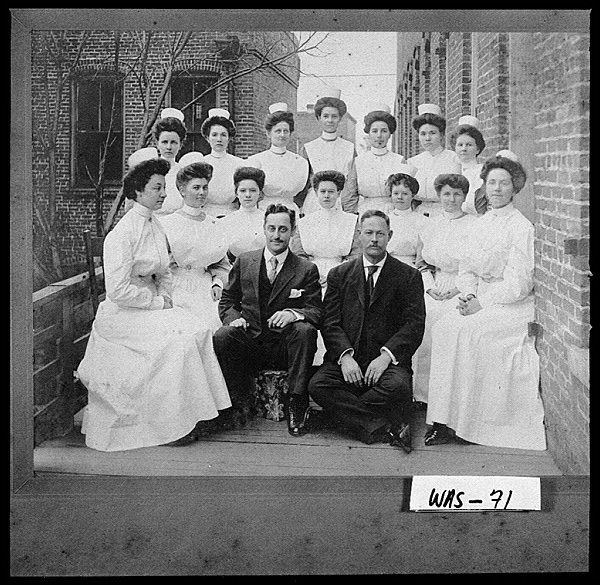
Courtesy of Historic Preservation Division, Georgia Department of Community Affairs.

The New Georgia Encyclopedia does not hold the copyright for this media resource and can neither grant nor deny permission to republish or reproduce the image online or in print. Requests for permission to publish or reproduce the resource may need to be submitted to the Georgia Department of Community Affairs, Historic Preservation Division.

Staff of Rawlings Sanitarium

Staff of Rawlings Sanitarium

  • Info Details
  • Citation Terms of Use

The medical and nursing staffs of Rawlings Sanitarium in Sandersville gather circa 1907. William Rawlings (center right) founded the sanitarium in 1895. In 1961 the sanitarium moved to a new facility, known today as the Washington County Regional Medical Center.

Courtesy of Georgia Archives, Vanishing Georgia, #
was071.
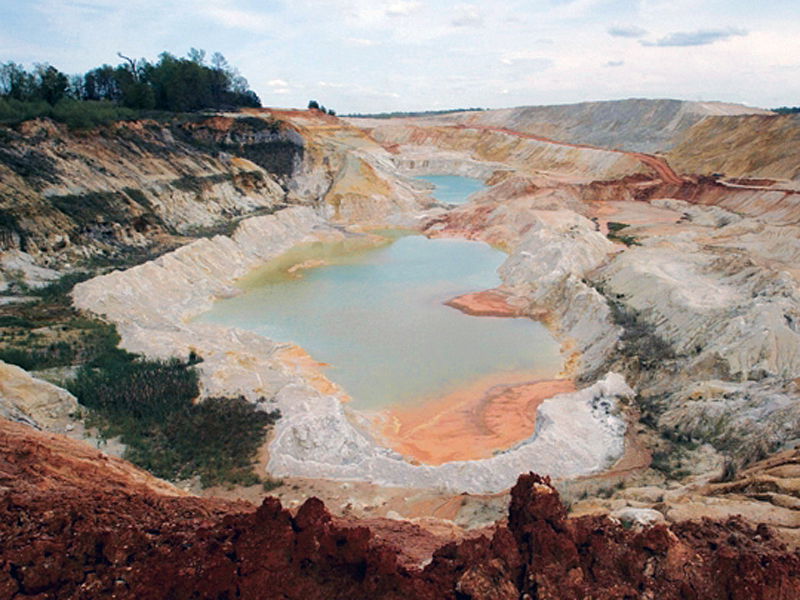
View on partner site

The New Georgia Encyclopedia does not hold the copyright for this media resource and can neither grant nor deny permission to republish or reproduce the image online or in print. Requests for permission to publish or reproduce the resource should be submitted to the Georgia Archives.

Kaolin Mine

Kaolin Mine

  • Info Details
  • Citation Terms of Use

Thiele Kaolin Company, headquartered in Sandersville, extracts kaolin from this mine. Once the ore has been extracted, mine reclamation activities are conducted to restore the landscape to a pristine state.

Courtesy of UGA Archway Partnership

The New Georgia Encyclopedia does not hold the copyright for this media resource and can neither grant nor deny permission to republish or reproduce the image online or in print. All requests for permission to publish or reproduce the resource must be submitted to the rights holder.

Washington County, Georgia

Washington County, Georgia

  • Info Details
  • Citation Terms of Use

Washington County, Georgia (date unknown) by John McWilliams is part of Georgia's State Art Collection. Photograph, 14 3/4 x 19 inches

Courtesy of Georgia Council for the Arts, Georgia's State Art Collection.
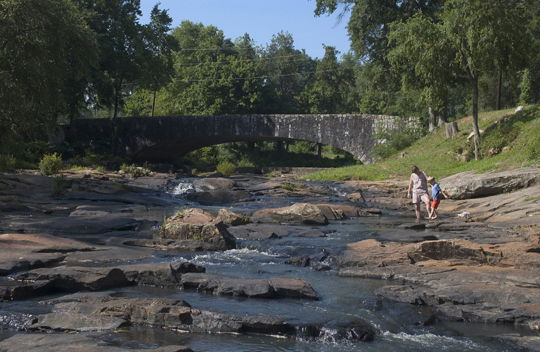
The New Georgia Encyclopedia does not hold the copyright for this media resource and can neither grant nor deny permission to republish or reproduce the image online or in print. Requests for permission to publish or reproduce the resource should be submitted to the Georgia Council for the Arts.

Indian Springs State Park

Indian Springs State Park

  • Info Details
  • Citation Terms of Use

Acquired by Georgia in 1825 and established as a park in 1927, Indian Springs State Park claims to be the oldest state park in the nation. The medicinal properties of the springs were enjoyed by the earliest Native American inhabitants of the region. Today the park offers a variety of recreational activities, including camping and fishing.

Courtesy of Georgia Department of Economic Development.

The New Georgia Encyclopedia does not hold the copyright for this media resource and can neither grant nor deny permission to republish or reproduce the image online or in print. Requests for permission to publish or reproduce the resource may need to be submitted to the Georgia Department of Economic Development.

Butts County Courthouse

Butts County Courthouse

  • Info Details
  • Citation Terms of Use

The Butts County Courthouse in Jackson was built in 1898 to replace the courthouse burned by Union general William T. Sherman on his March to the Sea in 1864. Listed on the National Register of Historic Places in 1980, the courthouse was designed with elements of the High Victorian Eclectic and colonial revival styles.

Photograph by C Smith

The New Georgia Encyclopedia does not hold the copyright for this media resource and can neither grant nor deny permission to republish or reproduce the image online or in print. All requests for permission to publish or reproduce the resource must be submitted to the rights holder.

McIntosh Inn

McIntosh Inn

  • Info Details
  • Citation Terms of Use

The McIntosh Inn, built in 1823 at Indian Springs in Butts County by Muscogee (Creek) leader William McIntosh, thrived as a popular resort until the 1930s. In 1825 McIntosh signed the Treaty of Indian Springs with the U.S. government at the hotel; he was murdered three months later by angry Muscogee who considered the agreement a betrayal.

Photograph by Melinda Smith Mullikin, New Georgia Encyclopedia
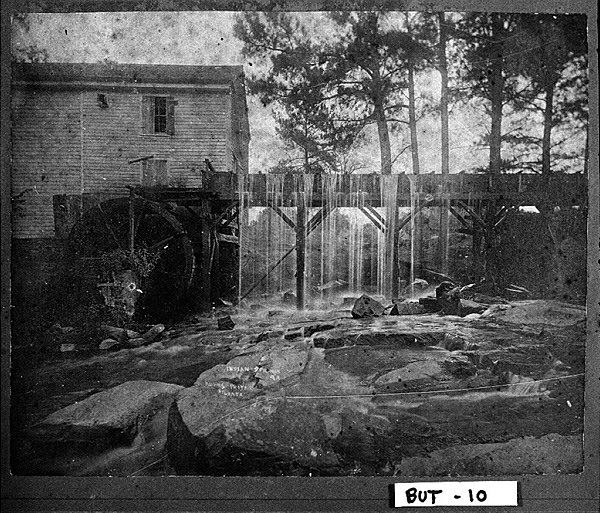
The New Georgia Encyclopedia does not hold the copyright for this media resource and can neither grant nor deny permission to republish or reproduce the image online or in print. All requests for permission to publish or reproduce the resource must be submitted to the rights holder.

Indian Springs Gristmill

Indian Springs Gristmill

  • Info Details
  • Citation Terms of Use

Beginning in the 1840s, a number of waterwheel-powered mills, including the Indian Springs Gristmill, appeared along the rivers of Butts County. Because of its easy access to water transportation, the county became an industrial community well in advance of other areas in the state.

Courtesy of Georgia Archives, Vanishing Georgia, #
but010.

View on partner site

The New Georgia Encyclopedia does not hold the copyright for this media resource and can neither grant nor deny permission to republish or reproduce the image online or in print. Requests for permission to publish or reproduce the resource should be submitted to the Georgia Archives.

High Falls State Park

High Falls State Park

  • Info Details
  • Citation Terms of Use

High Falls State Park, near Jackson in Butts County, is a popular destination along the Towaliga River for camping and boating. The town of High Falls, established in the early 1800s, became a ghost town during the 1880s, when the railroads gained prominence over waterways for commercial transportation.

Courtesy of Georgia Department of Economic Development.

The New Georgia Encyclopedia does not hold the copyright for this media resource and can neither grant nor deny permission to republish or reproduce the image online or in print. Requests for permission to publish or reproduce the resource may need to be submitted to the Georgia Department of Economic Development.

Grist Mill

Grist Mill

  • Info Details
  • Citation Terms of Use

This historic grist mill is located in Sparta, the seat of Hancock County. Agriculture, mainly cotton production, was the main economic force in Sparta during the eighteenth and nineteenth centuries.

Courtesy of Georgia Department of Economic Development.

The New Georgia Encyclopedia does not hold the copyright for this media resource and can neither grant nor deny permission to republish or reproduce the image online or in print. Requests for permission to publish or reproduce the resource may need to be submitted to the Georgia Department of Economic Development.

William Terrell

William Terrell

  • Info Details
  • Citation Terms of Use

William Terrell, the founder and first president of the Hancock Planters Club, was a prominent resident of Sparta during the first half of the nineteenth century. His Federal-style home still stands in the town today.

Courtesy of Hargrett Rare Book and Manuscript Library, University of Georgia Libraries, Georgia Photo File.

The New Georgia Encyclopedia does not hold the copyright for this media resource and can neither grant nor deny permission to republish or reproduce the image online or in print. Requests for permission to publish or reproduce the resource should be submitted to the Hargrett Manuscript and Rare Book Library at the University of Georgia.

Amanda America Dickson

Amanda America Dickson

  • Info Details
  • Citation Terms of Use

Amanda America Dickson, the daughter of an enslaved woman and her enslaver, became one of the wealthiest Black women in nineteenth-century America when the Georgia Supreme Court upheld her claim to her father's contested will. Dickson inherited his estate in Hancock County upon his death in 1885.

Courtesy of Georgia Historical Society.
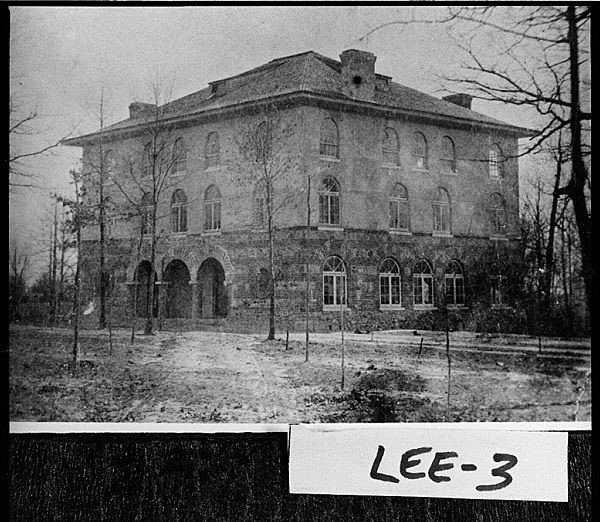
The New Georgia Encyclopedia does not hold the copyright for this media resource and can neither grant nor deny permission to republish or reproduce the image online or in print. All requests for permission to publish or reproduce the resource must be submitted to Georgia Historical Society.

Historic Lee County Courthouse

Historic Lee County Courthouse

  • Info Details
  • Citation Terms of Use

The original Lee County courthouse was built in Starksville, the county's first seat, around 1837. The courthouse burned between 1856 and 1858, and the seat was later moved to Leesburg, a thriving railroad town, in 1872.

Courtesy of Georgia Archives, Vanishing Georgia, #
lee003.

View on partner site

The New Georgia Encyclopedia does not hold the copyright for this media resource and can neither grant nor deny permission to republish or reproduce the image online or in print. Requests for permission to publish or reproduce the resource should be submitted to the Georgia Archives.

Lee County Courthouse

Lee County Courthouse

  • Info Details
  • Citation Terms of Use

The original Lee County Courthouse was built in Starksville, the county's first seat, around 1837. The courthouse burned between 1856 and 1858, and the seat was later moved to Leesburg, a thriving railroad town, in 1872.

Courtesy of Don Bowman
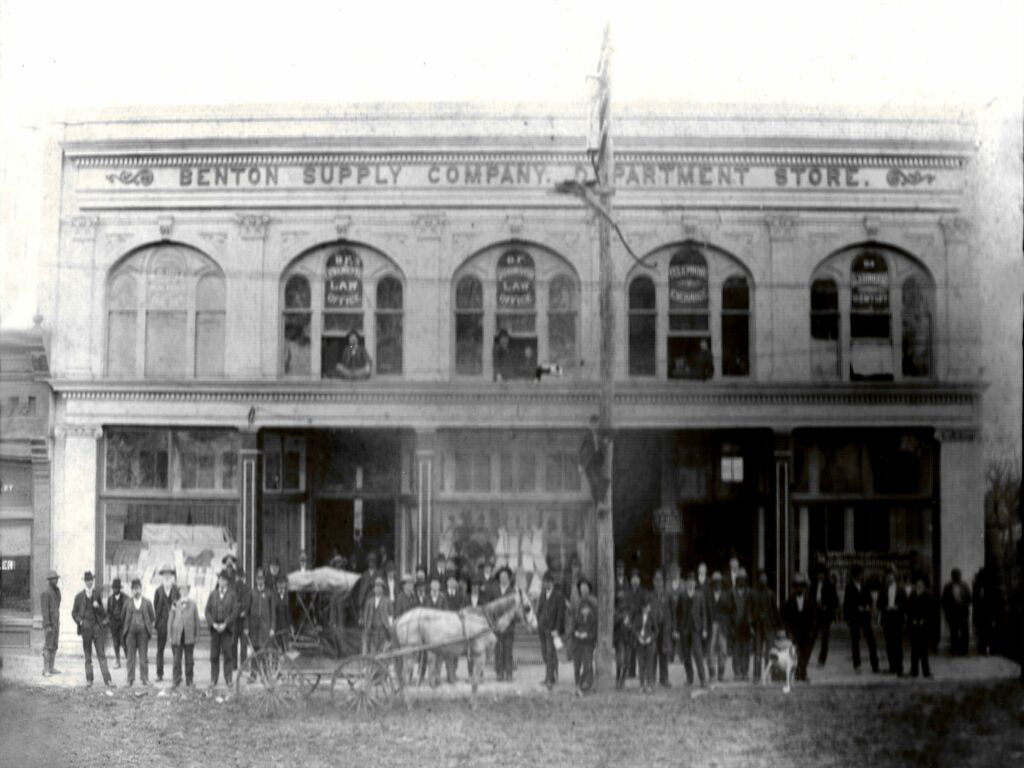
The New Georgia Encyclopedia does not hold the copyright for this media resource and can neither grant nor deny permission to republish or reproduce the image online or in print. All requests for permission to publish or reproduce the resource must be submitted to the rights holder.

  • Info Details
  • Citation Terms of Use

The New Georgia Encyclopedia does not hold the copyright for this media resource and can neither grant nor deny permission to republish or reproduce the image online or in print. All requests for permission to publish or reproduce the resource must be submitted to the rights holder.

Benton Supply Company

Benton Supply Company

  • Info Details
  • Citation Terms of Use

Throughout the nineteenth century, the Benton Supply Company prospered in Monticello, selling clothing, buggies, and other necessities to the townspeople. Today the renovated building houses Monticello's city hall and visitors' center.

Courtesy of Lucille M. Harvey

The New Georgia Encyclopedia does not hold the copyright for this media resource and can neither grant nor deny permission to republish or reproduce the image online or in print. All requests for permission to publish or reproduce the resource must be submitted to the rights holder.

Downtown McDonough

Downtown McDonough

  • Info Details
  • Citation Terms of Use

The Henry County Courthouse presides over a street in downtown McDonough. The seat of Henry County, McDonough was incorporated in 1823 and boasts several historic homes. Each year the city hosts the Geranium Festival in the spring and the Henry County Fair in the fall.

Courtesy of Georgia Department of Economic Development.

The New Georgia Encyclopedia does not hold the copyright for this media resource and can neither grant nor deny permission to republish or reproduce the image online or in print. Requests for permission to publish or reproduce the resource may need to be submitted to the Georgia Department of Economic Development.

  • Info Details
  • Citation Terms of Use

The New Georgia Encyclopedia does not hold the copyright for this media resource and can neither grant nor deny permission to republish or reproduce the image online or in print. All requests for permission to publish or reproduce the resource must be submitted to the rights holder.

Joshua Hill House

Joshua Hill House

  • Info Details
  • Citation Terms of Use

The Joshua Hill House, one of the many antebellum homes in Madison, was built around 1840 for U.S. congressman Joshua Hill, who may have convinced Union general William T. Sherman to spare the town during his March to the Sea. Today it is part of the Madison Historic District.

Courtesy of Georgia Department of Economic Development.

The New Georgia Encyclopedia does not hold the copyright for this media resource and can neither grant nor deny permission to republish or reproduce the image online or in print. Requests for permission to publish or reproduce the resource may need to be submitted to the Georgia Department of Economic Development.

Madison Collegiate Institute

Madison Collegiate Institute

  • Info Details
  • Citation Terms of Use

The Madison Collegiate Institute, founded in Madison in 1849, was one of the first women's colleges in the country. The school's main building, to the right, burned before 1880. The building to the left has been renovated and today serves as a private residence.

Courtesy of Adelaide Wallace Ponder

The New Georgia Encyclopedia does not hold the copyright for this media resource and can neither grant nor deny permission to republish or reproduce the image online or in print. All requests for permission to publish or reproduce the resource must be submitted to the rights holder.

Madison-Morgan Cultural Center

Madison-Morgan Cultural Center

  • Info Details
  • Citation Terms of Use

Built in 1896, the Madison Elementary School was one of the first brick school buildings in the state. Today the structure houses the Madison-Morgan Cultural Center, a space devoted to the visual, performing, and decorative arts.

Courtesy of Adelaide Wallace Ponder

The New Georgia Encyclopedia does not hold the copyright for this media resource and can neither grant nor deny permission to republish or reproduce the image online or in print. All requests for permission to publish or reproduce the resource must be submitted to the rights holder.

Madison Residence

Madison Residence

  • Info Details
  • Citation Terms of Use

The Madison Historic District was placed on the National Register of Historic Places in 1974. 
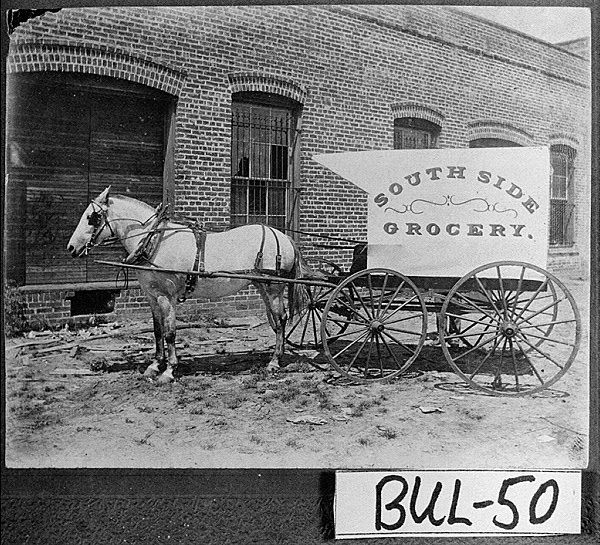
Courtesy of Historic Preservation Division, Georgia Department of Community Affairs.

The New Georgia Encyclopedia does not hold the copyright for this media resource and can neither grant nor deny permission to republish or reproduce the image online or in print. Requests for permission to publish or reproduce the resource may need to be submitted to the Georgia Department of Community Affairs, Historic Preservation Division.

Grocery Wagon

Grocery Wagon

  • Info Details
  • Citation Terms of Use

A late-nineteenth-century delivery wagon for South Side Grocery stands in a Statesboro street. By the 1890s, the town had become a commercial hub for Bulloch County, as the railroads brought in new retail merchants and agricultural markets opened for regional farmers.

Courtesy of Georgia Archives, Vanishing Georgia, #
bul050.

View on partner site

The New Georgia Encyclopedia does not hold the copyright for this media resource and can neither grant nor deny permission to republish or reproduce the image online or in print. Requests for permission to publish or reproduce the resource should be submitted to the Georgia Archives.

Bulloch County Courthouse

Bulloch County Courthouse

  • Info Details
  • Citation Terms of Use

The Bulloch County courthouse, located in Statesboro, was designed by Bruce & Morgan in 1894, with renovations by J. Bruyn Kops in 1914. The exterior of the neoclassical revival courthouse was covered with white plaster in the 1960s, much of which remains and has been painted a red brick color.

Photograph by Jimmy Emerson, DVM

The New Georgia Encyclopedia does not hold the copyright for this media resource and can neither grant nor deny permission to republish or reproduce the image online or in print. All requests for permission to publish or reproduce the resource must be submitted to the rights holder.

Archibald Bulloch

Archibald Bulloch

  • Info Details
  • Citation Terms of Use

Archibald Bulloch was a Revolutionary soldier, a leader of Georgia's Liberty Party, and the state's first chief executive and commander in chief. Bulloch County in southeast Georgia was named for him upon its creation in 1796.

Courtesy of Hargrett Rare Book and Manuscript Library, University of Georgia Libraries, Georgia Photo File.

The New Georgia Encyclopedia does not hold the copyright for this media resource and can neither grant nor deny permission to republish or reproduce the image online or in print. Requests for permission to publish or reproduce the resource should be submitted to the Hargrett Manuscript and Rare Book Library at the University of Georgia.

Baker County Courthouse

Baker County Courthouse

  • Info Details
  • Citation Terms of Use

This schoolhouse, built in Newton in the 1930s, was remodeled in 2000 to serve as the permanent courthouse for Baker County. The county's historic courthouse was damaged in 1994, when it was flooded to nearly the second floor by the Flint River.

Photograph by Jimmy Emerson, DVM

The New Georgia Encyclopedia does not hold the copyright for this media resource and can neither grant nor deny permission to republish or reproduce the image online or in print. All requests for permission to publish or reproduce the resource must be submitted to the rights holder.

Georgia State Capitol

Georgia State Capitol

  • Info Details
  • Citation Terms of Use

Atlanta has served as the capital city of Georgia since 1868. The current gold-domed capitol building, completed in 1889, houses the General Assembly in downtown Atlanta.

Courtesy of Georgia Info, Digital Library of Georgia.
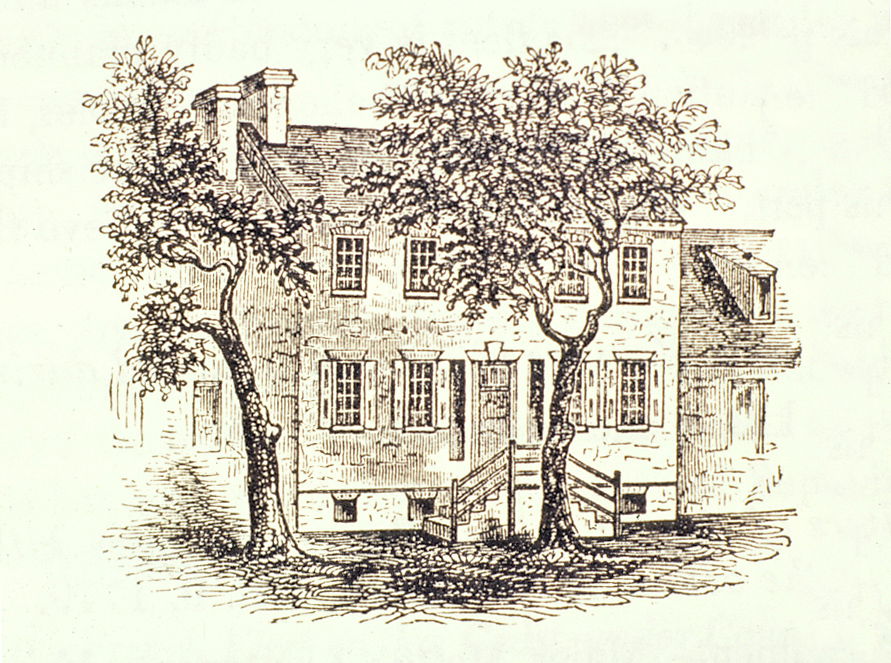
The New Georgia Encyclopedia does not hold the copyright for this media resource and can neither grant nor deny permission to republish or reproduce the image online or in print. Requests for permission to publish or reproduce the resource may need to be submitted to the Digital Library of Georgia.

Savannah Meeting Place

Savannah Meeting Place

  • Info Details
  • Citation Terms of Use

Although the precise locations of state legislature meetings in Savannah are not known, this building may have served as one meeting place for the assembly. From 1777 to 1784, Savannah served as the state capital on a rotating basis with Augusta.
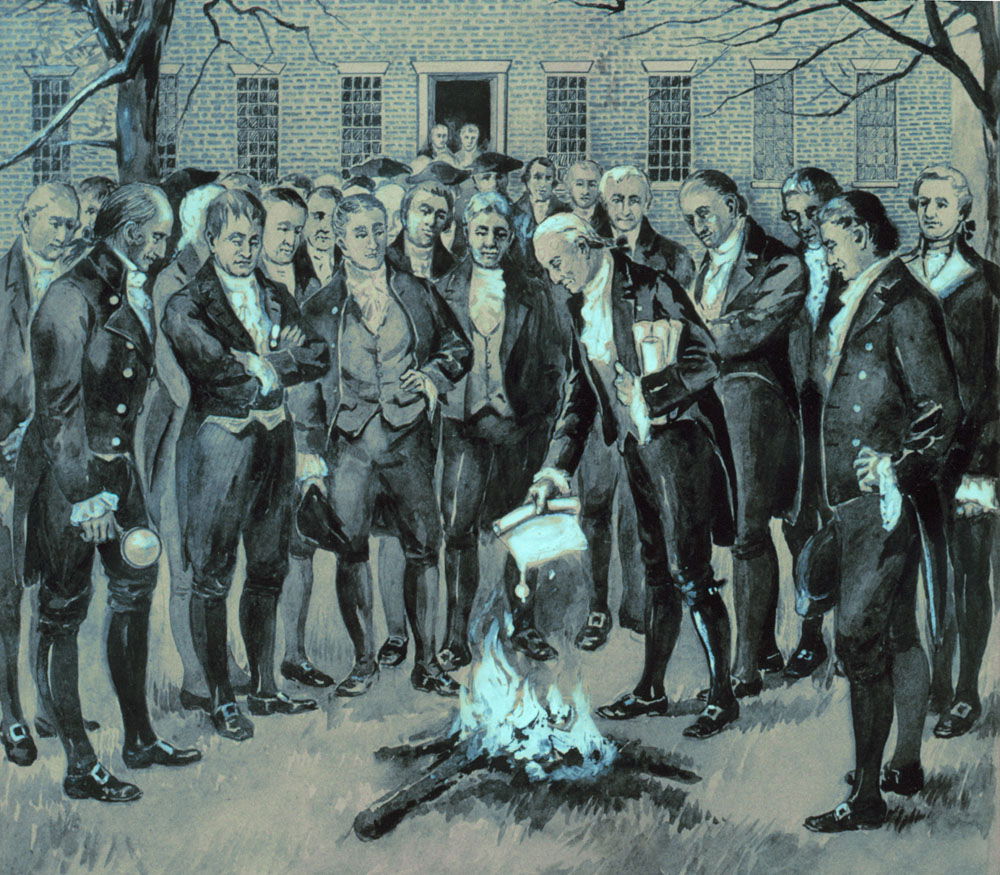
The New Georgia Encyclopedia does not hold the copyright for this media resource and can neither grant nor deny permission to republish or reproduce the image online or in print. All requests for permission to publish or reproduce the resource must be submitted to the rights holder.

Yazoo Act Burning

Yazoo Act Burning

  • Info Details
  • Citation Terms of Use

The burning of the Yazoo Act, which resulted in the Yazoo land fraud of 1795, took place on the grounds of the capitol building in Louisville. Louisville served as the state capital from 1796 until 1806, when the legislature moved to Milledgeville.

The New Georgia Encyclopedia does not hold the copyright for this media resource and can neither grant nor deny permission to republish or reproduce the image online or in print. All requests for permission to publish or reproduce the resource must be submitted to the rights holder.

State Capitol at Milledgeville

State Capitol at Milledgeville

  • Info Details
  • Citation Terms of Use

The state capitol in Milledgeville, pictured circa 1850, housed the General Assembly from 1807 until 1868 and was the site of the state's secession convention in 1861. Known today as the "Old Capitol Building," the structure currently houses Georgia Military College and the Antebellum Capitol Museum.

The New Georgia Encyclopedia does not hold the copyright for this media resource and can neither grant nor deny permission to republish or reproduce the image online or in print. All requests for permission to publish or reproduce the resource must be submitted to the rights holder.

Old Atlanta City Hall

Old Atlanta City Hall

  • Info Details
  • Citation Terms of Use

The old Atlanta City Hall, shown here in 1864, served as the first state capitol building in the city during the last half of 1868. Today the current capitol building stands on the site of the old city hall, on a hill in downtown Atlanta.

Courtesy of Library of Congress, Prints and Photographs Division
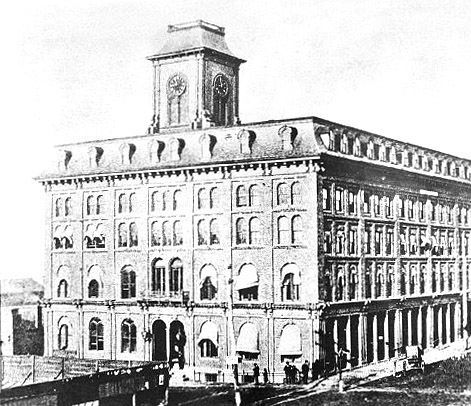
The New Georgia Encyclopedia does not hold the copyright for this media resource and can neither grant nor deny permission to republish or reproduce the image online or in print. All requests for permission to publish or reproduce the resource must be submitted to the rights holder.

Kimball Opera House

Kimball Opera House

  • Info Details
  • Citation Terms of Use

The Kimball Opera House housed the state legislature in Atlanta from 1869 until 1889. Constructed by brothers Edwin N. Kimball and H. I. Kimball, the building was purchased by the state in 1870.

Courtesy of Special Collections & Archives, Georgia State University Library.

The New Georgia Encyclopedia does not hold the copyright for this media resource and can neither grant nor deny permission to republish or reproduce the image online or in print. Requests for permission to publish or reproduce the resource should be submitted to Special Collections and Archives at Georgia State University.

James Jackson and the Yazoo Land Fraud

James Jackson and the Yazoo Land Fraud

  • Info Details
  • Citation Terms of Use

James Jackson, a U.S. senator from Georgia, destroys records connected with the Yazoo land fraud in 1796, after the passage of the Yazoo Rescinding Act. Josiah Tattnall Sr., a state representative, helped Jackson secure the votes necessary in the legislature to pass the act.

From A History of Georgia for Use in Schools, by L. B. Evans
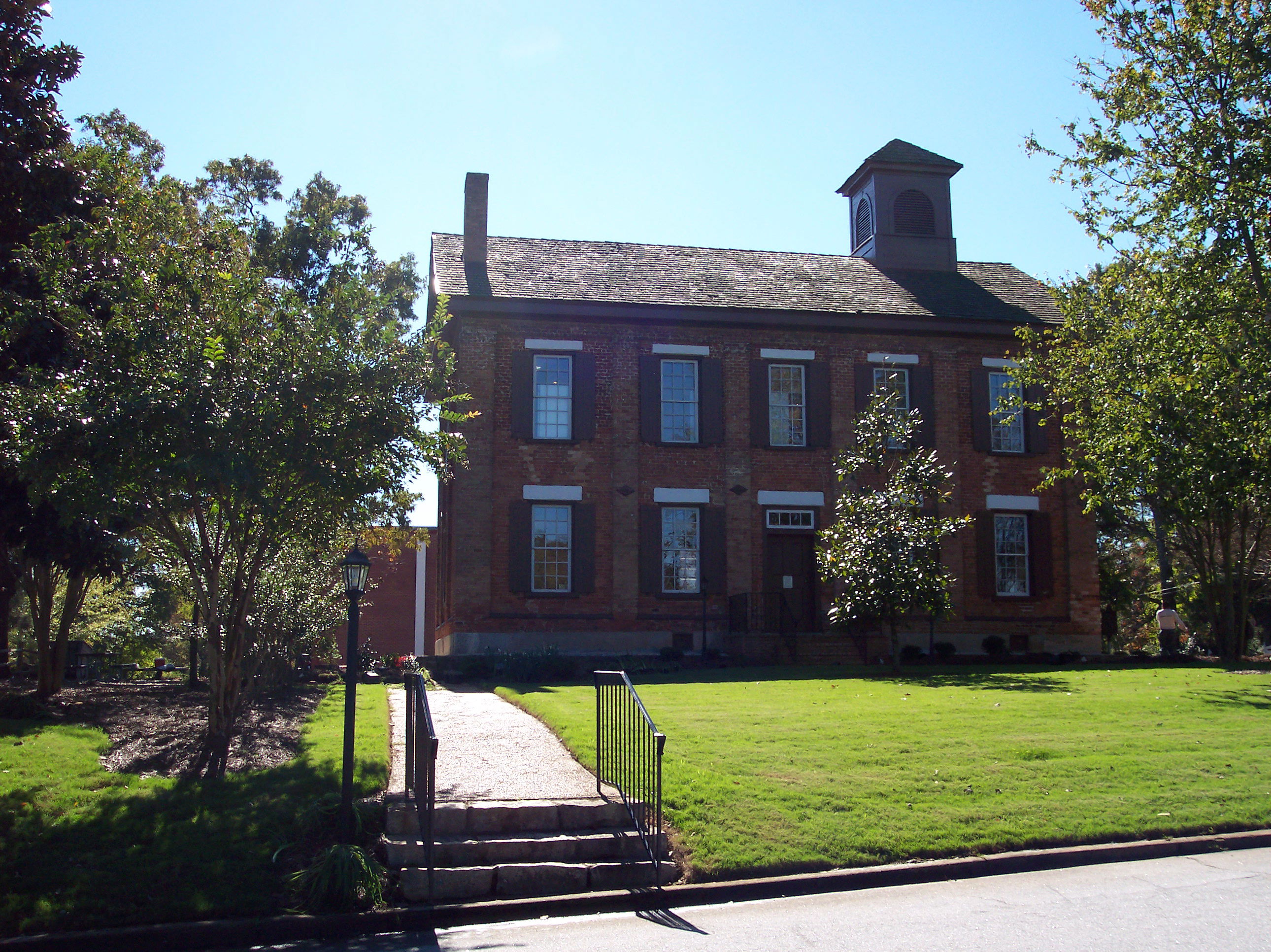
The New Georgia Encyclopedia does not hold the copyright for this media resource and can neither grant nor deny permission to republish or reproduce the image online or in print. All requests for permission to publish or reproduce the resource must be submitted to the rights holder.

Lawrenceville Female Seminary

Lawrenceville Female Seminary

  • Info Details
  • Citation Terms of Use

The Lawrenceville Female Seminary was incorporated by the state legislature in 1837. This building, shown in 2004, was built in approximately 1855. Today it houses the Gwinnett History Museum.

Photograph by Jim Baughman
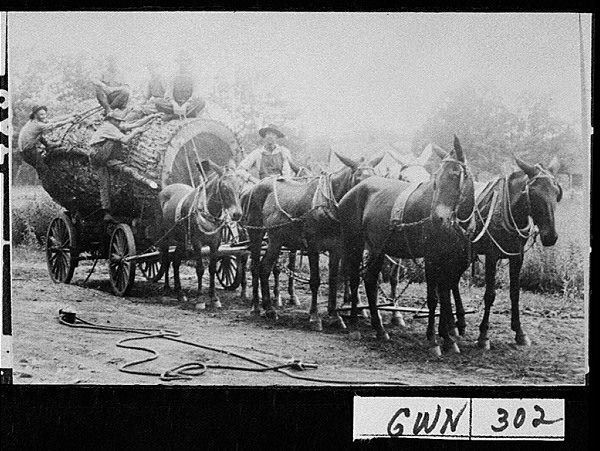
The New Georgia Encyclopedia does not hold the copyright for this media resource and can neither grant nor deny permission to republish or reproduce the image online or in print. All requests for permission to publish or reproduce the resource must be submitted to the rights holder.

Logging, Lawrenceville

Logging, Lawrenceville

  • Info Details
  • Citation Terms of Use

The Sims brothers, pictured in 1915, carried out logging operations near Lawrenceville in Gwinnett County at a time when the local economy was primarily agricultural.

Courtesy of Georgia Archives, Vanishing Georgia, #
gwn302.

View on partner site

The New Georgia Encyclopedia does not hold the copyright for this media resource and can neither grant nor deny permission to republish or reproduce the image online or in print. Requests for permission to publish or reproduce the resource should be submitted to the Georgia Archives.

Gwinnett County Courthouse

Gwinnett County Courthouse

  • Info Details
  • Citation Terms of Use

The Gwinnett County courthouse, built in 1885 in Lawrenceville, is one of architect Edmund Lind's many important buildings in Georgia.

Courtesy of Don Bowman

The New Georgia Encyclopedia does not hold the copyright for this media resource and can neither grant nor deny permission to republish or reproduce the image online or in print. All requests for permission to publish or reproduce the resource must be submitted to the rights holder.

Rhodes Jordan Park

Rhodes Jordan Park

  • Info Details
  • Citation Terms of Use

Pictured in the distance is the Senior Center at Rhodes Jordan Park in Lawrenceville, which is located in Gwinnett County.

Photograph by Jim Baughman

The New Georgia Encyclopedia does not hold the copyright for this media resource and can neither grant nor deny permission to republish or reproduce the image online or in print. All requests for permission to publish or reproduce the resource must be submitted to the rights holder.

Lawrenceville Female Seminary

Lawrenceville Female Seminary

  • Info Details
  • Citation Terms of Use

The Lawrenceville Female Seminary, located in Gwinnett County and incorporated in 1837, was destroyed by fire and replaced by this building around 1855. Today the building houses the Gwinnett History Museum and is listed on the National Register of Historic Places.

Courtesy of Georgia Archives, Vanishing Georgia, #gwn233.

View on partner site

The New Georgia Encyclopedia does not hold the copyright for this media resource and can neither grant nor deny permission to republish or reproduce the image online or in print. Requests for permission to publish or reproduce the resource should be submitted to the Georgia Archives.

Thomas County Courthouse

Thomas County Courthouse

  • Info Details
  • Citation Terms of Use

The current courthouse in Thomas County was constructed in 1858 and remodeled thirty years later. Located in the county seat of Thomasville, the courthouse is a three-story brick building designed in the Greek revival style.

Photograph by Jimmy Emerson, DVM
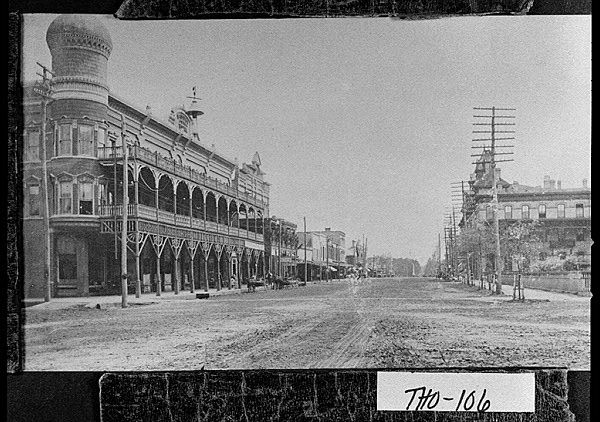
The New Georgia Encyclopedia does not hold the copyright for this media resource and can neither grant nor deny permission to republish or reproduce the image online or in print. All requests for permission to publish or reproduce the resource must be submitted to the rights holder.

Thomasville, 1900

Thomasville, 1900

  • Info Details
  • Citation Terms of Use

Thomasville became a popular resort town during the 1860s for wealthy northerners seeking a milder climate during the winter months. The Masury Hotel (left foreground) was constructed at the corner of Broad and Jefferson streets in 1889 to accommodate such visitors.

Courtesy of Georgia Archives, Vanishing Georgia, #
tho106.
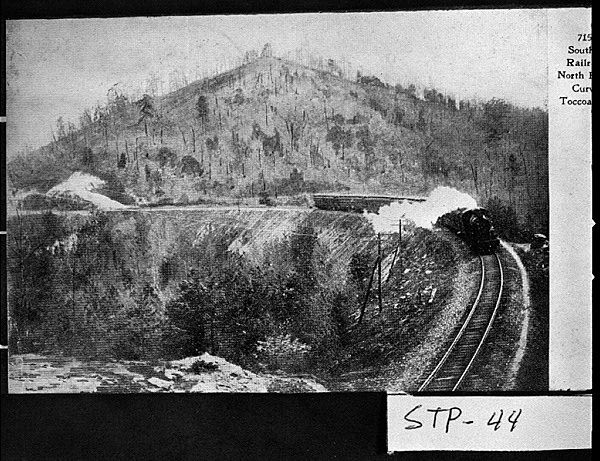
View on partner site

The New Georgia Encyclopedia does not hold the copyright for this media resource and can neither grant nor deny permission to republish or reproduce the image online or in print. Requests for permission to publish or reproduce the resource should be submitted to the Georgia Archives.

  • Info Details
  • Citation Terms of Use

The New Georgia Encyclopedia does not hold the copyright for this media resource and can neither grant nor deny permission to republish or reproduce the image online or in print. All requests for permission to publish or reproduce the resource must be submitted to the rights holder.

Southern Railroad

Southern Railroad

  • Info Details
  • Citation Terms of Use

A portion of the Southern Railroad known as the North Broad Curve, photographed in 1908, winds through Stephens County near Toccoa. Economic growth in Toccoa, which was dubbed the "Furniture, Thread, and Steel City," was spurred by its close proximity to the railroad running between Atlanta and Charlotte, North Carolina.

Courtesy of Georgia Archives, Vanishing Georgia, #
stp044.

View on partner site

The New Georgia Encyclopedia does not hold the copyright for this media resource and can neither grant nor deny permission to republish or reproduce the image online or in print. Requests for permission to publish or reproduce the resource should be submitted to the Georgia Archives.

Stephens County Courthouse

Stephens County Courthouse

  • Info Details
  • Citation Terms of Use

The Stephens County Courthouse was built in 2000 across the street from the original courthouse in Toccoa. The older structure, completed in 1908, was restored in 2008.

Photograph by Jimmy Emerson, DVM

The New Georgia Encyclopedia does not hold the copyright for this media resource and can neither grant nor deny permission to republish or reproduce the image online or in print. All requests for permission to publish or reproduce the resource must be submitted to the rights holder.

Traveler’s Rest State Historic Site

Traveler’s Rest State Historic Site

  • Info Details
  • Citation Terms of Use

Traveler's Rest in Toccoa once stood on Georgia's western frontier; the Cherokee Nation comprised the lands to the west. Built in the early 1800s by a white frontiersman, the inn is notable for its ninety-foot-long porch. It was designated a National Historic Landmark in 1964.

Courtesy of Explore Georgia, Photograph by Ralph Daniel.
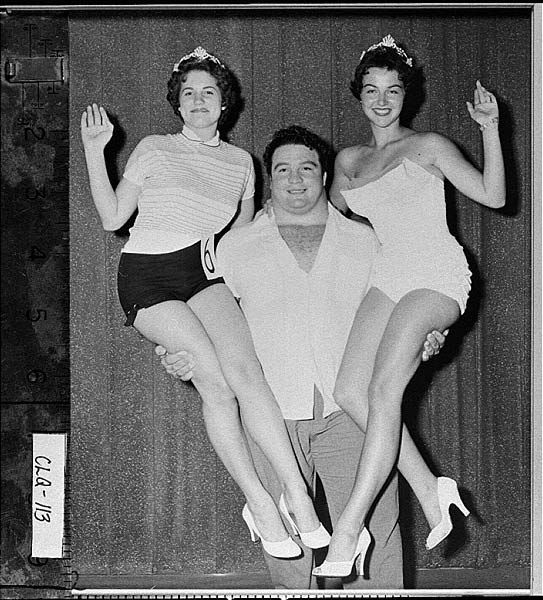
The New Georgia Encyclopedia does not hold the copyright for this media resource and can neither grant nor deny permission to republish or reproduce the image online or in print. Requests for permission to publish or reproduce the resource may need to be submitted to Explore Georgia.

Paul Anderson

Paul Anderson

  • Info Details
  • Citation Terms of Use

Paul Anderson, a heavyweight champion from Toccoa known as "the Dixie Derrick," lifts two beauty pageant contestants in the 1950s or 1960s. In 1955 Anderson became the first lifter to press more than 400 pounds.

Courtesy of Georgia Archives, Vanishing Georgia, #
clq113.

View on partner site

The New Georgia Encyclopedia does not hold the copyright for this media resource and can neither grant nor deny permission to republish or reproduce the image online or in print. Requests for permission to publish or reproduce the resource should be submitted to the Georgia Archives.

Jekyll Island Club

Jekyll Island Club

  • Info Details
  • Citation Terms of Use

The Jekyll Island Club, a hunting club and resort for wealthy northeastern businessmen, was completed in 1887. The club closed during World War II and today is part of the Jekyll Island State Park.

Courtesy of Jekyll Island Museum

The New Georgia Encyclopedia does not hold the copyright for this media resource and can neither grant nor deny permission to republish or reproduce the image online or in print. All requests for permission to publish or reproduce the resource must be submitted to the rights holder.

Glynn County Courthouse

Glynn County Courthouse

  • Info Details
  • Citation Terms of Use

The Glynn County Courthouse, designed in a neoclassical revival style and completed in 1991, is the fourth documented courthouse to be built in the county. The W. Harold Pate Courthouse Annex was built several blocks away from the courthouse in Brunswick during the mid-1990s.

Photograph by Jimmy Emerson, DVM

The New Georgia Encyclopedia does not hold the copyright for this media resource and can neither grant nor deny permission to republish or reproduce the image online or in print. All requests for permission to publish or reproduce the resource must be submitted to the rights holder.

St. Simons Tourists

St. Simons Tourists

  • Info Details
  • Citation Terms of Use

Tourists on St. Simons Island gather outside one of the island's many shops. The island suffered an economic depression at the end of the cotton era in the 1830s, but its fortunes reversed with the arrival of the timber industry in the 1870s. Today St. Simons enjoys a strong tourist industry.

Courtesy of Explore Georgia.

The New Georgia Encyclopedia does not hold the copyright for this media resource and can neither grant nor deny permission to republish or reproduce the image online or in print. Requests for permission to publish or reproduce the resource may need to be submitted to Explore Georgia.

The Cloister

The Cloister

  • Info Details
  • Citation Terms of Use

This postcard from around 1928 depicts the motor entrance to the Cloister, a luxury hotel on Sea Island. Owned today by the Sea Island Company, the island is a retreat for celebrities and world leaders.

Courtesy of Sea Island Company
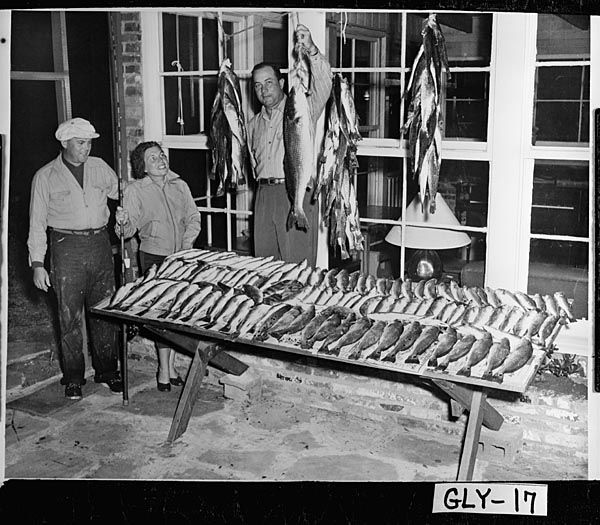
The New Georgia Encyclopedia does not hold the copyright for this media resource and can neither grant nor deny permission to republish or reproduce the image online or in print. All requests for permission to publish or reproduce the resource must be submitted to the rights holder.

Fish Catch

Fish Catch

  • Info Details
  • Citation Terms of Use

J. Roy Duggan, a board chairman for King Shrimp Company in Brunswick, displays his catch of spotted bass and trout on St. Simons Island around 1950. At left are J. O. Hice and his wife. Hice cofounded the SeaPak Corporation, a coastal Georgia seafood company that is known today as the Rich-Seapak Corporation.

Courtesy of Georgia Archives, Vanishing Georgia, #
gly017.

View on partner site

The New Georgia Encyclopedia does not hold the copyright for this media resource and can neither grant nor deny permission to republish or reproduce the image online or in print. Requests for permission to publish or reproduce the resource should be submitted to the Georgia Archives.

Low Tidal Salt Marsh

Low Tidal Salt Marsh

  • Info Details
  • Citation Terms of Use

Little St. Simons Island, consisting mostly of low tidal salt marsh with forested upland tracts on its eastern (ocean) side, is privately owned and is accessible only by water.

Courtesy of Explore Georgia, Photograph by Ralph Daniel.

The New Georgia Encyclopedia does not hold the copyright for this media resource and can neither grant nor deny permission to republish or reproduce the image online or in print. Requests for permission to publish or reproduce the resource may need to be submitted to Explore Georgia.

Taloney Mission

Taloney Mission

  • Info Details
  • Citation Terms of Use

The Taloney Mission (later Carmel Mission) was founded by the Georgia Presbyterians in Pickens County along Talking Rock Creek. The Presbyterians established and ran a number of mission schools throughout Georgia from 1817 to 1833. The remains of the Taloney Mission were photographed between 1930 and 1960.

Courtesy of Hargrett Rare Book and Manuscript Library, University of Georgia Libraries.

The New Georgia Encyclopedia does not hold the copyright for this media resource and can neither grant nor deny permission to republish or reproduce the image online or in print. Requests for permission to publish or reproduce the resource should be submitted to the Hargrett Manuscript and Rare Book Library at the University of Georgia.

Pickens County Courthouse

Pickens County Courthouse

  • Info Details
  • Citation Terms of Use

The Pickens County Courthouse in Jasper was constructed in 1949 with marble quarried in nearby Tate. This courthouse, designed in a stripped classical style, is the third in the county's history.

Courtesy of Don Bowman

The New Georgia Encyclopedia does not hold the copyright for this media resource and can neither grant nor deny permission to republish or reproduce the image online or in print. All requests for permission to publish or reproduce the resource must be submitted to the rights holder.

Blue Ridge Marble Company

Blue Ridge Marble Company

  • Info Details
  • Citation Terms of Use

A train arrives at the Blue Ridge Marble Company about 1910. Later renamed Georgia Marble, the company was active in Cherokee and Pickens counties during the growth of the marble industry between the arrival of the railroads in the 1880s and the Great Depression of the 1930s.

Courtesy of Georgia Archives, Vanishing Georgia, #
pck077-82a.
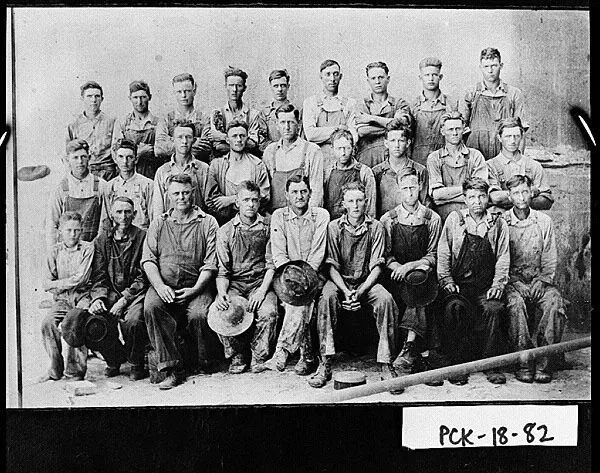
View on partner site

The New Georgia Encyclopedia does not hold the copyright for this media resource and can neither grant nor deny permission to republish or reproduce the image online or in print. Requests for permission to publish or reproduce the resource should be submitted to the Georgia Archives.

Marblehill Quarry

Marblehill Quarry

  • Info Details
  • Citation Terms of Use

Workers for the Georgia Marble Company sit for a portrait during the 1920s at the Marblehill Quarry in Pickens County. Marble from Pickens County is reported to have been used in around 60 percent of the monuments in Washington, D.C.

Courtesy of Georgia Archives, Vanishing Georgia, #
pck018-82.
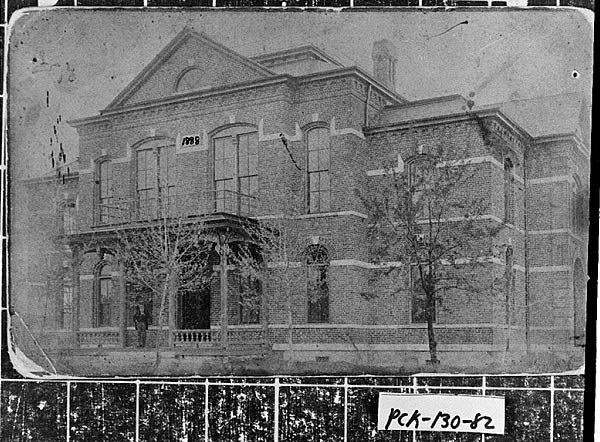
View on partner site

The New Georgia Encyclopedia does not hold the copyright for this media resource and can neither grant nor deny permission to republish or reproduce the image online or in print. Requests for permission to publish or reproduce the resource should be submitted to the Georgia Archives.

Old Pickens County Courthouse

Old Pickens County Courthouse

  • Info Details
  • Citation Terms of Use

The second Pickens County Courthouse, pictured circa 1890, was built in 1888. Located in Jasper, the courthouse was in use until 1947, when it was destroyed by a fire.

Courtesy of Georgia Archives, Vanishing Georgia, #
pck130-82.

View on partner site

The New Georgia Encyclopedia does not hold the copyright for this media resource and can neither grant nor deny permission to republish or reproduce the image online or in print. Requests for permission to publish or reproduce the resource should be submitted to the Georgia Archives.

Rome Beauty Apple

Rome Beauty Apple

  • Info Details
  • Citation Terms of Use

The most popular apple varieties grown in Georgia include Empire, Fuji, Granny Smith, Jonagold, Jonathan, Ozark Gold, Paulard, Red Delicious, Rome Beauty, and Yates. The Annual Apple Festival, hosted each October in Ellijay, features a crafts show and vendors selling a variety of apple products.

Courtesy of Explore Georgia, Photograph by Ralph Daniel.

The New Georgia Encyclopedia does not hold the copyright for this media resource and can neither grant nor deny permission to republish or reproduce the image online or in print. Requests for permission to publish or reproduce the resource may need to be submitted to Explore Georgia.

L and N Railroad

L and N Railroad

  • Info Details
  • Citation Terms of Use

A train with the L and N Railroad makes a stop in Cherokee County in 1906. Gilmer County, which was cut from Cherokee County in 1832, enjoyed a growth in the timber industry after the arrival of the railroad in 1884, resulting in a stronger connection between Ellijay and the rest of the state.

Courtesy of Georgia Archives, Vanishing Georgia, # crk025.

View on partner site

The New Georgia Encyclopedia does not hold the copyright for this media resource and can neither grant nor deny permission to republish or reproduce the image online or in print. Requests for permission to publish or reproduce the resource should be submitted to the Georgia Archives.

Chattahoochee National Forest

Chattahoochee National Forest

  • Info Details
  • Citation Terms of Use

The wilderness of the Chattahoochee National Forest attracts a number of hikers, hunters, and other outdoor enthusiasts to nearby Ellijay each year.

Image from John W. Iwanski
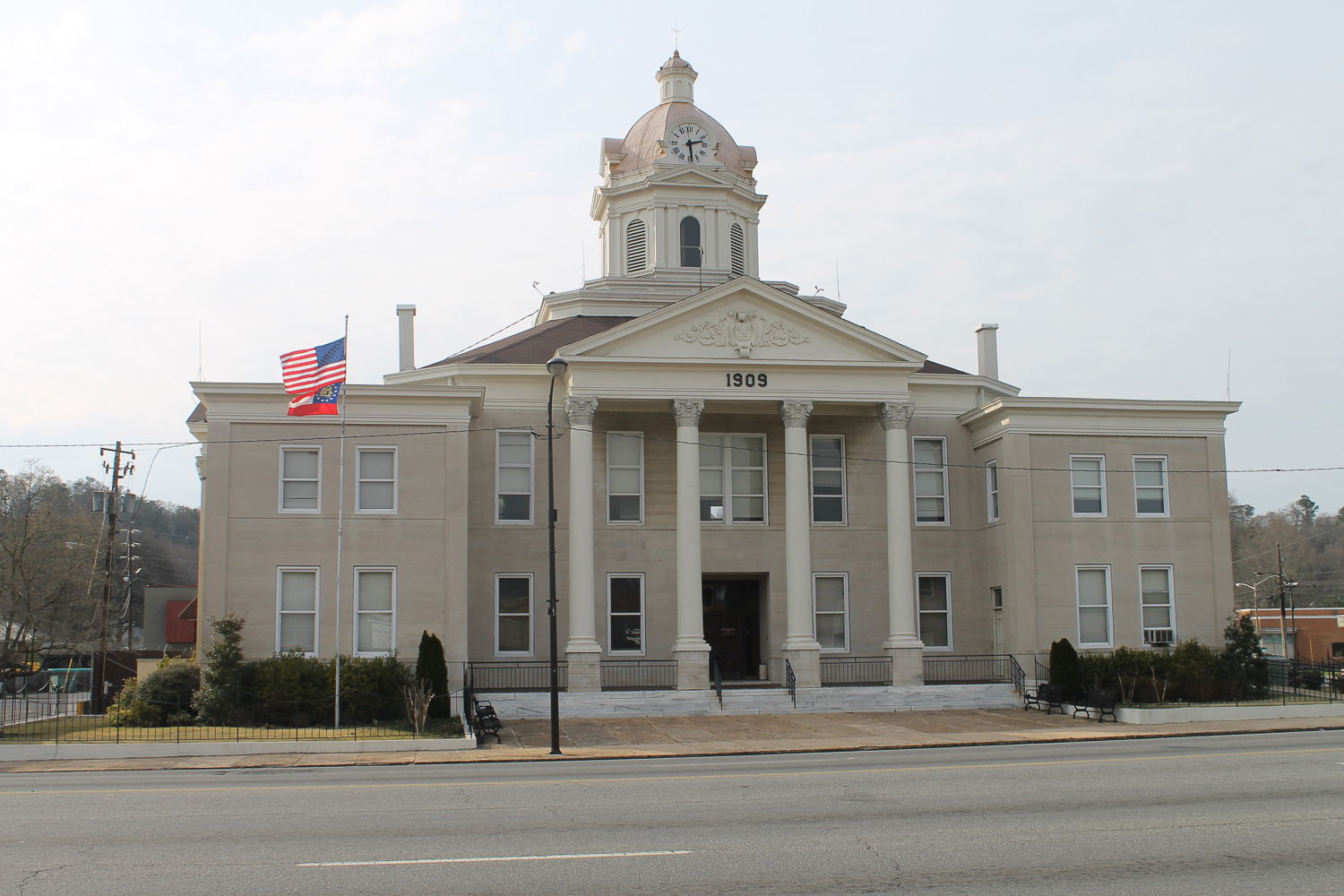
View on source site

The New Georgia Encyclopedia does not hold the copyright for this media resource and can neither grant nor deny permission to republish or reproduce the image online or in print. All requests for permission to publish or reproduce the resource must be submitted to the rights holder.

Chattooga County Courthouse

Chattooga County Courthouse

  • Info Details
  • Citation Terms of Use

The Chattooga County Courthouse, located in Summerville, was built in 1909 to replace the original 1840 courthouse. This neoclassical revival structure was listed on the National Register of Historic Places in 1980.

Courtesy of Don Bowman
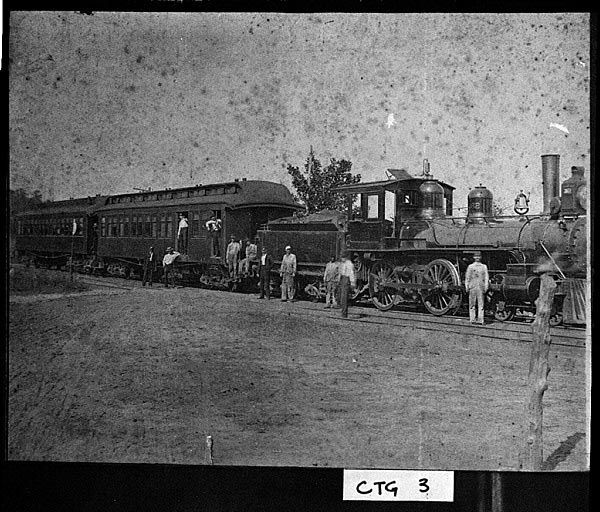
The New Georgia Encyclopedia does not hold the copyright for this media resource and can neither grant nor deny permission to republish or reproduce the image online or in print. All requests for permission to publish or reproduce the resource must be submitted to the rights holder.

Central of Georgia Railway

Central of Georgia Railway

  • Info Details
  • Citation Terms of Use

A Central of Georgia Railway train makes a stop in Chattooga County around 1912. The county residents, primarily farmers at this time, relied on the railroad to ship produce, especially strawberries, to markets as far north as Cincinnati, Ohio.

Courtesy of Georgia Archives, Vanishing Georgia, #
ctg003.

View on partner site

The New Georgia Encyclopedia does not hold the copyright for this media resource and can neither grant nor deny permission to republish or reproduce the image online or in print. Requests for permission to publish or reproduce the resource should be submitted to the Georgia Archives.

Paradise Garden

Paradise Garden

  • Info Details
  • Citation Terms of Use

In 1982 Howard Finster acquired a small church adjacent to his Paradise Garden in Chattooga County and transformed it into his "World's Folk Art Church." Pictured in 2014, the church and garden fell into serious disrepair after Finster's death, but restoration efforts began in 2010.

Photograph by Sarah E. McKee, New Georgia Encyclopedia

The New Georgia Encyclopedia does not hold the copyright for this media resource and can neither grant nor deny permission to republish or reproduce the image online or in print. All requests for permission to publish or reproduce the resource must be submitted to the rights holder.

Allen D. Candler

Allen D. Candler

  • Info Details
  • Citation Terms of Use

Allen D. Candler served as governor of Georgia from 1898 to 1902 and was a resident of Banks County. Candler County, created in southeast Georgia in 1914, was named for him.

Courtesy of Hargrett Rare Book and Manuscript Library, University of Georgia Libraries, Georgia Photo File.

The New Georgia Encyclopedia does not hold the copyright for this media resource and can neither grant nor deny permission to republish or reproduce the image online or in print. Requests for permission to publish or reproduce the resource should be submitted to the Hargrett Manuscript and Rare Book Library at the University of Georgia.

Candler County Courthouse

Candler County Courthouse

  • Info Details
  • Citation Terms of Use

The Candler County Courthouse, located in Metter, was built in 1921. Designed in a neoclassical revival style by J. J. Baldwin, the courthouse was placed on the National Register of Historic Places in 1980.

Courtesy of Don Bowman
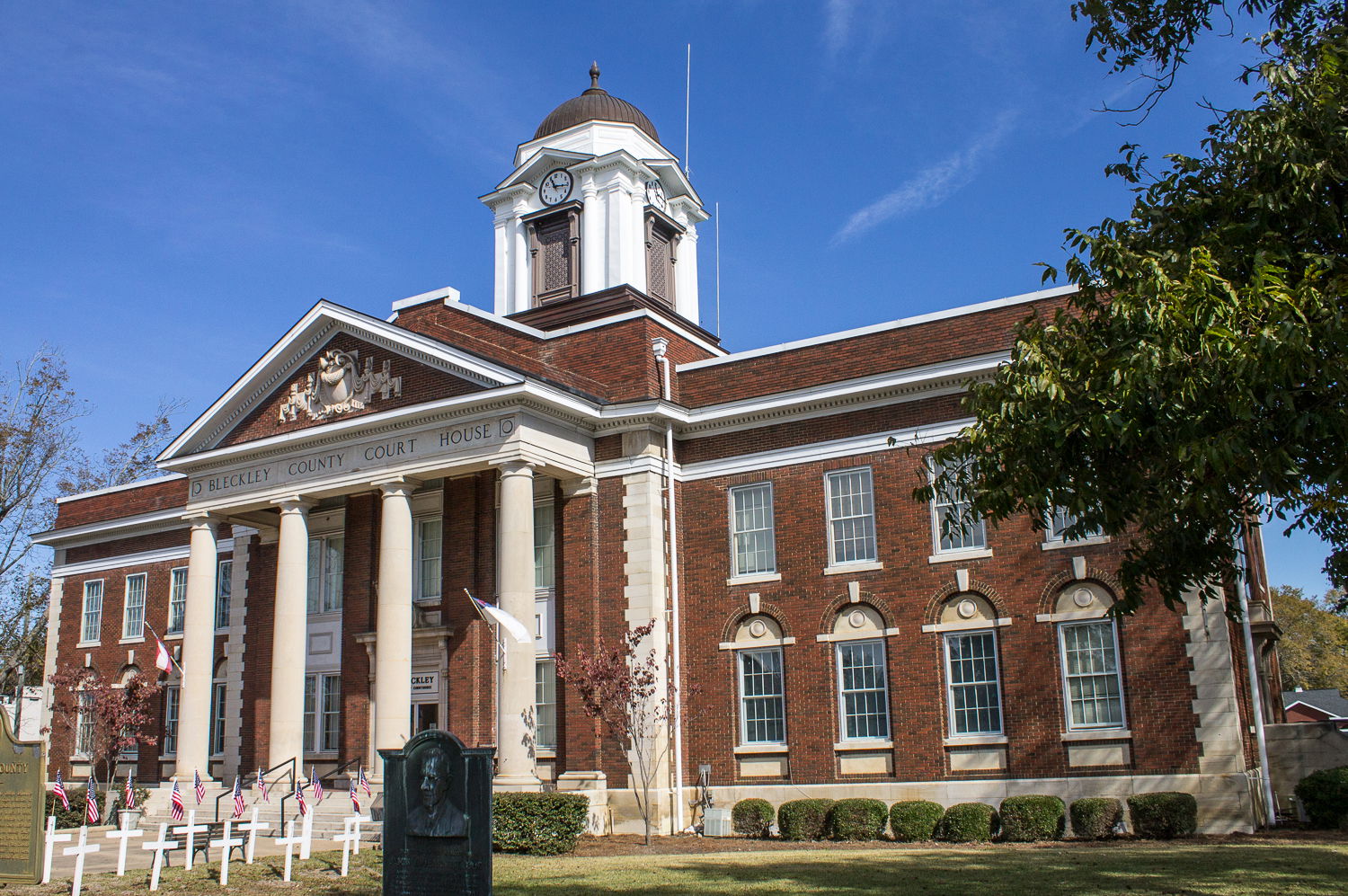
The New Georgia Encyclopedia does not hold the copyright for this media resource and can neither grant nor deny permission to republish or reproduce the image online or in print. All requests for permission to publish or reproduce the resource must be submitted to the rights holder.

Bleckley County Courthouse

Bleckley County Courthouse

  • Info Details
  • Citation Terms of Use

The Bleckley County Courthouse, located in Cochran, was built in 1914 in a neoclassical revival style. Renovations and several additions have been made to the building since its original construction, and it was added to the National Register of Historic Places in 1980.

Courtesy of Don Bowman

The New Georgia Encyclopedia does not hold the copyright for this media resource and can neither grant nor deny permission to republish or reproduce the image online or in print. All requests for permission to publish or reproduce the resource must be submitted to the rights holder.

Southern Railroad

Southern Railroad

  • Info Details
  • Citation Terms of Use

In February 1901 more than six inches of snow fell on the Southern Railroad tracks through Cochran, the seat of Bleckley County.

Courtesy of Georgia Archives, Vanishing Georgia, #
ble004.

View on partner site

The New Georgia Encyclopedia does not hold the copyright for this media resource and can neither grant nor deny permission to republish or reproduce the image online or in print. Requests for permission to publish or reproduce the resource should be submitted to the Georgia Archives.

Middle Georgia College

Middle Georgia College

  • Info Details
  • Citation Terms of Use

Students gather outside of Walker Hall on the campus of Middle Georgia College, a two-year residential college located in Cochran.

Courtesy of Ellis-Harper Advertising

The New Georgia Encyclopedia does not hold the copyright for this media resource and can neither grant nor deny permission to republish or reproduce the image online or in print. All requests for permission to publish or reproduce the resource must be submitted to the rights holder.

Before: Bleckley County African American School

Before: Bleckley County African American School

  • Info Details
  • Citation Terms of Use

Bleckley County African American school before the Works Progress Administration Program started in 1936.

Courtesy of Hargrett Rare Book and Manuscript Library, University of Georgia Libraries, Works Progress Administration in Georgia, 1936.
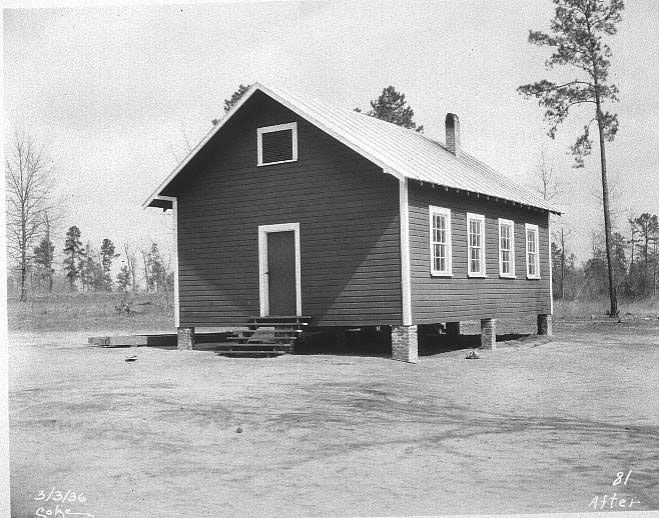
The New Georgia Encyclopedia does not hold the copyright for this media resource and can neither grant nor deny permission to republish or reproduce the image online or in print. Requests for permission to publish or reproduce the resource should be submitted to the Hargrett Manuscript and Rare Book Library at the University of Georgia.

After: Bleckley County African American School

After: Bleckley County African American School

  • Info Details
  • Citation Terms of Use

Bleckley County African American school after it was completed in 1936 as a part of the Works Progress Administration Program, under the New Deal in Georgia.

Courtesy of Hargrett Rare Book and Manuscript Library, University of Georgia Libraries, Works Progress Administration in Georgia, 1936.

The New Georgia Encyclopedia does not hold the copyright for this media resource and can neither grant nor deny permission to republish or reproduce the image online or in print. Requests for permission to publish or reproduce the resource should be submitted to the Hargrett Manuscript and Rare Book Library at the University of Georgia.

Chickamauga Battlefield

Chickamauga Battlefield

  • Info Details
  • Citation Terms of Use

The Battle of Chickamauga, one of the major battles of the Civil War, is commemorated at the Chickamauga and Chattanooga National Military Park, the largest military park in the United States. The town of Chickamauga is located at the base of Lookout Mountain in Georgia and serves as an important tourist attraction in the state.

Courtesy of Explore Georgia.
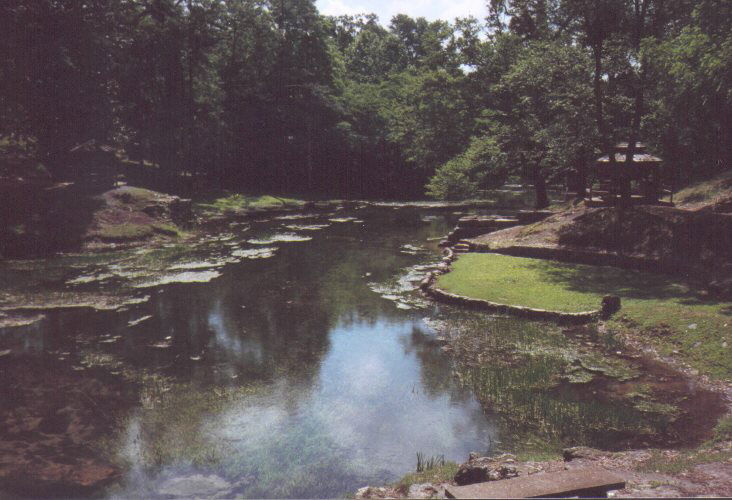
The New Georgia Encyclopedia does not hold the copyright for this media resource and can neither grant nor deny permission to republish or reproduce the image online or in print. Requests for permission to publish or reproduce the resource may need to be submitted to Explore Georgia.

Crawfish Springs

Crawfish Springs

  • Info Details
  • Citation Terms of Use

The town of Chickamauga began along Crawfish Springs as a plantation owned by James Gordon. The creek was named for Chief Crayfish, the leader of the Tsikamagi Cherokee who occupied Chickamauga until their forced removal in 1838 along the Trail of Tears.

Courtesy of City of Chickamauga
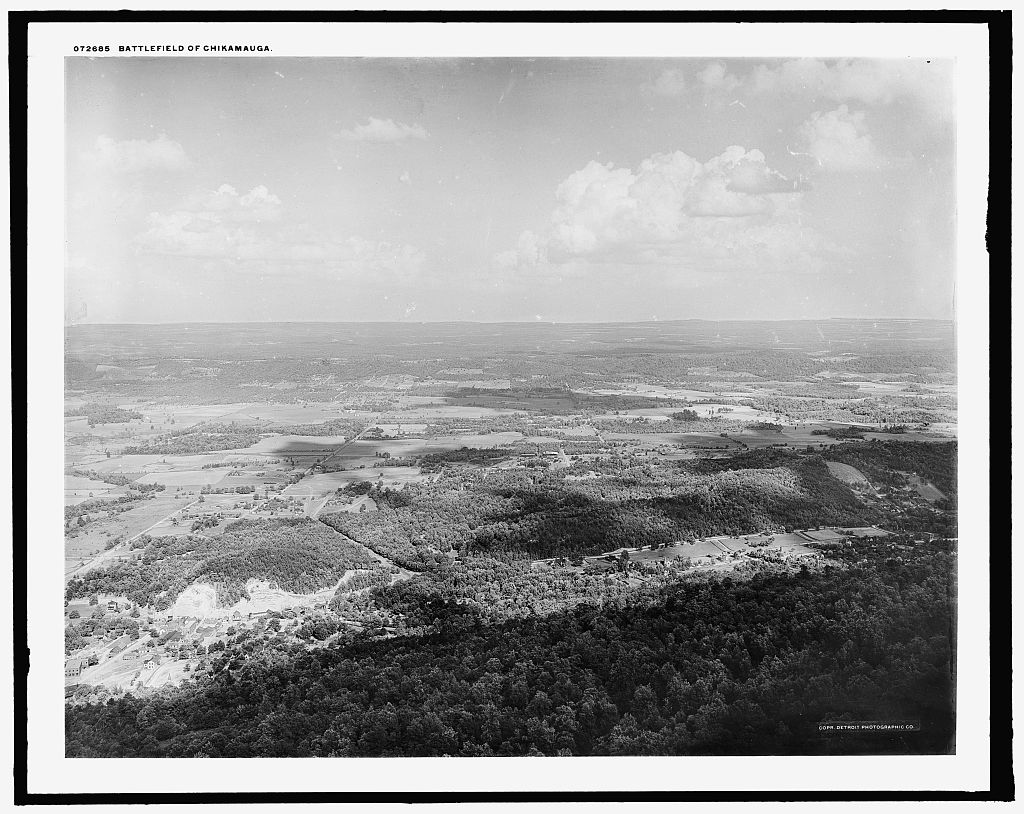
The New Georgia Encyclopedia does not hold the copyright for this media resource and can neither grant nor deny permission to republish or reproduce the image online or in print. All requests for permission to publish or reproduce the resource must be submitted to the rights holder.

  • Info Details
  • Citation Terms of Use

The New Georgia Encyclopedia does not hold the copyright for this media resource and can neither grant nor deny permission to republish or reproduce the image online or in print. All requests for permission to publish or reproduce the resource must be submitted to the rights holder.

Battle of Chickamauga

Battle of Chickamauga

  • Info Details
  • Citation Terms of Use

The Battle of Chickamauga took place on September 18-20, 1863, during the Civil War. Around 34,000 soldiers lost their lives in a battle that was declared a decisive Confederate victory. Today the streets of Chickamauga are named for Confederate and Union generals.

Courtesy of Library of Congress, Prints and Photographs Division, Detroit Publishing Company photograph collection.
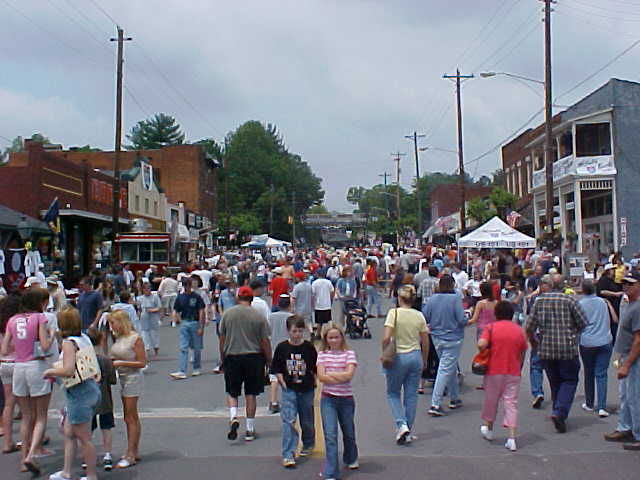
View on source site

The New Georgia Encyclopedia does not hold the copyright for this media resource and can neither grant nor deny permission to republish or reproduce the image online or in print. All requests for permission to publish or reproduce the resource must be submitted to the rights holder.

Down Home Days Festival

Down Home Days Festival

  • Info Details
  • Citation Terms of Use

The town of Chickamauga celebrates its annual Down Home Days festival on the first weekend in May. Participants enjoy concerts, food, dancing, parades, and shopping for arts and crafts.

Courtesy of City of Chickamauga
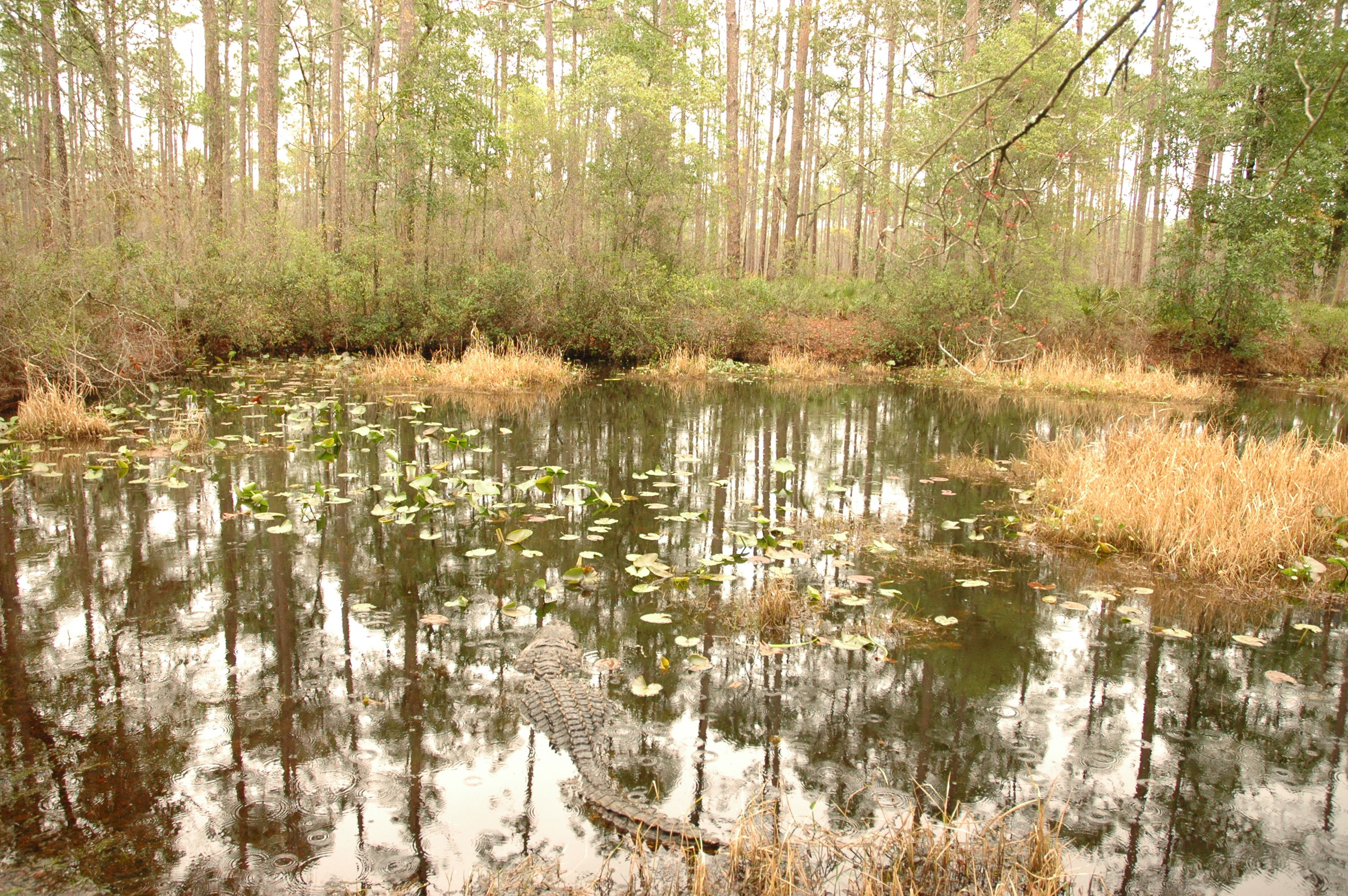
The New Georgia Encyclopedia does not hold the copyright for this media resource and can neither grant nor deny permission to republish or reproduce the image online or in print. All requests for permission to publish or reproduce the resource must be submitted to the rights holder.

Okefenokee Swamp

Okefenokee Swamp

  • Info Details
  • Citation Terms of Use

Alligators, which are native to Georgia, are among the hundreds of animal species to make their home in the Okefenokee Swamp.

Courtesy of Georgia Department of Economic Development.

The New Georgia Encyclopedia does not hold the copyright for this media resource and can neither grant nor deny permission to republish or reproduce the image online or in print. Requests for permission to publish or reproduce the resource may need to be submitted to the Georgia Department of Economic Development.

Charlton County Courthouse

Charlton County Courthouse

  • Info Details
  • Citation Terms of Use

The first courthouse in Folkston, built after the town was designated as the county seat in 1901, burned down in 1928. The current courthouse, designed in Neoclassical Revival and Georgian Revival styles, was built during the same year. An annex to the building was constructed in 1978.

Photograph by Jimmy Emerson, DVM

The New Georgia Encyclopedia does not hold the copyright for this media resource and can neither grant nor deny permission to republish or reproduce the image online or in print. All requests for permission to publish or reproduce the resource must be submitted to the rights holder.

Swamp Alligator

Swamp Alligator

  • Info Details
  • Citation Terms of Use

A swamp alligator suns on a log in the Okefenokee Wildlife Refuge. The Okefenokee Swamp is one of the major attractions in Charlton County.

Courtesy of Explore Georgia, Photograph by Geoff L. Johnson.

The New Georgia Encyclopedia does not hold the copyright for this media resource and can neither grant nor deny permission to republish or reproduce the image online or in print. Requests for permission to publish or reproduce the resource may need to be submitted to Explore Georgia.

Brantley County Courthouse

Brantley County Courthouse

  • Info Details
  • Citation Terms of Use

The Brantley County Courthouse was built in 1930 in Nahunta, which was selected in 1923 over the town of Hoboken to be the county seat. An addition to the original building was constructed in 1978.

Courtesy of Don Bowman
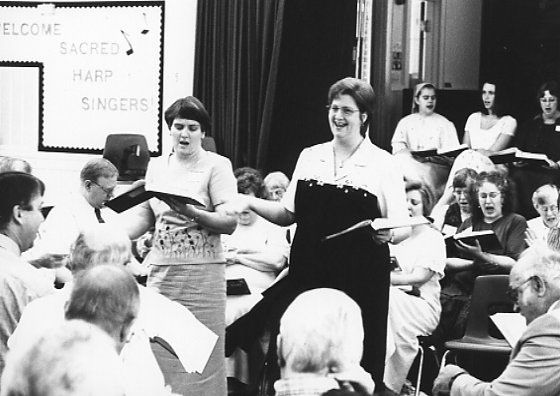
The New Georgia Encyclopedia does not hold the copyright for this media resource and can neither grant nor deny permission to republish or reproduce the image online or in print. All requests for permission to publish or reproduce the resource must be submitted to the rights holder.

Hoboken-Style Singing

Hoboken-Style Singing

  • Info Details
  • Citation Terms of Use

Sacred Harp singers Julie and Kathy Lee participate in the 2001 Hoboken Singing Day. The Library of Congress Local Legacies project has identified the "Hoboken style" of Sacred Harp singing as a distinctive form, which likely resulted from the town's relative isolation for much of its history.

Courtesy of Julie and Kathy Lee

The New Georgia Encyclopedia does not hold the copyright for this media resource and can neither grant nor deny permission to republish or reproduce the image online or in print. All requests for permission to publish or reproduce the resource must be submitted to the rights holder.

  • Info Details
  • Citation Terms of Use

The New Georgia Encyclopedia does not hold the copyright for this media resource and can neither grant nor deny permission to republish or reproduce the image online or in print. All requests for permission to publish or reproduce the resource must be submitted to the rights holder.

  • Info Details
  • Citation Terms of Use

The New Georgia Encyclopedia does not hold the copyright for this media resource and can neither grant nor deny permission to republish or reproduce the image online or in print. All requests for permission to publish or reproduce the resource must be submitted to the rights holder.

Tift County Courthouse

Tift County Courthouse

  • Info Details
  • Citation Terms of Use

The Tift County Courthouse, located in Tifton, was completed in 1913. Designed by W. A. Edwards, it is the only courthouse ever to be constructed in Tift County.

Courtesy of Don Bowman

The New Georgia Encyclopedia does not hold the copyright for this media resource and can neither grant nor deny permission to republish or reproduce the image online or in print. All requests for permission to publish or reproduce the resource must be submitted to the rights holder.

Abraham Baldwin Agricultural College

Abraham Baldwin Agricultural College

  • Info Details
  • Citation Terms of Use

The Second District Agricultural and Mechanical School, shown here in 1918, was established in 1908 as a high school in Tift County. In 1933 the school was renamed Abraham Baldwin Agricultural College, which is today the largest residential two-year college in Georgia.

Courtesy of Georgia Archives, Vanishing Georgia, #tif005.
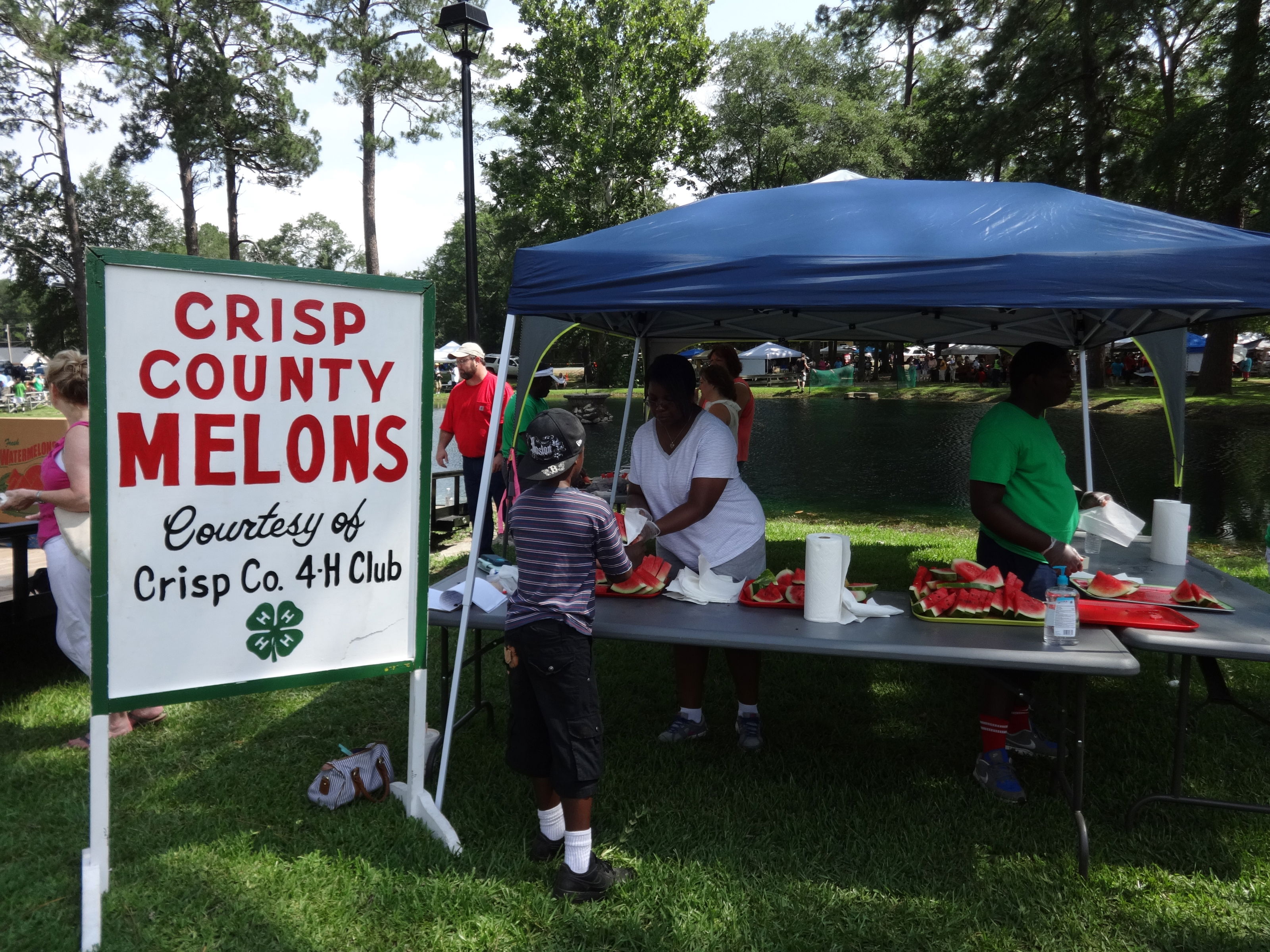
View on partner site

The New Georgia Encyclopedia does not hold the copyright for this media resource and can neither grant nor deny permission to republish or reproduce the image online or in print. Requests for permission to publish or reproduce the resource should be submitted to the Georgia Archives.

  • Info Details
  • Citation Terms of Use

The New Georgia Encyclopedia does not hold the copyright for this media resource and can neither grant nor deny permission to republish or reproduce the image online or in print. All requests for permission to publish or reproduce the resource must be submitted to the rights holder.

Watermelon Capital

Watermelon Capital

  • Info Details
  • Citation Terms of Use

Cordele, the seat of Crisp County, is known as the "Watermelon Capital of the World." Farmers in the county ship more than 125 million watermelons to markets around the United States. Other major crops raised in the Cordele area include pecans, peaches, and peanuts.

Image from Michael Rivera

The New Georgia Encyclopedia does not hold the copyright for this media resource and can neither grant nor deny permission to republish or reproduce the image online or in print. All requests for permission to publish or reproduce the resource must be submitted to the rights holder.

Old Suwannee Hotel

Old Suwannee Hotel

  • Info Details
  • Citation Terms of Use

The old Suwannee Hotel in Cordele was founded in 1890 at the family home of Confederate governor Joseph E. Brown. Fomerly known as Dooly County Place, the home provided a haven for Brown as he fled from Sherman's troops near the end of the Civil War. The original hotel burned in 1994 and has since been rebuilt.

Courtesy of Crisp County Chamber of Commerce
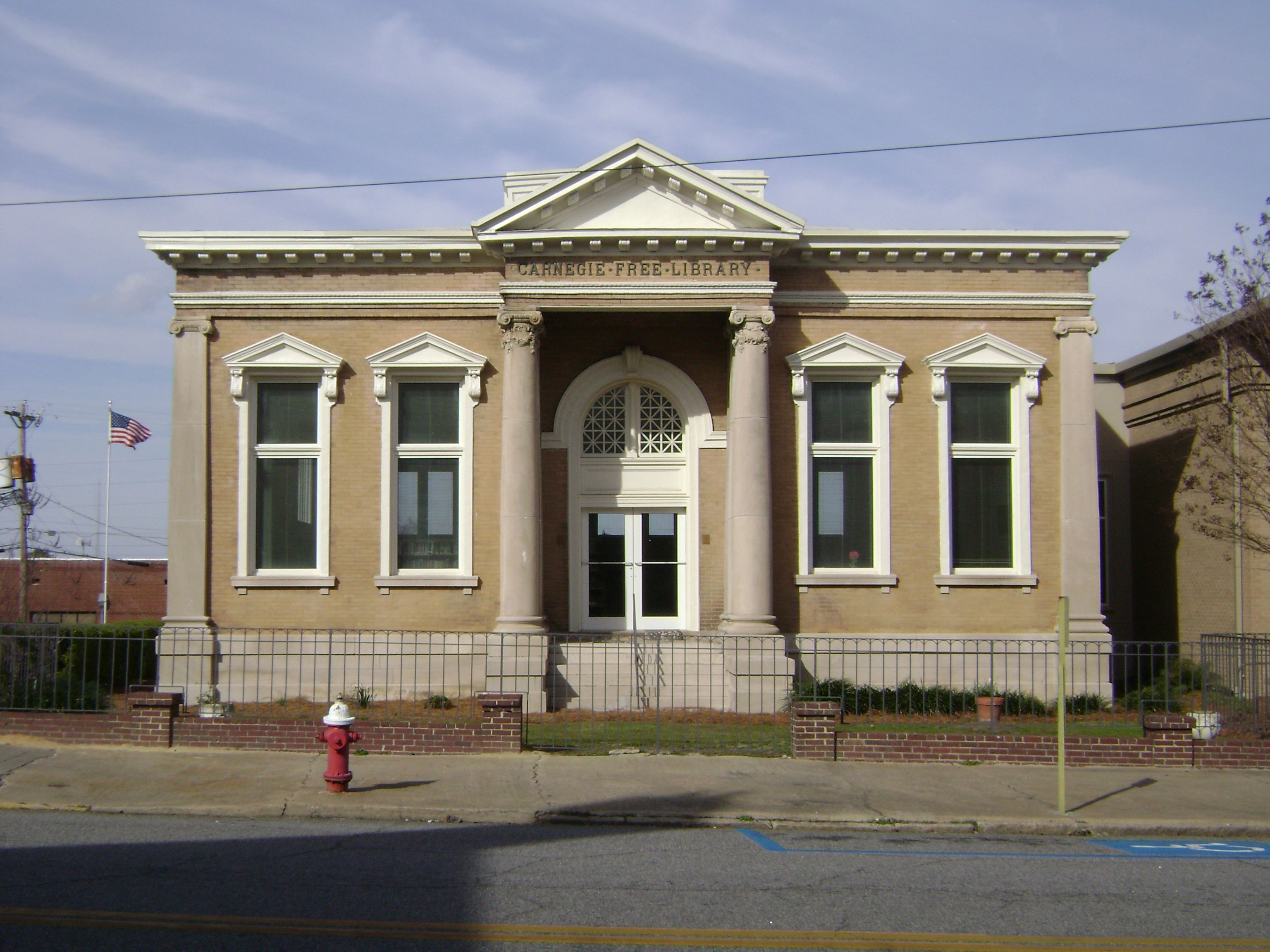
The New Georgia Encyclopedia does not hold the copyright for this media resource and can neither grant nor deny permission to republish or reproduce the image online or in print. All requests for permission to publish or reproduce the resource must be submitted to the rights holder.

  • Info Details
  • Citation Terms of Use

The New Georgia Encyclopedia does not hold the copyright for this media resource and can neither grant nor deny permission to republish or reproduce the image online or in print. All requests for permission to publish or reproduce the resource must be submitted to the rights holder.

  • Info Details
  • Citation Terms of Use

The New Georgia Encyclopedia does not hold the copyright for this media resource and can neither grant nor deny permission to republish or reproduce the image online or in print. All requests for permission to publish or reproduce the resource must be submitted to the rights holder.

Carnegie Free Library

Carnegie Free Library

  • Info Details
  • Citation Terms of Use

Beginning in 1898 Andrew Carnegie, a steel magnate and philanthropist, donated thousands of dollars to establish libraries across Georgia. The Carnegie library in Cordele, which opened in 1915, became the first library in the state to offer countywide service.

Image from Michael Rivera

The New Georgia Encyclopedia does not hold the copyright for this media resource and can neither grant nor deny permission to republish or reproduce the image online or in print. All requests for permission to publish or reproduce the resource must be submitted to the rights holder.

Old White County Courthouse

Old White County Courthouse

  • Info Details
  • Citation Terms of Use

The Old White County Courthouse in Cleveland was built in 1859 with bricks fired locally at the base of Yonah Mountain and is listed on the National Register of Historic Places. Today it houses the White County Historical Society.

Courtesy of White County Chamber of Commerce

The New Georgia Encyclopedia does not hold the copyright for this media resource and can neither grant nor deny permission to republish or reproduce the image online or in print. All requests for permission to publish or reproduce the resource must be submitted to the rights holder.

Downtown Cleveland

Downtown Cleveland

  • Info Details
  • Citation Terms of Use

Cleveland, known as the "Gateway to the Mountains," was named Mount Yonah until 1870, when the town was renamed in honor of General Benjamin Cleveland. Today both the population and business sector in Cleveland are growing steadily.

Image from Michael Rivera

The New Georgia Encyclopedia does not hold the copyright for this media resource and can neither grant nor deny permission to republish or reproduce the image online or in print. All requests for permission to publish or reproduce the resource must be submitted to the rights holder.

Babyland General Hospital

Babyland General Hospital

  • Info Details
  • Citation Terms of Use

Cabbage Patch Kids await "adoption" at Babyland General Hospital, which is located in Cleveland and offers tours to the public. Each doll is given a unique appearance, personality description, name, and birthday.

Courtesy of Babyland General Hospital, Cleveland

The New Georgia Encyclopedia does not hold the copyright for this media resource and can neither grant nor deny permission to republish or reproduce the image online or in print. All requests for permission to publish or reproduce the resource must be submitted to the rights holder.

Rock House

Rock House

  • Info Details
  • Citation Terms of Use

Believed to have belonged to the ancestors of U.S. president Jimmy Carter, the Rock House was built in Thomson in 1785, making it one of the oldest houses in Georgia. It was placed on the National Register of Historic Places in 1970.

Courtesy of Historic Preservation Division, Georgia Department of Community Affairs.

The New Georgia Encyclopedia does not hold the copyright for this media resource and can neither grant nor deny permission to republish or reproduce the image online or in print. Requests for permission to publish or reproduce the resource may need to be submitted to the Georgia Department of Community Affairs, Historic Preservation Division.

Thomson Depot

Thomson Depot

  • Info Details
  • Citation Terms of Use

The Thomson Depot, built around 1860 and located in the center of Thomson's commercial historic district, today houses the Thomson-McDuffie Chamber of Commerce and a community center.

Courtesy of Steve Storey

The New Georgia Encyclopedia does not hold the copyright for this media resource and can neither grant nor deny permission to republish or reproduce the image online or in print. All requests for permission to publish or reproduce the resource must be submitted to the rights holder.

Knox Hotel

Knox Hotel

  • Info Details
  • Citation Terms of Use

Guests gather outside the Knox Hotel in Thomson around 1910. The hotel, originally known as the Greenway Hotel, was built around 1850 by Joseph Henry Stockton to serve passengers coming through town on the railroad. It was later purchased and renamed by Charles Edward Knox in 1882.

Courtesy of Georgia Archives, Vanishing Georgia, #mcd023.
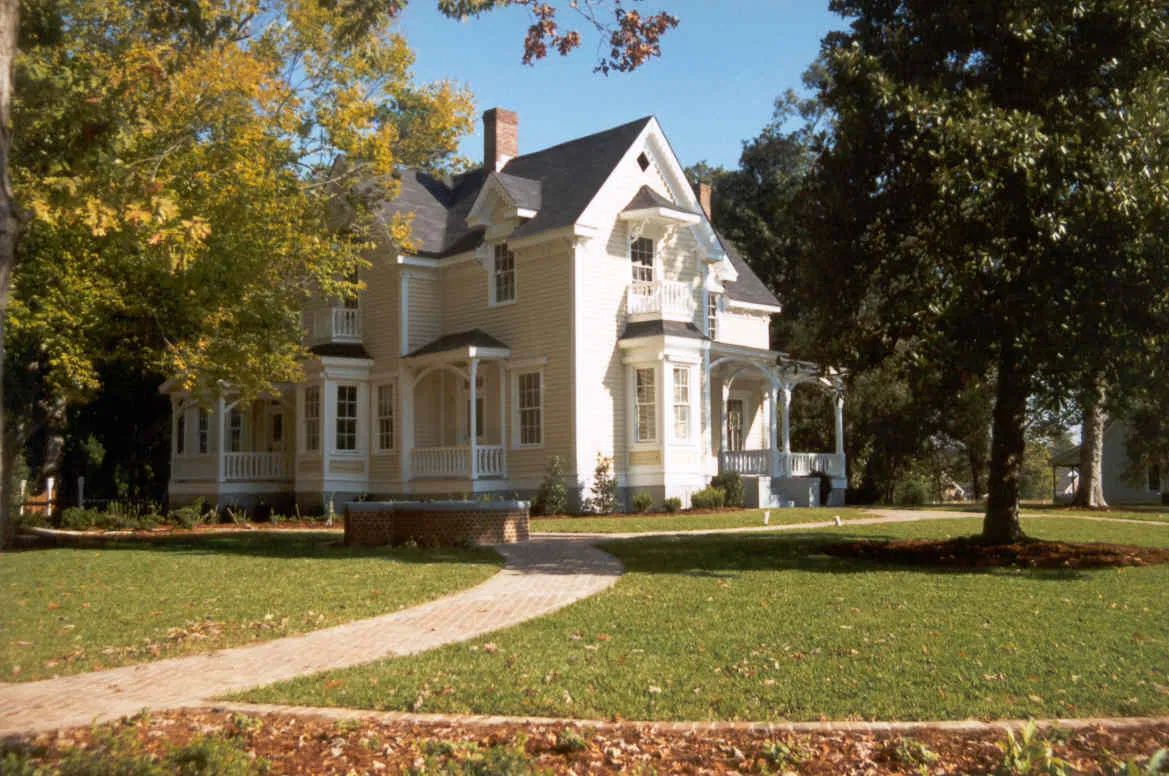
View on partner site

The New Georgia Encyclopedia does not hold the copyright for this media resource and can neither grant nor deny permission to republish or reproduce the image online or in print. Requests for permission to publish or reproduce the resource should be submitted to the Georgia Archives.

  • Info Details
  • Citation Terms of Use

The New Georgia Encyclopedia does not hold the copyright for this media resource and can neither grant nor deny permission to republish or reproduce the image online or in print. All requests for permission to publish or reproduce the resource must be submitted to the rights holder.

  • Info Details
  • Citation Terms of Use

The New Georgia Encyclopedia does not hold the copyright for this media resource and can neither grant nor deny permission to republish or reproduce the image online or in print. All requests for permission to publish or reproduce the resource must be submitted to the rights holder.

Thomas E. Watson House

Thomas E. Watson House

  • Info Details
  • Citation Terms of Use

Georgia politician Thomas E. Watson purchased a home in Thomson in 1881 and lived there until 1904. The home is now a National Historic Landmark and serves as the administrative headquarters for the Watson-Brown Foundation.

Courtesy of Watson-Brown Foundation, Inc.

The New Georgia Encyclopedia does not hold the copyright for this media resource and can neither grant nor deny permission to republish or reproduce the image online or in print. All requests for permission to publish or reproduce the resource must be submitted to the rights holder.

Downtown Fort Gaines

Downtown Fort Gaines

  • Info Details
  • Citation Terms of Use

Cars line a main thoroughfare in downtown Fort Gaines in the late 1940s. Growth in Fort Gaines was slow from the end of the Civil War until 1955, when construction began on the Walter F. George Lock and Dam.

Courtesy of Linda Morgan
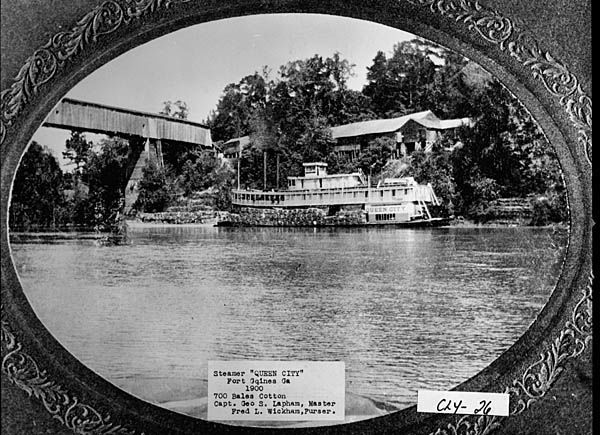
The New Georgia Encyclopedia does not hold the copyright for this media resource and can neither grant nor deny permission to republish or reproduce the image online or in print. All requests for permission to publish or reproduce the resource must be submitted to the rights holder.

  • Info Details
  • Citation Terms of Use

The New Georgia Encyclopedia does not hold the copyright for this media resource and can neither grant nor deny permission to republish or reproduce the image online or in print. All requests for permission to publish or reproduce the resource must be submitted to the rights holder.

Queen City

Queen City

  • Info Details
  • Citation Terms of Use

The steamship Queen City, constructed and later dismantled in Columbus, docks in 1900 with a load of cotton bales at the Sutlive Warehouse in Fort Gaines. Known as the "Queen City of the Chattahoochee," Fort Gaines was an important stop for the riverboat trade along the Chattahoochee River.

Courtesy of Georgia Archives, Vanishing Georgia, #
cly026.

View on partner site

The New Georgia Encyclopedia does not hold the copyright for this media resource and can neither grant nor deny permission to republish or reproduce the image online or in print. Requests for permission to publish or reproduce the resource should be submitted to the Georgia Archives.

  • Info Details
  • Citation Terms of Use

The New Georgia Encyclopedia does not hold the copyright for this media resource and can neither grant nor deny permission to republish or reproduce the image online or in print. All requests for permission to publish or reproduce the resource must be submitted to the rights holder.

Fort Gaines, 1918

Fort Gaines, 1918

  • Info Details
  • Citation Terms of Use

The business district of Fort Gaines, the seat of Clay County, is pictured in 1918.

Courtesy of Georgia Archives, Vanishing Georgia, #
cly014.

View on partner site

The New Georgia Encyclopedia does not hold the copyright for this media resource and can neither grant nor deny permission to republish or reproduce the image online or in print. Requests for permission to publish or reproduce the resource should be submitted to the Georgia Archives.

Spring in Ellaville

Spring in Ellaville

  • Info Details
  • Citation Terms of Use

Residents of Ellaville gather downtown for a springtime celebration. The Schley County Courthouse is visible in the background.

Courtesy of The Tri-County Journal

The New Georgia Encyclopedia does not hold the copyright for this media resource and can neither grant nor deny permission to republish or reproduce the image online or in print. All requests for permission to publish or reproduce the resource must be submitted to the rights holder.

  • Info Details
  • Citation Terms of Use

The New Georgia Encyclopedia does not hold the copyright for this media resource and can neither grant nor deny permission to republish or reproduce the image online or in print. All requests for permission to publish or reproduce the resource must be submitted to the rights holder.

Schley County Courthouse

Schley County Courthouse

  • Info Details
  • Citation Terms of Use

The Schley County Courthouse was built in 1899 in the Romanesque revival style. Nearly a century later, the structure, located in Ellaville, underwent modern renovation.

Courtesy of Don Bowman
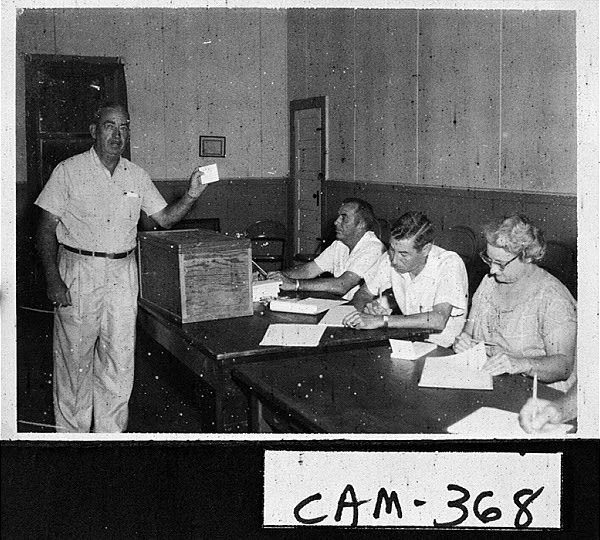
The New Georgia Encyclopedia does not hold the copyright for this media resource and can neither grant nor deny permission to republish or reproduce the image online or in print. All requests for permission to publish or reproduce the resource must be submitted to the rights holder.

County Unit System

County Unit System

  • Info Details
  • Citation Terms of Use

Election day in Kingsland, Camden County, in the early 1960s, before the advent of voting booths. Georgia's elections were governed by the county unit system, which gave more weight to rural votes than to urban votes, until 1962. Even though they were home to a minority of Georgians, rural counties usually decided the winners of statewide elections.

Courtesy of Georgia Archives, Vanishing Georgia, #
cam368.
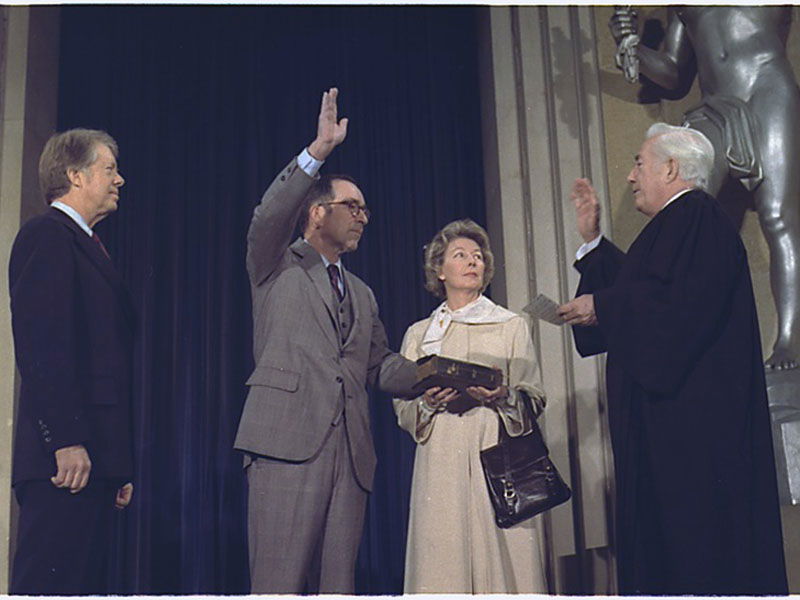
View on partner site

The New Georgia Encyclopedia does not hold the copyright for this media resource and can neither grant nor deny permission to republish or reproduce the image online or in print. Requests for permission to publish or reproduce the resource should be submitted to the Georgia Archives.

Griffin Bell

Griffin Bell

  • Info Details
  • Citation Terms of Use

Griffin Bell, left, with hand raised, is sworn in as U.S. attorney general under President Jimmy Carter (far left) in January 1977. In 1962 Bell headed a judicial panel that ruled Georgia's county unit system of voting to be in violation of the "one man, one vote" principle. His decision forced the change of a system that had been in place since 1917 and had given disproportionate voting power to rural counties.

Photograph from the National Archives and Records Administration
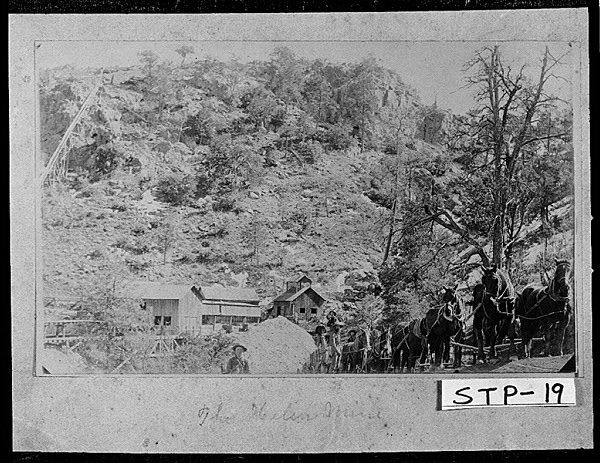
The New Georgia Encyclopedia does not hold the copyright for this media resource and can neither grant nor deny permission to republish or reproduce the image online or in print. All requests for permission to publish or reproduce the resource must be submitted to the rights holder.

  • Info Details
  • Citation Terms of Use

The New Georgia Encyclopedia does not hold the copyright for this media resource and can neither grant nor deny permission to republish or reproduce the image online or in print. All requests for permission to publish or reproduce the resource must be submitted to the rights holder.

Helen Mine

Helen Mine

  • Info Details
  • Citation Terms of Use

The Helen Mine was one of nine gold mines operating in White County after the discovery of gold in 1828 around Duke's Creek (later the Nacoochee River). This photograph was taken around 1900.

Courtesy of Georgia Archives, Vanishing Georgia, #
stp019.

View on partner site

The New Georgia Encyclopedia does not hold the copyright for this media resource and can neither grant nor deny permission to republish or reproduce the image online or in print. Requests for permission to publish or reproduce the resource should be submitted to the Georgia Archives.

White County Courthouse

White County Courthouse

  • Info Details
  • Citation Terms of Use

The modern-style White County courthouse was built in Cleveland in 1964. It is the county's second courthouse.

Image from Jimmy Emerson, DVM

View on source site

The New Georgia Encyclopedia does not hold the copyright for this media resource and can neither grant nor deny permission to republish or reproduce the image online or in print. All requests for permission to publish or reproduce the resource must be submitted to the rights holder.

Helen

Helen

  • Info Details
  • Citation Terms of Use

Helen, founded in 1911, was a thriving lumber-mill and mining town until the Gainesville and Northwestern Railroad shut down in the early 1930s. In 1969 the town was revitalized by local business owners, who created a tourist destination by converting Helen into a Bavarian-style village.

Photograph by Stormtrooper WB

View on source site

The New Georgia Encyclopedia does not hold the copyright for this media resource and can neither grant nor deny permission to republish or reproduce the image online or in print. All requests for permission to publish or reproduce the resource must be submitted to the rights holder.

Mount Yonah

Mount Yonah

  • Info Details
  • Citation Terms of Use

Mount Yonah, known as one of the best areas for rock climbing in Georgia, is located between Cleveland and Helen in the Chattahoochee National Forest.

Courtesy of Explore Georgia, Photograph by Geoff L. Johnson.

The New Georgia Encyclopedia does not hold the copyright for this media resource and can neither grant nor deny permission to republish or reproduce the image online or in print. Requests for permission to publish or reproduce the resource may need to be submitted to Explore Georgia.

White County Family

White County Family

  • Info Details
  • Citation Terms of Use

A family gathers for a photograph, taken around 1906, in front of their home in White County. The house on the left was used for a kitchen and was connected to the main house by a breezeway.

Courtesy of Georgia Archives, Vanishing Georgia, # wht003.

View on partner site

The New Georgia Encyclopedia does not hold the copyright for this media resource and can neither grant nor deny permission to republish or reproduce the image online or in print. Requests for permission to publish or reproduce the resource should be submitted to the Georgia Archives.

Young Boys on Car

Young Boys on Car

  • Info Details
  • Citation Terms of Use

Young boys pose atop a car in White County, in 1917.

Courtesy of Georgia Archives, Vanishing Georgia, #wht004.

View on partner site

The New Georgia Encyclopedia does not hold the copyright for this media resource and can neither grant nor deny permission to republish or reproduce the image online or in print. Requests for permission to publish or reproduce the resource should be submitted to the Georgia Archives.

Mount Yonah

Mount Yonah

  • Info Details
  • Citation Terms of Use

Mount Yonah, located in White County between Cleveland and Helen, is best known for its granite outcrops, formed by granite magma intruding the overlying stacks of metamorphic rocks about 375 million years ago. The outcrops are one of the favorite spots for rock climbers in the state.

Image from Andrew Partain

View on source site

The New Georgia Encyclopedia does not hold the copyright for this media resource and can neither grant nor deny permission to republish or reproduce the image online or in print. All requests for permission to publish or reproduce the resource must be submitted to the rights holder.

Caboose in Millen

Caboose in Millen

  • Info Details
  • Citation Terms of Use

This rail caboose sits on display in Millen and serves as a reminder of the railroad's importance to the development of this community. First called 79 and then Millen's Junction, the town of Millen served as the connection between the railways going to Savannah and Augusta.

Courtesy of Theron Cates, Millen

The New Georgia Encyclopedia does not hold the copyright for this media resource and can neither grant nor deny permission to republish or reproduce the image online or in print. All requests for permission to publish or reproduce the resource must be submitted to the rights holder.

Millen Depot

Millen Depot

  • Info Details
  • Citation Terms of Use

The train depot in Millen, in Jenkins County, was destroyed by Union forces during the Civil War and later rebuilt. Today the depot houses the "Olde Freight Depot Museum."

Courtesy of Theron Cates, Millen
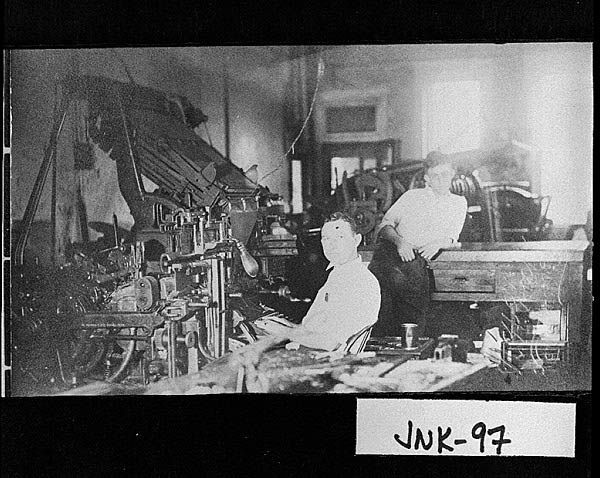
The New Georgia Encyclopedia does not hold the copyright for this media resource and can neither grant nor deny permission to republish or reproduce the image online or in print. All requests for permission to publish or reproduce the resource must be submitted to the rights holder.

Millen News Plant

Millen News Plant

  • Info Details
  • Citation Terms of Use

Workers use an old Linotype machine, pictured at left, around 1932. The Millen News plant was located in the Lane Building on Winthrope Avenue.

Courtesy of Georgia Archives, Vanishing Georgia, #
jnk097.

View on partner site

The New Georgia Encyclopedia does not hold the copyright for this media resource and can neither grant nor deny permission to republish or reproduce the image online or in print. Requests for permission to publish or reproduce the resource should be submitted to the Georgia Archives.

Downtown Millen

Downtown Millen

  • Info Details
  • Citation Terms of Use

Businesses along the main thoroughfare in downtown Millen face the very railroad tracks that spurred the town's growth. Today the agriculture and lumber industries drive Millen's economy.

Courtesy of Theron Cates, Millen

The New Georgia Encyclopedia does not hold the copyright for this media resource and can neither grant nor deny permission to republish or reproduce the image online or in print. All requests for permission to publish or reproduce the resource must be submitted to the rights holder.

Magnolia Springs State Park

Magnolia Springs State Park

  • Info Details
  • Citation Terms of Use

Magnolia Springs State Park near Millen provides a number of outdoor recreational activities for Jenkins County residents and visitors. The park also houses a freshwater aquarium.

Courtesy of Explore Georgia, Photograph by Ralph Daniel.

The New Georgia Encyclopedia does not hold the copyright for this media resource and can neither grant nor deny permission to republish or reproduce the image online or in print. Requests for permission to publish or reproduce the resource may need to be submitted to Explore Georgia.

Charles Thomas School

Charles Thomas School

  • Info Details
  • Citation Terms of Use

Charles Thomas School, the first school in Warner Robins, opened in 1945. The school closed in 1994 and in 2001 was donated by the city to Macon State College for its campus at Warner Robins.

Courtesy of William P. Head

The New Georgia Encyclopedia does not hold the copyright for this media resource and can neither grant nor deny permission to republish or reproduce the image online or in print. All requests for permission to publish or reproduce the resource must be submitted to the rights holder.

Warner Robins

Warner Robins

  • Info Details
  • Citation Terms of Use

Development during World War II transformed Warner Robins, in Houston County, from a small farming town into an industrialized military community. By the time this aerial photograph was taken in 1955, the population of Warner Robins had grown to nearly 20,000.

Image from David Rumsey Map Center, Stanford Libraries, David Rumsey Map Collection.

The New Georgia Encyclopedia does not hold the copyright for this media resource and can neither grant nor deny permission to republish or reproduce the image online or in print. All requests for permission to publish or reproduce the resource must be submitted to the rights holder.

Flight Line at Robins Air Force Base

Flight Line at Robins Air Force Base

  • Info Details
  • Citation Terms of Use

This open field in 1941 provided the site for the flight line at Robins Air Force Base. The official groundbreaking occurred in September 1941.

Courtesy of William P. Head
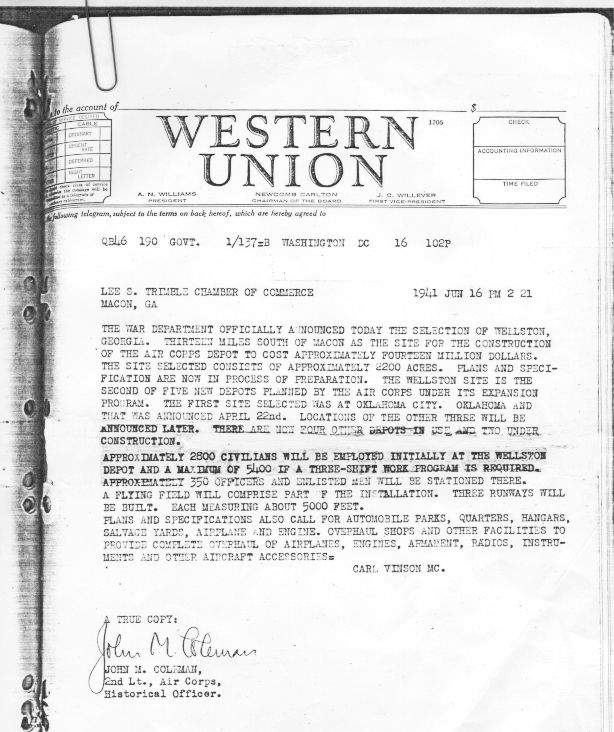
The New Georgia Encyclopedia does not hold the copyright for this media resource and can neither grant nor deny permission to republish or reproduce the image online or in print. All requests for permission to publish or reproduce the resource must be submitted to the rights holder.

War Department Telegram

War Department Telegram

  • Info Details
  • Citation Terms of Use

This telegram to the Macon Chamber of Commerce, dated June 16, 1941, announces that the U.S. War Department has chosen Wellston (later Warner Robins), Georgia, as the site for a new air corps depot.

Courtesy of William P. Head

The New Georgia Encyclopedia does not hold the copyright for this media resource and can neither grant nor deny permission to republish or reproduce the image online or in print. All requests for permission to publish or reproduce the resource must be submitted to the rights holder.

Warner Robins Depot

Warner Robins Depot

  • Info Details
  • Citation Terms of Use

The Warner Robins railroad depot was created during World War II and became a critical site for the war effort. The town of Warner Robins grew up around the depot.

Image from Jud McCranie, Wikimedia Commons

View on source site

The New Georgia Encyclopedia does not hold the copyright for this media resource and can neither grant nor deny permission to republish or reproduce the image online or in print. All requests for permission to publish or reproduce the resource must be submitted to the rights holder.

Downtown Warner Robins

Downtown Warner Robins

  • Info Details
  • Citation Terms of Use

This photograph of downtown Warner Robins was taken in 1947 or 1948. Following World War II, the workforce of Robins Field dropped from 23,670 to 3,900. The workforce increased during the cold war, and the city's population by 2010 was more than 66,000.

Courtesy of Georgia Archives, Vanishing Georgia, #
hou081.
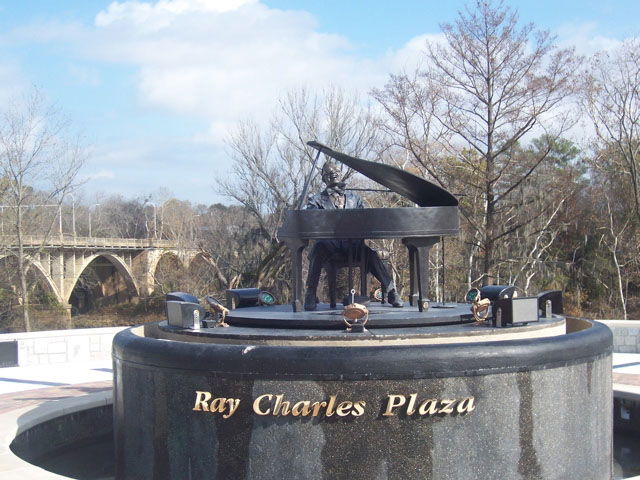
View on partner site

The New Georgia Encyclopedia does not hold the copyright for this media resource and can neither grant nor deny permission to republish or reproduce the image online or in print. Requests for permission to publish or reproduce the resource should be submitted to the Georgia Archives.

Ray Charles Plaza

Ray Charles Plaza

  • Info Details
  • Citation Terms of Use

The Ray Charles Plaza, unveiled in December 2007, stands on the bank of the Flint River in downtown Albany. The lighted bronze statue, created by scupltor Andy Davis, commemorates the legacy of musician Ray Charles, who was born in Albany in 1930.

Photograph by Meg Inscoe
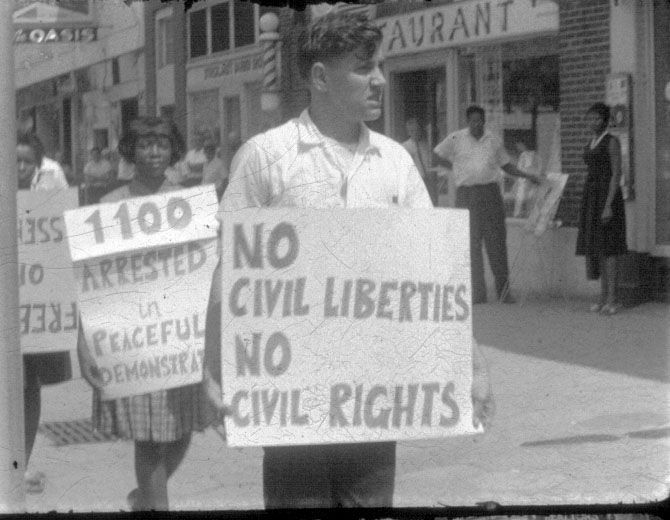
The New Georgia Encyclopedia does not hold the copyright for this media resource and can neither grant nor deny permission to republish or reproduce the image online or in print. All requests for permission to publish or reproduce the resource must be submitted to the rights holder.

Albany Movement

Albany Movement

  • Info Details
  • Citation Terms of Use

Protestors march in Albany during the Albany Movement, an effort to desegregate the city that lasted from fall 1961 to summer 1962.

Courtesy of Walter J. Brown Media Archives and Peabody Awards Collection, University of Georgia Libraries.

The New Georgia Encyclopedia does not hold the copyright for this media resource and can neither grant nor deny permission to republish or reproduce the image online or in print. All requests for permission to publish or reproduce the resource must be submitted to the Walter J. Brown Media Archives and Peabody Awards Collection.

Flint River Bridge

Flint River Bridge

  • Info Details
  • Citation Terms of Use

In 1858 Nelson Tift commissioned Horace King to build this bridge in Albany across the Flint River. In 1887 Tift sold the bridge to Dougherty County. Shown here in 1892, the bridge was destroyed in 1897 when the Flint overflowed its banks during a flood.

Courtesy of Georgia Archives, Vanishing Georgia, # dgh243-86.

View on partner site

The New Georgia Encyclopedia does not hold the copyright for this media resource and can neither grant nor deny permission to republish or reproduce the image online or in print. Requests for permission to publish or reproduce the resource should be submitted to the Georgia Archives.

Nelson Tift

Nelson Tift

  • Info Details
  • Citation Terms of Use

In 1836 northern merchant and entrepreneur Nelson Tift founded Albany, Georgia, a place later referred to as the heart of the state's Cotton Kingdom.

Courtesy of Hargrett Rare Book and Manuscript Library, University of Georgia Libraries.

The New Georgia Encyclopedia does not hold the copyright for this media resource and can neither grant nor deny permission to republish or reproduce the image online or in print. Requests for permission to publish or reproduce the resource should be submitted to the Hargrett Manuscript and Rare Book Library at the University of Georgia.

Barnwell Pecan Orchards

Barnwell Pecan Orchards

  • Info Details
  • Citation Terms of Use

Workers harvest pecans in 1918 at the Barnwell Pecan Orchards along the Flint River near Albany. In the late nineeteenth century, farmers in Albany began to replace cotton with pecans as their primary commercial crop.

Courtesy of Georgia Archives, Vanishing Georgia, # dgh161.
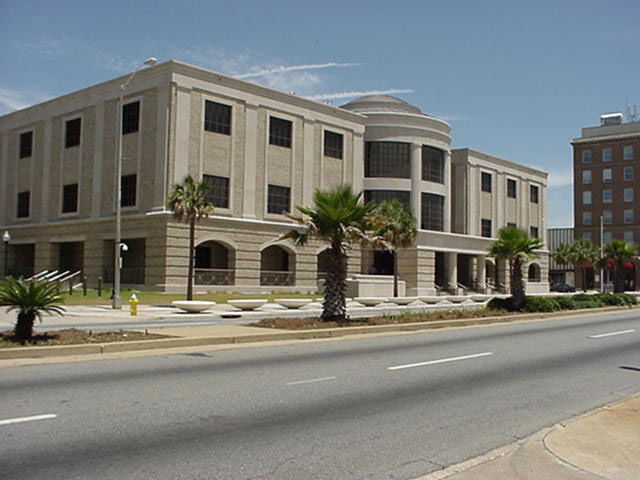
View on partner site

The New Georgia Encyclopedia does not hold the copyright for this media resource and can neither grant nor deny permission to republish or reproduce the image online or in print. Requests for permission to publish or reproduce the resource should be submitted to the Georgia Archives.

C. B. King U.S. Courthouse

C. B. King U.S. Courthouse

  • Info Details
  • Citation Terms of Use

The federal courthouse in Albany, named for civil rights attorney C. B. King, was designed by architect J. W. Robinson in 1992 and completed in 2002. It may be the first federal courthouse in the United States to be designed by an African American architect.

Courtesy of Jeffrey L. Robinson

The New Georgia Encyclopedia does not hold the copyright for this media resource and can neither grant nor deny permission to republish or reproduce the image online or in print. All requests for permission to publish or reproduce the resource must be submitted to the rights holder.

McCranie’s Turpentine Still

McCranie’s Turpentine Still

  • Info Details
  • Citation Terms of Use

This painting depicts McCranie's Turpentine Still, which operated from 1925 to 1949 in Willacoochee. The still is listed on the National Register of Historic Places.

Painting by Ken Brauner, Eugene, Oregon

The New Georgia Encyclopedia does not hold the copyright for this media resource and can neither grant nor deny permission to republish or reproduce the image online or in print. All requests for permission to publish or reproduce the resource must be submitted to the rights holder.

Atkinson County Courthouse

Atkinson County Courthouse

  • Info Details
  • Citation Terms of Use

Completed in 1920, the courthouse in Atkinson County is located in Pearson, the county seat. Built in a neoclassical revival style, the courthouse was renovated during the early 1980s.

Photograph by J Stephen Conn
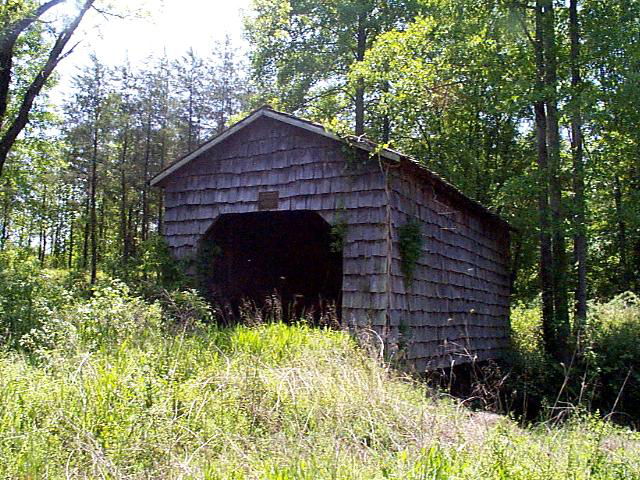
The New Georgia Encyclopedia does not hold the copyright for this media resource and can neither grant nor deny permission to republish or reproduce the image online or in print. All requests for permission to publish or reproduce the resource must be submitted to the rights holder.

Covered Bridge in Banks County

Covered Bridge in Banks County

  • Info Details
  • Citation Terms of Use

Located on private property south of Lula in Banks County, this covered bridge is the smallest in Georgia and one of the smallest in the United States. Originally built in 1915, the bridge was in service until 1969 and renovated in 1975.

Courtesy of Georgia Department of Transportation

The New Georgia Encyclopedia does not hold the copyright for this media resource and can neither grant nor deny permission to republish or reproduce the image online or in print. All requests for permission to publish or reproduce the resource must be submitted to the rights holder.

Banks County Courthouse

Banks County Courthouse

  • Info Details
  • Citation Terms of Use

The Banks County courthouse in Homer was built in 1987 to replace the county's original courthouse, which was constructed during the Civil War. The new courthouse stands on the block directly behind the site of the original courthouse.

Photograph by Jimmy Emerson, DVM

The New Georgia Encyclopedia does not hold the copyright for this media resource and can neither grant nor deny permission to republish or reproduce the image online or in print. All requests for permission to publish or reproduce the resource must be submitted to the rights holder.

Gristmill in Banks County

Gristmill in Banks County

  • Info Details
  • Citation Terms of Use

This gristmill, located along the Grove River in Banks County, was built in 1910 and operated until the 1950s. Today the primary industries in the county are the poultry and textile industries.

Courtesy of Georgia Archives, Vanishing Georgia, #
ban010.

View on partner site

The New Georgia Encyclopedia does not hold the copyright for this media resource and can neither grant nor deny permission to republish or reproduce the image online or in print. Requests for permission to publish or reproduce the resource should be submitted to the Georgia Archives.

Tuberculosis Sanatorium

Tuberculosis Sanatorium

  • Info Details
  • Citation Terms of Use

In 1911 the state of Georgia opened a public sanatorium in Banks County for the treatment of tuberculosis. The sanatorium was the state's most ambitious health project up to that time, and marked a new interest in public health, a product of the Progressive era.

From History of Public Health in Georgia, 1733-1950, by T. F. Abercrombie

The New Georgia Encyclopedia does not hold the copyright for this media resource and can neither grant nor deny permission to republish or reproduce the image online or in print. All requests for permission to publish or reproduce the resource must be submitted to the rights holder.

Ty Cobb Statue

Ty Cobb Statue

  • Info Details
  • Citation Terms of Use

A bronze statue of Ty Cobb, created by Felix de Weldon in 1977, stands at the north entrance of Turner Field in Atlanta and depicts the baseball legend sliding into a base. Nicknamed the "Georgia Peach," Cobb, a native of Banks County, played for the Detroit Tigers from 1905 until 1926.

Image from David

View on source site

The New Georgia Encyclopedia does not hold the copyright for this media resource and can neither grant nor deny permission to republish or reproduce the image online or in print. All requests for permission to publish or reproduce the resource must be submitted to the rights holder.

Sports Roadster

Sports Roadster

  • Info Details
  • Citation Terms of Use

A crowd on North Patterson Street in Valdosta gathers around a sports roadster in about 1920. Tourists began visiting Valdosta during the 1920s with the opening of the Dixie Highway (now U.S. Highway 41), which runs from Chicago, Illinois, to Miami, Florida.

Courtesy Lowndes County Historical Society

The New Georgia Encyclopedia does not hold the copyright for this media resource and can neither grant nor deny permission to republish or reproduce the image online or in print. All requests for permission to publish or reproduce the resource must be submitted to the rights holder.

Downtown Valdosta

Downtown Valdosta

  • Info Details
  • Citation Terms of Use

Valdosta, incorporated in 1860, is Georgia's eleventh largest city. The city has completed a number of reconstruction projects in the downtown area, and four Valdosta districts are listed on the National Register of Historic Places.

Image from Valdosta-Lowndes MPO

View on source site

The New Georgia Encyclopedia does not hold the copyright for this media resource and can neither grant nor deny permission to republish or reproduce the image online or in print. All requests for permission to publish or reproduce the resource must be submitted to the rights holder.

Valdosta Cotton Exchange

Valdosta Cotton Exchange

  • Info Details
  • Citation Terms of Use

Cotton farmers in 1900 bring their harvest to the Cotton Exchange on Hill Avenue in Valdosta. Valdosta served as a major inland market for the long-staple cotton that was grown, beginning in the 1880s, throughout Lowndes County.

Courtesy Lowndes County Historical Society

The New Georgia Encyclopedia does not hold the copyright for this media resource and can neither grant nor deny permission to republish or reproduce the image online or in print. All requests for permission to publish or reproduce the resource must be submitted to the rights holder.

Valdosta Trolley Tracks

Valdosta Trolley Tracks

  • Info Details
  • Citation Terms of Use

Trolley tracks run through an affluent Valdosta neighborhood along North Patterson Street in 1905. During the early years of the twentieth century the city adopted a number of modern conveniences, including electric street lights and telephone service.

Courtesy Lowndes County Historical Society

The New Georgia Encyclopedia does not hold the copyright for this media resource and can neither grant nor deny permission to republish or reproduce the image online or in print. All requests for permission to publish or reproduce the resource must be submitted to the rights holder.

Valdosta City Hall

Valdosta City Hall

  • Info Details
  • Citation Terms of Use

The city hall in Valdosta is housed in a former federal building, which was constructed during the early twentieth century. Other buildings constructed around that same time include a Carnegie library, an opera house, and the current county courthouse.

Photograph by Wikimedia

The New Georgia Encyclopedia does not hold the copyright for this media resource and can neither grant nor deny permission to republish or reproduce the image online or in print. All requests for permission to publish or reproduce the resource must be submitted to the rights holder.

The Crescent

The Crescent

  • Info Details
  • Citation Terms of Use

The Crescent in Valdosta is the restored Neoclassical home of Senator William S. West and serves today as the headquarters for the city's garden club. Constructed between 1897 and 1899, the house was listed on the National Register of Historic Places in 1980.

Image from Judson McCranie
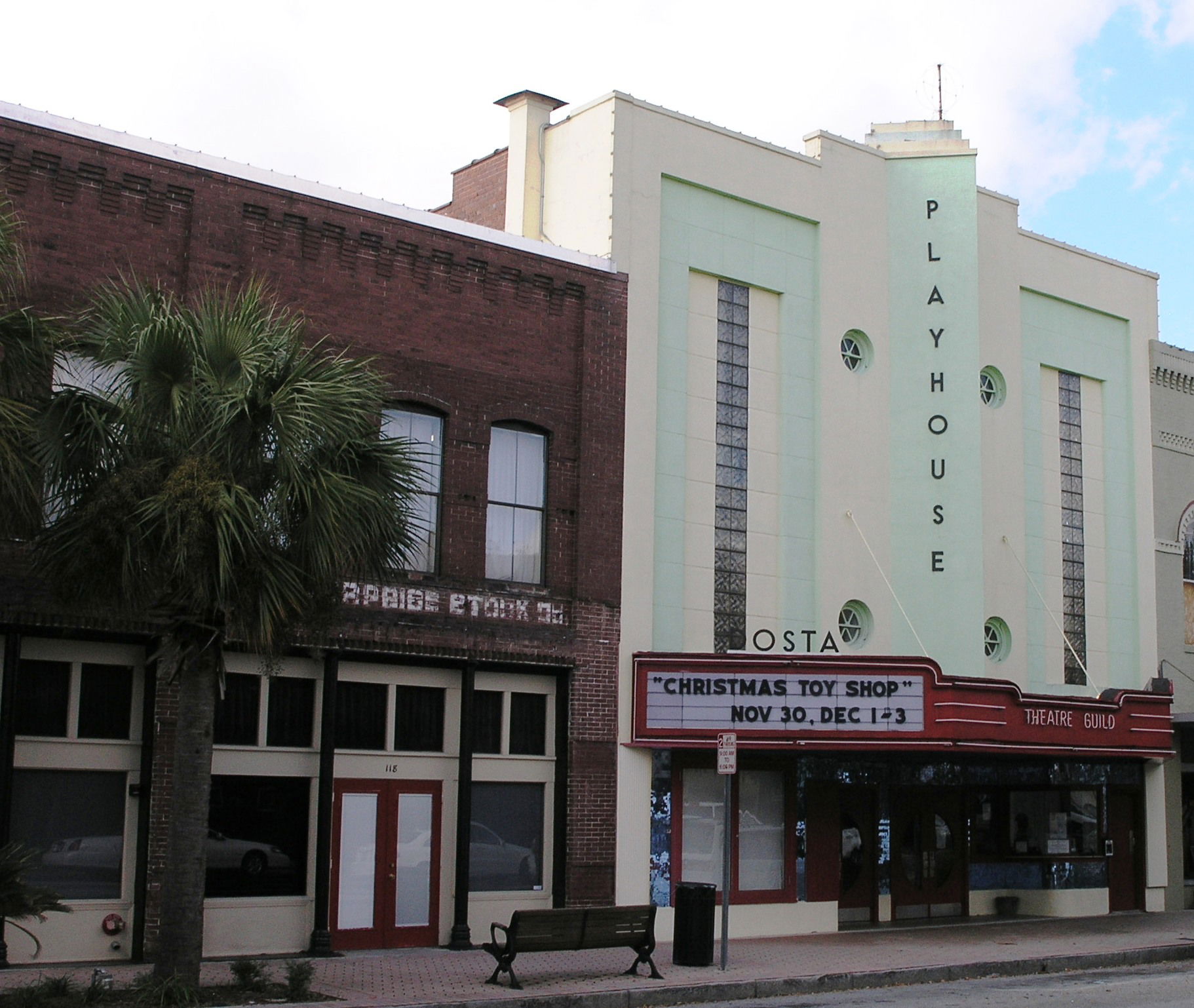
The New Georgia Encyclopedia does not hold the copyright for this media resource and can neither grant nor deny permission to republish or reproduce the image online or in print. All requests for permission to publish or reproduce the resource must be submitted to the rights holder.

Dosta Playhouse

Dosta Playhouse

  • Info Details
  • Citation Terms of Use

The 'Dosta Playhouse, located on North Ashley Street in downtown Valdosta, is home to the Theatre Guild Valdosta, one of the many cultural offerings in the city.

Image from Daniel Mayer
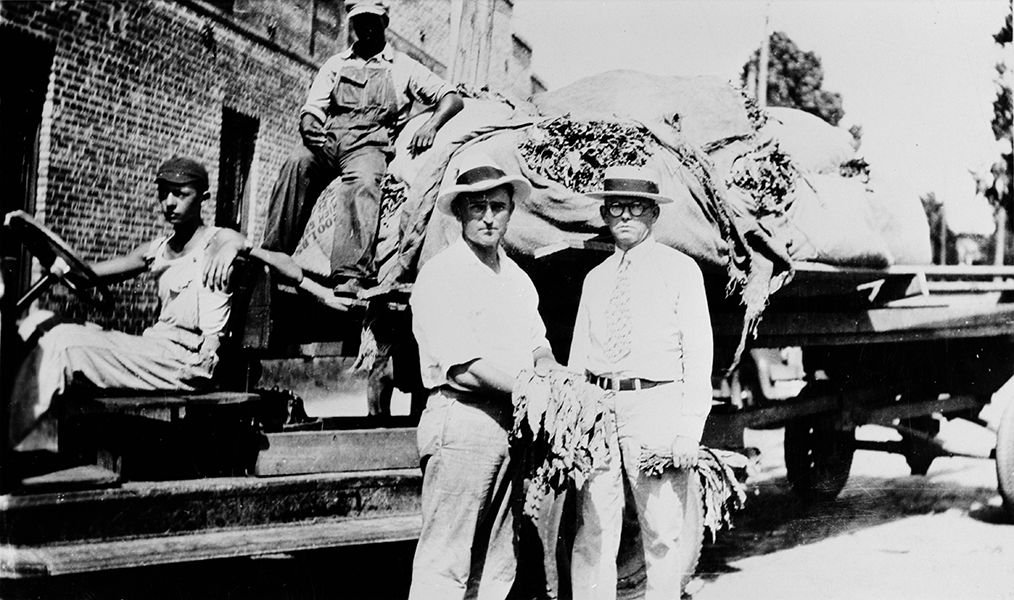
The New Georgia Encyclopedia does not hold the copyright for this media resource and can neither grant nor deny permission to republish or reproduce the image online or in print. All requests for permission to publish or reproduce the resource must be submitted to the rights holder.

Tobacco Load

Tobacco Load

  • Info Details
  • Citation Terms of Use

Agriculture has been the leading economic activity in Moultrie since the turn of the twentieth century. Two men, Norman Thomas (left) and J. E. Ladson, stand in front of a load of tobacco that has been brought to a warehouse in Moultrie during the 1940s.

Courtesy of Georgia Archives, Vanishing Georgia, # clq245.
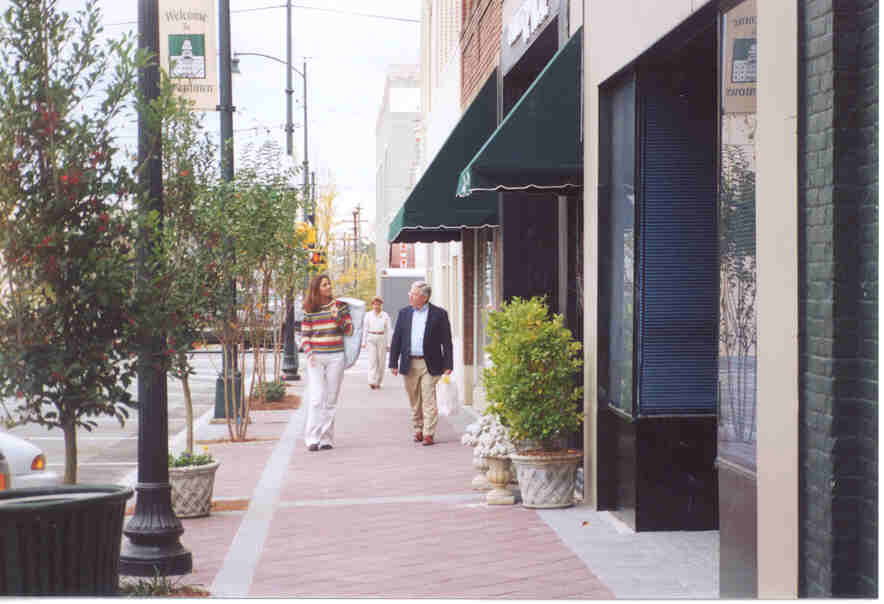
View on partner site

The New Georgia Encyclopedia does not hold the copyright for this media resource and can neither grant nor deny permission to republish or reproduce the image online or in print. Requests for permission to publish or reproduce the resource should be submitted to the Georgia Archives.

Downtown Moultrie

Downtown Moultrie

  • Info Details
  • Citation Terms of Use

Moultrie's thriving downtown features a square, the Colquitt County Courthouse, and the Moultrie Commercial Historic District, which is listed along with eight other structures on the National Register of Historic Places.

Courtesy of City of Moultrie
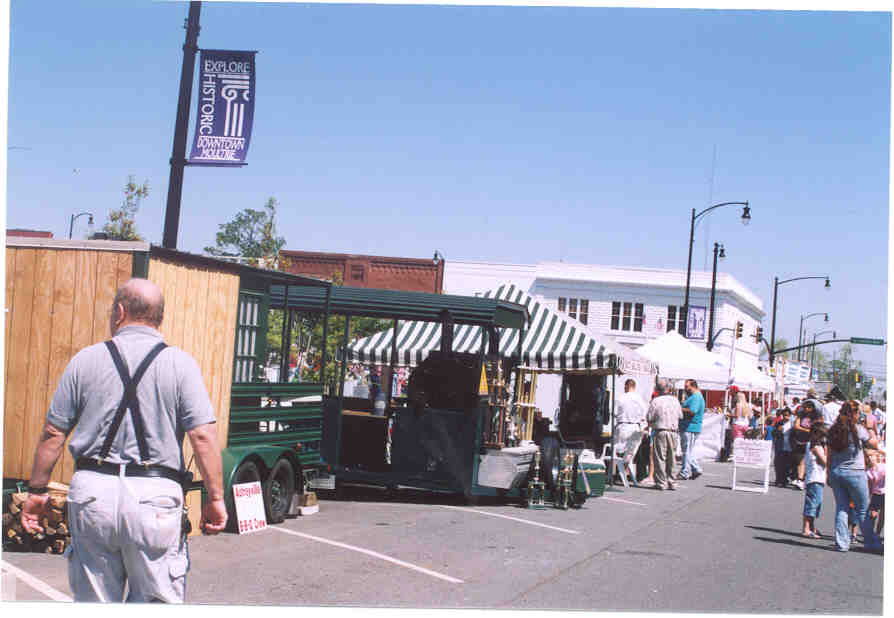
The New Georgia Encyclopedia does not hold the copyright for this media resource and can neither grant nor deny permission to republish or reproduce the image online or in print. All requests for permission to publish or reproduce the resource must be submitted to the rights holder.

  • Info Details
  • Citation Terms of Use

The New Georgia Encyclopedia does not hold the copyright for this media resource and can neither grant nor deny permission to republish or reproduce the image online or in print. All requests for permission to publish or reproduce the resource must be submitted to the rights holder.

Spring Fling and Backyard BBQ

Spring Fling and Backyard BBQ

  • Info Details
  • Citation Terms of Use

The Spring Fling and Backyard BBQ takes places each April in Moultrie and features concerts and various contests, including a barbecue competition.

Courtesy of City of Moultrie

The New Georgia Encyclopedia does not hold the copyright for this media resource and can neither grant nor deny permission to republish or reproduce the image online or in print. All requests for permission to publish or reproduce the resource must be submitted to the rights holder.

Paradise Public Fishing Area

Paradise Public Fishing Area

  • Info Details
  • Citation Terms of Use

Fishing piers and picnic areas provide recreational opportunities along Lake Patrick, one of the many lakes to be found at the Paradise Public Fishing Area in Berrien County.

Photograph by Noel Jackson. Courtesy of Paradise Public Fishing Area

The New Georgia Encyclopedia does not hold the copyright for this media resource and can neither grant nor deny permission to republish or reproduce the image online or in print. All requests for permission to publish or reproduce the resource must be submitted to the rights holder.

Berrien County Courthouse

Berrien County Courthouse

  • Info Details
  • Citation Terms of Use

The Berrien County Courthouse is located in Nashville, the county seat. Built in 1898 and still in use today, the courthouse is listed on the National Register of Historic Places.

Courtesy of Don Bowman

The New Georgia Encyclopedia does not hold the copyright for this media resource and can neither grant nor deny permission to republish or reproduce the image online or in print. All requests for permission to publish or reproduce the resource must be submitted to the rights holder.

Old Berrien County Jail

Old Berrien County Jail

  • Info Details
  • Citation Terms of Use

The Old Berrien County Jail in Nashville is one of four buildings in the county that are listed on the National Register of Historic Places. Also included on the register are the courthouse and the William G. Harrison/Eulalie Taylor House in Nashville, and the Alapaha Colored School in Alapaha.

Image from Wenda Gaile Bailey

View on source site

The New Georgia Encyclopedia does not hold the copyright for this media resource and can neither grant nor deny permission to republish or reproduce the image online or in print. All requests for permission to publish or reproduce the resource must be submitted to the rights holder.

Spirit of the American Doughboy

Spirit of the American Doughboy

  • Info Details
  • Citation Terms of Use

A postcard depicts Ernest M. Viquesney's sculpture, Spirit of the American Doughboy, which stands in downtown Waycross. Viquesney produced more than 150 of these statues for towns across Georgia between 1921 and 1943.

Courtesy of Todd Womack

The New Georgia Encyclopedia does not hold the copyright for this media resource and can neither grant nor deny permission to republish or reproduce the image online or in print. All requests for permission to publish or reproduce the resource must be submitted to the rights holder.

Rome City Hall

Rome City Hall

  • Info Details
  • Citation Terms of Use

Rome's city hall building, constructed in 1915, is one of the renovated historic sites that led the National Trust for Historic Preservation to present the city with a 2003 Great American Main Street Award. Other structures that underwent renovation include two nineteenth-century courthouses and the 1911 Carnegie library building.

Photograph by George Pullen

The New Georgia Encyclopedia does not hold the copyright for this media resource and can neither grant nor deny permission to republish or reproduce the image online or in print. All requests for permission to publish or reproduce the resource must be submitted to the rights holder.

Capitoline Wolf

Capitoline Wolf

  • Info Details
  • Citation Terms of Use

The Capitoline Wolf, a replica of the famous Etruscan statue, stands before city hall in Rome. The statue portrays Romulus and Remus, the mythical founders of Rome, Italy, who, according to legend, were cast away as infants and raised by a wolf. The Italian goverment presented the replica as a gift to the city in 1929.

Photograph by George Pullen

The New Georgia Encyclopedia does not hold the copyright for this media resource and can neither grant nor deny permission to republish or reproduce the image online or in print. All requests for permission to publish or reproduce the resource must be submitted to the rights holder.

Rome

Rome

  • Info Details
  • Citation Terms of Use

Rome, the seat of Floyd County, is situated along the Coosa River at the confluence of the Etowah and Oostanaula rivers. Founded in 1834, Rome was rated the Southeast's most liveable small city in 1997.

Courtesy of Explore Georgia.
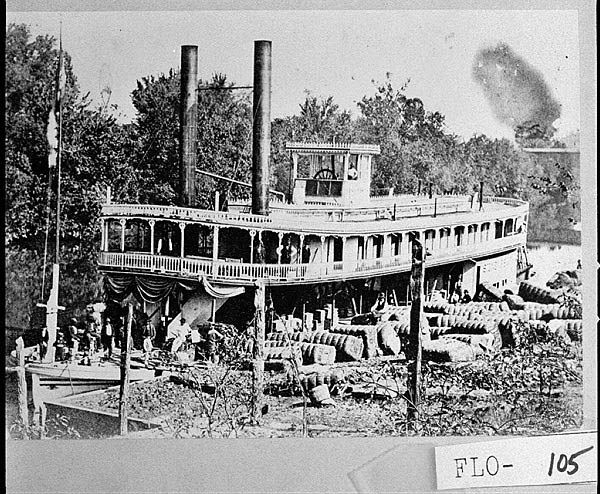
The New Georgia Encyclopedia does not hold the copyright for this media resource and can neither grant nor deny permission to republish or reproduce the image online or in print. Requests for permission to publish or reproduce the resource may need to be submitted to Explore Georgia.

Sidney Smith

Sidney Smith

  • Info Details
  • Citation Terms of Use

Steamboat trade was an integral part of Rome's economy during the eighteenth century. This steamboat, the Sidney Smith, was docked at Rome's Cotton Block between 1870 and 1880 with a load of cotton bales.

Courtesy of Georgia Archives, Vanishing Georgia, #
flo105.

View on partner site

The New Georgia Encyclopedia does not hold the copyright for this media resource and can neither grant nor deny permission to republish or reproduce the image online or in print. Requests for permission to publish or reproduce the resource should be submitted to the Georgia Archives.

Lock at Mayo’s Bar

Lock at Mayo’s Bar

  • Info Details
  • Citation Terms of Use

Construction of the river lock at Mayo's Bar was completed in 1913. By this time trains had replaced steamboats as the primary shipping and transportation method in Rome, and most boats on the river were used for recreation.

Courtesy of Georgia Archives, Vanishing Georgia, #
flo133.
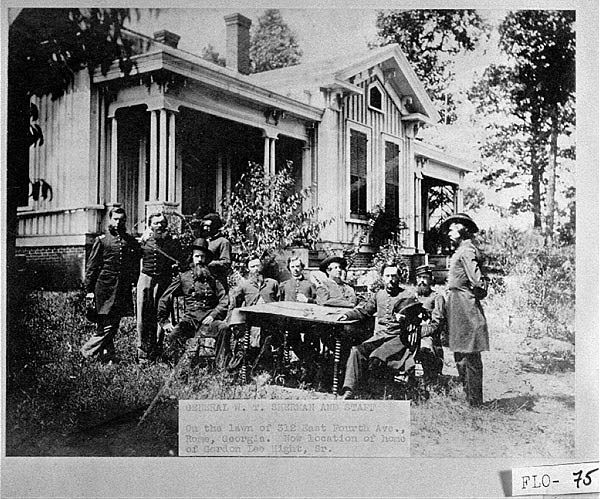
View on partner site

The New Georgia Encyclopedia does not hold the copyright for this media resource and can neither grant nor deny permission to republish or reproduce the image online or in print. Requests for permission to publish or reproduce the resource should be submitted to the Georgia Archives.

Union Officers in Rome

Union Officers in Rome

  • Info Details
  • Citation Terms of Use

Union officers assemble in Rome during the 1864 Atlanta Campaign.

Courtesy of Georgia Archives, Vanishing Georgia, #flo075.

View on partner site

The New Georgia Encyclopedia does not hold the copyright for this media resource and can neither grant nor deny permission to republish or reproduce the image online or in print. Requests for permission to publish or reproduce the resource should be submitted to the Georgia Archives.

Clocktower

Clocktower

  • Info Details
  • Citation Terms of Use

Considered to be Rome's signature landmark, the Clocktower functioned as a water reservoir upon its construction in 1871. The water tower was built with ten sheets of iron provided by James Noble's foundry and had a capacity of 250,000 gallons. In 1995 a musuem within the Clocktower opened to the public.

Courtesy of Explore Georgia, Photograph by Ralph Daniel.

The New Georgia Encyclopedia does not hold the copyright for this media resource and can neither grant nor deny permission to republish or reproduce the image online or in print. Requests for permission to publish or reproduce the resource may need to be submitted to Explore Georgia.

Noble Foundry Lathe

Noble Foundry Lathe

  • Info Details
  • Citation Terms of Use

James Noble, whose foundry produced cannons and other equipment for the Confederacy, led efforts to rebuild Rome following the Civil War. This lathe from the foundry is currently situated on Civic Center Hill in Rome.

Photograph by George Pullen

The New Georgia Encyclopedia does not hold the copyright for this media resource and can neither grant nor deny permission to republish or reproduce the image online or in print. All requests for permission to publish or reproduce the resource must be submitted to the rights holder.

Martha Berry

Martha Berry

  • Info Details
  • Citation Terms of Use

Martha Berry, the daughter of a wealthy Floyd County planter, founded several "Berry Schools" that were established to provide poor children in the north Georgia mountains with the opportunity to earn an education. In 1902 she founded in Rome the school that would become Berry College

Courtesy of Berry College Archives

The New Georgia Encyclopedia does not hold the copyright for this media resource and can neither grant nor deny permission to republish or reproduce the image online or in print. All requests for permission to publish or reproduce the resource must be submitted to the rights holder.

Suzuki Manufacturing of America

Suzuki Manufacturing of America

  • Info Details
  • Citation Terms of Use

Suzuki Manufacturing of America is one of the companies contributing to the growing industry of technical metals and automotive parts in Rome. This industry has largely replaced the textile and carpet industry that was prominent in the area during much of the twentieth century.

Photograph by George Pullen

The New Georgia Encyclopedia does not hold the copyright for this media resource and can neither grant nor deny permission to republish or reproduce the image online or in print. All requests for permission to publish or reproduce the resource must be submitted to the rights holder.

Rome

Rome

  • Info Details
  • Citation Terms of Use

Downtown Rome, the winner of a 2003 Great American Main Street Award, has been preserved by business and property owners as a center of the community despite the loss of retail stores to malls and shopping centers.

Photograph by George Pullen

The New Georgia Encyclopedia does not hold the copyright for this media resource and can neither grant nor deny permission to republish or reproduce the image online or in print. All requests for permission to publish or reproduce the resource must be submitted to the rights holder.

Ben Hill County Courthouse

Ben Hill County Courthouse

  • Info Details
  • Citation Terms of Use

Ben Hill County's first and only courthouse was built in either 1907 or 1909. Designed by H. H. Huggins in the neoclassical revival style, the building originally featured a clock tower, which was removed during renovations in the 1950s.

Photograph by Jimmy Emerson, DVM

The New Georgia Encyclopedia does not hold the copyright for this media resource and can neither grant nor deny permission to republish or reproduce the image online or in print. All requests for permission to publish or reproduce the resource must be submitted to the rights holder.

  • Info Details
  • Citation Terms of Use

The New Georgia Encyclopedia does not hold the copyright for this media resource and can neither grant nor deny permission to republish or reproduce the image online or in print. All requests for permission to publish or reproduce the resource must be submitted to the rights holder.

Colony City Chase

Colony City Chase

  • Info Details
  • Citation Terms of Use

The city of Fitzgerald hosts several annual events and festivals, including the Colony City Chase, which takes place each October.

Courtesy of Georgia Studios
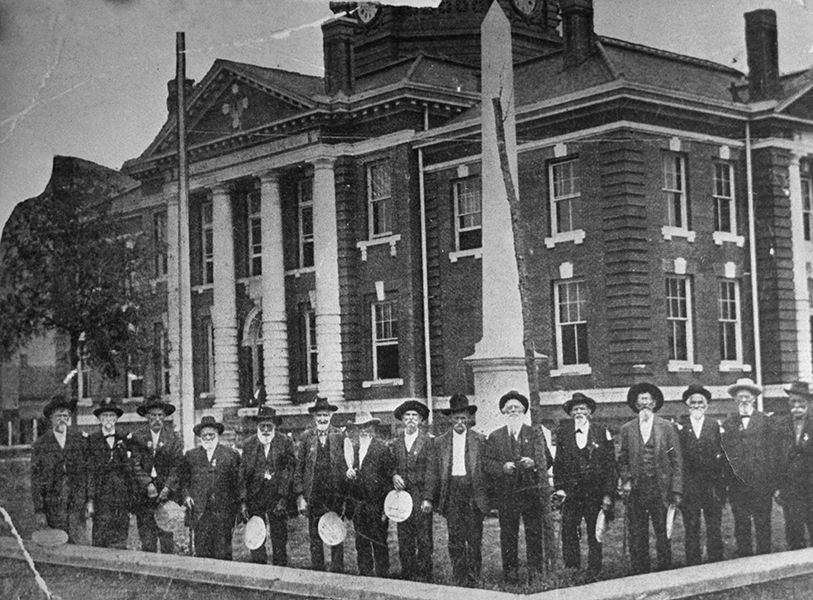
The New Georgia Encyclopedia does not hold the copyright for this media resource and can neither grant nor deny permission to republish or reproduce the image online or in print. All requests for permission to publish or reproduce the resource must be submitted to the rights holder.

Coheelee Creek Covered Bridge

Coheelee Creek Covered Bridge

  • Info Details
  • Citation Terms of Use

Located nine miles southwest of Blakely, in Early County, the Coheelee Creek Covered Bridge is the southernmost covered bridge in the United States. It was built in 1891 and is listed on the National Register of Historic Places.

Courtesy of Georgia Department of Economic Development.

The New Georgia Encyclopedia does not hold the copyright for this media resource and can neither grant nor deny permission to republish or reproduce the image online or in print. Requests for permission to publish or reproduce the resource may need to be submitted to the Georgia Department of Economic Development.

Johnston Blakely

Johnston Blakely

  • Info Details
  • Citation Terms of Use

Captain Johnston Blakely, for whom the city of Blakely is named, immigrated to the United States from Ireland in 1783 and commanded two ships during the War of 1812. He was posthumously awarded the Congressional Medal of Honor after he and his crew disappeared at sea during the war.

Courtesy of The Metropolitan Museum of Art, Gift of William H. Huntington, 1883.

View on source site

The New Georgia Encyclopedia does not hold the copyright for this media resource and can neither grant nor deny permission to republish or reproduce the image online or in print. All requests for permission to publish or reproduce the resource must be submitted to the rights holder.

Confederate Veterans’ Reunion

Confederate Veterans’ Reunion

  • Info Details
  • Citation Terms of Use

A group of Confederate veterans gather in front of the Early County Courthouse, which was built between 1904 and 1905 in Blakely. The last wooden Confederate flagpole in Georgia, erected in 1861, still stands in the courthouse square.

Courtesy of Georgia Archives, Vanishing Georgia, # ear034-82.

View on partner site

The New Georgia Encyclopedia does not hold the copyright for this media resource and can neither grant nor deny permission to republish or reproduce the image online or in print. Requests for permission to publish or reproduce the resource should be submitted to the Georgia Archives.

Temple Mound

Temple Mound

  • Info Details
  • Citation Terms of Use

The Temple Mound, part of Kolomoki Mounds State Historic Park, is one of the largest in the southeastern United States. The park is located in Blakely.

Image from Courtney McGough
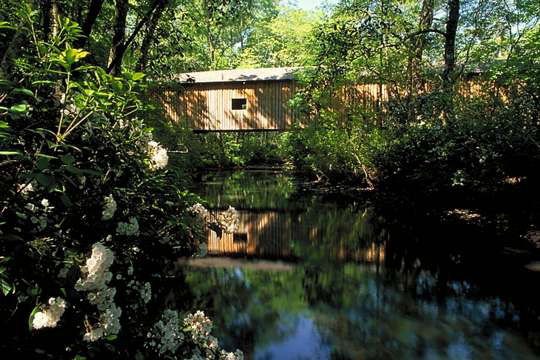
View on source site

The New Georgia Encyclopedia does not hold the copyright for this media resource and can neither grant nor deny permission to republish or reproduce the image online or in print. All requests for permission to publish or reproduce the resource must be submitted to the rights holder.

Historic Clinton

Historic Clinton

  • Info Details
  • Citation Terms of Use

A photograph of a road in Clinton, in Jones County, circa 1900. During this time, and until around 1920, Jones County was mostly farm land and was known for its prolific cotton and peach crops.

Courtesy of Georgia Archives, Vanishing Georgia, #jon109.

View on partner site

The New Georgia Encyclopedia does not hold the copyright for this media resource and can neither grant nor deny permission to republish or reproduce the image online or in print. Requests for permission to publish or reproduce the resource should be submitted to the Georgia Archives.

DeWitt Clinton

DeWitt Clinton

  • Info Details
  • Citation Terms of Use

Clinton, the first county seat of Jones County, may be the namesake of DeWitt Clinton, the mayor of New York from 1803 to 1815 and the nephew of George Clinton.

The New Georgia Encyclopedia does not hold the copyright for this media resource and can neither grant nor deny permission to republish or reproduce the image online or in print. All requests for permission to publish or reproduce the resource must be submitted to the rights holder.

George Clinton

George Clinton

  • Info Details
  • Citation Terms of Use

George Clinton, the first governor of New York and the vice president under both Thomas Jefferson and James Madison, may be the nineteenth-century politician for whom Clinton, the first county seat of Jones County, is named.

The New Georgia Encyclopedia does not hold the copyright for this media resource and can neither grant nor deny permission to republish or reproduce the image online or in print. All requests for permission to publish or reproduce the resource must be submitted to the rights holder.

Gray, ca. 1910s

Gray, ca. 1910s

  • Info Details
  • Citation Terms of Use

This sketch by Telamon Cuyler, made between 1910 and 1918, portrays Gray from the courthouse front door. Gray replaced Clinton as the county seat of Jones County in 1905.

Courtesy of Hargrett Rare Book and Manuscript Library, University of Georgia Libraries.

The New Georgia Encyclopedia does not hold the copyright for this media resource and can neither grant nor deny permission to republish or reproduce the image online or in print. Requests for permission to publish or reproduce the resource should be submitted to the Hargrett Manuscript and Rare Book Library at the University of Georgia.

Jones County Courthouse

Jones County Courthouse

  • Info Details
  • Citation Terms of Use

The courthouse, in Gray, was built in 1906 in the Romanesque revival style. It was designed by J. W. Golucke and is noted for its arched clock tower. The courthouse was rehabilitated in 1992.

Photograph by Jimmy Emerson, DVM

The New Georgia Encyclopedia does not hold the copyright for this media resource and can neither grant nor deny permission to republish or reproduce the image online or in print. All requests for permission to publish or reproduce the resource must be submitted to the rights holder.

Jarrell Plantation Historic Site

Jarrell Plantation Historic Site

  • Info Details
  • Citation Terms of Use

This cotton plantation was owned by the Jarrell family for 140 years. Many antebellum furnishings are on display at the historic site, and many outbuildings dating back to about 1900 still stand.

Image from B A Bowen Photography

View on source site

The New Georgia Encyclopedia does not hold the copyright for this media resource and can neither grant nor deny permission to republish or reproduce the image online or in print. All requests for permission to publish or reproduce the resource must be submitted to the rights holder.

Old Clinton Barbecue

Old Clinton Barbecue

  • Info Details
  • Citation Terms of Use

The Old Clinton Barbecue House, located in Jones County in middle Georgia, has been serving barbecue since 1958.

Courtesy of Explore Georgia, Photograph by Geoff L. Johnson.

The New Georgia Encyclopedia does not hold the copyright for this media resource and can neither grant nor deny permission to republish or reproduce the image online or in print. Requests for permission to publish or reproduce the resource may need to be submitted to Explore Georgia.

Sally and Frank Black

Sally and Frank Black

  • Info Details
  • Citation Terms of Use

Frank Butler Black was a farmer, mail carrier, and chairman of the Republican Party in Jones County. He and his wife, Sally Barfield Black, pose at a Macon photographer's studio (ca. 1900).

Courtesy of Georgia Archives, Vanishing Georgia, #
jon079.

View on partner site

The New Georgia Encyclopedia does not hold the copyright for this media resource and can neither grant nor deny permission to republish or reproduce the image online or in print. Requests for permission to publish or reproduce the resource should be submitted to the Georgia Archives.

Porter Locomotive

Porter Locomotive

  • Info Details
  • Citation Terms of Use

A 1926 Porter steam locomotive at the Georgia Museum of Agriculture and Historic Village in Tifton.

Courtesy of Georgia Museum of Agriculture and Historic Village

The New Georgia Encyclopedia does not hold the copyright for this media resource and can neither grant nor deny permission to republish or reproduce the image online or in print. All requests for permission to publish or reproduce the resource must be submitted to the rights holder.

Love Avenue, Tifton (2004)

Love Avenue, Tifton (2004)

  • Info Details
  • Citation Terms of Use

Tifton residents have made historic preservation a priority, and the downtown business district has been well preserved. In the twenty-first century Tifton is still a "gate city" for the region of south Georgia.

Reprinted by permission of Herb Pilcher

The New Georgia Encyclopedia does not hold the copyright for this media resource and can neither grant nor deny permission to republish or reproduce the image online or in print. All requests for permission to publish or reproduce the resource must be submitted to the rights holder.

Love Avenue, Tifton (1904)

Love Avenue, Tifton (1904)

  • Info Details
  • Citation Terms of Use

Along the right side of Love Avenue in Tifton circa 1904, from near to far, were a multi-use building (Opera House upstairs, Bowen Store downstairs), the Timmons house (which later burned), the Hunter house (later the Timmons house), and a church with steeple.

Courtesy of Hargrett Rare Book and Manuscript Library, University of Georgia Libraries, Albertype Co Photographs.

The New Georgia Encyclopedia does not hold the copyright for this media resource and can neither grant nor deny permission to republish or reproduce the image online or in print. Requests for permission to publish or reproduce the resource should be submitted to the Hargrett Manuscript and Rare Book Library at the University of Georgia.

Tift Sawmill

Tift Sawmill

  • Info Details
  • Citation Terms of Use

Henry Tift's sawmill, circa 1900. After the success of the sawmill, Tift expanded his business interests by establishing the Tifton Cotton Mill and the Bank of Tifton.

Courtesy of Hargrett Rare Book and Manuscript Library, University of Georgia Libraries, Albertype Co, Photographs.

The New Georgia Encyclopedia does not hold the copyright for this media resource and can neither grant nor deny permission to republish or reproduce the image online or in print. Requests for permission to publish or reproduce the resource should be submitted to the Hargrett Manuscript and Rare Book Library at the University of Georgia.

Calf Feeding

Calf Feeding

  • Info Details
  • Citation Terms of Use

A first-grade class on a field trip to the Coastal Plain Experiment Station (later University of Georgia Tifton campus) watches as Mike Cremano feeds a cow.

Courtesy of University of Georgia Tifton campus

The New Georgia Encyclopedia does not hold the copyright for this media resource and can neither grant nor deny permission to republish or reproduce the image online or in print. All requests for permission to publish or reproduce the resource must be submitted to the rights holder.

Timber Rafting, Oconee River

Timber Rafting, Oconee River

  • Info Details
  • Citation Terms of Use

These men are rafting timber down the Oconee River in Laurens County, circa 1890.

Courtesy of Georgia Archives, Vanishing Georgia, #
lau123.

View on partner site

The New Georgia Encyclopedia does not hold the copyright for this media resource and can neither grant nor deny permission to republish or reproduce the image online or in print. Requests for permission to publish or reproduce the resource should be submitted to the Georgia Archives.

Historic Dublin

Historic Dublin

  • Info Details
  • Citation Terms of Use

Dublin, circa 1900. A mule-drawn wagon loaded with bales of cotton is stopped in front of J. D. Smith & Son Stables, which was located on North Jackson Street.

Courtesy of Georgia Archives, Vanishing Georgia, #
lau031.

View on partner site

The New Georgia Encyclopedia does not hold the copyright for this media resource and can neither grant nor deny permission to republish or reproduce the image online or in print. Requests for permission to publish or reproduce the resource should be submitted to the Georgia Archives.

Laurens County Courthouse

Laurens County Courthouse

  • Info Details
  • Citation Terms of Use

The Laurens County Courthouse in Dublin, built in 1962, is the fourth courthouse in the county's history.

Courtesy of Don Bowman

The New Georgia Encyclopedia does not hold the copyright for this media resource and can neither grant nor deny permission to republish or reproduce the image online or in print. All requests for permission to publish or reproduce the resource must be submitted to the rights holder.

  • Info Details
  • Citation Terms of Use

The New Georgia Encyclopedia does not hold the copyright for this media resource and can neither grant nor deny permission to republish or reproduce the image online or in print. All requests for permission to publish or reproduce the resource must be submitted to the rights holder.

Laurens County Courthouse

Laurens County Courthouse

  • Info Details
  • Citation Terms of Use

This tinted postcard shows the third courthouse to be built in Laurens County. The two-story brick structure was constructed in 1895 and used until 1962, when the current courthouse was completed.

Image from Scott B. Thompson

The New Georgia Encyclopedia does not hold the copyright for this media resource and can neither grant nor deny permission to republish or reproduce the image online or in print. All requests for permission to publish or reproduce the resource must be submitted to the rights holder.

Barrow County Courthouse

Barrow County Courthouse

  • Info Details
  • Citation Terms of Use

On July 7, 1914, Barrow County was formed from portions of Gwinnett, Jackson, and Walton counties. Located in Winder, the Barrow County Courthouse was built in 1920.

Photograph by C Smith

The New Georgia Encyclopedia does not hold the copyright for this media resource and can neither grant nor deny permission to republish or reproduce the image online or in print. All requests for permission to publish or reproduce the resource must be submitted to the rights holder.

Fort Yargo Cabin

Fort Yargo Cabin

  • Info Details
  • Citation Terms of Use

The Fort Yargo cabin was built by white settlers in 1792 for protection against the Muscogee (Creeks) and the Cherokees. Today it is used for history encampments at Fort Yargo State Park.

Photograph by Ashley Farrow, Wikimedia Commons

The New Georgia Encyclopedia does not hold the copyright for this media resource and can neither grant nor deny permission to republish or reproduce the image online or in print. All requests for permission to publish or reproduce the resource must be submitted to the rights holder.

Birdsville

Birdsville

  • Info Details
  • Citation Terms of Use

The original home of Francis Jones, a colonial settler in Georgia, stands on the site of his Birdsville plantation in Jenkins County and represents one of the few colonial residential dwellings still standing in the state. The home was added to the National Register of Historic Places in 1971.

Courtesy of Georgia Archives, Vanishing Georgia, #
bur068.

View on partner site

The New Georgia Encyclopedia does not hold the copyright for this media resource and can neither grant nor deny permission to republish or reproduce the image online or in print. Requests for permission to publish or reproduce the resource should be submitted to the Georgia Archives.

Jenkins County Courthouse

Jenkins County Courthouse

  • Info Details
  • Citation Terms of Use

The Jenkins County courthouse in Millen was built in 1910 in the neoclassical revival style. The architect was L. F. Goodrich.

Courtesy of Don Bowman

The New Georgia Encyclopedia does not hold the copyright for this media resource and can neither grant nor deny permission to republish or reproduce the image online or in print. All requests for permission to publish or reproduce the resource must be submitted to the rights holder.

Birdsville Tavern

Birdsville Tavern

  • Info Details
  • Citation Terms of Use

The tavern and shop at the Birdsville Plantation in Jenkins County, outside Millen, is pictured circa 1970. Birdsville was a stagecoach stop on the Old Louisville Road, which connected Louisville and Savannah.

Courtesy of Georgia Archives, Vanishing Georgia, #
bur070.

View on partner site

The New Georgia Encyclopedia does not hold the copyright for this media resource and can neither grant nor deny permission to republish or reproduce the image online or in print. Requests for permission to publish or reproduce the resource should be submitted to the Georgia Archives.

Steamboat

Steamboat

  • Info Details
  • Citation Terms of Use

The steamboat Getrude, laden with barrels of turpentine, passes a crowd on the banks of the Flint River near Bainbridge, 1910.

Courtesy of Georgia Archives, Vanishing Georgia, #
dec060.

View on partner site

The New Georgia Encyclopedia does not hold the copyright for this media resource and can neither grant nor deny permission to republish or reproduce the image online or in print. Requests for permission to publish or reproduce the resource should be submitted to the Georgia Archives.

Willis Park, Bainbridge

Willis Park, Bainbridge

  • Info Details
  • Citation Terms of Use

Willis Park in downtown Bainbridge is in the historic district. It features a Victorian gazebo that hosts many town events.

Image from Hermann Luyken

The New Georgia Encyclopedia does not hold the copyright for this media resource and can neither grant nor deny permission to republish or reproduce the image online or in print. All requests for permission to publish or reproduce the resource must be submitted to the rights holder.

  • Info Details
  • Citation Terms of Use

The New Georgia Encyclopedia does not hold the copyright for this media resource and can neither grant nor deny permission to republish or reproduce the image online or in print. All requests for permission to publish or reproduce the resource must be submitted to the rights holder.

  • Info Details
  • Citation Terms of Use

The New Georgia Encyclopedia does not hold the copyright for this media resource and can neither grant nor deny permission to republish or reproduce the image online or in print. All requests for permission to publish or reproduce the resource must be submitted to the rights holder.

Bainbridge

Bainbridge

  • Info Details
  • Citation Terms of Use

Downtown Bainbridge is pictured in the early 1900s, before the streets were paved. A water tower can be seen on the right side of the photograph.

Courtesy of Georgia Archives, Vanishing Georgia, # dec169.

View on partner site

The New Georgia Encyclopedia does not hold the copyright for this media resource and can neither grant nor deny permission to republish or reproduce the image online or in print. Requests for permission to publish or reproduce the resource should be submitted to the Georgia Archives.

Bainbridge, 1923

Bainbridge, 1923

  • Info Details
  • Citation Terms of Use

A parade passes down Broad Street in Bainbridge for the Decatur County centennial celebration in 1923.

Courtesy of Georgia Archives, Vanishing Georgia, # dec009.

View on partner site

The New Georgia Encyclopedia does not hold the copyright for this media resource and can neither grant nor deny permission to republish or reproduce the image online or in print. Requests for permission to publish or reproduce the resource should be submitted to the Georgia Archives.

Field Workers, Bainbridge

Field Workers, Bainbridge

  • Info Details
  • Citation Terms of Use

Field workers stand in rows of shaded tobacco, circa 1920. Strips of cloth stretched over the area where the tobacco is being grown provide partial shade. The slatted effect allows enough sunlight to reach the crops.

Courtesy of Georgia Archives, Vanishing Georgia, # dec158.

View on partner site

The New Georgia Encyclopedia does not hold the copyright for this media resource and can neither grant nor deny permission to republish or reproduce the image online or in print. Requests for permission to publish or reproduce the resource should be submitted to the Georgia Archives.

Olympic Village

Olympic Village

  • Info Details
  • Citation Terms of Use

A portion of the Georgia Institute of Technology campus in Atlanta was transformed into the Olympic Village during the 1996 Olympic Games. The village served as the temporary home of 15,000 athletes and officials who traveled to Atlanta for the competitions.

Courtesy of Georgia Tech Communications

The New Georgia Encyclopedia does not hold the copyright for this media resource and can neither grant nor deny permission to republish or reproduce the image online or in print. All requests for permission to publish or reproduce the resource must be submitted to the rights holder.

Fulton County Courthouse

Fulton County Courthouse

  • Info Details
  • Citation Terms of Use

The Fulton County courthouse, located in Atlanta, was designed by A. Ten Eyck Brown, with Morgan and Dillon, and built in 1911-14. The courthouse is an example of neoclassical revival/Beaux-Arts classicism architecture.

Photograph by OZinOH

The New Georgia Encyclopedia does not hold the copyright for this media resource and can neither grant nor deny permission to republish or reproduce the image online or in print. All requests for permission to publish or reproduce the resource must be submitted to the rights holder.

Wrens Nest

Wrens Nest

  • Info Details
  • Citation Terms of Use

Once the home of Joel Chandler Harris, author of the Uncle Remus tales, the Wren's Nest is today the oldest house museum in Atlanta. Harris moved to this house in 1881, purchased it in 1883, and did most of his later writing here until his death in 1908. The house, on Ralph David Abernathy Boulevard, was designated a National Historic Landmark in 1962.

From Bruce Bickley

The New Georgia Encyclopedia does not hold the copyright for this media resource and can neither grant nor deny permission to republish or reproduce the image online or in print. All requests for permission to publish or reproduce the resource must be submitted to the rights holder.

Fort Peach Tree Replica

Fort Peach Tree Replica

  • Info Details
  • Citation Terms of Use

A replica of Fort Peach Tree, which was erected on the banks of the Chattahoochee River in 1814 during the War of 1812, stands in Atlanta. The fort was used as a construction yard for the flatboats that carried shipments along the river to Fort Mitchell, in present-day Alabama.

Courtesy of Susan Barnard

The New Georgia Encyclopedia does not hold the copyright for this media resource and can neither grant nor deny permission to republish or reproduce the image online or in print. All requests for permission to publish or reproduce the resource must be submitted to the rights holder.

Southeastern Fair

Southeastern Fair

  • Info Details
  • Citation Terms of Use

Crowds pass in front of the grandstand at the Southeastern Fair in Fulton County in 1955.

Courtesy of Special Collections & Archives, Georgia State University Library.

The New Georgia Encyclopedia does not hold the copyright for this media resource and can neither grant nor deny permission to republish or reproduce the image online or in print. Requests for permission to publish or reproduce the resource should be submitted to Special Collections and Archives at Georgia State University.

Lumpkin County Courthouse

Lumpkin County Courthouse

  • Info Details
  • Citation Terms of Use

The modern Lumpkin County courthouse was built in 1965 and is located in the county seat of Dahlonega.

Photograph by Jimmy Emerson, DVM

The New Georgia Encyclopedia does not hold the copyright for this media resource and can neither grant nor deny permission to republish or reproduce the image online or in print. All requests for permission to publish or reproduce the resource must be submitted to the rights holder.

Gold Mining

Gold Mining

  • Info Details
  • Citation Terms of Use

Mining often has a devastating effect on local landscapes. This 1900 photo shows a water cannon blasting away a hillside at the Calhoun Gold Mine, in Lumpkin County, during the second gold rush.

Courtesy of Georgia Archives, Vanishing Georgia, #
lum154.

View on partner site

The New Georgia Encyclopedia does not hold the copyright for this media resource and can neither grant nor deny permission to republish or reproduce the image online or in print. Requests for permission to publish or reproduce the resource should be submitted to the Georgia Archives.

Three Sisters Vineyard

Three Sisters Vineyard

  • Info Details
  • Citation Terms of Use

The Three Sisters Vineyard, in Dahlonega (in Lumpkin County), is a relative newcomer to the growing wine industry in Georgia. Three Sisters harvested its first grapes in 2000.

Image from UGA CAES/Extension

View on source site

The New Georgia Encyclopedia does not hold the copyright for this media resource and can neither grant nor deny permission to republish or reproduce the image online or in print. All requests for permission to publish or reproduce the resource must be submitted to the rights holder.

Clayton County Courthouse

Clayton County Courthouse

  • Info Details
  • Citation Terms of Use

This Historic Clayton County Courthouse was built in 1898 and designed by J.W. Golucke in the Romanesque style. Today, the restored building is used as office space. 

Photograph by Jimmy Emerson, DVM

The New Georgia Encyclopedia does not hold the copyright for this media resource and can neither grant nor deny permission to republish or reproduce the image online or in print. All requests for permission to publish or reproduce the resource must be submitted to the rights holder.

Reynolds Nature Preserve

Reynolds Nature Preserve

  • Info Details
  • Citation Terms of Use

The W. H. Reynolds Memorial Nature Preserve is named for Judge William Reynolds, who donated 130 acres of wetlands to Clayton County in 1976. In 1997 the preserve obtained an additonal sixteen acres adjacent to the original property, including primarily hardwood forests, as well as ponds, wetlands, streams, designated picnic areas, and four miles of well-defined footpaths. The preserve promotes environmental education and is open to the public.

Courtesy of UGA Archway Partnership

The New Georgia Encyclopedia does not hold the copyright for this media resource and can neither grant nor deny permission to republish or reproduce the image online or in print. All requests for permission to publish or reproduce the resource must be submitted to the rights holder.

Forest Park Depot

Forest Park Depot

  • Info Details
  • Citation Terms of Use

This depot at Forest Park, shown circa 1900, was one of the stops along the railroad to Jonesboro, in Clayton County.

Courtesy of Georgia Archives, Vanishing Georgia, #clt056-84.

View on partner site

The New Georgia Encyclopedia does not hold the copyright for this media resource and can neither grant nor deny permission to republish or reproduce the image online or in print. Requests for permission to publish or reproduce the resource should be submitted to the Georgia Archives.

Patrick R. Cleburne Confederate Memorial Cemetery

Patrick R. Cleburne Confederate Memorial Cemetery

  • Info Details
  • Citation Terms of Use

The Patrick R. Cleburne Confederate Memorial Cemetery was named for the general whose remains were brought from St. John's Cemetery, Ashwood, Tennessee, in 1870. In 1891 a marble column was dedicated in his honor at the cemetery, and in 1892 this granite shaft was dedicated to the Confederate dead.

Courtesy of Clayton County Convention and Visitor's Bureau

The New Georgia Encyclopedia does not hold the copyright for this media resource and can neither grant nor deny permission to republish or reproduce the image online or in print. All requests for permission to publish or reproduce the resource must be submitted to the rights holder.

Spivey Hall

Spivey Hall

  • Info Details
  • Citation Terms of Use

The visual centerpiece of Clayton State University's Spivey Hall is the Albert Schweitzer Memorial Pipe Organ, a 79-rank, 3-manual, 4,413-pipe organ, built and installed by Fratelli Ruffatti of Padua, Italy.

Courtesy of Clayton County Convention and Visitor's Bureau

The New Georgia Encyclopedia does not hold the copyright for this media resource and can neither grant nor deny permission to republish or reproduce the image online or in print. All requests for permission to publish or reproduce the resource must be submitted to the rights holder.

Battle of Jonesboro Reenactment

Battle of Jonesboro Reenactment

  • Info Details
  • Citation Terms of Use

The Battle of Jonesboro reenactment at Stately Oaks Plantation takes place every second weekend in October.

Courtesy of Clayton County Convention and Visitor's Bureau

The New Georgia Encyclopedia does not hold the copyright for this media resource and can neither grant nor deny permission to republish or reproduce the image online or in print. All requests for permission to publish or reproduce the resource must be submitted to the rights holder.

  • Info Details
  • Citation Terms of Use

The New Georgia Encyclopedia does not hold the copyright for this media resource and can neither grant nor deny permission to republish or reproduce the image online or in print. All requests for permission to publish or reproduce the resource must be submitted to the rights holder.

Riverdale Depot

Riverdale Depot

  • Info Details
  • Citation Terms of Use

The Riverdale depot of the Southern Express Company railroad system was dismantled in 1939. Pictured, left to right: Henry McElroy; A. O. Bowles, railway agent and station master; and M. Vassa McConnell, postmaster. Leon Hancock on roof.

Courtesy of Georgia Archives, Vanishing Georgia, # clt027-84.

View on partner site

The New Georgia Encyclopedia does not hold the copyright for this media resource and can neither grant nor deny permission to republish or reproduce the image online or in print. Requests for permission to publish or reproduce the resource should be submitted to the Georgia Archives.

Main Street in Jonesboro, 1890

Main Street in Jonesboro, 1890

  • Info Details
  • Citation Terms of Use

Main Street in Jonesboro, in Clayton County, is pictured in 1890. The Cannon & Evans Drug Company is on the corner.

Courtesy of Georgia Archives, Vanishing Georgia, # clt060-84.

View on partner site

The New Georgia Encyclopedia does not hold the copyright for this media resource and can neither grant nor deny permission to republish or reproduce the image online or in print. Requests for permission to publish or reproduce the resource should be submitted to the Georgia Archives.

Destroyed Railroad, 1864

Destroyed Railroad, 1864

  • Info Details
  • Citation Terms of Use

Destroyed railroad in Forest Park circa 1864, during the Civil War.

Courtesy of Georgia Archives, Vanishing Georgia, #
clt050-84.

View on partner site

The New Georgia Encyclopedia does not hold the copyright for this media resource and can neither grant nor deny permission to republish or reproduce the image online or in print. Requests for permission to publish or reproduce the resource should be submitted to the Georgia Archives.

Bill Lee and Calvin Smyre

Bill Lee and Calvin Smyre

  • Info Details
  • Citation Terms of Use

Bill Lee (left), one of the longest-serving members of the state House of Representatives, converses with Representative Calvin Smyre in 1988. A native of Clayton County, Lee served as chairman of the House Rules Committee.

Courtesy of Georgia Info, Digital Library of Georgia.

The New Georgia Encyclopedia does not hold the copyright for this media resource and can neither grant nor deny permission to republish or reproduce the image online or in print. Requests for permission to publish or reproduce the resource may need to be submitted to the Digital Library of Georgia.

Talbot County Courthouse

Talbot County Courthouse

  • Info Details
  • Citation Terms of Use

The Talbot County courthouse, located in Talbotton, was built in 1892 and designed by the architectural firm Bruce and Morgan. The courthouse is an example of Queen Anne architecture.

Courtesy of Don Bowman

The New Georgia Encyclopedia does not hold the copyright for this media resource and can neither grant nor deny permission to republish or reproduce the image online or in print. All requests for permission to publish or reproduce the resource must be submitted to the rights holder.

Main Street, Talbotton

Main Street, Talbotton

  • Info Details
  • Citation Terms of Use

Georgia Highways 208 and 41 run through Talbotton, the county seat of Talbot County.

Courtesy of Toni Pierce Webb

The New Georgia Encyclopedia does not hold the copyright for this media resource and can neither grant nor deny permission to republish or reproduce the image online or in print. All requests for permission to publish or reproduce the resource must be submitted to the rights holder.

Straus-LeVert Memorial Hall

Straus-LeVert Memorial Hall

  • Info Details
  • Citation Terms of Use

The Straus-LeVert Memorial Hall on College Avenue in Talbotton is a former LeVert College building turned community center. Lazrus Straus, a Belgian immigrant and Talbotton merchant, in part supported the school.

Courtesy of Toni Pierce Webb

The New Georgia Encyclopedia does not hold the copyright for this media resource and can neither grant nor deny permission to republish or reproduce the image online or in print. All requests for permission to publish or reproduce the resource must be submitted to the rights holder.

Richmond County Garden

Richmond County Garden

  • Info Details
  • Citation Terms of Use

This formal garden (no date available) in Richmond County is characteristic of the high-style landscape designs preferred by the wealthy in eighteenth- and nineteenth-century Georgia. Styles in landscape design change over time and reflect the various social, economic, and political situations around the state.

Courtesy of Georgia Archives, Vanishing Georgia, #
ric128.

View on partner site

The New Georgia Encyclopedia does not hold the copyright for this media resource and can neither grant nor deny permission to republish or reproduce the image online or in print. Requests for permission to publish or reproduce the resource should be submitted to the Georgia Archives.

Richmond County Courthouse

Richmond County Courthouse

  • Info Details
  • Citation Terms of Use

Richmond County's modern-style courthouse, located in Augusta, was designed by Scroggs and Ewing, and Kuhlke and Wade, and built in 1956-57.

Photograph by Jimmy Emerson, DVM

The New Georgia Encyclopedia does not hold the copyright for this media resource and can neither grant nor deny permission to republish or reproduce the image online or in print. All requests for permission to publish or reproduce the resource must be submitted to the rights holder.

  • Info Details
  • Citation Terms of Use

The New Georgia Encyclopedia does not hold the copyright for this media resource and can neither grant nor deny permission to republish or reproduce the image online or in print. All requests for permission to publish or reproduce the resource must be submitted to the rights holder.

  • Info Details
  • Citation Terms of Use

The New Georgia Encyclopedia does not hold the copyright for this media resource and can neither grant nor deny permission to republish or reproduce the image online or in print. All requests for permission to publish or reproduce the resource must be submitted to the rights holder.

  • Info Details
  • Citation Terms of Use

The New Georgia Encyclopedia does not hold the copyright for this media resource and can neither grant nor deny permission to republish or reproduce the image online or in print. All requests for permission to publish or reproduce the resource must be submitted to the rights holder.

Broad Street in Augusta, 1930s

Broad Street in Augusta, 1930s

  • Info Details
  • Citation Terms of Use

Broad Street in Augusta, during the 1930s. The Union Savings Bank is shown in the center of the photograph.

Courtesy of Georgia Archives, Vanishing Georgia, #ric136.

View on partner site

The New Georgia Encyclopedia does not hold the copyright for this media resource and can neither grant nor deny permission to republish or reproduce the image online or in print. Requests for permission to publish or reproduce the resource should be submitted to the Georgia Archives.

False Rue Anemone

False Rue Anemone

  • Info Details
  • Citation Terms of Use

False rue anemone is one of the more than seventy-five rare plant species native to the Savannah River basin. The anemone, along with bottle-brush buckeye and relict trillium, is found along river bluffs near Augusta.

Courtesy of Joseph O'Brien, USDA Forest Service, www.forestryimages.org

The New Georgia Encyclopedia does not hold the copyright for this media resource and can neither grant nor deny permission to republish or reproduce the image online or in print. All requests for permission to publish or reproduce the resource must be submitted to the rights holder.

Fort Gordon Headquarters

Fort Gordon Headquarters

  • Info Details
  • Citation Terms of Use

Fort Gordon, located southwest of Augusta, opened in December 1941, after the Japanese bombing of Pearl Harbor in Hawaii during World War II. The installation was named in honor of Confederate general John B. Gordon.

Courtesy of U.S. Army Signal Corps Museum

The New Georgia Encyclopedia does not hold the copyright for this media resource and can neither grant nor deny permission to republish or reproduce the image online or in print. All requests for permission to publish or reproduce the resource must be submitted to the rights holder.

Ninevian Pipe

Ninevian Pipe

  • Info Details
  • Citation Terms of Use

Dating to the 1850s, this Ninevian pipe was uncovered during an archaeological excavation conducted between 1989 and 1991 at the Springfield site near Augusta. The Springfield village was populated by free Blacks before the end of slavery in 1865.

Courtesy of New South Associates

The New Georgia Encyclopedia does not hold the copyright for this media resource and can neither grant nor deny permission to republish or reproduce the image online or in print. All requests for permission to publish or reproduce the resource must be submitted to the rights holder.

John Dill House

John Dill House

  • Info Details
  • Citation Terms of Use

The John Dill House (circa 1827), one of the oldest buildings in Fort Gaines, was built with the paper money Mrs. Dill (formerly Stuart) gathered during her capture by Creek Indians. The house, listed on the National Register of Historic Places, is today a bed-and-breakfast.

Courtesy of Georgia Department of Economic Development.
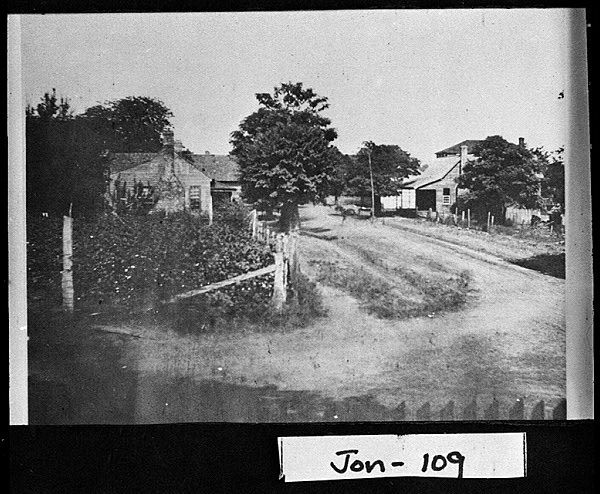
The New Georgia Encyclopedia does not hold the copyright for this media resource and can neither grant nor deny permission to republish or reproduce the image online or in print. Requests for permission to publish or reproduce the resource may need to be submitted to the Georgia Department of Economic Development.

Clay County Courthouse

Clay County Courthouse

  • Info Details
  • Citation Terms of Use

The Clay County Courthouse, located in Fort Gaines, was completed in 1873. It was placed on the National Register of Historic Places in 1873.

Courtesy of Don Bowman

The New Georgia Encyclopedia does not hold the copyright for this media resource and can neither grant nor deny permission to republish or reproduce the image online or in print. All requests for permission to publish or reproduce the resource must be submitted to the rights holder.

Fort Gaines, 1925

Fort Gaines, 1925

  • Info Details
  • Citation Terms of Use

A view of Hancock Street in Fort Gaines during festivities connected with the dedication of the Henry Clay Bridge, the third bridge crossing the Chattahoochee River at Fort Gaines, in December 1925.

Courtesy of Georgia Archives, Vanishing Georgia, #
cly013.

View on partner site

The New Georgia Encyclopedia does not hold the copyright for this media resource and can neither grant nor deny permission to republish or reproduce the image online or in print. Requests for permission to publish or reproduce the resource should be submitted to the Georgia Archives.

Airplane, 1904

Airplane, 1904

  • Info Details
  • Citation Terms of Use

An early airplane is pictured in Clay County, circa 1904.

Courtesy of Georgia Archives, Vanishing Georgia, #
cly058-82.

View on partner site

The New Georgia Encyclopedia does not hold the copyright for this media resource and can neither grant nor deny permission to republish or reproduce the image online or in print. Requests for permission to publish or reproduce the resource should be submitted to the Georgia Archives.

Chief Vann House

Chief Vann House

  • Info Details
  • Citation Terms of Use

Called the "Showplace of the Cherokee Nation," this two-story classic mansion is one of the best-preserved Cherokee plantation homes. Built by Chief James Vann in 1806, it was the first brick home within the Cherokee Nation. The mansion is a state historic site.

Courtesy of Atlanta History Center.

The New Georgia Encyclopedia does not hold the copyright for this media resource and can neither grant nor deny permission to republish or reproduce the image online or in print. Requests for permission to publish or reproduce the resource should be submitted to the Atlanta History Center.

Murray County Courthouse

Murray County Courthouse

  • Info Details
  • Citation Terms of Use

The neoclassical revival Murray County Courthouse, located in the seat of Chatsworth, was built in 1916-17 and designed by Alexander Blair.

Photograph by Jimmy Emerson, DVM

The New Georgia Encyclopedia does not hold the copyright for this media resource and can neither grant nor deny permission to republish or reproduce the image online or in print. All requests for permission to publish or reproduce the resource must be submitted to the rights holder.

  • Info Details
  • Citation Terms of Use

The New Georgia Encyclopedia does not hold the copyright for this media resource and can neither grant nor deny permission to republish or reproduce the image online or in print. All requests for permission to publish or reproduce the resource must be submitted to the rights holder.

Eastman House

Eastman House

  • Info Details
  • Citation Terms of Use

Designed by the architect J. H. Russell and built in 1872 by William Pitt Eastman, this is the oldest house in the town of Eastman; it was constructed of heart pine milled from trees on William Eastman's land. Today, it is owned by the Dodge Historical Society, and is listed on the National Register of Historic Places.

Photograph by Harold B. Haley

The New Georgia Encyclopedia does not hold the copyright for this media resource and can neither grant nor deny permission to republish or reproduce the image online or in print. All requests for permission to publish or reproduce the resource must be submitted to the rights holder.

Stuckey Timberland

Stuckey Timberland

  • Info Details
  • Citation Terms of Use

This three-story building, constructed in 1995, is Eastman's tallest structure. It is the corporate office of Stuckey Timberland, a land and timber management business, founded in 1956 by W. S. Stuckey (1909-77), of Stuckey's candy fame.

Photograph by Harold B. Haley

The New Georgia Encyclopedia does not hold the copyright for this media resource and can neither grant nor deny permission to republish or reproduce the image online or in print. All requests for permission to publish or reproduce the resource must be submitted to the rights holder.

Morton Theatre

Morton Theatre

  • Info Details
  • Citation Terms of Use

The historic Morton Theatre was built by Monroe B. "Pink" Morton in 1910 at "Hot Corner" (Hull and Washington streets) in Athens as a cultural center for the Black community. It was the first vaudeville theater in the country to be built, owned, and operated by an African American.

Photograph by Melinda Smith Mullikin, New Georgia Encyclopedia

The New Georgia Encyclopedia does not hold the copyright for this media resource and can neither grant nor deny permission to republish or reproduce the image online or in print. All requests for permission to publish or reproduce the resource must be submitted to the rights holder.

University of Georgia North Campus

University of Georgia North Campus

  • Info Details
  • Citation Terms of Use

The University of Georgia's North Campus is located right next to downtown Athens.

Image from UGA CAES/Extension

The New Georgia Encyclopedia does not hold the copyright for this media resource and can neither grant nor deny permission to republish or reproduce the image online or in print. All requests for permission to publish or reproduce the resource must be submitted to the rights holder.

View of Athens from Carr’s Hill

View of Athens from Carr’s Hill

  • Info Details
  • Citation Terms of Use

Georgia artist George Cooke's View of Athens from Carr's Hill (1845) is on display at the Hargrett Rare Book and Manuscript Library on the University of Georgia campus in Athens.

Courtesy of Hargrett Rare Book and Manuscript Library, University of Georgia Libraries.

The New Georgia Encyclopedia does not hold the copyright for this media resource and can neither grant nor deny permission to republish or reproduce the image online or in print. Requests for permission to publish or reproduce the resource should be submitted to the Hargrett Manuscript and Rare Book Library at the University of Georgia.

University of Georgia, 1875

University of Georgia, 1875

  • Info Details
  • Citation Terms of Use

Photograph of the UGA campus, looking southwest from Broad Street. This view from 1875 illustrates the early campus form with its axial pattern of walkways among plantings of young hardwood and evergreen trees.

Courtesy of Hargrett Rare Book and Manuscript Library, University of Georgia Libraries.

The New Georgia Encyclopedia does not hold the copyright for this media resource and can neither grant nor deny permission to republish or reproduce the image online or in print. Requests for permission to publish or reproduce the resource should be submitted to the Hargrett Manuscript and Rare Book Library at the University of Georgia.

Taylor-Grady House

Taylor-Grady House

  • Info Details
  • Citation Terms of Use

On the west side of Athens, Robert Taylor built a Greek revival-style house with thirteen columns, one for each of the original thirteen colonies. Now known as the Taylor-Grady House, it was the boyhood home of "New South" spokesman Henry W. Grady and is designated a National Historic Landmark.

Photograph from GeorgiaInfo

View on source site

The New Georgia Encyclopedia does not hold the copyright for this media resource and can neither grant nor deny permission to republish or reproduce the image online or in print. All requests for permission to publish or reproduce the resource must be submitted to the rights holder.

Double-Barreled Cannon

Double-Barreled Cannon

  • Info Details
  • Citation Terms of Use

Athens's unique double-barreled cannon was designed by John Gilleland and built at the local foundry in 1863. The cannon was to be loaded with two balls connected by a chain several feet in length; when fired the balls were to cut a swath through Union soldiers. The cannon proved uncontrollable when test-fired, however, and was never used in combat.

Image from Kotivalo

The New Georgia Encyclopedia does not hold the copyright for this media resource and can neither grant nor deny permission to republish or reproduce the image online or in print. All requests for permission to publish or reproduce the resource must be submitted to the rights holder.

Knox Institute

Knox Institute

  • Info Details
  • Citation Terms of Use

The Knox Institute was founded in 1868 in Athens, which became a center for African American secondary education after the Civil War. Located at the corner of Reese and Pope streets, the prestigious private school offered academic and industrial instruction. The school closed in 1928, and the structure no longer exists.

Courtesy of Hargrett Rare Book and Manuscript Library, University of Georgia Libraries.

The New Georgia Encyclopedia does not hold the copyright for this media resource and can neither grant nor deny permission to republish or reproduce the image online or in print. Requests for permission to publish or reproduce the resource should be submitted to the Hargrett Manuscript and Rare Book Library at the University of Georgia.

College Avenue

College Avenue

  • Info Details
  • Citation Terms of Use

Athens became Clarke's county seat in 1872. Passenger streetcars introduced in Athens in the 1880s led to the development of the town's first streetcar suburbs, and the city's population grew from 6,099 in 1880 to 10,245 in 1900.

Courtesy of Georgia Archives, Vanishing Georgia, # clr064.

View on partner site

The New Georgia Encyclopedia does not hold the copyright for this media resource and can neither grant nor deny permission to republish or reproduce the image online or in print. Requests for permission to publish or reproduce the resource should be submitted to the Georgia Archives.

State Normal School, 1919

State Normal School, 1919

  • Info Details
  • Citation Terms of Use

Old Rock College, State Normal, Athens, Ga. The State Normal School for women was located in the section of Athens now known as Normaltown.

Courtesy of the United States Navy

The New Georgia Encyclopedia does not hold the copyright for this media resource and can neither grant nor deny permission to republish or reproduce the image online or in print. All requests for permission to publish or reproduce the resource must be submitted to the rights holder.

Ben Epps

Ben Epps

  • Info Details
  • Citation Terms of Use

Georgia aviation pioneer Ben Epps is pictured with his first airplane outside his garage in Athens, 1907.

Courtesy of Georgia Archives, Vanishing Georgia, #
clr176-83.

View on partner site

The New Georgia Encyclopedia does not hold the copyright for this media resource and can neither grant nor deny permission to republish or reproduce the image online or in print. Requests for permission to publish or reproduce the resource should be submitted to the Georgia Archives.

Navy Supply Corps School

Navy Supply Corps School

  • Info Details
  • Citation Terms of Use

From 1954 until 2010, all active-duty supply corps officers in the U.S. Navy were trained at the Navy Supply Corps School in Athens. In 2010 the school relocated to Newport, Rhode Island, and in 2012 the UGA Health Sciences Campus opened on the Athens site.

Courtesy of the United States Navy

The New Georgia Encyclopedia does not hold the copyright for this media resource and can neither grant nor deny permission to republish or reproduce the image online or in print. All requests for permission to publish or reproduce the resource must be submitted to the rights holder.

  • Info Details
  • Citation Terms of Use

The New Georgia Encyclopedia does not hold the copyright for this media resource and can neither grant nor deny permission to republish or reproduce the image online or in print. All requests for permission to publish or reproduce the resource must be submitted to the rights holder.

State Botanical Garden of Georgia

State Botanical Garden of Georgia

  • Info Details
  • Citation Terms of Use

The State Botanical Garden of Georgia, established in 1968, covers 313 acres in Athens and serves as the headquarters for the Garden Club of Georgia.

Courtesy of the State Botanical Garden of Georgia

The New Georgia Encyclopedia does not hold the copyright for this media resource and can neither grant nor deny permission to republish or reproduce the image online or in print. All requests for permission to publish or reproduce the resource must be submitted to the rights holder.

Athens Parlor Market, 1909

Athens Parlor Market, 1909

  • Info Details
  • Citation Terms of Use

The Athens Parlor Market is pictured in downtown Athens circa 1909-10. The store, owned by Wiley Thomas Young, sold produce, meat, and groceries.

Courtesy of Georgia Archives, Vanishing Georgia, # clr207-84.

View on partner site

The New Georgia Encyclopedia does not hold the copyright for this media resource and can neither grant nor deny permission to republish or reproduce the image online or in print. Requests for permission to publish or reproduce the resource should be submitted to the Georgia Archives.

Athens Fair, 1901

Athens Fair, 1901

  • Info Details
  • Citation Terms of Use

A downtown parade for the Athens Wheat and Oat Fair is pictured in 1901.

Courtesy of Georgia Archives, Vanishing Georgia, # clr068.

View on partner site

The New Georgia Encyclopedia does not hold the copyright for this media resource and can neither grant nor deny permission to republish or reproduce the image online or in print. Requests for permission to publish or reproduce the resource should be submitted to the Georgia Archives.

Athens City Hall Dedication

Athens City Hall Dedication

  • Info Details
  • Citation Terms of Use

Members of the Athens police department and city dignitaries attend the dedication of City Hall, circa 1911.

Courtesy of Georgia Archives, Vanishing Georgia, # clr045.

View on partner site

The New Georgia Encyclopedia does not hold the copyright for this media resource and can neither grant nor deny permission to republish or reproduce the image online or in print. Requests for permission to publish or reproduce the resource should be submitted to the Georgia Archives.

Cotton Bales

Cotton Bales

  • Info Details
  • Citation Terms of Use

Cotton bales are stacked and ready to be placed into storage in the warehouses on Thomas Street, behind the Franklin House, in Athens circa 1915.

Courtesy of Georgia Archives, Vanishing Georgia, # clr012.

View on partner site

The New Georgia Encyclopedia does not hold the copyright for this media resource and can neither grant nor deny permission to republish or reproduce the image online or in print. Requests for permission to publish or reproduce the resource should be submitted to the Georgia Archives.

Carnival, Athens

Carnival, Athens

  • Info Details
  • Citation Terms of Use

Carnivals usually drew large crowds, and none of the attractions were more popular than the freak show. There one could gaze upon fire breathers, sword swallowers, two-headed calves, and human pincushions. This woman with a live snake in her mouth was photographed at a carnival in Athens in October 1900. The price to view the show was 10 cents.

Courtesy of Georgia Archives, Vanishing Georgia, #
clr096.

View on partner site

The New Georgia Encyclopedia does not hold the copyright for this media resource and can neither grant nor deny permission to republish or reproduce the image online or in print. Requests for permission to publish or reproduce the resource should be submitted to the Georgia Archives.

Rufus L. Moss Sr.

Rufus L. Moss Sr.

  • Info Details
  • Citation Terms of Use

Rufus L. Moss Sr., pictured in 1853, was a prominent Athens businessman who played a vital role in the development around Tallullah Falls and Gorge. In addition to founding the first hotel in the area, the Cliff House, in 1882, Moss cofounded the town of Tallulah Falls and worked to bring the Northeastern Railroad into the region. In 1909 he sold his significant land holdings to the Georgia Power Company, paving the way for the electrification of Georgia.

Courtesy of Mary Bondurant Warren

The New Georgia Encyclopedia does not hold the copyright for this media resource and can neither grant nor deny permission to republish or reproduce the image online or in print. All requests for permission to publish or reproduce the resource must be submitted to the rights holder.

40 Watt Club

40 Watt Club

  • Info Details
  • Citation Terms of Use

The 40 Watt Club was established in 1978 in an Athens apartment lit only by a 40-watt light bulb. Now situated in its sixth location at 285 West Washington Street, the club has hosted such well-known Athens bands as R.E.M, the B-52's, and Widespread Panic.

Courtesy of Explore Georgia, Photograph by Geoff L. Johnson.

The New Georgia Encyclopedia does not hold the copyright for this media resource and can neither grant nor deny permission to republish or reproduce the image online or in print. Requests for permission to publish or reproduce the resource may need to be submitted to Explore Georgia.

Old Governor’s Mansion

Old Governor’s Mansion

  • Info Details
  • Citation Terms of Use

The Old Governor's Mansion is located in Milledgeville, the state's capital from 1807 to 1868. Construction on the mansion began in 1836 and was completed in 1838 or 1839. It is considered one of the finest examples of Greek revival style in the nation.

Courtesy of Georgia College and State University

The New Georgia Encyclopedia does not hold the copyright for this media resource and can neither grant nor deny permission to republish or reproduce the image online or in print. All requests for permission to publish or reproduce the resource must be submitted to the rights holder.

Baldwin County Courthouse

Baldwin County Courthouse

  • Info Details
  • Citation Terms of Use

The present Baldwin County courthouse, located in Milledgeville, was built in 1995-97 and was designed by the architectural firm Brittain, Thompson, Bray, and Brown.

Courtesy of Dan Bowman

The New Georgia Encyclopedia does not hold the copyright for this media resource and can neither grant nor deny permission to republish or reproduce the image online or in print. All requests for permission to publish or reproduce the resource must be submitted to the rights holder.

Georgia Normal and Industrial College

Georgia Normal and Industrial College

  • Info Details
  • Citation Terms of Use

Georgia Normal and Industrial College in Milledgeville, circa 1913. The college, known today as Georgia College and State University, was founded in 1889. The campus employs a quadrangle design on land originally used for a state prison.

Courtesy of Georgia Archives, Vanishing Georgia, #bal001.

View on partner site

The New Georgia Encyclopedia does not hold the copyright for this media resource and can neither grant nor deny permission to republish or reproduce the image online or in print. Requests for permission to publish or reproduce the resource should be submitted to the Georgia Archives.

  • Info Details
  • Citation Terms of Use

The New Georgia Encyclopedia does not hold the copyright for this media resource and can neither grant nor deny permission to republish or reproduce the image online or in print. All requests for permission to publish or reproduce the resource must be submitted to the rights holder.

Old State Capitol

Old State Capitol

  • Info Details
  • Citation Terms of Use

In December 1804 Milledgeville was declared by the legislature to be the new capital of Georgia. The pointed arched windows and battlements marked Milledgeville's capitol building as America's first public building in the Gothic revival style.

Photograph by Jimmy Emerson, DVM 

The New Georgia Encyclopedia does not hold the copyright for this media resource and can neither grant nor deny permission to republish or reproduce the image online or in print. All requests for permission to publish or reproduce the resource must be submitted to the rights holder.

Central State Hospital, late 1800s

Central State Hospital, late 1800s

  • Info Details
  • Citation Terms of Use

Chartered in 1837, the State Lunatic Asylum, later Central State Hospital, opened in Milledgeville in 1842. Hospital staff under Dr. Thomas A. Green treated numerous Civil War veterans suffering from the effects of battle after the war ended in 1865.

Courtesy of Georgia Archives, Vanishing Georgia, # bal025.

View on partner site

The New Georgia Encyclopedia does not hold the copyright for this media resource and can neither grant nor deny permission to republish or reproduce the image online or in print. Requests for permission to publish or reproduce the resource should be submitted to the Georgia Archives.

Georgia Penitentiary

Georgia Penitentiary

  • Info Details
  • Citation Terms of Use

The Georgia penitentiary in Milledgeville burning in 1864. The illustration appeared in Frank Leslie's Illustrated Newspaper, on January 14, 1865.

Courtesy of Hargrett Rare Book and Manuscript Library, University of Georgia Libraries.

The New Georgia Encyclopedia does not hold the copyright for this media resource and can neither grant nor deny permission to republish or reproduce the image online or in print. Requests for permission to publish or reproduce the resource should be submitted to the Hargrett Manuscript and Rare Book Library at the University of Georgia.

Etowah Indian Mounds

Etowah Indian Mounds

  • Info Details
  • Citation Terms of Use

Etowah Indian Mounds State Historic Site in Cartersville.

Image from Thomson200

The New Georgia Encyclopedia does not hold the copyright for this media resource and can neither grant nor deny permission to republish or reproduce the image online or in print. All requests for permission to publish or reproduce the resource must be submitted to the rights holder.

Bartow County Courthouse

Bartow County Courthouse

  • Info Details
  • Citation Terms of Use

Bartow County's neoclassical revival-style courthouse was built in 1902 and designed by Kenneth McDonald and J. W. Golucke. It is located in the county seat of Cartersville.

Photograph by Jimmy Emerson, DVM

The New Georgia Encyclopedia does not hold the copyright for this media resource and can neither grant nor deny permission to republish or reproduce the image online or in print. All requests for permission to publish or reproduce the resource must be submitted to the rights holder.

Cooper’s Furnace

Cooper’s Furnace

  • Info Details
  • Citation Terms of Use

A huge iron belt that runs north to south through Bartow County supported a flourishing iron industry from the 1840s to the 1870s. Chief among iron producers was the Etowah Manufacturing and Mining Company at Etowah, where Cooper's Furnace remains.

Image from Stephen Rahn

View on source site

The New Georgia Encyclopedia does not hold the copyright for this media resource and can neither grant nor deny permission to republish or reproduce the image online or in print. All requests for permission to publish or reproduce the resource must be submitted to the rights holder.

Coca-Cola Sign

Coca-Cola Sign

  • Info Details
  • Citation Terms of Use

Cartersville is home to the first outdoor wall advertisement for Coca-Cola, painted in 1894.

Image from Brent Moore

View on source site

The New Georgia Encyclopedia does not hold the copyright for this media resource and can neither grant nor deny permission to republish or reproduce the image online or in print. All requests for permission to publish or reproduce the resource must be submitted to the rights holder.

Noble Hill Rosenwald School

Noble Hill Rosenwald School

  • Info Details
  • Citation Terms of Use

Noble Hill Rosenwald School (later Noble Hill-Wheeler Memorial Center), built in 1923, was the first standard school for Black children in the Bartow County school system. Today the restored building is a cultural heritage museum with emphasis on Black life in Bartow County from the early 1900s to the present.

Courtesy of Historic Preservation Division, Georgia Department of Community Affairs.

The New Georgia Encyclopedia does not hold the copyright for this media resource and can neither grant nor deny permission to republish or reproduce the image online or in print. Requests for permission to publish or reproduce the resource may need to be submitted to the Georgia Department of Community Affairs, Historic Preservation Division.

Etowah Indian Mounds

Etowah Indian Mounds

  • Info Details
  • Citation Terms of Use

Modern-day steps lead to the summit of one of the Indian mounds at the Etowah site.

Courtesy of Georgia Department of Natural Resources, Georgia State Parks.

The New Georgia Encyclopedia does not hold the copyright for this media resource and can neither grant nor deny permission to republish or reproduce the image online or in print. Requests for permission to publish or reproduce the resource may need to be submitted to the Georgia Department of Natural Resources.

Main Gate at Robins Air Force Base, 1963

Main Gate at Robins Air Force Base, 1963

  • Info Details
  • Citation Terms of Use

Known as the Georgia Air Depot in the beginning, the depot has undergone many name changes. During World War II it was redesignated seven times, acquiring "Warner Robins" in the fifth version of its name, when the town of Wellston was renamed to honor General Robins.

Courtesy of William P. Head, WR-ALC Office of History

The New Georgia Encyclopedia does not hold the copyright for this media resource and can neither grant nor deny permission to republish or reproduce the image online or in print. All requests for permission to publish or reproduce the resource must be submitted to the rights holder.

Bibb County Courthouse

Bibb County Courthouse

  • Info Details
  • Citation Terms of Use

Bibb County's fourth courthouse, completed in 1924, was remodeled in 1940 as a WPA project. It is an example of neoclassical revival architecture.

Courtesy of Don Bowman

The New Georgia Encyclopedia does not hold the copyright for this media resource and can neither grant nor deny permission to republish or reproduce the image online or in print. All requests for permission to publish or reproduce the resource must be submitted to the rights holder.

Downtown Macon

Downtown Macon

  • Info Details
  • Citation Terms of Use

Macon is now a top tourist destination in the state of Georgia, due in part to its unique mix of historic and contemporary attractions.

Courtesy of Explore Georgia, Photograph by Ralph Daniel.

The New Georgia Encyclopedia does not hold the copyright for this media resource and can neither grant nor deny permission to republish or reproduce the image online or in print. Requests for permission to publish or reproduce the resource may need to be submitted to Explore Georgia.

Savannah Historic District

Savannah Historic District

  • Info Details
  • Citation Terms of Use

The restored Cathedral of St. John the Baptist is in the heart of Savannah's historic district. In the almost fifty years since the Historic Savannah Foundation began reclaiming the city's historic downtown neighborhoods, historic preservation has increasingly been used in Georgia as the basis for community development.

Courtesy of Historic Preservation Division, Georgia Department of Community Affairs.

The New Georgia Encyclopedia does not hold the copyright for this media resource and can neither grant nor deny permission to republish or reproduce the image online or in print. Requests for permission to publish or reproduce the resource may need to be submitted to the Georgia Department of Community Affairs, Historic Preservation Division.

Chatham County Courthouse

Chatham County Courthouse

  • Info Details
  • Citation Terms of Use

The Chatham County courthouse, located in Savannah, was built in 1978. The six-story building is an example of modern architecture.

Photograph by OZinOH

The New Georgia Encyclopedia does not hold the copyright for this media resource and can neither grant nor deny permission to republish or reproduce the image online or in print. All requests for permission to publish or reproduce the resource must be submitted to the rights holder.

Fort Pulaski National Monument

Fort Pulaski National Monument

  • Info Details
  • Citation Terms of Use

The government designated Fort Pulaski a national monument in 1924. Nine years later it became a unit of the National Park Service, which continues to maintain it.

Image from Ron Cogswell

View on source site

The New Georgia Encyclopedia does not hold the copyright for this media resource and can neither grant nor deny permission to republish or reproduce the image online or in print. All requests for permission to publish or reproduce the resource must be submitted to the rights holder.

Savannah Port

Savannah Port

  • Info Details
  • Citation Terms of Use

One of the busiest ports in the United States, Savannah handles nearly 10 percent of total U.S. containerized cargo volume.

Photograph by the U.S. Army Corps of Engineers

The New Georgia Encyclopedia does not hold the copyright for this media resource and can neither grant nor deny permission to republish or reproduce the image online or in print. All requests for permission to publish or reproduce the resource must be submitted to the rights holder.

Savannah Cotton Exchange

Savannah Cotton Exchange

  • Info Details
  • Citation Terms of Use

The Cotton Exchange, established in Savannah in 1872, did not get a permanent home until 1886. The building on Bay Street, known to Savannah residents at the time as "King Cotton's Palace," was designed to stand out from its neighboring buildings as a symbol of cotton's importance to the city's economy.

Image from Neal Wellons

View on source site

The New Georgia Encyclopedia does not hold the copyright for this media resource and can neither grant nor deny permission to republish or reproduce the image online or in print. All requests for permission to publish or reproduce the resource must be submitted to the rights holder.

Savannah Skyline

Savannah Skyline

  • Info Details
  • Citation Terms of Use

Savannah, the first city in Georgia settled by colonists in 1733, was also one of the first cities in the state to begin a historic preservation program.

Courtesy of Historic Preservation Division, Georgia Department of Community Affairs.

The New Georgia Encyclopedia does not hold the copyright for this media resource and can neither grant nor deny permission to republish or reproduce the image online or in print. Requests for permission to publish or reproduce the resource may need to be submitted to the Georgia Department of Community Affairs, Historic Preservation Division.

Savannah City Market

Savannah City Market

  • Info Details
  • Citation Terms of Use

The Savannah City Market, one of the social and commercial hubs of the city, is a popular place for tourists and locals alike, and dates to 1755.

Courtesy of Explore Georgia, Photograph by Geoff L. Johnson.

The New Georgia Encyclopedia does not hold the copyright for this media resource and can neither grant nor deny permission to republish or reproduce the image online or in print. Requests for permission to publish or reproduce the resource may need to be submitted to Explore Georgia.

Savannah River

Savannah River

  • Info Details
  • Citation Terms of Use

The Savannah River ports of Savannah, Garden City, and Port Wentworth service ships from around the world, handling more than 2,000 different ships in 2002.

Image from Ron Cogswell

View on source site

The New Georgia Encyclopedia does not hold the copyright for this media resource and can neither grant nor deny permission to republish or reproduce the image online or in print. All requests for permission to publish or reproduce the resource must be submitted to the rights holder.

St. Patrick’s Day Parade

St. Patrick’s Day Parade

  • Info Details
  • Citation Terms of Use

A band plays during Savannah's annual St. Patrick's Day parade. Irish Americans continue to flock to Savannah for this celebration.

Image from Jefferson Davis

View on source site

The New Georgia Encyclopedia does not hold the copyright for this media resource and can neither grant nor deny permission to republish or reproduce the image online or in print. All requests for permission to publish or reproduce the resource must be submitted to the rights holder.

Broxton Rocks Ecological Preserve

Broxton Rocks Ecological Preserve

  • Info Details
  • Citation Terms of Use

Broxton Rocks Ecological Preserve, in Coffee County, is a unique sandstone outcrop that extends nearly four miles. The preserve is home to more than 500 species of plants native to the area, including rare and endangered species.

Photograph by Steve DeCresie

The New Georgia Encyclopedia does not hold the copyright for this media resource and can neither grant nor deny permission to republish or reproduce the image online or in print. All requests for permission to publish or reproduce the resource must be submitted to the rights holder.

Coffee County Courthouse

Coffee County Courthouse

  • Info Details
  • Citation Terms of Use

The Coffee County courthouse, located in Douglas, was built in 1940 and was designed by William J. J. Chase. The two-story brick structure is an example of stripped classical architecture. The courthouse underwent a renovation and expansion in 1991.

Courtesy of Don Bowman

The New Georgia Encyclopedia does not hold the copyright for this media resource and can neither grant nor deny permission to republish or reproduce the image online or in print. All requests for permission to publish or reproduce the resource must be submitted to the rights holder.

Douglas

Douglas

  • Info Details
  • Citation Terms of Use

Douglas is located at the intersection of U.S. 441 and 221 and Georgia 32. The downtown area has been designated a historic district.

Photograph by J. Stephen Conn

View on source site

The New Georgia Encyclopedia does not hold the copyright for this media resource and can neither grant nor deny permission to republish or reproduce the image online or in print. All requests for permission to publish or reproduce the resource must be submitted to the rights holder.

General Coffee State Park

General Coffee State Park

  • Info Details
  • Citation Terms of Use

The four-acre lake at General Coffee State Park may be used for fishing or canoeing. Swimming in the lake is not permitted, as alligators may be present.

Image from Michael Rivera

The New Georgia Encyclopedia does not hold the copyright for this media resource and can neither grant nor deny permission to republish or reproduce the image online or in print. All requests for permission to publish or reproduce the resource must be submitted to the rights holder.

Coffee County, 1930s

Coffee County, 1930s

  • Info Details
  • Citation Terms of Use

A locomotive pulls passenger cars across a trestle near Nicholls in Coffee County, 1930s.

Courtesy of Georgia Archives, Vanishing Georgia, #
cof043b.

View on partner site

The New Georgia Encyclopedia does not hold the copyright for this media resource and can neither grant nor deny permission to republish or reproduce the image online or in print. Requests for permission to publish or reproduce the resource should be submitted to the Georgia Archives.

Handy Community, 1905

Handy Community, 1905

  • Info Details
  • Citation Terms of Use

Farmers bring wagonloads of cotton to the cotton gin owned by W. L. Crowder. Handy community was located west of Newnan. There were also a cane mill, sawmill, gristmill, and wheelbarrow factory at this site.

Courtesy of Georgia Archives, Vanishing Georgia, #
cow008.

View on partner site

The New Georgia Encyclopedia does not hold the copyright for this media resource and can neither grant nor deny permission to republish or reproduce the image online or in print. Requests for permission to publish or reproduce the resource should be submitted to the Georgia Archives.

Coweta County Courthouse

Coweta County Courthouse

  • Info Details
  • Citation Terms of Use

The Coweta County courthouse, located in Newnan, was built in 1904. The structure, designed by J. W. Golucke in the neoclassical revival style, was refurbished in 1975, and both its interior and exterior were rehabilitated in 1989-90.

Courtesy of Don Bowman

The New Georgia Encyclopedia does not hold the copyright for this media resource and can neither grant nor deny permission to republish or reproduce the image online or in print. All requests for permission to publish or reproduce the resource must be submitted to the rights holder.

Charlton Hines House, ca. 1880

Charlton Hines House, ca. 1880

  • Info Details
  • Citation Terms of Use

One of the first homes built in Hinesville was the Charlton Hines House. Hinesville was named for Hines, who served as Liberty County's state senator in the early 1800s.

Courtesy of Georgia Archives, Vanishing Georgia, # lib059.

View on partner site

The New Georgia Encyclopedia does not hold the copyright for this media resource and can neither grant nor deny permission to republish or reproduce the image online or in print. Requests for permission to publish or reproduce the resource should be submitted to the Georgia Archives.

Liberty County Courthouse

Liberty County Courthouse

  • Info Details
  • Citation Terms of Use

The Liberty County Courthouse in Hinesville was built in 1926 and designed by J. J. Baldwin. It is an example of neoclassical revival architecture.

Courtesy of Don Bowman

The New Georgia Encyclopedia does not hold the copyright for this media resource and can neither grant nor deny permission to republish or reproduce the image online or in print. All requests for permission to publish or reproduce the resource must be submitted to the rights holder.

Samuel Dowse Bradwell

Samuel Dowse Bradwell

  • Info Details
  • Citation Terms of Use

Samuel Dowse Bradwell, a Civil War veteran, opened Bradwell Institute in Hinesville in 1870. The school, founded as Hinesville Academy by Bradwell's father, James Sharpe Bradwell, had been closed during the war. Today the institute operates as a public high school.

Courtesy of Mark Howell

The New Georgia Encyclopedia does not hold the copyright for this media resource and can neither grant nor deny permission to republish or reproduce the image online or in print. All requests for permission to publish or reproduce the resource must be submitted to the rights holder.

Dorchester Academy

Dorchester Academy

  • Info Details
  • Citation Terms of Use

Listed on the National Register of Historic Places, Dorchester Academy, today an active community center and museum, was founded as a school for freedpeople. Dr. Martin Luther King Jr. prepared for the 1963 Birmingham campaign, one of the first major victories of the civil rights movement, in this building.

Courtesy of Winston Walker

The New Georgia Encyclopedia does not hold the copyright for this media resource and can neither grant nor deny permission to republish or reproduce the image online or in print. All requests for permission to publish or reproduce the resource must be submitted to the rights holder.

Covington

Covington

  • Info Details
  • Citation Terms of Use

Covington is the seat of Newton County. The Second Empire-style courthouse, built in 1884, was designed by the architectural firm Bruce and Morgan.

Image from John Trainor

View on source site

The New Georgia Encyclopedia does not hold the copyright for this media resource and can neither grant nor deny permission to republish or reproduce the image online or in print. All requests for permission to publish or reproduce the resource must be submitted to the rights holder.

Seney Hall at Emory University

Seney Hall at Emory University

  • Info Details
  • Citation Terms of Use

Seney Hall at Emory University at Oxford, circa 1900-1910.

Courtesy of Georgia Archives, Vanishing Georgia, # new158-83.

View on partner site

The New Georgia Encyclopedia does not hold the copyright for this media resource and can neither grant nor deny permission to republish or reproduce the image online or in print. Requests for permission to publish or reproduce the resource should be submitted to the Georgia Archives.

Central of Georgia Railway

Central of Georgia Railway

  • Info Details
  • Citation Terms of Use

The Central of Georgia Railway arrives in Covington, Newton County, circa 1900.

Courtesy of Georgia Archives, Vanishing Georgia, #new259-83.

View on partner site

The New Georgia Encyclopedia does not hold the copyright for this media resource and can neither grant nor deny permission to republish or reproduce the image online or in print. Requests for permission to publish or reproduce the resource should be submitted to the Georgia Archives.

Brick Store

Brick Store

  • Info Details
  • Citation Terms of Use

In 1821 the center of Newton County's activity was a settlement called Winton at the Brick Store, a general store and stagecoach stop. The Brick Store still stands.

Image from Jimmy Emerson, DVM

View on source site

The New Georgia Encyclopedia does not hold the copyright for this media resource and can neither grant nor deny permission to republish or reproduce the image online or in print. All requests for permission to publish or reproduce the resource must be submitted to the rights holder.

Newton County Courthouse

Newton County Courthouse

  • Info Details
  • Citation Terms of Use

The Newton County Courthouse in Covington was built in 1884 on the site of the previous courthouse. The building was designed in the Second Empire style by Bruce and Morgan, the most successful architectural firm in Georgia of its time.

Courtesy of Don Bowman

The New Georgia Encyclopedia does not hold the copyright for this media resource and can neither grant nor deny permission to republish or reproduce the image online or in print. All requests for permission to publish or reproduce the resource must be submitted to the rights holder.

Yellow River Shoals

Yellow River Shoals

  • Info Details
  • Citation Terms of Use

A young couple is pictured, circa 1915, on the Yellow River shoals in Newton County with the Porterdale Mill in the background.

Courtesy of Georgia Archives, Vanishing Georgia, # new236-83.

View on partner site

The New Georgia Encyclopedia does not hold the copyright for this media resource and can neither grant nor deny permission to republish or reproduce the image online or in print. Requests for permission to publish or reproduce the resource should be submitted to the Georgia Archives.

Old Main, Andrew College

Old Main, Andrew College

  • Info Details
  • Citation Terms of Use

The United Methodist-affiliated Andrew Female College, known later as Andrew College, was established in Cuthbert in 1854.

Courtesy of Georgia Department of Economic Development.

The New Georgia Encyclopedia does not hold the copyright for this media resource and can neither grant nor deny permission to republish or reproduce the image online or in print. Requests for permission to publish or reproduce the resource may need to be submitted to the Georgia Department of Economic Development.

Historic Randolph County Courthouse

Historic Randolph County Courthouse

  • Info Details
  • Citation Terms of Use

The Historic Randolph County Courthouse in Cuthbert, pictured under renovation in 2010, was built in 1886 and was designed by the architectural firm Kimball, Wheeler, and Parkins. The courthouse is an example of Queen Anne architecture. The building is now used as a county welcome center.

Courtesy of Don Bowman

The New Georgia Encyclopedia does not hold the copyright for this media resource and can neither grant nor deny permission to republish or reproduce the image online or in print. All requests for permission to publish or reproduce the resource must be submitted to the rights holder.

  • Info Details
  • Citation Terms of Use

The New Georgia Encyclopedia does not hold the copyright for this media resource and can neither grant nor deny permission to republish or reproduce the image online or in print. All requests for permission to publish or reproduce the resource must be submitted to the rights holder.

  • Info Details
  • Citation Terms of Use

The New Georgia Encyclopedia does not hold the copyright for this media resource and can neither grant nor deny permission to republish or reproduce the image online or in print. All requests for permission to publish or reproduce the resource must be submitted to the rights holder.

Waycross Depot

Waycross Depot

  • Info Details
  • Citation Terms of Use

Local leaders named the city of Waycross after the many roads crossing here in 1874. The area was once known as Old Nine, or Number Nine, after the railroad station number.

Photograph by J. Stephen Conn 

The New Georgia Encyclopedia does not hold the copyright for this media resource and can neither grant nor deny permission to republish or reproduce the image online or in print. All requests for permission to publish or reproduce the resource must be submitted to the rights holder.

Ware County Courthouse

Ware County Courthouse

  • Info Details
  • Citation Terms of Use

The Ware County Courthouse, located in Waycross, was built in 1957 and designed by the firm William J. J. Chase and Associates. The Georgia marble structure is an example of modern architecture with elements of stripped classical.

Photograph by Jimmy Emerson, DVM

The New Georgia Encyclopedia does not hold the copyright for this media resource and can neither grant nor deny permission to republish or reproduce the image online or in print. All requests for permission to publish or reproduce the resource must be submitted to the rights holder.

Cypress Mill at Hebardville

Cypress Mill at Hebardville

  • Info Details
  • Citation Terms of Use

The Cypress Mill at Hebardville, Ware County, circa 1910.

Courtesy of Georgia Archives, Vanishing Georgia, #
war052.

View on partner site

The New Georgia Encyclopedia does not hold the copyright for this media resource and can neither grant nor deny permission to republish or reproduce the image online or in print. Requests for permission to publish or reproduce the resource should be submitted to the Georgia Archives.

Okefenokee Swamp

Okefenokee Swamp

  • Info Details
  • Citation Terms of Use

Several local farmers travel through the Okefenokee Swamp in Ware County, circa 1900. At more than 700 square miles, the Okefenokee is the largest swamp in North America.

Courtesy of Georgia Archives, Vanishing Georgia, #
war012.

View on partner site

The New Georgia Encyclopedia does not hold the copyright for this media resource and can neither grant nor deny permission to republish or reproduce the image online or in print. Requests for permission to publish or reproduce the resource should be submitted to the Georgia Archives.

Webster County Courthouse

Webster County Courthouse

  • Info Details
  • Citation Terms of Use

The Webster County Courthouse, located in Preston, was built in 1915 and designed by T. F. Lockwood Sr. It is an example of neoclassical revival architecture.

Courtesy of Don Bowman

The New Georgia Encyclopedia does not hold the copyright for this media resource and can neither grant nor deny permission to republish or reproduce the image online or in print. All requests for permission to publish or reproduce the resource must be submitted to the rights holder.

William Decker Johnson

William Decker Johnson

  • Info Details
  • Citation Terms of Use

In the late 1920s William Decker Johnson, the bishop of five midwestern states in the African American Methodist Episcopal Church, founded the Johnson Home Industrial School as a private African American college, which later became a grammar and high school in Webster County.

From the Jimmy Carter National Historic Site

The New Georgia Encyclopedia does not hold the copyright for this media resource and can neither grant nor deny permission to republish or reproduce the image online or in print. All requests for permission to publish or reproduce the resource must be submitted to the rights holder.

Logging, Worth County

Logging, Worth County

  • Info Details
  • Citation Terms of Use

W.E.D. Whiddon (far left) and helpers in the process of logging in Worth County, 1926. Logs were pulled out of the woods by oxen and loaded onto trucks for the trip to the sawmills.

Courtesy of Georgia Archives, Vanishing Georgia, #
wor004.

View on partner site

The New Georgia Encyclopedia does not hold the copyright for this media resource and can neither grant nor deny permission to republish or reproduce the image online or in print. Requests for permission to publish or reproduce the resource should be submitted to the Georgia Archives.

Worth County Courthouse

Worth County Courthouse

  • Info Details
  • Citation Terms of Use

The Worth County courthouse, located in Sylvester, was built in 1905 and was designed by J. W. Golucke. The neoclassical revival-style structure was substantially rebuilt after a 1982 fire.

Photograph by Jimmy Emerson, DVM

The New Georgia Encyclopedia does not hold the copyright for this media resource and can neither grant nor deny permission to republish or reproduce the image online or in print. All requests for permission to publish or reproduce the resource must be submitted to the rights holder.

Possom Poke

Possom Poke

  • Info Details
  • Citation Terms of Use

Possom Poke in Poulan, Worth County, was the winter residence and hunting lodge of Michigan governor Chase S. Osborn, who was instrumental in organizing the North Atlantic Treaty Organization, or NATO.

Photograph by Judson McCranie

View on source site

The New Georgia Encyclopedia does not hold the copyright for this media resource and can neither grant nor deny permission to republish or reproduce the image online or in print. All requests for permission to publish or reproduce the resource must be submitted to the rights holder.

  • Info Details
  • Citation Terms of Use

The New Georgia Encyclopedia does not hold the copyright for this media resource and can neither grant nor deny permission to republish or reproduce the image online or in print. All requests for permission to publish or reproduce the resource must be submitted to the rights holder.

Downtown Thomasville

Downtown Thomasville

  • Info Details
  • Citation Terms of Use

In 1981 Thomasville's downtown buildings became the focus of preservation efforts when the town was selected to participate in the Georgia Main Street program, one of the first statewide projects of its kind.

Courtesy of Explore Georgia, Photograph by Geoff L. Johnson.

The New Georgia Encyclopedia does not hold the copyright for this media resource and can neither grant nor deny permission to republish or reproduce the image online or in print. Requests for permission to publish or reproduce the resource may need to be submitted to Explore Georgia.

Sunbeam Float

Sunbeam Float

  • Info Details
  • Citation Terms of Use

The Sunbeam bread float in the rose show parade, Thomasville, 1950s. The girls are dressed as Miss Sunbeam and the man represents the baker.

Courtesy of Georgia Archives, Vanishing Georgia, #
tho315.

View on partner site

The New Georgia Encyclopedia does not hold the copyright for this media resource and can neither grant nor deny permission to republish or reproduce the image online or in print. Requests for permission to publish or reproduce the resource should be submitted to the Georgia Archives.

Tifton, Thomasville, and Gulf Railroad

Tifton, Thomasville, and Gulf Railroad

  • Info Details
  • Citation Terms of Use

Bystanders greet the arrival of the first train on the Tifton, Thomasville, and Gulf Railroad in Thomasville, on July 20, 1900.

Courtesy of Georgia Archives, Vanishing Georgia, #
tho186a.

View on partner site

The New Georgia Encyclopedia does not hold the copyright for this media resource and can neither grant nor deny permission to republish or reproduce the image online or in print. Requests for permission to publish or reproduce the resource should be submitted to the Georgia Archives.

Mitchell House

Mitchell House

  • Info Details
  • Citation Terms of Use

Thomasville, ca. 1890. The Mitchell House was located at the corner of Broad and Jackson streets. The first hotel, completed in 1875, burned in 1883. This second one opened in 1886.

Courtesy of Georgia Archives, Vanishing Georgia, #
tho069.

View on partner site

The New Georgia Encyclopedia does not hold the copyright for this media resource and can neither grant nor deny permission to republish or reproduce the image online or in print. Requests for permission to publish or reproduce the resource should be submitted to the Georgia Archives.

  • Info Details
  • Citation Terms of Use

The New Georgia Encyclopedia does not hold the copyright for this media resource and can neither grant nor deny permission to republish or reproduce the image online or in print. All requests for permission to publish or reproduce the resource must be submitted to the rights holder.

Circus Parade, Thomasville

Circus Parade, Thomasville

  • Info Details
  • Citation Terms of Use

The Ringling Brothers Circus band playing atop their circus wagon in a parade through the downtown area of Thomasville in 1904.

Courtesy of Georgia Archives, Vanishing Georgia, #
tho224.

View on partner site

The New Georgia Encyclopedia does not hold the copyright for this media resource and can neither grant nor deny permission to republish or reproduce the image online or in print. Requests for permission to publish or reproduce the resource should be submitted to the Georgia Archives.

  • Info Details
  • Citation Terms of Use

The New Georgia Encyclopedia does not hold the copyright for this media resource and can neither grant nor deny permission to republish or reproduce the image online or in print. All requests for permission to publish or reproduce the resource must be submitted to the rights holder.

  • Info Details
  • Citation Terms of Use

The New Georgia Encyclopedia does not hold the copyright for this media resource and can neither grant nor deny permission to republish or reproduce the image online or in print. All requests for permission to publish or reproduce the resource must be submitted to the rights holder.

Thomasville, 1900

Thomasville, 1900

  • Info Details
  • Citation Terms of Use

View of downtown Broad Street in Thomasville in 1900.

Courtesy of Georgia Archives, Vanishing Georgia, #
tho105.

View on partner site

The New Georgia Encyclopedia does not hold the copyright for this media resource and can neither grant nor deny permission to republish or reproduce the image online or in print. Requests for permission to publish or reproduce the resource should be submitted to the Georgia Archives.

Lapham-Patterson House

Lapham-Patterson House

  • Info Details
  • Citation Terms of Use

The Lapham-Patterson House in Thomasville was built in 1884-85 as a winter home for the Chicago shoe merchant C. W. Lapham. A Victorian-style home with many unusual architectural characteristics, including a double-flue chimney with a walk-through stairway, the house was designated a National Historic Landmark in 1975.

Courtesy of Historic Preservation Division, Georgia Department of Community Affairs.

The New Georgia Encyclopedia does not hold the copyright for this media resource and can neither grant nor deny permission to republish or reproduce the image online or in print. Requests for permission to publish or reproduce the resource may need to be submitted to the Georgia Department of Community Affairs, Historic Preservation Division.

Peach Crate Label

Peach Crate Label

  • Info Details
  • Citation Terms of Use

In the 1920s the peach industry thrived in Upson County. At the turn of the twenty-first century Georgia's peach industry is concentrated in Crawford, Peach, Taylor, and Macon counties.

Courtesy of Thomaston-Upson Archives

The New Georgia Encyclopedia does not hold the copyright for this media resource and can neither grant nor deny permission to republish or reproduce the image online or in print. All requests for permission to publish or reproduce the resource must be submitted to the rights holder.

Upson County Courthouse

Upson County Courthouse

  • Info Details
  • Citation Terms of Use

The Upson County Courthouse, in Thomaston, was built in 1908 in the neoclassical revival style.

Courtesy of Don Bowman

The New Georgia Encyclopedia does not hold the copyright for this media resource and can neither grant nor deny permission to republish or reproduce the image online or in print. All requests for permission to publish or reproduce the resource must be submitted to the rights holder.

Thomaston Mills

Thomaston Mills

  • Info Details
  • Citation Terms of Use

Employees of Thomaston Mills work in the plant during the late 1990s. Thomaston Mills was a major employer in Upson County from its beginning in 1899 until 2001, when the company declared bankruptcy.

Courtesy of Thomaston-Upson Archives

The New Georgia Encyclopedia does not hold the copyright for this media resource and can neither grant nor deny permission to republish or reproduce the image online or in print. All requests for permission to publish or reproduce the resource must be submitted to the rights holder.

Thomaston Mills

Thomaston Mills

  • Info Details
  • Citation Terms of Use

The Thomaston Mills lakeside plant in Upson County shipped textiles and tire cord around the world, providing a source of economic security in the Thomaston community for more than a century. The company declared bankruptcy in 2001.

Courtesy of Thomaston-Upson Archives

The New Georgia Encyclopedia does not hold the copyright for this media resource and can neither grant nor deny permission to republish or reproduce the image online or in print. All requests for permission to publish or reproduce the resource must be submitted to the rights holder.

Shrimp Boats

Shrimp Boats

  • Info Details
  • Citation Terms of Use

St. Marys shrimp boats. The city of St. Marys is located on the St. Marys River, within six miles of the Atlantic Ocean, making it an important port town for the shrimping industry.

Courtesy of Explore Georgia.

The New Georgia Encyclopedia does not hold the copyright for this media resource and can neither grant nor deny permission to republish or reproduce the image online or in print. Requests for permission to publish or reproduce the resource may need to be submitted to Explore Georgia.

First Presbyterian Church of St. Marys

First Presbyterian Church of St. Marys

  • Info Details
  • Citation Terms of Use

The First Presbyterian Church of St. Marys is the oldest Presbyterian church building in the state of Georgia. It is also the oldest building in Georgia that has been in continuous use as a church since its erection in 1808.

Courtesy of Explore Georgia.

The New Georgia Encyclopedia does not hold the copyright for this media resource and can neither grant nor deny permission to republish or reproduce the image online or in print. Requests for permission to publish or reproduce the resource may need to be submitted to Explore Georgia.

Pulpwood

Pulpwood

  • Info Details
  • Citation Terms of Use

St. Marys, ca. 1950. Pulpwood was used in the manufacturing of paper at the Gilman Paper Company.

Courtesy of Georgia Archives, Vanishing Georgia, #
cam130.

View on partner site

The New Georgia Encyclopedia does not hold the copyright for this media resource and can neither grant nor deny permission to republish or reproduce the image online or in print. Requests for permission to publish or reproduce the resource should be submitted to the Georgia Archives.

  • Info Details
  • Citation Terms of Use

The New Georgia Encyclopedia does not hold the copyright for this media resource and can neither grant nor deny permission to republish or reproduce the image online or in print. All requests for permission to publish or reproduce the resource must be submitted to the rights holder.

Cumberland Island

Cumberland Island

  • Info Details
  • Citation Terms of Use

Cumberland Island was established as a national seashore in 1972. Its beaches are protected from development.

Image from Maigh

View on source site

The New Georgia Encyclopedia does not hold the copyright for this media resource and can neither grant nor deny permission to republish or reproduce the image online or in print. All requests for permission to publish or reproduce the resource must be submitted to the rights holder.

City Cafe, St. Marys

City Cafe, St. Marys

  • Info Details
  • Citation Terms of Use

The City Cafe in St. Marys, pictured in the 1950s.

Courtesy of Georgia Archives, Vanishing Georgia, # cam166.

View on partner site

The New Georgia Encyclopedia does not hold the copyright for this media resource and can neither grant nor deny permission to republish or reproduce the image online or in print. Requests for permission to publish or reproduce the resource should be submitted to the Georgia Archives.

Doodlebug

Doodlebug

  • Info Details
  • Citation Terms of Use

The old St. Marys train, known as "Doodlebug," is pictured in 1944.

Courtesy of Georgia Archives, Vanishing Georgia, #cam109.

View on partner site

The New Georgia Encyclopedia does not hold the copyright for this media resource and can neither grant nor deny permission to republish or reproduce the image online or in print. Requests for permission to publish or reproduce the resource should be submitted to the Georgia Archives.

Peaches

Peaches

  • Info Details
  • Citation Terms of Use

The Elberta peach variety, which flourishes along the state's fall line, spurred Georgia peach production, and by the early 1900s Georgia was the leading peach grower in the nation.

Photo by AbbydonKrafts

The New Georgia Encyclopedia does not hold the copyright for this media resource and can neither grant nor deny permission to republish or reproduce the image online or in print. All requests for permission to publish or reproduce the resource must be submitted to the rights holder.

Strawberry Pickers

Strawberry Pickers

  • Info Details
  • Citation Terms of Use

Africans Americans are pictured working in a strawberry patch on the J. B. James farm in Fort Valley. Date unknown.

Courtesy of Georgia Archives, Vanishing Georgia, # pch003-84.

View on partner site

The New Georgia Encyclopedia does not hold the copyright for this media resource and can neither grant nor deny permission to republish or reproduce the image online or in print. Requests for permission to publish or reproduce the resource should be submitted to the Georgia Archives.

Blue Bird Schoolbuses

Blue Bird Schoolbuses

  • Info Details
  • Citation Terms of Use

Blue Bird schoolbuses are manufactured at the Fort Valley plant. Blue Bird Corporation, founded in Fort Valley in 1927, employs approximately 1,600 area residents.

Image from Bill McChesney

View on source site

The New Georgia Encyclopedia does not hold the copyright for this media resource and can neither grant nor deny permission to republish or reproduce the image online or in print. All requests for permission to publish or reproduce the resource must be submitted to the rights holder.

Lena Horne

Lena Horne

  • Info Details
  • Citation Terms of Use

Lena Horne, an acclaimed entertainer and civil rights activist, is pictured in a 1946 publicity still for Till the Clouds Roll By. Born in Brooklyn, New York, Horne spent part of her childhood in both Fort Valley and Atlanta before beginning her career in New York at the age of sixteen. In 1984 she received the Kennedy Center Honor for lifetime achievement in the performing arts.

Image from Wikimedia

View on source site

The New Georgia Encyclopedia does not hold the copyright for this media resource and can neither grant nor deny permission to republish or reproduce the image online or in print. All requests for permission to publish or reproduce the resource must be submitted to the rights holder.

Founders Hall

Founders Hall

  • Info Details
  • Citation Terms of Use

Founders Hall houses the Department of Fine Arts and Humanities at Fort Valley State University in Peach County. Fort Valley State is one of three public historically Black colleges and universities in the state.

Courtesy of Communications Department, College of Agriculture, Home Economics and Allied Programs, Fort Valley State University

The New Georgia Encyclopedia does not hold the copyright for this media resource and can neither grant nor deny permission to republish or reproduce the image online or in print. All requests for permission to publish or reproduce the resource must be submitted to the rights holder.

Lookout Mountain

Lookout Mountain

  • Info Details
  • Citation Terms of Use

The narrow, flat top of Lookout Mountain in Walker County is large enough for small communities and a few roads.

Image from Zlatko Unger

View on source site

The New Georgia Encyclopedia does not hold the copyright for this media resource and can neither grant nor deny permission to republish or reproduce the image online or in print. All requests for permission to publish or reproduce the resource must be submitted to the rights holder.

Lookout Mountain

Lookout Mountain

  • Info Details
  • Citation Terms of Use

A view from Lookout Mountain, an eighty-four-mile ridge that crosses the borders of Tennessee, Georgia, and Alabama.

Image from Jeremy Taylor

View on source site

The New Georgia Encyclopedia does not hold the copyright for this media resource and can neither grant nor deny permission to republish or reproduce the image online or in print. All requests for permission to publish or reproduce the resource must be submitted to the rights holder.

  • Info Details
  • Citation Terms of Use

The New Georgia Encyclopedia does not hold the copyright for this media resource and can neither grant nor deny permission to republish or reproduce the image online or in print. All requests for permission to publish or reproduce the resource must be submitted to the rights holder.

Rock City

Rock City

  • Info Details
  • Citation Terms of Use

Rock City is a tourist attraction on Lookout Mountain that was built around unusual rock formations, the product of millions of years of erosion of the mountain's native sandstone. Opened in May 1932, the attraction gained prominence after owners Garnet and Frieda Carter hired Clark Byers in 1935 to paint "See Rock City" barn advertisements throughout the Southeast and Midwest United States; Byers painted over 900 barn roofs and walls, in nineteen states, by 1969.

Image from Brent Moore

View on source site

The New Georgia Encyclopedia does not hold the copyright for this media resource and can neither grant nor deny permission to republish or reproduce the image online or in print. All requests for permission to publish or reproduce the resource must be submitted to the rights holder.

Cloudland Canyon

Cloudland Canyon

  • Info Details
  • Citation Terms of Use

Cloudland Canyon State Park is located in Dade County, near the northern end of Lookout Mountain, in the Appalachian Plateau.

Photograph by Jeff Gunn

The New Georgia Encyclopedia does not hold the copyright for this media resource and can neither grant nor deny permission to republish or reproduce the image online or in print. All requests for permission to publish or reproduce the resource must be submitted to the rights holder.

Grant Park

Grant Park

  • Info Details
  • Citation Terms of Use

Bird's-eye view of Grant Park and Oakland Cemetery in 1892, drawn by Augustus Koch.

Courtesy of Library of Congress

The New Georgia Encyclopedia does not hold the copyright for this media resource and can neither grant nor deny permission to republish or reproduce the image online or in print. All requests for permission to publish or reproduce the resource must be submitted to the rights holder.

Color photograph of trees in Atlanta's Grant Park

Grant Park

  • Info Details
  • Citation Terms of Use

Grant Park is now the oldest surviving park in Atlanta and houses Zoo Atlanta and a residential area. The park was named after Lemuel P. Grant, who donated the land to Atlanta in 1881.

Image from Scott Ehardt

The New Georgia Encyclopedia does not hold the copyright for this media resource and can neither grant nor deny permission to republish or reproduce the image online or in print. All requests for permission to publish or reproduce the resource must be submitted to the rights holder.

Zoo Atlanta

Zoo Atlanta

  • Info Details
  • Citation Terms of Use

In 1999 giant pandas arrived at Zoo Atlanta, located in the city's historic Grant Park, and quickly became one of the most popular attractions at the facility. Each year more than 500,000 people visit the zoo, which focuses on education, conservation, and research.

Courtesy of Georgia Department of Economic Development.

The New Georgia Encyclopedia does not hold the copyright for this media resource and can neither grant nor deny permission to republish or reproduce the image online or in print. Requests for permission to publish or reproduce the resource may need to be submitted to the Georgia Department of Economic Development.

Lake, Grant Park

Lake, Grant Park

  • Info Details
  • Citation Terms of Use

The lake at Grant Park, ca. 1907. The boathouse can be seen in the background.

Courtesy of Georgia Archives, Vanishing Georgia, #
ful0415.

View on partner site

The New Georgia Encyclopedia does not hold the copyright for this media resource and can neither grant nor deny permission to republish or reproduce the image online or in print. Requests for permission to publish or reproduce the resource should be submitted to the Georgia Archives.

Grant Park

Grant Park

  • Info Details
  • Citation Terms of Use

Atlanta residents stroll through Grant Park in 1907. Other popular activities at the park included swimming, boating, and playing tennis.

Courtesy of Georgia Archives, Vanishing Georgia, #
ful1055-91.

View on partner site

The New Georgia Encyclopedia does not hold the copyright for this media resource and can neither grant nor deny permission to republish or reproduce the image online or in print. Requests for permission to publish or reproduce the resource should be submitted to the Georgia Archives.

Piedmont Hotel

Piedmont Hotel

  • Info Details
  • Citation Terms of Use

The Piedmont Hotel was located on Main Street a few blocks from the Southern Railway depot in Gainesville. Confederate General James Longstreet purchased the hotel after the Civil War, and he and his family operated it and lived there during the winter months.

Courtesy of Georgia Archives, Vanishing Georgia, #
hal225.

View on partner site

The New Georgia Encyclopedia does not hold the copyright for this media resource and can neither grant nor deny permission to republish or reproduce the image online or in print. Requests for permission to publish or reproduce the resource should be submitted to the Georgia Archives.

Lake Lanier

Lake Lanier

  • Info Details
  • Citation Terms of Use

Lake Lanier, one of the largest reservoirs in the state, attracts 10 million visitors each year to the area.

Image from G. DAWSON

View on source site

The New Georgia Encyclopedia does not hold the copyright for this media resource and can neither grant nor deny permission to republish or reproduce the image online or in print. All requests for permission to publish or reproduce the resource must be submitted to the rights holder.

Hall County Courthouse

Hall County Courthouse

  • Info Details
  • Citation Terms of Use

The new Hall County courthouse, in Gainesville, was completed in 2002. The very first courthouse was a simple log building built soon after the county's founding in 1818.

Photograph by Jimmy Emerson, DVM

The New Georgia Encyclopedia does not hold the copyright for this media resource and can neither grant nor deny permission to republish or reproduce the image online or in print. All requests for permission to publish or reproduce the resource must be submitted to the rights holder.

  • Info Details
  • Citation Terms of Use

The New Georgia Encyclopedia does not hold the copyright for this media resource and can neither grant nor deny permission to republish or reproduce the image online or in print. All requests for permission to publish or reproduce the resource must be submitted to the rights holder.

  • Info Details
  • Citation Terms of Use

The New Georgia Encyclopedia does not hold the copyright for this media resource and can neither grant nor deny permission to republish or reproduce the image online or in print. All requests for permission to publish or reproduce the resource must be submitted to the rights holder.

  • Info Details
  • Citation Terms of Use

The New Georgia Encyclopedia does not hold the copyright for this media resource and can neither grant nor deny permission to republish or reproduce the image online or in print. All requests for permission to publish or reproduce the resource must be submitted to the rights holder.

Mall of Georgia

Mall of Georgia

  • Info Details
  • Citation Terms of Use

The Mall of Georgia in Buford is the largest mall in the state.

Courtesy of Georgia Department of Economic Development.

The New Georgia Encyclopedia does not hold the copyright for this media resource and can neither grant nor deny permission to republish or reproduce the image online or in print. Requests for permission to publish or reproduce the resource may need to be submitted to the Georgia Department of Economic Development.

Lawrenceville City School

Lawrenceville City School

  • Info Details
  • Citation Terms of Use

The city school in Lawrenceville, the seat of Gwinnett County, is pictured circa 1900. The school, thought to be the first public school in the town, was built in 1895 and burned in 1902.

Courtesy of Georgia Archives, Vanishing Georgia, #
gwn250.

View on partner site

The New Georgia Encyclopedia does not hold the copyright for this media resource and can neither grant nor deny permission to republish or reproduce the image online or in print. Requests for permission to publish or reproduce the resource should be submitted to the Georgia Archives.

Wynne-Russell House

Wynne-Russell House

  • Info Details
  • Citation Terms of Use

The Wynne-Russell house, ca. 1826, is a good example of the Georgia farm homes of that era. Originally there were no interior dividing walls, each story being one large room broken only by the stairway. The house is owned by the city of Lilburn.

Image from Rheave, Wikimedia Commons

View on source site

The New Georgia Encyclopedia does not hold the copyright for this media resource and can neither grant nor deny permission to republish or reproduce the image online or in print. All requests for permission to publish or reproduce the resource must be submitted to the rights holder.

Peachtree City

Peachtree City

  • Info Details
  • Citation Terms of Use

A golf-cart bridge over Highway 54, which runs through downtown Peachtree City, provides a safe way for residents to cross the busy highway.

Courtesy of Peachtree City Web

The New Georgia Encyclopedia does not hold the copyright for this media resource and can neither grant nor deny permission to republish or reproduce the image online or in print. All requests for permission to publish or reproduce the resource must be submitted to the rights holder.

Lake Peachtree

Lake Peachtree

  • Info Details
  • Citation Terms of Use

Peachtree City's 80 miles of golf-cart paths connect Lake Peachtree and Lake Kedron, both of which provide nearly 500 acres of water for sailing, canoeing, and fishing.

Courtesy of Peachtree City Web

The New Georgia Encyclopedia does not hold the copyright for this media resource and can neither grant nor deny permission to republish or reproduce the image online or in print. All requests for permission to publish or reproduce the resource must be submitted to the rights holder.

  • Info Details
  • Citation Terms of Use

The New Georgia Encyclopedia does not hold the copyright for this media resource and can neither grant nor deny permission to republish or reproduce the image online or in print. All requests for permission to publish or reproduce the resource must be submitted to the rights holder.

Mule and Tenant Farmer Sculpture

Mule and Tenant Farmer Sculpture

  • Info Details
  • Citation Terms of Use

This sculpture in Perry pays tribute to the farmers and the farm animals upon whose backs much of the economy of the South, and Georgia in particular, was based for many years after the Civil War. The mule pulls a Boy Dixie brand plow. The artists, Don Haugen and Teena Stern, were inspired by Jimmy Carter's memoir An Hour before Daylight.

Courtesy of Georgia National Fairgrounds

The New Georgia Encyclopedia does not hold the copyright for this media resource and can neither grant nor deny permission to republish or reproduce the image online or in print. All requests for permission to publish or reproduce the resource must be submitted to the rights holder.

  • Info Details
  • Citation Terms of Use

The New Georgia Encyclopedia does not hold the copyright for this media resource and can neither grant nor deny permission to republish or reproduce the image online or in print. All requests for permission to publish or reproduce the resource must be submitted to the rights holder.

Georgia National Fairgrounds

Georgia National Fairgrounds

  • Info Details
  • Citation Terms of Use

The Georgia National Fairgrounds in Perry is the site of the Georgia National Fair, which is held each October.

Courtesy of Explore Georgia, Photograph by Ralph Daniel.

The New Georgia Encyclopedia does not hold the copyright for this media resource and can neither grant nor deny permission to republish or reproduce the image online or in print. Requests for permission to publish or reproduce the resource may need to be submitted to Explore Georgia.

Home Journal Office

Home Journal Office

  • Info Details
  • Citation Terms of Use

John Hicks Hodges, the editor and proprietor of the Home Journal, sits in front of the newspaper's offices, located at the corner of Carroll and Washington streets in Perry. The paper was at times known as the Houston Home Journal. (Photograph ca. 1900-1905.)

Courtesy of Georgia Archives, Vanishing Georgia, #
hou021.

View on partner site

The New Georgia Encyclopedia does not hold the copyright for this media resource and can neither grant nor deny permission to republish or reproduce the image online or in print. Requests for permission to publish or reproduce the resource should be submitted to the Georgia Archives.

New Perry Hotel

New Perry Hotel

  • Info Details
  • Citation Terms of Use

The New Perry Hotel was built in 1925 and has been famous for its traditional southern cooking ever since. Lilllian Carter, President Carter's mother, used to dine here with friends.

Image from Bubba73 (Jud McCranie)

The New Georgia Encyclopedia does not hold the copyright for this media resource and can neither grant nor deny permission to republish or reproduce the image online or in print. All requests for permission to publish or reproduce the resource must be submitted to the rights holder.

  • Info Details
  • Citation Terms of Use

The New Georgia Encyclopedia does not hold the copyright for this media resource and can neither grant nor deny permission to republish or reproduce the image online or in print. All requests for permission to publish or reproduce the resource must be submitted to the rights holder.

Old Perry Hotel

Old Perry Hotel

  • Info Details
  • Citation Terms of Use

The original Perry Hotel was built in 1870.

Courtesy of Georgia Archives, Vanishing Georgia, #hou127-86.

View on partner site

The New Georgia Encyclopedia does not hold the copyright for this media resource and can neither grant nor deny permission to republish or reproduce the image online or in print. Requests for permission to publish or reproduce the resource should be submitted to the Georgia Archives.

Columbus Historic District

Columbus Historic District

  • Info Details
  • Citation Terms of Use

After the Columbus historic district was surveyed and listed in the National Register of Historic Places in 1969, the new Historic Columbus Foundation worked to attract residents back to the downtown residential area.

Courtesy of Historic Preservation Division, Georgia Department of Community Affairs.

The New Georgia Encyclopedia does not hold the copyright for this media resource and can neither grant nor deny permission to republish or reproduce the image online or in print. Requests for permission to publish or reproduce the resource may need to be submitted to the Georgia Department of Community Affairs, Historic Preservation Division.

Columbus Historic District

Columbus Historic District

  • Info Details
  • Citation Terms of Use

The Columbus historic district comprises about 350 houses, most of which were built between the late 1820s and the mid-1930s.

Image from Jimmy Smith

View on source site

The New Georgia Encyclopedia does not hold the copyright for this media resource and can neither grant nor deny permission to republish or reproduce the image online or in print. All requests for permission to publish or reproduce the resource must be submitted to the rights holder.

Sketch of Columbus

Sketch of Columbus

  • Info Details
  • Citation Terms of Use

An early sketch of Columbus by illustrator Theodore R. Davis.

Courtesy of Hargrett Rare Book and Manuscript Library, University of Georgia Libraries.

The New Georgia Encyclopedia does not hold the copyright for this media resource and can neither grant nor deny permission to republish or reproduce the image online or in print. Requests for permission to publish or reproduce the resource should be submitted to the Hargrett Manuscript and Rare Book Library at the University of Georgia.

Log Cabin, Columbus

Log Cabin, Columbus

  • Info Details
  • Citation Terms of Use

Moved from its original location ten miles from the current site, this structure is an example of a log cabin used by traders in the early 1800s prior to the settlement of Columbus.

Courtesy of Historic Columbus Foundation

The New Georgia Encyclopedia does not hold the copyright for this media resource and can neither grant nor deny permission to republish or reproduce the image online or in print. All requests for permission to publish or reproduce the resource must be submitted to the rights holder.

Heritage Park

Heritage Park

  • Info Details
  • Citation Terms of Use

Heritage Park is designed to recognize the people who harnessed the river and created the industries that laid the foundations for modern Columbus. Outdoor sculptures and historic elements of the park represent the textile, gristmill, brick, and foundry industries involved in the growth and development of the area.

Courtesy of Historic Columbus Foundation

The New Georgia Encyclopedia does not hold the copyright for this media resource and can neither grant nor deny permission to republish or reproduce the image online or in print. All requests for permission to publish or reproduce the resource must be submitted to the rights holder.

Port Columbus Civil War Naval Center

Port Columbus Civil War Naval Center

  • Info Details
  • Citation Terms of Use

The USS Hartford at the Port Columbus museum, which is the National Civil War Naval Museum.

Image from Visit Columbus GA

View on source site

The New Georgia Encyclopedia does not hold the copyright for this media resource and can neither grant nor deny permission to republish or reproduce the image online or in print. All requests for permission to publish or reproduce the resource must be submitted to the rights holder.

Chappell Brothers

Chappell Brothers

  • Info Details
  • Citation Terms of Use

The Chappell brothers (left to right: Lucius Henry Chappell, Thomas J. Chappell, Lamar Chappell, and Joseph Harris Chappell) were prominent citizens of Columbus; Lucius Henry Chappell was twice elected mayor. Photograph taken ca. 1890s.

Courtesy of Georgia Archives, Vanishing Georgia, #
mus138.

View on partner site

The New Georgia Encyclopedia does not hold the copyright for this media resource and can neither grant nor deny permission to republish or reproduce the image online or in print. Requests for permission to publish or reproduce the resource should be submitted to the Georgia Archives.

Eugene Bullard

Eugene Bullard

  • Info Details
  • Citation Terms of Use

Columbus native Eugene James (Jacques) Bullard was the world's first Black combat aviator, flying in French squadrons during World War I.

Image from U.S. Air Force

The New Georgia Encyclopedia does not hold the copyright for this media resource and can neither grant nor deny permission to republish or reproduce the image online or in print. All requests for permission to publish or reproduce the resource must be submitted to the rights holder.

Coca-Cola Bottling Company, Columbus

Coca-Cola Bottling Company, Columbus

  • Info Details
  • Citation Terms of Use

The Columbus Coca-Cola Bottling Company is shown here, ca. 1938, with Coke employees and delivery trucks out front.

Courtesy of Georgia Archives, Vanishing Georgia, #
mus161-82.

View on partner site

The New Georgia Encyclopedia does not hold the copyright for this media resource and can neither grant nor deny permission to republish or reproduce the image online or in print. Requests for permission to publish or reproduce the resource should be submitted to the Georgia Archives.

Tom’s Foods

Tom’s Foods

  • Info Details
  • Citation Terms of Use

Tom's Foods was founded in Columbus in 1925 as the Tom Huston Peanut Company. Purchased by Lance Incorporated in 2005, the company continues to operate its plant in Columbus, producing candy, crackers, and peanut products.

Courtesy of Georgia Department of Economic Development.

The New Georgia Encyclopedia does not hold the copyright for this media resource and can neither grant nor deny permission to republish or reproduce the image online or in print. Requests for permission to publish or reproduce the resource may need to be submitted to the Georgia Department of Economic Development.

Rankin House

Rankin House

  • Info Details
  • Citation Terms of Use

The Rankin House at 1440 Second Avenue was built for James Rankin, a planter and the owner of the Rankin Hotel and the Rankin Realty Company. The restored house, ca. 1850-70, is now a museum.

Courtesy of Historic Columbus Foundation

The New Georgia Encyclopedia does not hold the copyright for this media resource and can neither grant nor deny permission to republish or reproduce the image online or in print. All requests for permission to publish or reproduce the resource must be submitted to the rights holder.

Columbus Art Museum

Columbus Art Museum

  • Info Details
  • Citation Terms of Use

The Columbus Museum is the second-largest art museum in Georgia. Its collections are focused on American art and on the history of the Chattahoochee River Valley.

Courtesy of Columbus Museum

The New Georgia Encyclopedia does not hold the copyright for this media resource and can neither grant nor deny permission to republish or reproduce the image online or in print. All requests for permission to publish or reproduce the resource must be submitted to the rights holder.

Columbus

Columbus

  • Info Details
  • Citation Terms of Use

An early view of the city of Columbus is featured in Thomas Addison Richards's Georgia Illustrated (1842).

From Georgia Illustrated, by T. A. Richards and W. C. Richards

The New Georgia Encyclopedia does not hold the copyright for this media resource and can neither grant nor deny permission to republish or reproduce the image online or in print. All requests for permission to publish or reproduce the resource must be submitted to the rights holder.

Walker-Peters-Langdon House

Walker-Peters-Langdon House

  • Info Details
  • Citation Terms of Use

The Walker-Peters-Langdon house, a simple Federal cottage located at 716 Broadway, was built in 1828 and is considered the oldest house in Columbus. The grounds include a slave cabin and other outbuildings.

Courtesy of Historic Columbus Foundation

The New Georgia Encyclopedia does not hold the copyright for this media resource and can neither grant nor deny permission to republish or reproduce the image online or in print. All requests for permission to publish or reproduce the resource must be submitted to the rights holder.

The Elms

The Elms

  • Info Details
  • Citation Terms of Use

The Elms, now known as Wynnwood, is pictured here ca. 1970s and was built in 1834 for Lambert Spencer at 1846 Buena Vista Road. The center portion is Greek revival. In 1868 the Italianate octagonal wings were added. Today, it is the home of radio station WDAK.

Courtesy of Georgia Archives, Vanishing Georgia, #mus134.

View on partner site

The New Georgia Encyclopedia does not hold the copyright for this media resource and can neither grant nor deny permission to republish or reproduce the image online or in print. Requests for permission to publish or reproduce the resource should be submitted to the Georgia Archives.

Pemberton House

Pemberton House

  • Info Details
  • Citation Terms of Use

This Greek revival-style cottage, at 11 Seventh Street in Columbus, was occupied by John Stith Pemberton and his family, 1855-60. Pemberton, a druggist in Columbus and later Atlanta, was the originator of Coca-Cola. The apothecary, once the kitchen, houses unique Coke memorabilia.

Courtesy of Historic Columbus Foundation

The New Georgia Encyclopedia does not hold the copyright for this media resource and can neither grant nor deny permission to republish or reproduce the image online or in print. All requests for permission to publish or reproduce the resource must be submitted to the rights holder.

700 Broadway

700 Broadway

  • Info Details
  • Citation Terms of Use

The restored Italian villa-style house known as 700 Broadway was the only two-story brick home in the original city of Columbus. The structure dates to the 1830s.

Courtesy of Historic Columbus Foundation

The New Georgia Encyclopedia does not hold the copyright for this media resource and can neither grant nor deny permission to republish or reproduce the image online or in print. All requests for permission to publish or reproduce the resource must be submitted to the rights holder.

Springer Opera House

Springer Opera House

  • Info Details
  • Citation Terms of Use

The restored Springer Opera House in Columbus, built in 1871, is the official state theater of Georgia.

Courtesy of Springer Opera House

The New Georgia Encyclopedia does not hold the copyright for this media resource and can neither grant nor deny permission to republish or reproduce the image online or in print. All requests for permission to publish or reproduce the resource must be submitted to the rights holder.

  • Info Details
  • Citation Terms of Use

The New Georgia Encyclopedia does not hold the copyright for this media resource and can neither grant nor deny permission to republish or reproduce the image online or in print. All requests for permission to publish or reproduce the resource must be submitted to the rights holder.

  • Info Details
  • Citation Terms of Use

The New Georgia Encyclopedia does not hold the copyright for this media resource and can neither grant nor deny permission to republish or reproduce the image online or in print. All requests for permission to publish or reproduce the resource must be submitted to the rights holder.

Historic Newnan

Historic Newnan

  • Info Details
  • Citation Terms of Use

Farmers bring wagons loaded with bales of cotton to Newnan for sale or shipment, ca. 1906. The Coweta County Courthouse and a Confederate monument can be seen to the right. In the background is the Southern School of Telegraphy.

Courtesy of Georgia Archives, Vanishing Georgia, #cow035.

View on partner site

The New Georgia Encyclopedia does not hold the copyright for this media resource and can neither grant nor deny permission to republish or reproduce the image online or in print. Requests for permission to publish or reproduce the resource should be submitted to the Georgia Archives.

Elberton Mural

Elberton Mural

  • Info Details
  • Citation Terms of Use

Examples of monuments produced by Elberton citizens are on display. Elberton is known as the granite capital of the world.

Photograph by Darby Carl Sanders, New Georgia Encyclopedia

The New Georgia Encyclopedia does not hold the copyright for this media resource and can neither grant nor deny permission to republish or reproduce the image online or in print. All requests for permission to publish or reproduce the resource must be submitted to the rights holder.

Elberton

Elberton

  • Info Details
  • Citation Terms of Use

Downtown Elberton, the county seat of Elbert County.The Elbert County courthouse, a great example of Romanesque Revival architecture, was designed by Reuben H. Hunt and constructed in 1894.

Image from Jimmy Emerson, DVM

View on source site

The New Georgia Encyclopedia does not hold the copyright for this media resource and can neither grant nor deny permission to republish or reproduce the image online or in print. All requests for permission to publish or reproduce the resource must be submitted to the rights holder.

Christmas Tree House

Christmas Tree House

  • Info Details
  • Citation Terms of Use

The "Christmas Tree House" was the home of George Loehr, where it is said that in 1858 the first Christmas tree was erected in Georgia. Local schools and organizations decorate Christmas trees in front of the house every December. The building is now a place of business.

Photograph by Melinda Smith Mullikin, New Georgia Encyclopedia

The New Georgia Encyclopedia does not hold the copyright for this media resource and can neither grant nor deny permission to republish or reproduce the image online or in print. All requests for permission to publish or reproduce the resource must be submitted to the rights holder.

Maxwell House

Maxwell House

  • Info Details
  • Citation Terms of Use

The Maxwell House, a hotel and boarding house in Elberton, was located on the west side of the courthouse square (shown here after 1905). Signs advertise that baths are available on the basement level as well as at the Harris Antiseptic Shaving Palace. Later, the hotel became known as the Piedmont Hotel.

Courtesy of Georgia Archives, Vanishing Georgia, # elb020.

View on partner site

The New Georgia Encyclopedia does not hold the copyright for this media resource and can neither grant nor deny permission to republish or reproduce the image online or in print. Requests for permission to publish or reproduce the resource should be submitted to the Georgia Archives.

  • Info Details
  • Citation Terms of Use

The New Georgia Encyclopedia does not hold the copyright for this media resource and can neither grant nor deny permission to republish or reproduce the image online or in print. All requests for permission to publish or reproduce the resource must be submitted to the rights holder.

  • Info Details
  • Citation Terms of Use

The New Georgia Encyclopedia does not hold the copyright for this media resource and can neither grant nor deny permission to republish or reproduce the image online or in print. All requests for permission to publish or reproduce the resource must be submitted to the rights holder.

Elberton’s Granite Bowl

Elberton’s Granite Bowl

  • Info Details
  • Citation Terms of Use

The Granite Bowl, constructed in the 1950s, is home to the Elbert County Comprehensive High School Blue Devils. The bowl was built over Elberton's original spring, around which the town was settled. The spring still runs in a culvert under the football field.

Photograph by Melinda Smith Mullikin, New Georgia Encyclopedia

The New Georgia Encyclopedia does not hold the copyright for this media resource and can neither grant nor deny permission to republish or reproduce the image online or in print. All requests for permission to publish or reproduce the resource must be submitted to the rights holder.

Talmadge in Elberton

Talmadge in Elberton

  • Info Details
  • Citation Terms of Use

Herman E. Talmadge at a political rally in Elberton, circa mid-twentieth century. Talmadge was governor of Georgia before serving as a U.S. senator for many years.

Courtesy of Georgia Archives, Vanishing Georgia, # elb014.

View on partner site

The New Georgia Encyclopedia does not hold the copyright for this media resource and can neither grant nor deny permission to republish or reproduce the image online or in print. Requests for permission to publish or reproduce the resource should be submitted to the Georgia Archives.

  • Info Details
  • Citation Terms of Use

The New Georgia Encyclopedia does not hold the copyright for this media resource and can neither grant nor deny permission to republish or reproduce the image online or in print. All requests for permission to publish or reproduce the resource must be submitted to the rights holder.

Georgia Guidestones

Georgia Guidestones

  • Info Details
  • Citation Terms of Use

The Georgia Guidestones, located near Elberton, function as a sort of celestial clock. A hole in the capstone of the monument allows it to serve as sundial, while a slot cut through its center stone aligns the monument with the winter and summer solstices.

Photograph by Melinda Smith Mullikin, New Georgia Encyclopedia

The New Georgia Encyclopedia does not hold the copyright for this media resource and can neither grant nor deny permission to republish or reproduce the image online or in print. All requests for permission to publish or reproduce the resource must be submitted to the rights holder.

Downtown Eatonton

Downtown Eatonton

  • Info Details
  • Citation Terms of Use

Eatonton, the seat of Putnam County, was incorporated in 1809.

Courtesy of Georgia Department of Economic Development.

The New Georgia Encyclopedia does not hold the copyright for this media resource and can neither grant nor deny permission to republish or reproduce the image online or in print. Requests for permission to publish or reproduce the resource may need to be submitted to the Georgia Department of Economic Development.

Eatonton Historic District

Eatonton Historic District

  • Info Details
  • Citation Terms of Use

Many antebellum houses and other structures have survived and have been restored in Eatonton.

Courtesy of Explore Georgia, Photograph by Ralph Daniel.

The New Georgia Encyclopedia does not hold the copyright for this media resource and can neither grant nor deny permission to republish or reproduce the image online or in print. Requests for permission to publish or reproduce the resource may need to be submitted to Explore Georgia.

Eatonton Historic District

Eatonton Historic District

  • Info Details
  • Citation Terms of Use

A home in the Eatonton historic district.

Courtesy of Explore Georgia, Photograph by Ralph Daniel.

The New Georgia Encyclopedia does not hold the copyright for this media resource and can neither grant nor deny permission to republish or reproduce the image online or in print. Requests for permission to publish or reproduce the resource may need to be submitted to Explore Georgia.

Brer Rabbit

Brer Rabbit

  • Info Details
  • Citation Terms of Use

A sculpture outside the Historic Uncle Remus Museum in Eatonton depicts the trickster Brer Rabbit, a character from Joel Chandler Harris's Uncle Remus tales. Harris was a native of Putnam County.

Courtesy of Explore Georgia.

View on partner site

The New Georgia Encyclopedia does not hold the copyright for this media resource and can neither grant nor deny permission to republish or reproduce the image online or in print. Requests for permission to publish or reproduce the resource may need to be submitted to Explore Georgia.

Middle Georgia Cotton Factory

Middle Georgia Cotton Factory

  • Info Details
  • Citation Terms of Use

The Middle Georgia Cotton Factory in Eatonton, the seat of Putnam County, is pictured circa 1912.

Courtesy of Georgia Archives, Vanishing Georgia, #
put090.

View on partner site

The New Georgia Encyclopedia does not hold the copyright for this media resource and can neither grant nor deny permission to republish or reproduce the image online or in print. Requests for permission to publish or reproduce the resource should be submitted to the Georgia Archives.

Napier-Reid-Rainey-Stubbs House

Napier-Reid-Rainey-Stubbs House

  • Info Details
  • Citation Terms of Use

The Napier-Reid-Rainey-Stubbs House in Eatonton, pictured in 1975, housed the Eagle Tavern from 1816 to 1822. The journalist and folklorist Joel Chandler Harris, born in 1845, lived in a cottage behind the mansion as a child.

Courtesy of Georgia Archives, Vanishing Georgia, #
put053.

View on partner site

The New Georgia Encyclopedia does not hold the copyright for this media resource and can neither grant nor deny permission to republish or reproduce the image online or in print. Requests for permission to publish or reproduce the resource should be submitted to the Georgia Archives.

Atlanta Skyline

Atlanta Skyline

  • Info Details
  • Citation Terms of Use

A view of the Atlanta skyline. Atlanta is one of the most important commercial, financial, and transportation centers of the Southeast.

Courtesy of Historic Preservation Division, Georgia Department of Community Affairs.

The New Georgia Encyclopedia does not hold the copyright for this media resource and can neither grant nor deny permission to republish or reproduce the image online or in print. Requests for permission to publish or reproduce the resource may need to be submitted to the Georgia Department of Community Affairs, Historic Preservation Division.

Atlanta Terminal Station

Atlanta Terminal Station

  • Info Details
  • Citation Terms of Use

The Atlanta terminal station. Railroads expanded in Atlanta during the 1840s, making the city a commerce and transportation hub.

Courtesy of Boston Public Library, Tichnor Brothers Postcard Collection.

View on source site

The New Georgia Encyclopedia does not hold the copyright for this media resource and can neither grant nor deny permission to republish or reproduce the image online or in print. All requests for permission to publish or reproduce the resource must be submitted to the rights holder.

Color photo of the stone zero milepost on display in downtown Atlanta

Zero Milepost

  • Info Details
  • Citation Terms of Use

Placed in 1850, the milepost marked the southeastern terminus of the Western and Atlantic Railroad in a town that soon was called Terminus and, eventually, Atlanta. Today the stone post is on display at the Atlanta History Center in Buckhead.

Photograph by Melinda G. Smith, New Georgia Encyclopedia

The New Georgia Encyclopedia does not hold the copyright for this media resource and can neither grant nor deny permission to republish or reproduce the image online or in print. All requests for permission to publish or reproduce the resource must be submitted to the rights holder.

  • Info Details
  • Citation Terms of Use

The New Georgia Encyclopedia does not hold the copyright for this media resource and can neither grant nor deny permission to republish or reproduce the image online or in print. All requests for permission to publish or reproduce the resource must be submitted to the rights holder.

Atlanta during the Civil War

Atlanta during the Civil War

  • Info Details
  • Citation Terms of Use

An Atlanta street, showing the destruction inflicted on the city by Union general William T. Sherman's troops, in 1864. The picture was taken by George N. Barnard, the official photographer for the Military Division of the Mississippi, commanded by Sherman.

From Photographic Views of Sherman's Campaign, by G. N. Barnard

The New Georgia Encyclopedia does not hold the copyright for this media resource and can neither grant nor deny permission to republish or reproduce the image online or in print. All requests for permission to publish or reproduce the resource must be submitted to the rights holder.

Equitable Building

Equitable Building

  • Info Details
  • Citation Terms of Use

Considered to be Atlanta's first skyscraper, the eight-story Equitable Building (1892, razed in 1971) was designed by John Wellborn Root in the Chicago School style. It was the first fireproof office building in the Southeast, and is the only building Root designed in Georgia.

Courtesy of Library of Congress, Prints and Photographs Division, Historic American Buildings Survey, #HABS GA,61-ATLA,13--1.

The New Georgia Encyclopedia does not hold the copyright for this media resource and can neither grant nor deny permission to republish or reproduce the image online or in print. All requests for permission to publish or reproduce the resource must be submitted to the rights holder.

Whitehall-West End Streetcar

Whitehall-West End Streetcar

  • Info Details
  • Citation Terms of Use

Conductor G. W. Bennett (left) and motorman A. D. Stevenson are pictured with the Whitehall-West End streetcar at the Brookwood Station in Atlanta, circa 1910. Streetcars allowed for the suburban expansion of Atlanta in the early years of the twentieth century.

Courtesy of Georgia Archives, Vanishing Georgia, #
fra027.

View on partner site

The New Georgia Encyclopedia does not hold the copyright for this media resource and can neither grant nor deny permission to republish or reproduce the image online or in print. Requests for permission to publish or reproduce the resource should be submitted to the Georgia Archives.

Stone Mountain Park

Stone Mountain Park

  • Info Details
  • Citation Terms of Use

Stone Mountain Park, in DeKalb County, comprises 3,200 acres. The park contains about ten miles of walking trails, gardens, a golf course, a water park, and many other recreational facilities.

Image from J. Stephen Conn

View on source site

The New Georgia Encyclopedia does not hold the copyright for this media resource and can neither grant nor deny permission to republish or reproduce the image online or in print. All requests for permission to publish or reproduce the resource must be submitted to the rights holder.

Fulton County Sewing Project

Fulton County Sewing Project

  • Info Details
  • Citation Terms of Use

The Fulton County Sewing Project employed many Atlanta women in the 1930s and was one of a number of service ventures operated by the Civil Works Administration's Divison of Women's Work. Formed in 1933, the CWA was among the many New Deal agencies and programs designed to provide relief to Americans during the Great Depression.

Courtesy of Hargrett Rare Book and Manuscript Library, University of Georgia Libraries.

The New Georgia Encyclopedia does not hold the copyright for this media resource and can neither grant nor deny permission to republish or reproduce the image online or in print. Requests for permission to publish or reproduce the resource should be submitted to the Hargrett Manuscript and Rare Book Library at the University of Georgia.

  • Info Details
  • Citation Terms of Use

The New Georgia Encyclopedia does not hold the copyright for this media resource and can neither grant nor deny permission to republish or reproduce the image online or in print. All requests for permission to publish or reproduce the resource must be submitted to the rights holder.

Spaghetti Junction in Atlanta

Spaghetti Junction in Atlanta

  • Info Details
  • Citation Terms of Use

Spaghetti Junction is the name given to the intersection of Interstates 85 and 285, along with lesser roads, in Atlanta. The Interstate Highway System was developed under U.S. president Dwight D. Eisenhower in the late 1950s. Lucius D. Clay, a Marietta native, was the principal architect of the system, designing its route of more than 46,000 miles.

Photograph by U.S. Geological Survey

The New Georgia Encyclopedia does not hold the copyright for this media resource and can neither grant nor deny permission to republish or reproduce the image online or in print. All requests for permission to publish or reproduce the resource must be submitted to the rights holder.

  • Info Details
  • Citation Terms of Use

The New Georgia Encyclopedia does not hold the copyright for this media resource and can neither grant nor deny permission to republish or reproduce the image online or in print. All requests for permission to publish or reproduce the resource must be submitted to the rights holder.

High Museum of Art

High Museum of Art

  • Info Details
  • Citation Terms of Use

The High Museum of Art in Midtown Atlanta is one of the most important art museums in the Southeast. The High's permanent collection includes more than 11,000 objects. Its current building was opened in 1983 and designed by architect Richard Meier.

Courtesy of Explore Georgia, Photograph by Ralph Daniel.

The New Georgia Encyclopedia does not hold the copyright for this media resource and can neither grant nor deny permission to republish or reproduce the image online or in print. Requests for permission to publish or reproduce the resource may need to be submitted to Explore Georgia.

Chattahoochee River

Chattahoochee River

  • Info Details
  • Citation Terms of Use

The Chattahoochee River, as seen in Peachtree Corners, Georgia.

Image from Marcus Williams

View on source site

The New Georgia Encyclopedia does not hold the copyright for this media resource and can neither grant nor deny permission to republish or reproduce the image online or in print. All requests for permission to publish or reproduce the resource must be submitted to the rights holder.

Carroll County Courthouse

Carroll County Courthouse

  • Info Details
  • Citation Terms of Use

The Carroll County courthouse in Carrollton was built in 1928, in the Italian Renaissance revival style, after the previous courthouse burned.

Photograph by Jimmy Emerson, DVM

The New Georgia Encyclopedia does not hold the copyright for this media resource and can neither grant nor deny permission to republish or reproduce the image online or in print. All requests for permission to publish or reproduce the resource must be submitted to the rights holder.

Weighing Cotton, 1939-40

Weighing Cotton, 1939-40

  • Info Details
  • Citation Terms of Use

Carroll County resident J. G. Richards Sr. (center) weighs a basket of cotton that has just been picked. Roosevelt Robinson is standing just behind Richards, along with other cotton pickers.

Courtesy of Georgia Archives, Vanishing Georgia, #
car111.

View on partner site

The New Georgia Encyclopedia does not hold the copyright for this media resource and can neither grant nor deny permission to republish or reproduce the image online or in print. Requests for permission to publish or reproduce the resource should be submitted to the Georgia Archives.

Banning Mill

Banning Mill

  • Info Details
  • Citation Terms of Use

Banning Mill, initially known as Bowen's Mill, was founded along Snake Creek in Carroll County during the 1840s. Until its closure in 1971, Banning Mill was the oldest continuously operated mill in Georgia.

Photograph by Ed Schipul

View on source site

The New Georgia Encyclopedia does not hold the copyright for this media resource and can neither grant nor deny permission to republish or reproduce the image online or in print. All requests for permission to publish or reproduce the resource must be submitted to the rights holder.

Southwire Headquarters

Southwire Headquarters

  • Info Details
  • Citation Terms of Use

Roy Richards Sr. founded a wire and cable manufacturing business known as Southwire in Carrollton in 1950, and since then this privately owned company has been a mainstay of the local economy.

Photograph by Myron Wade House

The New Georgia Encyclopedia does not hold the copyright for this media resource and can neither grant nor deny permission to republish or reproduce the image online or in print. All requests for permission to publish or reproduce the resource must be submitted to the rights holder.

Lake Seminole

Lake Seminole

  • Info Details
  • Citation Terms of Use

Fishing on Lake Seminole is a popular activity in Seminole County. The lake was created in 1957 by damming the confluence of the Chattahoochee and Flint rivers.

Courtesy of Explore Georgia, Photograph by Ralph Daniel.

The New Georgia Encyclopedia does not hold the copyright for this media resource and can neither grant nor deny permission to republish or reproduce the image online or in print. Requests for permission to publish or reproduce the resource may need to be submitted to Explore Georgia.

Seminole County Courthouse

Seminole County Courthouse

  • Info Details
  • Citation Terms of Use

The Seminole County Courthouse was built in 1922 in Donalsonville. The Beaux-Arts structure is the only courthouse in the county's history.

Courtesy of Don Bowman

The New Georgia Encyclopedia does not hold the copyright for this media resource and can neither grant nor deny permission to republish or reproduce the image online or in print. All requests for permission to publish or reproduce the resource must be submitted to the rights holder.

Seminole County Peanut Field

Seminole County Peanut Field

  • Info Details
  • Citation Terms of Use

An unidentified woman gathers peanuts from a field in Seminole County, circa 1912.

Courtesy of Georgia Archives, Vanishing Georgia, #
sem115-82.

View on partner site

The New Georgia Encyclopedia does not hold the copyright for this media resource and can neither grant nor deny permission to republish or reproduce the image online or in print. Requests for permission to publish or reproduce the resource should be submitted to the Georgia Archives.

Olive Theatre

Olive Theatre

  • Info Details
  • Citation Terms of Use

The renovated Olive Theatre is a historic site in Donalsonville, in Seminole County.

Courtesy of Donalsonville News

The New Georgia Encyclopedia does not hold the copyright for this media resource and can neither grant nor deny permission to republish or reproduce the image online or in print. All requests for permission to publish or reproduce the resource must be submitted to the rights holder.

Pecan Orchard, Perry

Pecan Orchard, Perry

  • Info Details
  • Citation Terms of Use

A pecan orchard in Perry, the seat of Houston County.

Courtesy of Georgia Department of Economic Development.

The New Georgia Encyclopedia does not hold the copyright for this media resource and can neither grant nor deny permission to republish or reproduce the image online or in print. Requests for permission to publish or reproduce the resource may need to be submitted to the Georgia Department of Economic Development.

Fairgrounds Lake, Perry

Fairgrounds Lake, Perry

  • Info Details
  • Citation Terms of Use

The clock tower serves as the focal point for the Georgia National Fairgrounds and Agricenter in Perry. Fairgoers enjoy a boat ride on the lake.

Courtesy of Georgia National Fairgrounds

The New Georgia Encyclopedia does not hold the copyright for this media resource and can neither grant nor deny permission to republish or reproduce the image online or in print. All requests for permission to publish or reproduce the resource must be submitted to the rights holder.

Sonny Perdue

Sonny Perdue

  • Info Details
  • Citation Terms of Use

Sonny Perdue, who served as Georgia's governor from 2003 to 2011, speaks at the Georgia Center for Continuing Education on the campus of the University of Georgia in Athens.

Courtesy of Georgia Info, Digital Library of Georgia.

The New Georgia Encyclopedia does not hold the copyright for this media resource and can neither grant nor deny permission to republish or reproduce the image online or in print. Requests for permission to publish or reproduce the resource may need to be submitted to the Digital Library of Georgia.

Houston County Courthouse

Houston County Courthouse

  • Info Details
  • Citation Terms of Use

Because of the need for a larger and more modern facility, Houston County voters approved a special purpose local-option sales tax to fund construction of a new courthouse in Perry. Construction of the new courthouse began in 2000 and was completed in 2002.

Courtesy of Don Bowman

The New Georgia Encyclopedia does not hold the copyright for this media resource and can neither grant nor deny permission to republish or reproduce the image online or in print. All requests for permission to publish or reproduce the resource must be submitted to the rights holder.

Hartwell Dam

Hartwell Dam

  • Info Details
  • Citation Terms of Use

Construction on Hartwell Dam began in 1955 and concluded in 1963. The dam diverts the Savannah River and some of its tributaries into Lake Hartwell, which, with nearly 1,000 miles of shoreline, is one of the largest man-made bodies of water east of the Mississippi River.

Photograph by U.S Army Corps of Engineers Savannah District

The New Georgia Encyclopedia does not hold the copyright for this media resource and can neither grant nor deny permission to republish or reproduce the image online or in print. All requests for permission to publish or reproduce the resource must be submitted to the rights holder.

Hart County Courthouse

Hart County Courthouse

  • Info Details
  • Citation Terms of Use

Many of the buildings and surrounding grounds, including the Hart County Courthouse, in downtown Hartwell were renovated as part of the city's streetscape project. Hartwell is a Georgia Mainstreet City.

Photograph by Amber Rhea

The New Georgia Encyclopedia does not hold the copyright for this media resource and can neither grant nor deny permission to republish or reproduce the image online or in print. All requests for permission to publish or reproduce the resource must be submitted to the rights holder.

Nancy Hart and the Tories

Nancy Hart and the Tories

  • Info Details
  • Citation Terms of Use

Nancy Hart's legendary confrontation with Tory intruders in her cabin earned her a reputation as a Revolutionary heroine and the distinction of being the only woman for whom a Georgia county is named.

Photograph from Wikimedia

The New Georgia Encyclopedia does not hold the copyright for this media resource and can neither grant nor deny permission to republish or reproduce the image online or in print. All requests for permission to publish or reproduce the resource must be submitted to the rights holder.

  • Info Details
  • Citation Terms of Use

The New Georgia Encyclopedia does not hold the copyright for this media resource and can neither grant nor deny permission to republish or reproduce the image online or in print. All requests for permission to publish or reproduce the resource must be submitted to the rights holder.

Early County Courthouse

Early County Courthouse

  • Info Details
  • Citation Terms of Use

The Early County Courthouse, in Blakely, was built in 1904-05 in the neoclassical revival style. The courthouse was renovated in 1992-93.

Courtesy of Don Bowman

The New Georgia Encyclopedia does not hold the copyright for this media resource and can neither grant nor deny permission to republish or reproduce the image online or in print. All requests for permission to publish or reproduce the resource must be submitted to the rights holder.

Kolomoki Artifact

Kolomoki Artifact

  • Info Details
  • Citation Terms of Use

A prehistoric artifact found at Kolomoki Mounds and on display in the museum at the Kolomoki Mounds State Historic Park.

Courtesy of Kolomoki Mounds State Historic Park

The New Georgia Encyclopedia does not hold the copyright for this media resource and can neither grant nor deny permission to republish or reproduce the image online or in print. All requests for permission to publish or reproduce the resource must be submitted to the rights holder.

Confederate Monument

Confederate Monument

  • Info Details
  • Citation Terms of Use

A Confederate monument, erected in 1909 by the United Daughters of the Confederacy, stands in Blakely's courthouse square. This photograph of downtown Blakely, the seat of Early County, was taken in 1910.

Courtesy of Georgia Archives, Vanishing Georgia, #
ear037-82.

View on partner site

The New Georgia Encyclopedia does not hold the copyright for this media resource and can neither grant nor deny permission to republish or reproduce the image online or in print. Requests for permission to publish or reproduce the resource should be submitted to the Georgia Archives.

Brooks County Courthouse

Brooks County Courthouse

  • Info Details
  • Citation Terms of Use

In 1859 the home of Thomas Folsom in Quitman was used as Brooks County's first courtroom. Later that year, work began on a permanent courthouse. The Civil War slowed the building's progress, and it was not finished until 1864. In 1892 the courthouse underwent extensive renovation.

Photograph by Jimmy Emerson, DVM

The New Georgia Encyclopedia does not hold the copyright for this media resource and can neither grant nor deny permission to republish or reproduce the image online or in print. All requests for permission to publish or reproduce the resource must be submitted to the rights holder.

Betty Sheffield Camellia

Betty Sheffield Camellia

  • Info Details
  • Citation Terms of Use

Quitman, in Brooks County, is known as the Camellia City. Longtime resident Betty Sheffield developed a camellia variety that carries her name.

The New Georgia Encyclopedia does not hold the copyright for this media resource and can neither grant nor deny permission to republish or reproduce the image online or in print. All requests for permission to publish or reproduce the resource must be submitted to the rights holder.

Downtown Hartwell

Downtown Hartwell

  • Info Details
  • Citation Terms of Use

Commercial buildings in Hartwell's National Historic Register commercial district, in 2014.

Courtesy of UGA Archway Partnership

The New Georgia Encyclopedia does not hold the copyright for this media resource and can neither grant nor deny permission to republish or reproduce the image online or in print. All requests for permission to publish or reproduce the resource must be submitted to the rights holder.

  • Info Details
  • Citation Terms of Use

The New Georgia Encyclopedia does not hold the copyright for this media resource and can neither grant nor deny permission to republish or reproduce the image online or in print. All requests for permission to publish or reproduce the resource must be submitted to the rights holder.

Hart County Community Theatre

Hart County Community Theatre

  • Info Details
  • Citation Terms of Use

The Hart County Community Theatre in Hartwell has been producing plays since 1979.

Courtesy of UGA Archway Partnership

The New Georgia Encyclopedia does not hold the copyright for this media resource and can neither grant nor deny permission to republish or reproduce the image online or in print. All requests for permission to publish or reproduce the resource must be submitted to the rights holder.

  • Info Details
  • Citation Terms of Use

The New Georgia Encyclopedia does not hold the copyright for this media resource and can neither grant nor deny permission to republish or reproduce the image online or in print. All requests for permission to publish or reproduce the resource must be submitted to the rights holder.

Circus Parade, Valdosta

Circus Parade, Valdosta

  • Info Details
  • Citation Terms of Use

Circus wagons and animals participate in a parade along Patterson Street in Valdosta, October 29, 1899. The parade was part of the festivities associated with the Georgia State Fair, held in Valdosta.

Courtesy of Georgia Archives, Vanishing Georgia, #
low048.

View on partner site

The New Georgia Encyclopedia does not hold the copyright for this media resource and can neither grant nor deny permission to republish or reproduce the image online or in print. Requests for permission to publish or reproduce the resource should be submitted to the Georgia Archives.

Lowndes County Courthouse

Lowndes County Courthouse

  • Info Details
  • Citation Terms of Use

The Lowndes County Courthouse (not the county's first) was completed in 1905. This structure is widely acknowledged as one of the most beautiful county courthouses in Georgia.

Courtesy of Don Bowman

The New Georgia Encyclopedia does not hold the copyright for this media resource and can neither grant nor deny permission to republish or reproduce the image online or in print. All requests for permission to publish or reproduce the resource must be submitted to the rights holder.

Strickland Cotton Mills

Strickland Cotton Mills

  • Info Details
  • Citation Terms of Use

The mill superintendent and Frank Strickland are shown inspecting the operation of the quills at the Strickland Cotton Mills. The business was formed by B. Frank Strickland in 1899 and began operations in 1900.

Courtesy of Georgia Archives, Vanishing Georgia, #low118.

View on partner site

The New Georgia Encyclopedia does not hold the copyright for this media resource and can neither grant nor deny permission to republish or reproduce the image online or in print. Requests for permission to publish or reproduce the resource should be submitted to the Georgia Archives.

Valdosta State University

Valdosta State University

  • Info Details
  • Citation Terms of Use

Valdosta State University became the second regional university in the University System of Georgia in 1993. To accommodate the rapid expansion of the university's programs, a building boom began in the 1990s, with careful attention given to maintaining the Spanish Mission style established in existing campus buildings.

Courtesy of Valdosta State University

The New Georgia Encyclopedia does not hold the copyright for this media resource and can neither grant nor deny permission to republish or reproduce the image online or in print. All requests for permission to publish or reproduce the resource must be submitted to the rights holder.

Grand Bay Wildlife Management Area

Grand Bay Wildlife Management Area

  • Info Details
  • Citation Terms of Use

The Grand Bay Wildlife Management Area is Georgia's second-largest ecosystem, covering 18,000 acres in Lowndes County.

Photograph by Julius F. Ariail Jr.

The New Georgia Encyclopedia does not hold the copyright for this media resource and can neither grant nor deny permission to republish or reproduce the image online or in print. All requests for permission to publish or reproduce the resource must be submitted to the rights holder.

Moody Air Force Base (Aerial View)

Moody Air Force Base (Aerial View)

  • Info Details
  • Citation Terms of Use

Moody Air Force Base in Valdosta is home to the 23d Wing, which includes the 347th Rescue Group. More than 4,600 military and civilian personnel are assigned to the 12,000-acre base.

Courtesy of Beryl I. Diamond

The New Georgia Encyclopedia does not hold the copyright for this media resource and can neither grant nor deny permission to republish or reproduce the image online or in print. All requests for permission to publish or reproduce the resource must be submitted to the rights holder.

Calhoun

Calhoun

  • Info Details
  • Citation Terms of Use

Calhoun was incorporated in 1852, and today is the seat of Gordon County and the center of northwest Georgia's textile industry.

Courtesy of Georgia Department of Economic Development.

The New Georgia Encyclopedia does not hold the copyright for this media resource and can neither grant nor deny permission to republish or reproduce the image online or in print. Requests for permission to publish or reproduce the resource may need to be submitted to the Georgia Department of Economic Development.

Calhoun

Calhoun

  • Info Details
  • Citation Terms of Use

Bales of hay in the middle of Court Street in Calhoun, 1919. In the background is the old Gordon County Courthouse, since demolished.

Courtesy of Gordon County Historical Society, John M. Brown Collection.

The New Georgia Encyclopedia does not hold the copyright for this media resource and can neither grant nor deny permission to republish or reproduce the image online or in print. All requests for permission to publish or reproduce the resource must be submitted to the rights holder.

Sequoyah Statue

Sequoyah Statue

  • Info Details
  • Citation Terms of Use

This statue of Sequoyah, pictured in 1930, is located in a small park at the intersection of U.S. Highway 41 and Georgia Highway 225, north of Calhoun. The Calhoun Woman's Club erected the statue in the 1920s.

Courtesy of Georgia Archives, Vanishing Georgia, #
gor219.

View on partner site

The New Georgia Encyclopedia does not hold the copyright for this media resource and can neither grant nor deny permission to republish or reproduce the image online or in print. Requests for permission to publish or reproduce the resource should be submitted to the Georgia Archives.

  • Info Details
  • Citation Terms of Use

The New Georgia Encyclopedia does not hold the copyright for this media resource and can neither grant nor deny permission to republish or reproduce the image online or in print. All requests for permission to publish or reproduce the resource must be submitted to the rights holder.

Rail Depot, Calhoun

Rail Depot, Calhoun

  • Info Details
  • Citation Terms of Use

Elberta peaches are about to be shipped by rail from the Oothcaloga Depot in Calhoun, 1908.

Courtesy of Georgia Archives, Vanishing Georgia, #
gor395.

View on partner site

The New Georgia Encyclopedia does not hold the copyright for this media resource and can neither grant nor deny permission to republish or reproduce the image online or in print. Requests for permission to publish or reproduce the resource should be submitted to the Georgia Archives.

St. Patrick’s Day Festival

St. Patrick’s Day Festival

  • Info Details
  • Citation Terms of Use

The St. Patrick's Day Festival in Dublin, the seat of Laurens County, has been an annual event since 1966. The town is named for the city of Dublin in Ireland.

Courtesy of Georgia Department of Economic Development.

The New Georgia Encyclopedia does not hold the copyright for this media resource and can neither grant nor deny permission to republish or reproduce the image online or in print. Requests for permission to publish or reproduce the resource may need to be submitted to the Georgia Department of Economic Development.

Dublin

Dublin

  • Info Details
  • Citation Terms of Use

Dublin was a Main Street Community of the Georgia Department of Community Affairs in 2003.

Courtesy of Historic Preservation Division, Georgia Department of Community Affairs.

The New Georgia Encyclopedia does not hold the copyright for this media resource and can neither grant nor deny permission to republish or reproduce the image online or in print. Requests for permission to publish or reproduce the resource may need to be submitted to the Georgia Department of Community Affairs, Historic Preservation Division.

  • Info Details
  • Citation Terms of Use

The New Georgia Encyclopedia does not hold the copyright for this media resource and can neither grant nor deny permission to republish or reproduce the image online or in print. All requests for permission to publish or reproduce the resource must be submitted to the rights holder.

  • Info Details
  • Citation Terms of Use

The New Georgia Encyclopedia does not hold the copyright for this media resource and can neither grant nor deny permission to republish or reproduce the image online or in print. All requests for permission to publish or reproduce the resource must be submitted to the rights holder.

Fitzgerald Settlers

Fitzgerald Settlers

  • Info Details
  • Citation Terms of Use

Some of the earliest settlers of Fitzgerald, the seat of Ben Hill County, are pictured in front of their tent in "Shacktown." Fitzgerald was established by Philander H. Fitzgerald as a soldiers' colony for Union veterans in 1896.

Courtesy of Georgia Archives, Vanishing Georgia, #
ben045.

View on partner site

The New Georgia Encyclopedia does not hold the copyright for this media resource and can neither grant nor deny permission to republish or reproduce the image online or in print. Requests for permission to publish or reproduce the resource should be submitted to the Georgia Archives.

  • Info Details
  • Citation Terms of Use

The New Georgia Encyclopedia does not hold the copyright for this media resource and can neither grant nor deny permission to republish or reproduce the image online or in print. All requests for permission to publish or reproduce the resource must be submitted to the rights holder.

Fitzgerald Citizens

Fitzgerald Citizens

  • Info Details
  • Citation Terms of Use

African American citizens of Fitzgerald, the seat of Ben Hill County, are pictured in 1896, the year of the town's founding by Union veterans. The men in the background are wearing cards on their hats that name the states from which they came.

Courtesy of Georgia Archives, Vanishing Georgia, # ben136.

View on partner site

The New Georgia Encyclopedia does not hold the copyright for this media resource and can neither grant nor deny permission to republish or reproduce the image online or in print. Requests for permission to publish or reproduce the resource should be submitted to the Georgia Archives.

Lee-Grant Hotel, 1898

Lee-Grant Hotel, 1898

  • Info Details
  • Citation Terms of Use

An elaborate four-story, 150-room hotel, the Lee-Grant Hotel in Fitzgerald was the largest wooden structure in Georgia at the turn of the twentieth century. It was named for Generals Robert E. Lee and Ulysses S. Grant, the leaders of the Confederate and Union armies, respectively, during the Civil War.

Courtesy of Georgia Archives, Vanishing Georgia, # ben132.

View on partner site

The New Georgia Encyclopedia does not hold the copyright for this media resource and can neither grant nor deny permission to republish or reproduce the image online or in print. Requests for permission to publish or reproduce the resource should be submitted to the Georgia Archives.

Philander H. Fitzgerald

Philander H. Fitzgerald

  • Info Details
  • Citation Terms of Use

The town of Fitzgerald was settled in 1896 by a land company under the direction of Philander H. Fitzgerald.

Courtesy of Georgia Archives, Vanishing Georgia, # ben211.

View on partner site

The New Georgia Encyclopedia does not hold the copyright for this media resource and can neither grant nor deny permission to republish or reproduce the image online or in print. Requests for permission to publish or reproduce the resource should be submitted to the Georgia Archives.

Fitzgerald

Fitzgerald

  • Info Details
  • Citation Terms of Use

View looking north from the cupola of the Lee-Grant Hotel in Fitzgerald, 1910.

Courtesy of Georgia Archives, Vanishing Georgia, # ben103.

View on partner site

The New Georgia Encyclopedia does not hold the copyright for this media resource and can neither grant nor deny permission to republish or reproduce the image online or in print. Requests for permission to publish or reproduce the resource should be submitted to the Georgia Archives.

Fitzgerald, 1940s

Fitzgerald, 1940s

  • Info Details
  • Citation Terms of Use

An aerial view of Fitzgerald, the seat of Ben Hill County, taken in the 1940s.

Courtesy of Georgia Archives, Vanishing Georgia, # ben313.

View on partner site

The New Georgia Encyclopedia does not hold the copyright for this media resource and can neither grant nor deny permission to republish or reproduce the image online or in print. Requests for permission to publish or reproduce the resource should be submitted to the Georgia Archives.

Shacktown

Shacktown

  • Info Details
  • Citation Terms of Use

Settlers from the North, led by Union veteran Philander H. Fitzgerald, established a colony in Ben Hill County. Their initial camp, known as Shacktown, is pictured in 1895. The city of Fitzgerald, nicknamed the "Colony City," was established the following year.

Courtesy of Georgia Archives, Vanishing Georgia, # ben030.

View on partner site

The New Georgia Encyclopedia does not hold the copyright for this media resource and can neither grant nor deny permission to republish or reproduce the image online or in print. Requests for permission to publish or reproduce the resource should be submitted to the Georgia Archives.

William Northen in Fitzgerald

William Northen in Fitzgerald

  • Info Details
  • Citation Terms of Use

A crowd greets Governor William Northen (center, in top hat) as he arrives in Fitzgerald, circa 1896.

Courtesy of Georgia Archives, Vanishing Georgia, #
ben330.

View on partner site

The New Georgia Encyclopedia does not hold the copyright for this media resource and can neither grant nor deny permission to republish or reproduce the image online or in print. Requests for permission to publish or reproduce the resource should be submitted to the Georgia Archives.

Historic Home, Fitzgerald

Historic Home, Fitzgerald

  • Info Details
  • Citation Terms of Use

David Carson Welch, a prominent member of the Colony Company in Fitzgerald, is pictured with his wife on the porch of their home on S. Main Street, circa 1900.

Courtesy of Georgia Archives, Vanishing Georgia, # ben176.

View on partner site

The New Georgia Encyclopedia does not hold the copyright for this media resource and can neither grant nor deny permission to republish or reproduce the image online or in print. Requests for permission to publish or reproduce the resource should be submitted to the Georgia Archives.

Union Veterans

Union Veterans

  • Info Details
  • Citation Terms of Use

Last surviving Union veterans in Fitzgerald, shown in 1932. Left to right: Henry Brunner, John Butcher, J. N. Howder, and Ron McGregor.

Courtesy of Georgia Archives, Vanishing Georgia, # ben063.

View on partner site

The New Georgia Encyclopedia does not hold the copyright for this media resource and can neither grant nor deny permission to republish or reproduce the image online or in print. Requests for permission to publish or reproduce the resource should be submitted to the Georgia Archives.

Baxley First Methodist

Baxley First Methodist

  • Info Details
  • Citation Terms of Use

Baxley First Methodist Church, located on U. S. Highway 1, was built in 1929 and is still in use.

Courtesy of Donald Dixon

The New Georgia Encyclopedia does not hold the copyright for this media resource and can neither grant nor deny permission to republish or reproduce the image online or in print. All requests for permission to publish or reproduce the resource must be submitted to the rights holder.

  • Info Details
  • Citation Terms of Use

The New Georgia Encyclopedia does not hold the copyright for this media resource and can neither grant nor deny permission to republish or reproduce the image online or in print. All requests for permission to publish or reproduce the resource must be submitted to the rights holder.

Turpentine Farmers

Turpentine Farmers

  • Info Details
  • Citation Terms of Use

Turpentine farmer workers chip the bark from pine trees in Savannah, Ga. Appling County, which was known as the turpentine capital of the world during the nineteenth century. After the bark was removed, sap drained into the "cut box," a large hole at the bottom of the tree. Workers then placed the sap into wagon barrels and delivered the barrels by mule and wagon to a turpentine still.

Image from Boston Public Library

View on source site

The New Georgia Encyclopedia does not hold the copyright for this media resource and can neither grant nor deny permission to republish or reproduce the image online or in print. All requests for permission to publish or reproduce the resource must be submitted to the rights holder.

Appling County Courthouse

Appling County Courthouse

  • Info Details
  • Citation Terms of Use

The neoclassical revival-style Appling County courthouse was built in Baxley, the county's second seat, in 1907-8.

Courtesy of Dan Bowman

The New Georgia Encyclopedia does not hold the copyright for this media resource and can neither grant nor deny permission to republish or reproduce the image online or in print. All requests for permission to publish or reproduce the resource must be submitted to the rights holder.

  • Info Details
  • Citation Terms of Use

The New Georgia Encyclopedia does not hold the copyright for this media resource and can neither grant nor deny permission to republish or reproduce the image online or in print. All requests for permission to publish or reproduce the resource must be submitted to the rights holder.

  • Info Details
  • Citation Terms of Use

The New Georgia Encyclopedia does not hold the copyright for this media resource and can neither grant nor deny permission to republish or reproduce the image online or in print. All requests for permission to publish or reproduce the resource must be submitted to the rights holder.

  • Info Details
  • Citation Terms of Use

The New Georgia Encyclopedia does not hold the copyright for this media resource and can neither grant nor deny permission to republish or reproduce the image online or in print. All requests for permission to publish or reproduce the resource must be submitted to the rights holder.

  • Info Details
  • Citation Terms of Use

The New Georgia Encyclopedia does not hold the copyright for this media resource and can neither grant nor deny permission to republish or reproduce the image online or in print. All requests for permission to publish or reproduce the resource must be submitted to the rights holder.

Barnes Hotel

Barnes Hotel

  • Info Details
  • Citation Terms of Use

The postcard picturing the Barnes Hotel in Baxley.  The hotel was built in the 1880s by Simon Barnes and remained in open until 1955.

Courtesy of Jerry Wiggins

The New Georgia Encyclopedia does not hold the copyright for this media resource and can neither grant nor deny permission to republish or reproduce the image online or in print. All requests for permission to publish or reproduce the resource must be submitted to the rights holder.

Cherokee County Justice Center

Cherokee County Justice Center

  • Info Details
  • Citation Terms of Use

The old Cherokee County Courthouse was used for court proceedings from the late 1920s until 1994. The structure, with an exterior of marble from Pickens County, is located in downtown Canton.

Courtesy of Don Bowman

The New Georgia Encyclopedia does not hold the copyright for this media resource and can neither grant nor deny permission to republish or reproduce the image online or in print. All requests for permission to publish or reproduce the resource must be submitted to the rights holder.

Old Cherokee County Courthouse

Old Cherokee County Courthouse

  • Info Details
  • Citation Terms of Use

The old Cherokee County Courthouse was used for court proceedings from the late 1920s until 1994. The structure, with an exterior of marble from Pickens County, is located in downtown Canton.

Image from MrGeode13

The New Georgia Encyclopedia does not hold the copyright for this media resource and can neither grant nor deny permission to republish or reproduce the image online or in print. All requests for permission to publish or reproduce the resource must be submitted to the rights holder.

Baptismal Pool

Baptismal Pool

  • Info Details
  • Citation Terms of Use

The dressing room for baptismal candidates stands beside the baptismal pool of the Kiokee Baptist Church in Columbia County. The church, founded in 1772, is the first continuing Baptist church to be established in the state.

Courtesy of Georgia Archives, Vanishing Georgia, #
clm008.

View on partner site

The New Georgia Encyclopedia does not hold the copyright for this media resource and can neither grant nor deny permission to republish or reproduce the image online or in print. Requests for permission to publish or reproduce the resource should be submitted to the Georgia Archives.

Columbia County Courthouse

Columbia County Courthouse

  • Info Details
  • Citation Terms of Use

The Columbia County Courthouse, built in Appling in 1856, was designed in the vernacular style with Greek revival and Italianate influences. The core of the structure is formed by an earlier courthouse constructed in 1812.

Courtesy of Don Bowman

The New Georgia Encyclopedia does not hold the copyright for this media resource and can neither grant nor deny permission to republish or reproduce the image online or in print. All requests for permission to publish or reproduce the resource must be submitted to the rights holder.

Old Columbia County Jail

Old Columbia County Jail

  • Info Details
  • Citation Terms of Use

The historic Old Jail in the Columbia County seat of Appling has recently undergone renovation by the Columbia County Historical Society, which meets there monthly.

Photograph by Jimmy Emerson, DVM

View on source site

The New Georgia Encyclopedia does not hold the copyright for this media resource and can neither grant nor deny permission to republish or reproduce the image online or in print. All requests for permission to publish or reproduce the resource must be submitted to the rights holder.

  • Info Details
  • Citation Terms of Use

The New Georgia Encyclopedia does not hold the copyright for this media resource and can neither grant nor deny permission to republish or reproduce the image online or in print. All requests for permission to publish or reproduce the resource must be submitted to the rights holder.

Historic Franklin County Courthouse

Historic Franklin County Courthouse

  • Info Details
  • Citation Terms of Use

Carnesville residents gather outside the Franklin County Courthouse around 1900. The courthouse, now razed, was built in the early 1800s.

Courtesy of Georgia Archives, Vanishing Georgia, #
fra190-82.

View on partner site

The New Georgia Encyclopedia does not hold the copyright for this media resource and can neither grant nor deny permission to republish or reproduce the image online or in print. Requests for permission to publish or reproduce the resource should be submitted to the Georgia Archives.

Franklin County Courthouse

Franklin County Courthouse

  • Info Details
  • Citation Terms of Use

The Franklin County Courthouse, in Carnesville, was built in 1906 in the neoclassical revival style. The county was named for Benjamin Franklin.

Photograph by Jimmy Emerson, DVM

The New Georgia Encyclopedia does not hold the copyright for this media resource and can neither grant nor deny permission to republish or reproduce the image online or in print. All requests for permission to publish or reproduce the resource must be submitted to the rights holder.

Cromer’s Mill Covered Bridge

Cromer’s Mill Covered Bridge

  • Info Details
  • Citation Terms of Use

The Cromer's Mill covered bridge, shown circa 1975 in a state of disrepair, was built in 1907 by James M. Hunt. It spans Nails Creek and is located about eight miles south of Carnesville.

Courtesy of Georgia Archives, Vanishing Georgia, #
fra001.

View on partner site

The New Georgia Encyclopedia does not hold the copyright for this media resource and can neither grant nor deny permission to republish or reproduce the image online or in print. Requests for permission to publish or reproduce the resource should be submitted to the Georgia Archives.

Ty Cobb Museum

Ty Cobb Museum

  • Info Details
  • Citation Terms of Use

The Ty Cobb Museum in Royston features, among other things, a uniform worn by the baseball legend.

Courtesy of the Ty Cobb Museum

The New Georgia Encyclopedia does not hold the copyright for this media resource and can neither grant nor deny permission to republish or reproduce the image online or in print. All requests for permission to publish or reproduce the resource must be submitted to the rights holder.

Cromer’s Mill Covered Bridge

Cromer’s Mill Covered Bridge

  • Info Details
  • Citation Terms of Use

Before the Civil War, the Cromer family operated a woolen mill near this site in Franklin County. In 1907 the 110-foot bridge was built in a "town lattice" design by James M. Hunt. The bridge was restored in 1999.

Image from Jimmy Emerson, DVM

View on source site

The New Georgia Encyclopedia does not hold the copyright for this media resource and can neither grant nor deny permission to republish or reproduce the image online or in print. All requests for permission to publish or reproduce the resource must be submitted to the rights holder.

DeKalb County Courthouse

DeKalb County Courthouse

  • Info Details
  • Citation Terms of Use

The DeKalb County Courthouse, designed in the modern style, was built in Decatur in 1967. Additions to the courthouse were approved in 1997 and 2001.

Photograph by John Trainor

The New Georgia Encyclopedia does not hold the copyright for this media resource and can neither grant nor deny permission to republish or reproduce the image online or in print. All requests for permission to publish or reproduce the resource must be submitted to the rights holder.

View from Stone Mountain

View from Stone Mountain

  • Info Details
  • Citation Terms of Use

View from atop Stone Mountain, in DeKalb County. Stone Mountain is the largest exposed mass of granite in the world.

Image from David Grant

View on source site

The New Georgia Encyclopedia does not hold the copyright for this media resource and can neither grant nor deny permission to republish or reproduce the image online or in print. All requests for permission to publish or reproduce the resource must be submitted to the rights holder.

Dinosaur Exhibition at Fernbank

Dinosaur Exhibition at Fernbank

  • Info Details
  • Citation Terms of Use

Replicas of the world's largest dinosaur and the world's largest carnivorous dinosaur are on display at the Fernbank Museum of Natural History in Atlanta. The Fernbank was the first museum in the world to install full-scale dinosaur skeleton replicas of this magnitude.

Image from Steve Harwood

View on source site

The New Georgia Encyclopedia does not hold the copyright for this media resource and can neither grant nor deny permission to republish or reproduce the image online or in print. All requests for permission to publish or reproduce the resource must be submitted to the rights holder.

A stone courthouse in black and white with Greek columns and a dome.

The Fourth DeKalb County Courthouse

  • Info Details
  • Citation Terms of Use

J.W. Golucke and G.W. Steward designed DeKalb County’s fourth courthouse, which was built by 1898. It had a dome and four portico entrances, each with a pediment in the Greek temple style. Unfortunately, a fire in 1916 destroyed much of the building’s interior. When it was rebuilt, the stone walls were preserved, and the clocks, which were originally housed in the dome, were placed in the building’s pediments.

Courtesy of Georgia Archives, Vanishing Georgia, #dek080-85.

View on partner site

The New Georgia Encyclopedia does not hold the copyright for this media resource and can neither grant nor deny permission to republish or reproduce the image online or in print. Requests for permission to publish or reproduce the resource should be submitted to the Georgia Archives.

Madison County Government Complex

Madison County Government Complex

  • Info Details
  • Citation Terms of Use

Madison County government officials moved from the old courthouse to this government complex in 1996.

Photograph by Darby Carl Sanders, New Georgia Encyclopedia

The New Georgia Encyclopedia does not hold the copyright for this media resource and can neither grant nor deny permission to republish or reproduce the image online or in print. All requests for permission to publish or reproduce the resource must be submitted to the rights holder.

Watson Mill Bridge State Park

Watson Mill Bridge State Park

  • Info Details
  • Citation Terms of Use

Watson Mill Bridge, in Watson Mill Bridge State Park, is the longest covered bridge in the state. Constructed in 1885, the bridge spans the South Fork of the Broad River.

Image from Jimmy Emerson, DVM

View on source site

The New Georgia Encyclopedia does not hold the copyright for this media resource and can neither grant nor deny permission to republish or reproduce the image online or in print. All requests for permission to publish or reproduce the resource must be submitted to the rights holder.

Madison County Courthouse

Madison County Courthouse

  • Info Details
  • Citation Terms of Use

The most recognizable site in Madison County, the Old Madison County Courthouse stands in the middle of the square in Danielsville. The brick structure was completed in 1901 and is listed on the National Register of Historic Places.

Courtesy of Don Bowman

The New Georgia Encyclopedia does not hold the copyright for this media resource and can neither grant nor deny permission to republish or reproduce the image online or in print. All requests for permission to publish or reproduce the resource must be submitted to the rights holder.

Mull

Mull

  • Info Details
  • Citation Terms of Use

Mull from Bill's Barbecue in Madison County has the consistency of oatmeal. This regional stew is usually made with chicken, but any meat, including squirrel, rabbit, or dove, can be used.

Photograph by Melinda S. Mullikin, New Georgia Encyclopedia

The New Georgia Encyclopedia does not hold the copyright for this media resource and can neither grant nor deny permission to republish or reproduce the image online or in print. All requests for permission to publish or reproduce the resource must be submitted to the rights holder.

Lemuel Penn Marker

Lemuel Penn Marker

  • Info Details
  • Citation Terms of Use

A historical marker on Georgia Highway 172 in Madison County commemorates the murder of Lt. Col. Lemuel Penn by Ku Klux Klan members in 1964.

Courtesy of Georgia Info, Digital Library of Georgia.

The New Georgia Encyclopedia does not hold the copyright for this media resource and can neither grant nor deny permission to republish or reproduce the image online or in print. Requests for permission to publish or reproduce the resource may need to be submitted to the Digital Library of Georgia.

Berkeley Quarry

Berkeley Quarry

  • Info Details
  • Citation Terms of Use

The Berkeley Quarry in Madison County, circa 1990. The quarry sits upon the Lexington-Oglesby Blue Granite Belt, which stretches from Elbert County to Oglethorpe and Madison counties. The Berkeley Quarry is one of many companies that contribute to the large granite industry centered in Elberton.

Courtesy of the Elberton Granite Association

The New Georgia Encyclopedia does not hold the copyright for this media resource and can neither grant nor deny permission to republish or reproduce the image online or in print. All requests for permission to publish or reproduce the resource must be submitted to the rights holder.

Cobb County Courthouse

Cobb County Courthouse

  • Info Details
  • Citation Terms of Use

This building, constructed in 2010, is the Cobb County courthouse and also houses the superior court.

Photograph by Jimmy Emerson, DVM

View on source site

The New Georgia Encyclopedia does not hold the copyright for this media resource and can neither grant nor deny permission to republish or reproduce the image online or in print. All requests for permission to publish or reproduce the resource must be submitted to the rights holder.

C-130 Hercules

C-130 Hercules

  • Info Details
  • Citation Terms of Use

More than 145 C-130 Hercules planes were used in Operations Desert Shield and Desert Storm in the early 1990s. During the war against terrorism in Afghanistan (2001- ), C-130s also played a key role, with the gunship AC-130 model used for close support of ground troops.

Image from Airwolfhound

View on source site

The New Georgia Encyclopedia does not hold the copyright for this media resource and can neither grant nor deny permission to republish or reproduce the image online or in print. All requests for permission to publish or reproduce the resource must be submitted to the rights holder.

Six Flags Amusement Park

Six Flags Amusement Park

  • Info Details
  • Citation Terms of Use

The Six Flags Over Georgia amusement park is a popular tourist attraction in Cobb County.

Image from GPA Photo Archive

View on source site

The New Georgia Encyclopedia does not hold the copyright for this media resource and can neither grant nor deny permission to republish or reproduce the image online or in print. All requests for permission to publish or reproduce the resource must be submitted to the rights holder.

New Morgan Hotel

New Morgan Hotel

  • Info Details
  • Citation Terms of Use

The New Morgan Hotel was one of the fine hotels operating during the late nineteenth and early twentieth centuries. The hotel was located on Hancock Street in Madison and burned during the early 1930s.

Courtesy of Adelaide Wallace Ponder

The New Georgia Encyclopedia does not hold the copyright for this media resource and can neither grant nor deny permission to republish or reproduce the image online or in print. All requests for permission to publish or reproduce the resource must be submitted to the rights holder.

Morgan County Courthouse

Morgan County Courthouse

  • Info Details
  • Citation Terms of Use

The Morgan County Courthouse is located in downtown Madison. The neoclassical revival structure was built in 1905.

Courtesy of Don Bowman

The New Georgia Encyclopedia does not hold the copyright for this media resource and can neither grant nor deny permission to republish or reproduce the image online or in print. All requests for permission to publish or reproduce the resource must be submitted to the rights holder.

Calvary Baptist Church, Morgan County

Calvary Baptist Church, Morgan County

  • Info Details
  • Citation Terms of Use

Calvary Baptist Church in Morgan County was built by freedpeople. The church's foundation was laid in 1876.

Courtesy of Marshall Williams

The New Georgia Encyclopedia does not hold the copyright for this media resource and can neither grant nor deny permission to republish or reproduce the image online or in print. All requests for permission to publish or reproduce the resource must be submitted to the rights holder.

Hay Rolls, Morgan County

Hay Rolls, Morgan County

  • Info Details
  • Citation Terms of Use

Hay rolls for cattle feed at a dairy farm in Morgan County.

Courtesy of Marshall Williams

The New Georgia Encyclopedia does not hold the copyright for this media resource and can neither grant nor deny permission to republish or reproduce the image online or in print. All requests for permission to publish or reproduce the resource must be submitted to the rights holder.

World War I Memorial Statue

World War I Memorial Statue

  • Info Details
  • Citation Terms of Use

Spirit of the American Doughboy stands in front of the Morgan County Courthouse in Madison.

Courtesy of Marshall Williams

The New Georgia Encyclopedia does not hold the copyright for this media resource and can neither grant nor deny permission to republish or reproduce the image online or in print. All requests for permission to publish or reproduce the resource must be submitted to the rights holder.

Fort McAllister

Fort McAllister

  • Info Details
  • Citation Terms of Use

Fort McAllister, situated on the Ogeechee River in Bryan County, played a key role in the defense of Savannah from Union forces during the Civil War. The fort is pictured circa 1864, the year in which it was captured by Union general William T. Sherman's forces.

Courtesy of Library of Congress, Prints and Photographs Division

The New Georgia Encyclopedia does not hold the copyright for this media resource and can neither grant nor deny permission to republish or reproduce the image online or in print. All requests for permission to publish or reproduce the resource must be submitted to the rights holder.

Bryan County Courthouse

Bryan County Courthouse

  • Info Details
  • Citation Terms of Use

The Bryan County courthouse in Pembroke was built in 1938. Its architectural style is neoclassical revival.

Courtesy of Don Bowman

The New Georgia Encyclopedia does not hold the copyright for this media resource and can neither grant nor deny permission to republish or reproduce the image online or in print. All requests for permission to publish or reproduce the resource must be submitted to the rights holder.

Union Soldiers

Union Soldiers

  • Info Details
  • Citation Terms of Use

Union general William T. Sherman's troops remove ammunition in wheelbarrows from Fort McAllister (Bryan County) in 1864, following their successful March to the Sea.

Courtesy of Library of Congress, Prints and Photographs Division, Selected Civil War photographs, 1861-1865, #LC-B8171-3503.

The New Georgia Encyclopedia does not hold the copyright for this media resource and can neither grant nor deny permission to republish or reproduce the image online or in print. All requests for permission to publish or reproduce the resource must be submitted to the rights holder.

Turpentine Still

Turpentine Still

  • Info Details
  • Citation Terms of Use

Cleaning turpentine cups in boiling water at a turpentine still near Pembroke.

Courtesy of Library of Congress, Prints and Photographs Division, Farm Security Administration - Office of War Information Photograph Collection, #LC-USF34-043780-D.

The New Georgia Encyclopedia does not hold the copyright for this media resource and can neither grant nor deny permission to republish or reproduce the image online or in print. All requests for permission to publish or reproduce the resource must be submitted to the rights holder.

  • Info Details
  • Citation Terms of Use

The New Georgia Encyclopedia does not hold the copyright for this media resource and can neither grant nor deny permission to republish or reproduce the image online or in print. All requests for permission to publish or reproduce the resource must be submitted to the rights holder.

Fort McAllister State Historic Park

Fort McAllister State Historic Park

  • Info Details
  • Citation Terms of Use

Present-day view of Fort McAllister State Historic Park, in Bryan County.

Photograph by Wikimedia

The New Georgia Encyclopedia does not hold the copyright for this media resource and can neither grant nor deny permission to republish or reproduce the image online or in print. All requests for permission to publish or reproduce the resource must be submitted to the rights holder.

Fort McAllister

Fort McAllister

  • Info Details
  • Citation Terms of Use

A signal station on the Ogeechee River, at Fort McAllister. After General William T. Sherman's Union troops occupied Fort McAllister on December 13, 1864, personnel were ordered to dismantle the stronghold in preparation for Sherman's march northward.

Courtesy of Library of Congress, Prints and Photographs Division

The New Georgia Encyclopedia does not hold the copyright for this media resource and can neither grant nor deny permission to republish or reproduce the image online or in print. All requests for permission to publish or reproduce the resource must be submitted to the rights holder.

Earthworks, Fort McAllister

Earthworks, Fort McAllister

  • Info Details
  • Citation Terms of Use

Fort McAllister earthworks and abatis from the Civil War, ca. 1864.

Courtesy of Library of Congress, Prints and Photographs Division

The New Georgia Encyclopedia does not hold the copyright for this media resource and can neither grant nor deny permission to republish or reproduce the image online or in print. All requests for permission to publish or reproduce the resource must be submitted to the rights holder.

Confederate Gun

Confederate Gun

  • Info Details
  • Citation Terms of Use

A Confederate gun at Fort McAllister, ca. 1864.

Courtesy of Library of Congress, Prints and Photographs Division

The New Georgia Encyclopedia does not hold the copyright for this media resource and can neither grant nor deny permission to republish or reproduce the image online or in print. All requests for permission to publish or reproduce the resource must be submitted to the rights holder.

Ben Fortson

Ben Fortson

  • Info Details
  • Citation Terms of Use

Ben Fortson (left) oversees the inspection of machinery that automotive pioneer Henry Ford had installed in Bryan County in 1941. Fortson was serving in the state senate at this time.

Courtesy of Georgia Archives, Vanishing Georgia, #
bry005.

View on partner site

The New Georgia Encyclopedia does not hold the copyright for this media resource and can neither grant nor deny permission to republish or reproduce the image online or in print. Requests for permission to publish or reproduce the resource should be submitted to the Georgia Archives.

Wall Trench

Wall Trench

  • Info Details
  • Citation Terms of Use

The outline of a wall trench was uncovered by archaeologists in 2000 at the Silk Hope Plantation, an eighteenth-century rice plantation in Bryan County. The markings in black show the locations of a wall trench and post features that form a slave dwelling, and the red outline shows the presence of pit features that were used for storage and other functions.

Courtesy of Brockington and Associates

The New Georgia Encyclopedia does not hold the copyright for this media resource and can neither grant nor deny permission to republish or reproduce the image online or in print. All requests for permission to publish or reproduce the resource must be submitted to the rights holder.

Kings Bay Submarine

Kings Bay Submarine

  • Info Details
  • Citation Terms of Use

The Kings Bay Naval Submarine Base has had a significant impact on the growth of Camden County. The base employs thousands of people.

Courtesy of Naval Submarine Base Kings Bay

The New Georgia Encyclopedia does not hold the copyright for this media resource and can neither grant nor deny permission to republish or reproduce the image online or in print. All requests for permission to publish or reproduce the resource must be submitted to the rights holder.

Camden County Courthouse

Camden County Courthouse

  • Info Details
  • Citation Terms of Use

The Camden County courthouse in Woodbine was built in 1928 and is the only Gothic revival courthouse in Georgia.

Photograph by Jimmy Emerson, DVM

The New Georgia Encyclopedia does not hold the copyright for this media resource and can neither grant nor deny permission to republish or reproduce the image online or in print. All requests for permission to publish or reproduce the resource must be submitted to the rights holder.

Oyster Roast, St. Marys

Oyster Roast, St. Marys

  • Info Details
  • Citation Terms of Use

An oyster roast in St. Marys, pictured in the 1890s. Oyster roasts have long made for a popular, festive occasion during the fall and winter months along the Georgia coast.

Courtesy of Georgia Archives, Vanishing Georgia, # cam068.

View on partner site

The New Georgia Encyclopedia does not hold the copyright for this media resource and can neither grant nor deny permission to republish or reproduce the image online or in print. Requests for permission to publish or reproduce the resource should be submitted to the Georgia Archives.

Orange Hall

Orange Hall

  • Info Details
  • Citation Terms of Use

Orange Hall, in the historic district of St. Marys, was built in the Greek revival style in the 1820s.

Courtesy of John Kissinger

The New Georgia Encyclopedia does not hold the copyright for this media resource and can neither grant nor deny permission to republish or reproduce the image online or in print. All requests for permission to publish or reproduce the resource must be submitted to the rights holder.

Fort Benning

Fort Benning

  • Info Details
  • Citation Terms of Use

Fort Benning, home of the U.S. Army Infantry, comprises nearly 120,000 acres in Chattahoochee County.

Courtesy of Fort Benning

The New Georgia Encyclopedia does not hold the copyright for this media resource and can neither grant nor deny permission to republish or reproduce the image online or in print. All requests for permission to publish or reproduce the resource must be submitted to the rights holder.

Chattahoochee County Jail

Chattahoochee County Jail

  • Info Details
  • Citation Terms of Use

The historic Chattahoochee County jail was built in 1902.

Image from Rivers Langley; SaveRivers

The New Georgia Encyclopedia does not hold the copyright for this media resource and can neither grant nor deny permission to republish or reproduce the image online or in print. All requests for permission to publish or reproduce the resource must be submitted to the rights holder.

Chattahoochee County Courthouse

Chattahoochee County Courthouse

  • Info Details
  • Citation Terms of Use

The Chattahoochee County courthouse in Cusseta has served as the center of county government since 1974.

Courtesy of Don Bowman

The New Georgia Encyclopedia does not hold the copyright for this media resource and can neither grant nor deny permission to republish or reproduce the image online or in print. All requests for permission to publish or reproduce the resource must be submitted to the rights holder.

Decatur County Courthouse

Decatur County Courthouse

  • Info Details
  • Citation Terms of Use

The neoclassical revival-style Decatur County courthouse was built in Bainbridge, the county seat, in 1902.

Courtesy of Don Bowman

The New Georgia Encyclopedia does not hold the copyright for this media resource and can neither grant nor deny permission to republish or reproduce the image online or in print. All requests for permission to publish or reproduce the resource must be submitted to the rights holder.

Decatur County Traveling Library

Decatur County Traveling Library

  • Info Details
  • Citation Terms of Use

This bookmobile in Bainbridge, pictured ca. 1936-38, was reportedly the first one in Decatur County. "Decatur County Traveling Library" is painted on the door of the vehicle.

Courtesy of Georgia Archives, Vanishing Georgia, # dec047.

View on partner site

The New Georgia Encyclopedia does not hold the copyright for this media resource and can neither grant nor deny permission to republish or reproduce the image online or in print. Requests for permission to publish or reproduce the resource should be submitted to the Georgia Archives.

  • Info Details
  • Citation Terms of Use

The New Georgia Encyclopedia does not hold the copyright for this media resource and can neither grant nor deny permission to republish or reproduce the image online or in print. All requests for permission to publish or reproduce the resource must be submitted to the rights holder.

Muscogee County Courthouse, ca. 1900

Muscogee County Courthouse, ca. 1900

  • Info Details
  • Citation Terms of Use

The Muscogee County Courthouse, built in the 1890s, is pictured in the early 1900s. The structure was the county's third courthouse, and it was demolished in the 1970s.

Courtesy of Georgia Archives, Vanishing Georgia, #
mus106.

View on partner site

The New Georgia Encyclopedia does not hold the copyright for this media resource and can neither grant nor deny permission to republish or reproduce the image online or in print. Requests for permission to publish or reproduce the resource should be submitted to the Georgia Archives.

Muscogee County Courthouse

Muscogee County Courthouse

  • Info Details
  • Citation Terms of Use

The Muscogee County Courthouse in Columbus was constructed in the early 1970s, after the Columbus and Muscogee governments merged to form a consolidated government. Designed by Edward W. Neal, the building is an example of the New Formalist style of modern architecture.

Courtesy of Don Bowman

The New Georgia Encyclopedia does not hold the copyright for this media resource and can neither grant nor deny permission to republish or reproduce the image online or in print. All requests for permission to publish or reproduce the resource must be submitted to the rights holder.

  • Info Details
  • Citation Terms of Use

The New Georgia Encyclopedia does not hold the copyright for this media resource and can neither grant nor deny permission to republish or reproduce the image online or in print. All requests for permission to publish or reproduce the resource must be submitted to the rights holder.

  • Info Details
  • Citation Terms of Use

The New Georgia Encyclopedia does not hold the copyright for this media resource and can neither grant nor deny permission to republish or reproduce the image online or in print. All requests for permission to publish or reproduce the resource must be submitted to the rights holder.

Terrell County Chamber of Commerce

Terrell County Chamber of Commerce

  • Info Details
  • Citation Terms of Use

The Terrell County Chamber of Commerce is located in the historic McDowell Building, which has been remodeled. The sign on the side of the building reads "R. E. McDowell & Co. Farming Implements."

Courtesy of Terrell County Chamber of Commerce and Terrell County Historic Preservation Society

The New Georgia Encyclopedia does not hold the copyright for this media resource and can neither grant nor deny permission to republish or reproduce the image online or in print. All requests for permission to publish or reproduce the resource must be submitted to the rights holder.

Terrell County Courthouse

Terrell County Courthouse

  • Info Details
  • Citation Terms of Use

The Terrell County Courthouse in Dawson was built in 1892. The High Victorian structure was designed by William Parkins.

Photograph by Jimmy Emerson, DVM

The New Georgia Encyclopedia does not hold the copyright for this media resource and can neither grant nor deny permission to republish or reproduce the image online or in print. All requests for permission to publish or reproduce the resource must be submitted to the rights holder.

Dawson

Dawson

  • Info Details
  • Citation Terms of Use

Downtown Dawson has seen many community efforts to preserve its historic structures. The town was founded before the Civil War.

Courtesy of Terrell County Chamber of Commerce and Terrell County Historic Preservation Society

The New Georgia Encyclopedia does not hold the copyright for this media resource and can neither grant nor deny permission to republish or reproduce the image online or in print. All requests for permission to publish or reproduce the resource must be submitted to the rights holder.

Ford Automobile

Ford Automobile

  • Info Details
  • Citation Terms of Use

This 1907 photograph depicts employeees of the Clark Auto Company (later the Dawson Ford Motor Company) in Dawson. Attached to the cotton bales are signs advertising Ford.

Courtesy of Georgia Archives, Vanishing Georgia, #
ctm042.

View on partner site

The New Georgia Encyclopedia does not hold the copyright for this media resource and can neither grant nor deny permission to republish or reproduce the image online or in print. Requests for permission to publish or reproduce the resource should be submitted to the Georgia Archives.

Auchumpkee Covered Bridge

Auchumpkee Covered Bridge

  • Info Details
  • Citation Terms of Use

The Auchumpkee Covered Bridge, located in the southeastern part of Upson County, is an exact replica of the 1892 bridge that was destroyed when floods swept through the state in 1994. Federal disaster relief money paid for premier covered-bridge craftsman Arnold M. Graton to reconstruct the bridge in much the same manner as it was first built in 1892.

Courtesy of Thomaston-Upson Archives

The New Georgia Encyclopedia does not hold the copyright for this media resource and can neither grant nor deny permission to republish or reproduce the image online or in print. All requests for permission to publish or reproduce the resource must be submitted to the rights holder.

Thomaston Peaches, ca. 1920

Thomaston Peaches, ca. 1920

  • Info Details
  • Citation Terms of Use

Peaches all but vanished in Upson County with the onset of the Great Depression as laborers entered work in the mills rather than working in the orchards. Peach orchards were cut down in favor of the timber industry.

Courtesy of Thomaston-Upson Archives

The New Georgia Encyclopedia does not hold the copyright for this media resource and can neither grant nor deny permission to republish or reproduce the image online or in print. All requests for permission to publish or reproduce the resource must be submitted to the rights holder.

  • Info Details
  • Citation Terms of Use

The New Georgia Encyclopedia does not hold the copyright for this media resource and can neither grant nor deny permission to republish or reproduce the image online or in print. All requests for permission to publish or reproduce the resource must be submitted to the rights holder.

Milton County Courthouse

Milton County Courthouse

  • Info Details
  • Citation Terms of Use

The Milton County courthouse was the focal point of Alpharetta during the city's role as the seat of Milton County and even after Alpharetta's annexation into Fulton County in 1932. The building was constructed in the late 1800s and was demolished in 1955.

Courtesy of Caroline Matheny Dillman

The New Georgia Encyclopedia does not hold the copyright for this media resource and can neither grant nor deny permission to republish or reproduce the image online or in print. All requests for permission to publish or reproduce the resource must be submitted to the rights holder.

  • Info Details
  • Citation Terms of Use

The New Georgia Encyclopedia does not hold the copyright for this media resource and can neither grant nor deny permission to republish or reproduce the image online or in print. All requests for permission to publish or reproduce the resource must be submitted to the rights holder.

Jefferson County Courthouse

Jefferson County Courthouse

  • Info Details
  • Citation Terms of Use

The Jefferson County courthouse in Louisville was built in 1904 in the neoclassical revival style by architect W. F. Denny.

Courtesy of Don Bowman

The New Georgia Encyclopedia does not hold the copyright for this media resource and can neither grant nor deny permission to republish or reproduce the image online or in print. All requests for permission to publish or reproduce the resource must be submitted to the rights holder.

Ambrose Wright

Ambrose Wright

  • Info Details
  • Citation Terms of Use

Ambrose Wright, a native of Jefferson County, served as a general in the Confederate army during the Civil War. In 1866 he became part owner and editor of the Augusta Chronicle and Sentinel newspaper, which he used to protest radical Republican policies during Reconstruction.

Courtesy of Library of Congress, Prints and Photographs Division

The New Georgia Encyclopedia does not hold the copyright for this media resource and can neither grant nor deny permission to republish or reproduce the image online or in print. All requests for permission to publish or reproduce the resource must be submitted to the rights holder.

McIntosh County Courthouse

McIntosh County Courthouse

  • Info Details
  • Citation Terms of Use

The McIntosh County courthouse is located in Darien. It was completed in 1872 and has survived two fires.

Photograph by Jimmy Emerson, DVM

The New Georgia Encyclopedia does not hold the copyright for this media resource and can neither grant nor deny permission to republish or reproduce the image online or in print. All requests for permission to publish or reproduce the resource must be submitted to the rights holder.

Shrimp Boat

Shrimp Boat

  • Info Details
  • Citation Terms of Use

Commercial fishing has long been an economic mainstay of McIntosh County. In 1960 McIntosh County had one of the largest shrimp-boat fleets on the south Atlantic coast. Although the seafood industry has seen a decline because of shifting market forces, shrimping is still economically important to the county.

Image from Kevin

View on source site

The New Georgia Encyclopedia does not hold the copyright for this media resource and can neither grant nor deny permission to republish or reproduce the image online or in print. All requests for permission to publish or reproduce the resource must be submitted to the rights holder.

Print Shop, New Echota Historic Site

Print Shop, New Echota Historic Site

  • Info Details
  • Citation Terms of Use

The Cherokee Phoenix, a dual-language newspaper, was produced in a print shop similar to this reconstruction at the New Echota Historic Site.

Image from George Puvvada

The New Georgia Encyclopedia does not hold the copyright for this media resource and can neither grant nor deny permission to republish or reproduce the image online or in print. All requests for permission to publish or reproduce the resource must be submitted to the rights holder.

Superior Court House, New Echota Historic Site

Superior Court House, New Echota Historic Site

  • Info Details
  • Citation Terms of Use

The replica of the Superior Court House at the New Echota Historic Site in Calhoun, Georgia, which commemorates the former capital of the Cherokee Nation.

Image from Thomson200

The New Georgia Encyclopedia does not hold the copyright for this media resource and can neither grant nor deny permission to republish or reproduce the image online or in print. All requests for permission to publish or reproduce the resource must be submitted to the rights holder.

Gordon County Courthouse

Gordon County Courthouse

  • Info Details
  • Citation Terms of Use

The Gordon County Courthouse in Calhoun was constructed in 1961.

Courtesy of Don Bowman

The New Georgia Encyclopedia does not hold the copyright for this media resource and can neither grant nor deny permission to republish or reproduce the image online or in print. All requests for permission to publish or reproduce the resource must be submitted to the rights holder.

Gordon County Park

Gordon County Park

  • Info Details
  • Citation Terms of Use

The city park next to the Calhoun-Gordon County Library.

Courtesy of Harold Rose

The New Georgia Encyclopedia does not hold the copyright for this media resource and can neither grant nor deny permission to republish or reproduce the image online or in print. All requests for permission to publish or reproduce the resource must be submitted to the rights holder.

  • Info Details
  • Citation Terms of Use

The New Georgia Encyclopedia does not hold the copyright for this media resource and can neither grant nor deny permission to republish or reproduce the image online or in print. All requests for permission to publish or reproduce the resource must be submitted to the rights holder.

Council House, New Echota Historic Site

Council House, New Echota Historic Site

  • Info Details
  • Citation Terms of Use

A replica of the Council House at the New Echota Historic Site, designated a National Historic Landmark in 1973.

Image from J. Stephen Conn

View on source site

The New Georgia Encyclopedia does not hold the copyright for this media resource and can neither grant nor deny permission to republish or reproduce the image online or in print. All requests for permission to publish or reproduce the resource must be submitted to the rights holder.

New Echota Monument

New Echota Monument

  • Info Details
  • Citation Terms of Use

Located at Bonner's Spring near the former Cherokee Nation capital of New Echota, this monument was erected by the U.S. government in 1931. The site is northeast of Calhoun.

Courtesy of Georgia Archives, Vanishing Georgia, #
gor218.

View on partner site

The New Georgia Encyclopedia does not hold the copyright for this media resource and can neither grant nor deny permission to republish or reproduce the image online or in print. Requests for permission to publish or reproduce the resource should be submitted to the Georgia Archives.

Marion County Courthouse

Marion County Courthouse

  • Info Details
  • Citation Terms of Use

The Marion County Courthouse in Buena Vista was built in 1850. The neoclassical entrance with columns was added to the structure in 1928.

Courtesy of Don Bowman

The New Georgia Encyclopedia does not hold the copyright for this media resource and can neither grant nor deny permission to republish or reproduce the image online or in print. All requests for permission to publish or reproduce the resource must be submitted to the rights holder.

Studio Building, Pasaquan

Studio Building, Pasaquan

  • Info Details
  • Citation Terms of Use

The studio building of folk artist St. EOM (Eddie Owens Martin) is attached to the original family farmhouse. Every surface of St. EOM's estate, Pasaquan, in Marion County is covered by his art, inside and out.

Courtesy of Pasaquan Preservation Society, www.pasaquan.com

The New Georgia Encyclopedia does not hold the copyright for this media resource and can neither grant nor deny permission to republish or reproduce the image online or in print. All requests for permission to publish or reproduce the resource must be submitted to the rights holder.

Lucius Q. C. Lamar

Lucius Q. C. Lamar

  • Info Details
  • Citation Terms of Use

Lamar County was named for Putnam County native Lucius Q. C. Lamar, who was elected to the U.S. Senate from Mississippi in 1876 and later became secretary of the interior.

Courtesy of Library of Congress, Prints and Photographs Division

The New Georgia Encyclopedia does not hold the copyright for this media resource and can neither grant nor deny permission to republish or reproduce the image online or in print. All requests for permission to publish or reproduce the resource must be submitted to the rights holder.

Buggy Days

Buggy Days

  • Info Details
  • Citation Terms of Use

A fiddler performs at the annual Buggy Days Festival, held each September in Barnesville.

Courtesy of Barnesville Herald-Gazette

The New Georgia Encyclopedia does not hold the copyright for this media resource and can neither grant nor deny permission to republish or reproduce the image online or in print. All requests for permission to publish or reproduce the resource must be submitted to the rights holder.

Lamar County Courthouse

Lamar County Courthouse

  • Info Details
  • Citation Terms of Use

Lamar County's neoclassical courthouse was built in Barnesville in 1931. Previously, the local Masonic Hall was used for court sessions.

Photograph by John Trainor

The New Georgia Encyclopedia does not hold the copyright for this media resource and can neither grant nor deny permission to republish or reproduce the image online or in print. All requests for permission to publish or reproduce the resource must be submitted to the rights holder.

Barnesville Expo Center

Barnesville Expo Center

  • Info Details
  • Citation Terms of Use

A barrel race, held at the Barnesville Expo Center. The center is the first in the nation to combine wetlands with expo facilities.

Courtesy of Barnesville Herald-Gazette

The New Georgia Encyclopedia does not hold the copyright for this media resource and can neither grant nor deny permission to republish or reproduce the image online or in print. All requests for permission to publish or reproduce the resource must be submitted to the rights holder.

William Schley

William Schley

  • Info Details
  • Citation Terms of Use

At the end of the 1820s, William Schley of Augusta constructed a cotton mill near his hometown, hoping to prove that the protective tariff subsidizing northern industry at the expense of southerners was unnecessary.

Courtesy of Hargrett Rare Book and Manuscript Library, University of Georgia Libraries.

The New Georgia Encyclopedia does not hold the copyright for this media resource and can neither grant nor deny permission to republish or reproduce the image online or in print. Requests for permission to publish or reproduce the resource should be submitted to the Hargrett Manuscript and Rare Book Library at the University of Georgia.

Hancock County Courthouse

Hancock County Courthouse

  • Info Details
  • Citation Terms of Use

The Hancock County courthouse, in Sparta, was built 1881-83. The architectural style of the courthouse is called Second Empire; it was designed by the firm of Parkins and Bruce.

Courtesy of Don Bowman

The New Georgia Encyclopedia does not hold the copyright for this media resource and can neither grant nor deny permission to republish or reproduce the image online or in print. All requests for permission to publish or reproduce the resource must be submitted to the rights holder.

Millmore Gristmill

Millmore Gristmill

  • Info Details
  • Citation Terms of Use

The Millmore gristmill in Hancock County was the site of Georgia's 1786 peace treaty with the Muscogee (Creek) Indians.

Image from Neal Wellons

View on source site

The New Georgia Encyclopedia does not hold the copyright for this media resource and can neither grant nor deny permission to republish or reproduce the image online or in print. All requests for permission to publish or reproduce the resource must be submitted to the rights holder.

Plow

Plow

  • Info Details
  • Citation Terms of Use

Probably photographed at a Hancock County fair about 1898, this is believed to be the plow invented by the planter David Dickson. He also first used commercial fertilizer in Hancock County.

Courtesy of Georgia Archives, Vanishing Georgia, #
han016.

View on partner site

The New Georgia Encyclopedia does not hold the copyright for this media resource and can neither grant nor deny permission to republish or reproduce the image online or in print. Requests for permission to publish or reproduce the resource should be submitted to the Georgia Archives.

Linton Stephens Home

Linton Stephens Home

  • Info Details
  • Citation Terms of Use

The Sparta home of Linton Stephens, pictured in 1911. Stephens served as a Georgia state supreme court justice from 1859 to 1860 and was a delegate to the Georgia secession convention in 1861.

Courtesy of Georgia Archives, Vanishing Georgia, # han001.

View on partner site

The New Georgia Encyclopedia does not hold the copyright for this media resource and can neither grant nor deny permission to republish or reproduce the image online or in print. Requests for permission to publish or reproduce the resource should be submitted to the Georgia Archives.

Glen Mary

Glen Mary

  • Info Details
  • Citation Terms of Use

Glen Mary, an outstanding example of a Greek revival-style raised cottage, was built in 1848 about seven miles south of Sparta.

Image from C Smith

View on source site

The New Georgia Encyclopedia does not hold the copyright for this media resource and can neither grant nor deny permission to republish or reproduce the image online or in print. All requests for permission to publish or reproduce the resource must be submitted to the rights holder.

Original Hancock County courthouse after flames destroyed the building. The structure has fencing around it and memorial ribbons attached to the posts.

Hancock County Courthouse

  • Info Details
  • Citation Terms of Use

In 2014 the historic Hancock County courthouse, constructed from 1881-1883 was consumed by a fire that raged for three weeks. The flames reportedly became so hot that the 800-pound clock tower bell melted. An important civic center for residents, the courthouse was rebuild and recommissioned in 2016–an effort that resulted in $7.5 million in costs.

Courtesy of Brian Brown

The New Georgia Encyclopedia does not hold the copyright for this media resource and can neither grant nor deny permission to republish or reproduce the image online or in print. All requests for permission to publish or reproduce the resource must be submitted to the rights holder.

Savannah Riverfront

Savannah Riverfront

  • Info Details
  • Citation Terms of Use

The Savannah riverfront is a popular tourist destination.

Courtesy of Historic Preservation Division, Georgia Department of Community Affairs.

The New Georgia Encyclopedia does not hold the copyright for this media resource and can neither grant nor deny permission to republish or reproduce the image online or in print. Requests for permission to publish or reproduce the resource may need to be submitted to the Georgia Department of Community Affairs, Historic Preservation Division.

Savannah River

Savannah River

  • Info Details
  • Citation Terms of Use

The Eugene Talmadge Memorial Bridge crosses the Savannah River roughly fifteen miles from the river's mouth. The bridge opened to traffic in 1954.

Image from bbcamericangirl

View on source site

The New Georgia Encyclopedia does not hold the copyright for this media resource and can neither grant nor deny permission to republish or reproduce the image online or in print. All requests for permission to publish or reproduce the resource must be submitted to the rights holder.

James Oglethorpe

James Oglethorpe

  • Info Details
  • Citation Terms of Use

James Edward Oglethorpe is credited with founding Georgia. The first group of British settlers landed at the site of the planned town, then known as Yamacraw Bluff, on the Savannah River, and Oglethorpe led them sixteen miles inland from the Atlantic Ocean on February 12, 1733.

Image from Jennifer Morrow

View on source site

The New Georgia Encyclopedia does not hold the copyright for this media resource and can neither grant nor deny permission to republish or reproduce the image online or in print. All requests for permission to publish or reproduce the resource must be submitted to the rights holder.

Savannah City Plan, 1734

Savannah City Plan, 1734

  • Info Details
  • Citation Terms of Use

The original caption of this print by Paul Fourdrinier reads: "A View of Savannah as it stood on the 29th of March 1734. To the Hon[orable] Trustees for establishing the Colony of Georgia in America. This View of the Town of Savannah is humbly dedicated by their Honours Obliged and most Obedient Servant, Peter Gordon."

Courtesy of Hargrett Rare Book and Manuscript Library, University of Georgia Libraries.

The New Georgia Encyclopedia does not hold the copyright for this media resource and can neither grant nor deny permission to republish or reproduce the image online or in print. Requests for permission to publish or reproduce the resource should be submitted to the Hargrett Manuscript and Rare Book Library at the University of Georgia.

Silk Filature

Silk Filature

  • Info Details
  • Citation Terms of Use

Peter Tondee and his business partner built a silk filature on Reynolds Square in 1759. The building served multiple public functions before it was destroyed by fire in 1839.

Courtesy of Carl Solana Weeks

The New Georgia Encyclopedia does not hold the copyright for this media resource and can neither grant nor deny permission to republish or reproduce the image online or in print. All requests for permission to publish or reproduce the resource must be submitted to the rights holder.

Lafayette in Georgia

Lafayette in Georgia

  • Info Details
  • Citation Terms of Use

In this painting, Lafayette is portrayed reviewing the Georgia Hussars, the Chatham Artillery, and the Savannah Volunteer Guards from the balcony of the Owens-Thomas House in Savannah during his 1825 visit to the state.

Courtesy of Preston Russell

The New Georgia Encyclopedia does not hold the copyright for this media resource and can neither grant nor deny permission to republish or reproduce the image online or in print. All requests for permission to publish or reproduce the resource must be submitted to the rights holder.

  • Info Details
  • Citation Terms of Use

The New Georgia Encyclopedia does not hold the copyright for this media resource and can neither grant nor deny permission to republish or reproduce the image online or in print. All requests for permission to publish or reproduce the resource must be submitted to the rights holder.

Clark Hall

Clark Hall

  • Info Details
  • Citation Terms of Use

Clark Hall, formerly Eichberg Hall, designed by the firm of Fay and Eichberg and built in 1887 for the Central of Georgia Railway, today houses the architecture program at the Savannah College of Art and Design.

Image from Ebyabe

The New Georgia Encyclopedia does not hold the copyright for this media resource and can neither grant nor deny permission to republish or reproduce the image online or in print. All requests for permission to publish or reproduce the resource must be submitted to the rights holder.

Davenport House

Davenport House

  • Info Details
  • Citation Terms of Use

In 1955 a group of Savannah women saved the 1820 Davenport House from destruction, an action that launched a community-preservation movement in Savannah. Today, Savannah's historic district is one of the largest urban-preservation programs of its kind in America.

Image from zenjazzygeek

View on source site

The New Georgia Encyclopedia does not hold the copyright for this media resource and can neither grant nor deny permission to republish or reproduce the image online or in print. All requests for permission to publish or reproduce the resource must be submitted to the rights holder.

Owens-Thomas House

Owens-Thomas House

  • Info Details
  • Citation Terms of Use

The Owens-Thomas House (1819) in Savannah was designed by architect William Jay. The Neoclassical mansion features a Regency-style side porch and a beautiful garden.

Image from JR P

View on source site

The New Georgia Encyclopedia does not hold the copyright for this media resource and can neither grant nor deny permission to republish or reproduce the image online or in print. All requests for permission to publish or reproduce the resource must be submitted to the rights holder.

Bamboo Farm and Coastal Gardens

Bamboo Farm and Coastal Gardens

  • Info Details
  • Citation Terms of Use

Research and education projects initiated at the Bamboo Farm and Coastal Gardens in Savannah involve scientific disciplines in crop and soil science, horticulture, plant pathology, and entomology. The center is open to the public.

Image from UGA CAES/Extension

View on source site

The New Georgia Encyclopedia does not hold the copyright for this media resource and can neither grant nor deny permission to republish or reproduce the image online or in print. All requests for permission to publish or reproduce the resource must be submitted to the rights holder.

Historic Midway Congregational Church

Historic Midway Congregational Church

  • Info Details
  • Citation Terms of Use

Historic Midway Congregational Church was completed in 1792 and was used by Union troops during the Civil War. In 1973 the church and cemetery were placed on the National Register of Historic Places.

Courtesy of Winston E. Walker III

The New Georgia Encyclopedia does not hold the copyright for this media resource and can neither grant nor deny permission to republish or reproduce the image online or in print. All requests for permission to publish or reproduce the resource must be submitted to the rights holder.

Midway Congregational Church Cemetery

Midway Congregational Church Cemetery

  • Info Details
  • Citation Terms of Use

The Midway Congregational Church Cemetery was listed on the National Register of Historic Places in 1973. Among those buried here are James Screven and Daniel Stewart, two American generals of the Revolutionary War. A large monument in the center of the cemetery was dedicated in 1915 to these two men.

Courtesy of Winston E. Walker III

The New Georgia Encyclopedia does not hold the copyright for this media resource and can neither grant nor deny permission to republish or reproduce the image online or in print. All requests for permission to publish or reproduce the resource must be submitted to the rights holder.

Rosier’s Tourist Court

Rosier’s Tourist Court

  • Info Details
  • Citation Terms of Use

Chenille bedspreads hang out to dry at Rosier's Tourist Court on U.S. Highway 17 in Midway, pictured in 1936.

Courtesy of Georgia Archives, Vanishing Georgia, # lib022.

View on partner site

The New Georgia Encyclopedia does not hold the copyright for this media resource and can neither grant nor deny permission to republish or reproduce the image online or in print. Requests for permission to publish or reproduce the resource should be submitted to the Georgia Archives.

Midway Museum

Midway Museum

  • Info Details
  • Citation Terms of Use

The Midway Museum is Georgia's only colonial museum. Located on U.S. Highway 17, the museum is a raised cottage-style house. It is operated by the Midway Museum Board.

Courtesy of Winston E.Walker III

The New Georgia Encyclopedia does not hold the copyright for this media resource and can neither grant nor deny permission to republish or reproduce the image online or in print. All requests for permission to publish or reproduce the resource must be submitted to the rights holder.

Park Street, Baxley

Park Street, Baxley

  • Info Details
  • Citation Terms of Use

A Main Street Renovation program marks the efforts of city officials to revitalize the economy of Baxley's original business sector and focus attention upon its historic buildings.

Courtesy of Hulda Baker

The New Georgia Encyclopedia does not hold the copyright for this media resource and can neither grant nor deny permission to republish or reproduce the image online or in print. All requests for permission to publish or reproduce the resource must be submitted to the rights holder.

  • Info Details
  • Citation Terms of Use

The New Georgia Encyclopedia does not hold the copyright for this media resource and can neither grant nor deny permission to republish or reproduce the image online or in print. All requests for permission to publish or reproduce the resource must be submitted to the rights holder.

Baxley Post Office

Baxley Post Office

  • Info Details
  • Citation Terms of Use

The Baxley Post Office was one of the historic buildings preserved by the Main Street Renovation program.

Courtesy of Historic Preservation Division, Georgia Department of Community Affairs.

The New Georgia Encyclopedia does not hold the copyright for this media resource and can neither grant nor deny permission to republish or reproduce the image online or in print. Requests for permission to publish or reproduce the resource may need to be submitted to the Georgia Department of Community Affairs, Historic Preservation Division.

Roswell City Hall

Roswell City Hall

  • Info Details
  • Citation Terms of Use

Roswell, originally located in Cobb County, lies twenty miles north of Atlanta on the Chattahoochee River. Annexed to Fulton County in 1932, the city today is part of the Atlanta Regional Commission, a member of the Georgia Association of Regional Commissions.

Photograph by Jerry Joiner

The New Georgia Encyclopedia does not hold the copyright for this media resource and can neither grant nor deny permission to republish or reproduce the image online or in print. All requests for permission to publish or reproduce the resource must be submitted to the rights holder.

Bulloch Hall

Bulloch Hall

  • Info Details
  • Citation Terms of Use

In 1853 Martha "Mittie" Bulloch and Theodore Roosevelt Sr., the parents of U.S. president Theodore Roosevelt, were married at Bulloch Hall, Mittie's childhood home in Roswell. The Bullochs were one of Roswell's founding families.

Photograph by Darby Carl Sanders, New Georgia Encyclopedia

The New Georgia Encyclopedia does not hold the copyright for this media resource and can neither grant nor deny permission to republish or reproduce the image online or in print. All requests for permission to publish or reproduce the resource must be submitted to the rights holder.

Roswell King

Roswell King

  • Info Details
  • Citation Terms of Use

Industrialist and businessman Roswell King was in his seventies when he founded his namesake town, Roswell. He established the Roswell textile mills in the late 1830s and enticed wealthy coastal families to join his enterprise, thus changing the economy and the population mix of northern Fulton County.

Courtesy of Roswell Presbyterian Church

The New Georgia Encyclopedia does not hold the copyright for this media resource and can neither grant nor deny permission to republish or reproduce the image online or in print. All requests for permission to publish or reproduce the resource must be submitted to the rights holder.

  • Info Details
  • Citation Terms of Use

The New Georgia Encyclopedia does not hold the copyright for this media resource and can neither grant nor deny permission to republish or reproduce the image online or in print. All requests for permission to publish or reproduce the resource must be submitted to the rights holder.

Barrington Hall

Barrington Hall

  • Info Details
  • Citation Terms of Use

Built in 1842 by Barrington King, Barrington Hall is now on the National Register of Historic Places.

Photograph by Darlene M. Walsh

The New Georgia Encyclopedia does not hold the copyright for this media resource and can neither grant nor deny permission to republish or reproduce the image online or in print. All requests for permission to publish or reproduce the resource must be submitted to the rights holder.

Lake Russell

Lake Russell

  • Info Details
  • Citation Terms of Use

Sunset over Lake Russell, viewed from the Richard B. Russell Park.

Courtesy of Richard B. Russell State Park

The New Georgia Encyclopedia does not hold the copyright for this media resource and can neither grant nor deny permission to republish or reproduce the image online or in print. All requests for permission to publish or reproduce the resource must be submitted to the rights holder.

Elbert County

Elbert County

  • Info Details
  • Citation Terms of Use

The Elbert County Courthouse, in Elberton, was built in 1893 in the Romanesque revival style. The building's interior was extensively renovated in 1964.

Courtesy of Don Bowman

The New Georgia Encyclopedia does not hold the copyright for this media resource and can neither grant nor deny permission to republish or reproduce the image online or in print. All requests for permission to publish or reproduce the resource must be submitted to the rights holder.

Bobby Brown State Park

Bobby Brown State Park

  • Info Details
  • Citation Terms of Use

Bobby Brown State Park is located at Clarks Hill Lake and marks the site where the town of Petersburg used to be, before it was covered by the lake in the 1950s.

Courtesy of Darby Carl Sanders, New Georgia Encyclopedia

The New Georgia Encyclopedia does not hold the copyright for this media resource and can neither grant nor deny permission to republish or reproduce the image online or in print. All requests for permission to publish or reproduce the resource must be submitted to the rights holder.

Elbert County Ferry

Elbert County Ferry

  • Info Details
  • Citation Terms of Use

A group of people with horse and buggy are being ferried across the Savannah River to South Carolina, ca. 1910-19, by Sanders's Ferry. J. D. Rucker is fifth from left and Grace C. Rucker is sixth from left. The man seated is operating the ferry.

Courtesy of Georgia Archives, Vanishing Georgia, # elb019.

View on partner site

The New Georgia Encyclopedia does not hold the copyright for this media resource and can neither grant nor deny permission to republish or reproduce the image online or in print. Requests for permission to publish or reproduce the resource should be submitted to the Georgia Archives.

Russell Dam

Russell Dam

  • Info Details
  • Citation Terms of Use

The Russell Dam was constructed by the U.S. Army Corps of Engineers to create Lake Russell, which forms part of Georgia's border with South Carolina.

Courtesy of Darby Carl Sanders, New Georgia Encyclopedia

The New Georgia Encyclopedia does not hold the copyright for this media resource and can neither grant nor deny permission to republish or reproduce the image online or in print. All requests for permission to publish or reproduce the resource must be submitted to the rights holder.

  • Info Details
  • Citation Terms of Use

The New Georgia Encyclopedia does not hold the copyright for this media resource and can neither grant nor deny permission to republish or reproduce the image online or in print. All requests for permission to publish or reproduce the resource must be submitted to the rights holder.

Georgia Guidestones

Georgia Guidestones

  • Info Details
  • Citation Terms of Use

The Georgia Guidestones formed a granite monument that stood on one of the highest hilltops in Elbert County. The monument's four supporting stones were each more than sixteen feet tall and bore ten guides dealing with government, population control, the environment, and spirituality.

Image from Kevin Trotman

View on source site

The New Georgia Encyclopedia does not hold the copyright for this media resource and can neither grant nor deny permission to republish or reproduce the image online or in print. All requests for permission to publish or reproduce the resource must be submitted to the rights holder.

Welcome to Elbert County

Welcome to Elbert County

  • Info Details
  • Citation Terms of Use

Following World War II, the granite industry in Elberton had reached its most productive and profitable stage.

Photograph by Jimmy Emerson, DVM

View on source site

The New Georgia Encyclopedia does not hold the copyright for this media resource and can neither grant nor deny permission to republish or reproduce the image online or in print. All requests for permission to publish or reproduce the resource must be submitted to the rights holder.

Rains Hall

Rains Hall

  • Info Details
  • Citation Terms of Use

Rains Hall houses the offices of the university president, advancement, and public relations and publications at Augusta State University. The building is named in honor of Colonel George W. Rains, who reopened the Academy of Richmond County after its closure during the Civil War.

Courtesy of Augusta State University

The New Georgia Encyclopedia does not hold the copyright for this media resource and can neither grant nor deny permission to republish or reproduce the image online or in print. All requests for permission to publish or reproduce the resource must be submitted to the rights holder.

Augusta Canal

Augusta Canal

  • Info Details
  • Citation Terms of Use

Built in 1845 by Henry Cumming, the Augusta canal is seven miles long, extending from above the rapids of the Savannah River to the heart of Augusta. In 1996 the canal was designated a National Heritage Area, the first site in Georgia to receive this designation.

Image from TranceMist

View on source site

The New Georgia Encyclopedia does not hold the copyright for this media resource and can neither grant nor deny permission to republish or reproduce the image online or in print. All requests for permission to publish or reproduce the resource must be submitted to the rights holder.

Augusta Canal

Augusta Canal

  • Info Details
  • Citation Terms of Use

A modern tourboat passes the Confederate Powder Works chimney in Augusta along the Augusta Canal. The Georgia Community Greenspace Program has worked to preserve the Augusta Canal as an important historic and archaeological site.

Courtesy of Explore Georgia, Photograph by Ralph Daniel.

The New Georgia Encyclopedia does not hold the copyright for this media resource and can neither grant nor deny permission to republish or reproduce the image online or in print. Requests for permission to publish or reproduce the resource may need to be submitted to Explore Georgia.

Augusta Confederate Monument

Augusta Confederate Monument

  • Info Details
  • Citation Terms of Use

The Augusta Confederate Monument in downtown Augusta bears an inscription that encapsulates the sentiments of the Lost Cause: "No Nation Rose So White and Fair; None Fell So Pure of Crime."

Photograph by Elisabeth Hughes, New Georgia Encyclopedia

The New Georgia Encyclopedia does not hold the copyright for this media resource and can neither grant nor deny permission to republish or reproduce the image online or in print. All requests for permission to publish or reproduce the resource must be submitted to the rights holder.

Confederate Powder Works in Augusta

Confederate Powder Works in Augusta

  • Info Details
  • Citation Terms of Use

Because of the rail connections and convenient waterpower, Colonel George W. Rains constructed the Confederate Powder Works in Augusta. The tall chimney of the Powder Works still stands as a memorial to the Confederate dead.

Courtesy of Historic Preservation Division, Georgia Department of Community Affairs.

The New Georgia Encyclopedia does not hold the copyright for this media resource and can neither grant nor deny permission to republish or reproduce the image online or in print. Requests for permission to publish or reproduce the resource may need to be submitted to the Georgia Department of Community Affairs, Historic Preservation Division.

Augusta Riverwalk

Augusta Riverwalk

  • Info Details
  • Citation Terms of Use

Augusta's Riverwalk development includes a convention center, a museum, shops, and other amenities, with a park along the riverfront. The Riverwalk was created as part of the city's downtown revitalization effort.

Photograph by Akhenaton06

View on source site

The New Georgia Encyclopedia does not hold the copyright for this media resource and can neither grant nor deny permission to republish or reproduce the image online or in print. All requests for permission to publish or reproduce the resource must be submitted to the rights holder.

  • Info Details
  • Citation Terms of Use

The New Georgia Encyclopedia does not hold the copyright for this media resource and can neither grant nor deny permission to republish or reproduce the image online or in print. All requests for permission to publish or reproduce the resource must be submitted to the rights holder.

Old Government House

Old Government House

  • Info Details
  • Citation Terms of Use

One of the oldest public buildings in Augusta, the Old Government House (ca. 1801) served as the seat of local government until 1821. Date of photograph unknown.

Courtesy of Georgia Archives, Vanishing Georgia, # ric168.

View on partner site

The New Georgia Encyclopedia does not hold the copyright for this media resource and can neither grant nor deny permission to republish or reproduce the image online or in print. Requests for permission to publish or reproduce the resource should be submitted to the Georgia Archives.

Broad Street in Augusta, 1950s

Broad Street in Augusta, 1950s

  • Info Details
  • Citation Terms of Use

A remarkable economic boom began in the 1950s as industries moved to the Augusta area to take advantage of the mild climate, cheap electricity, and nonunion labor.

Courtesy of Georgia Archives, Vanishing Georgia, #ric129.

View on partner site

The New Georgia Encyclopedia does not hold the copyright for this media resource and can neither grant nor deny permission to republish or reproduce the image online or in print. Requests for permission to publish or reproduce the resource should be submitted to the Georgia Archives.

Augusta Federal Arsenal

Augusta Federal Arsenal

  • Info Details
  • Citation Terms of Use

The U.S. Army operated the Augusta Arsenal, established by U.S. president George Washington in 1819, until 1955. In 1957 the property was transferred to the Junior College of Augusta, which later became Augusta State University.

Courtesy of Augusta State University

The New Georgia Encyclopedia does not hold the copyright for this media resource and can neither grant nor deny permission to republish or reproduce the image online or in print. All requests for permission to publish or reproduce the resource must be submitted to the rights holder.

Augusta Factory

Augusta Factory

  • Info Details
  • Citation Terms of Use

The Augusta Factory, a cotton mill, was powered by the Augusta Canal during the 1890s. The factory was built in 1847 and demolished in 1960.

Courtesy of Georgia Archives, Vanishing Georgia, #
ric002.

View on partner site

The New Georgia Encyclopedia does not hold the copyright for this media resource and can neither grant nor deny permission to republish or reproduce the image online or in print. Requests for permission to publish or reproduce the resource should be submitted to the Georgia Archives.

Augusta Canal

Augusta Canal

  • Info Details
  • Citation Terms of Use

Preservationists in Georgia are working to conserve both the Savannah-Ogeechee Canal and the Augusta Canal. The Augusta Canal was named a National Heritage Area in 1996.

Courtesy of Explore Georgia, Photograph by Ralph Daniel.

The New Georgia Encyclopedia does not hold the copyright for this media resource and can neither grant nor deny permission to republish or reproduce the image online or in print. Requests for permission to publish or reproduce the resource may need to be submitted to Explore Georgia.

  • Info Details
  • Citation Terms of Use

The New Georgia Encyclopedia does not hold the copyright for this media resource and can neither grant nor deny permission to republish or reproduce the image online or in print. All requests for permission to publish or reproduce the resource must be submitted to the rights holder.

  • Info Details
  • Citation Terms of Use

The New Georgia Encyclopedia does not hold the copyright for this media resource and can neither grant nor deny permission to republish or reproduce the image online or in print. All requests for permission to publish or reproduce the resource must be submitted to the rights holder.

Augusta Confederate Monument

Augusta Confederate Monument

  • Info Details
  • Citation Terms of Use

The Confederate monument in downtown Augusta, erected in 1878, honors generals Robert E. Lee, Thomas "Stonewall" Jackson, William H. T. Walker, and Thomas R. R. Cobb, whose figures surround the base. A statue of Augusta native Berry Benson, who served in the Confederate army, is perched atop the monument to represent an anonymous soldier.

Photograph by Melinda Smith Mullikin, New Georgia Encyclopedia

The New Georgia Encyclopedia does not hold the copyright for this media resource and can neither grant nor deny permission to republish or reproduce the image online or in print. All requests for permission to publish or reproduce the resource must be submitted to the rights holder.

Augusta National Golf Club

Augusta National Golf Club

  • Info Details
  • Citation Terms of Use

The Augusta National Golf Club, home of the Masters Tournament, was established by golfer Bobby Jones on the former grounds of Berckmans Nursery in 1931. The landscaping of the golf course includes many of the ornamental plants propagated between 1858 and 1918 by Louis and Prosper Berckmans.

Image from Brett Chisum

View on source site

The New Georgia Encyclopedia does not hold the copyright for this media resource and can neither grant nor deny permission to republish or reproduce the image online or in print. All requests for permission to publish or reproduce the resource must be submitted to the rights holder.

King Mill

King Mill

  • Info Details
  • Citation Terms of Use

Mill villages were a prevalent form of vernacular architecture in Georgia during the industrial era. King Mill appears in the background of this view of Augusta, ca. 1912 to 1915.

Courtesy of Georgia Archives, Vanishing Georgia, #
ric197.

View on partner site

The New Georgia Encyclopedia does not hold the copyright for this media resource and can neither grant nor deny permission to republish or reproduce the image online or in print. Requests for permission to publish or reproduce the resource should be submitted to the Georgia Archives.

Americus

Americus

  • Info Details
  • Citation Terms of Use

The Americus Movement (1963-65) began in Americus, in southwest Georgia, when less than a dozen activists protested against the segregated Martin Theater. The well-organized movement soon grew to number in the hundreds.

Courtesy of Explore Georgia, Photograph by Ralph Daniel.

The New Georgia Encyclopedia does not hold the copyright for this media resource and can neither grant nor deny permission to republish or reproduce the image online or in print. Requests for permission to publish or reproduce the resource may need to be submitted to Explore Georgia.

Wide Awake Fire Company

Wide Awake Fire Company

  • Info Details
  • Citation Terms of Use

The Wide Awake Fire Company, a volunteer unit in Americus, poses in front of its engine house in 1890. A steam fire engine is visible behind the men (center).

Courtesy of Georgia Archives, Vanishing Georgia, # sum093.

View on partner site

The New Georgia Encyclopedia does not hold the copyright for this media resource and can neither grant nor deny permission to republish or reproduce the image online or in print. Requests for permission to publish or reproduce the resource should be submitted to the Georgia Archives.

Windsor Hotel

Windsor Hotel

  • Info Details
  • Citation Terms of Use

The Windsor Hotel (1892) in Americus was designed by G. L. Norrman in the Queen Anne style. It was conceived as an attraction for wealthy northerners looking for summer accommodations. The hotel was renovated and restored in the early 1990s.

Image from Wikimedia Commons

The New Georgia Encyclopedia does not hold the copyright for this media resource and can neither grant nor deny permission to republish or reproduce the image online or in print. All requests for permission to publish or reproduce the resource must be submitted to the rights holder.

  • Info Details
  • Citation Terms of Use

The New Georgia Encyclopedia does not hold the copyright for this media resource and can neither grant nor deny permission to republish or reproduce the image online or in print. All requests for permission to publish or reproduce the resource must be submitted to the rights holder.

Americus Institute

Americus Institute

  • Info Details
  • Citation Terms of Use

A historic marker commemorates the former site of the Americus Institute.

Image from Michael Rivera

The New Georgia Encyclopedia does not hold the copyright for this media resource and can neither grant nor deny permission to republish or reproduce the image online or in print. All requests for permission to publish or reproduce the resource must be submitted to the rights holder.

Cotton Warehouse

Cotton Warehouse

  • Info Details
  • Citation Terms of Use

Wagons loaded with cotton bales outside the Johnson and Harrold cotton firm and warehouse in Americus, circa 1900.

Courtesy of Georgia Archives, Vanishing Georgia, #sum143.

View on partner site

The New Georgia Encyclopedia does not hold the copyright for this media resource and can neither grant nor deny permission to republish or reproduce the image online or in print. Requests for permission to publish or reproduce the resource should be submitted to the Georgia Archives.

Rylander Theater

Rylander Theater

  • Info Details
  • Citation Terms of Use

In January 1921 the Rylander Theatre opened in Americus and was billed as "the Finest Playhouse South of Atlanta." The theater closed in 1951 and remained shuttered until 1991, when a $4.8 million restoration allowed the Rylander to reopen.

Courtesy of UGA Archway Partnership

The New Georgia Encyclopedia does not hold the copyright for this media resource and can neither grant nor deny permission to republish or reproduce the image online or in print. All requests for permission to publish or reproduce the resource must be submitted to the rights holder.

Lexington Streetscape

Lexington Streetscape

  • Info Details
  • Citation Terms of Use

By the end of the twentieth century Lexington's population was 239. The local economy is now based on farming, granite quarries, forestry, small industries, service industries, and tourism.

Courtesy of Georgia Department of Economic Development.

The New Georgia Encyclopedia does not hold the copyright for this media resource and can neither grant nor deny permission to republish or reproduce the image online or in print. Requests for permission to publish or reproduce the resource may need to be submitted to the Georgia Department of Economic Development.

  • Info Details
  • Citation Terms of Use

The New Georgia Encyclopedia does not hold the copyright for this media resource and can neither grant nor deny permission to republish or reproduce the image online or in print. All requests for permission to publish or reproduce the resource must be submitted to the rights holder.

Shaking Rock Park

Shaking Rock Park

  • Info Details
  • Citation Terms of Use

Shaking Rock Park, just outside of downtown Lexington, features granite boulders occurring naturally in precarious positions.

Image from T

View on source site

The New Georgia Encyclopedia does not hold the copyright for this media resource and can neither grant nor deny permission to republish or reproduce the image online or in print. All requests for permission to publish or reproduce the resource must be submitted to the rights holder.

Ringgold

Ringgold

  • Info Details
  • Citation Terms of Use

Businesses line U.S. 41 in Ringgold, the county seat of Catoosa County, ca. 1930s-40s.

Courtesy of Georgia Archives, Vanishing Georgia, #
cat001.

View on partner site

The New Georgia Encyclopedia does not hold the copyright for this media resource and can neither grant nor deny permission to republish or reproduce the image online or in print. Requests for permission to publish or reproduce the resource should be submitted to the Georgia Archives.

Modern-day Ringgold

Modern-day Ringgold

  • Info Details
  • Citation Terms of Use

Ringgold retains its small-town character in the twenty-first century, despite a population increase of nearly 45 percent between 1999 and 2000.

Courtesy of the city of Ringgold

The New Georgia Encyclopedia does not hold the copyright for this media resource and can neither grant nor deny permission to republish or reproduce the image online or in print. All requests for permission to publish or reproduce the resource must be submitted to the rights holder.

Brannen and Smith Statesboro Ginnery

Brannen and Smith Statesboro Ginnery

  • Info Details
  • Citation Terms of Use

Cotton was taken to the Brannen and Smith Statesboro Ginnery by truck and wagon in the early 1900s.

Courtesy of Georgia Archives, Vanishing Georgia, #
bul008.

View on partner site

The New Georgia Encyclopedia does not hold the copyright for this media resource and can neither grant nor deny permission to republish or reproduce the image online or in print. Requests for permission to publish or reproduce the resource should be submitted to the Georgia Archives.

Helen Tourism

Helen Tourism

  • Info Details
  • Citation Terms of Use

Helen supports more than 150 shops, 30 factory outlets, about 40 restaurants, and nearly 1,200 hotel rooms. In recent years Helen has attracted as many as 1.5 million tourists a year.

Photograph by Phillip Hughes

The New Georgia Encyclopedia does not hold the copyright for this media resource and can neither grant nor deny permission to republish or reproduce the image online or in print. All requests for permission to publish or reproduce the resource must be submitted to the rights holder.

Helen Square

Helen Square

  • Info Details
  • Citation Terms of Use

In the late 1960s Helen was transformed into a Bavarian village of shops and restaurants. The town is now the third most popular tourist destination in the state after Atlanta and Savannah.

Courtesy of Explore Georgia, Photograph by Geoff L. Johnson.

The New Georgia Encyclopedia does not hold the copyright for this media resource and can neither grant nor deny permission to republish or reproduce the image online or in print. Requests for permission to publish or reproduce the resource may need to be submitted to Explore Georgia.

  • Info Details
  • Citation Terms of Use

The New Georgia Encyclopedia does not hold the copyright for this media resource and can neither grant nor deny permission to republish or reproduce the image online or in print. All requests for permission to publish or reproduce the resource must be submitted to the rights holder.

Helen

Helen

  • Info Details
  • Citation Terms of Use

In 1968 a group of local businessmen met for what has become a legendary lunch. In seeking to stop some of the considerable traffic that moved through Helen on the way to the mountains and waterfalls beyond, they came upon the idea of sprucing up their storefronts.

Courtesy of Explore Georgia, Photograph by Geoff L. Johnson.

The New Georgia Encyclopedia does not hold the copyright for this media resource and can neither grant nor deny permission to republish or reproduce the image online or in print. Requests for permission to publish or reproduce the resource may need to be submitted to Explore Georgia.

Westville

Westville

  • Info Details
  • Citation Terms of Use

A living history museum, Historic Westville conserves both the material and the intangible culture of 1827 to 1860.

Courtesy of Historic Westville

The New Georgia Encyclopedia does not hold the copyright for this media resource and can neither grant nor deny permission to republish or reproduce the image online or in print. All requests for permission to publish or reproduce the resource must be submitted to the rights holder.

Westville

Westville

  • Info Details
  • Citation Terms of Use

Although most of Westville's activities are "third-person," meaning that the costumed staff members do not pretend to be in the year 1850, some programs are "first-person," in which a staffer portrays an 1850 character.

Courtesy of Historic Westville

The New Georgia Encyclopedia does not hold the copyright for this media resource and can neither grant nor deny permission to republish or reproduce the image online or in print. All requests for permission to publish or reproduce the resource must be submitted to the rights holder.

Westville

Westville

  • Info Details
  • Citation Terms of Use

Historic Westville's interpretive strategy asks the visitor to "travel back in time" to the year 1850. Activities take place against the backdrop of an antebellum town that consists of actual period buildings. 

Courtesy of Historic Westville

The New Georgia Encyclopedia does not hold the copyright for this media resource and can neither grant nor deny permission to republish or reproduce the image online or in print. All requests for permission to publish or reproduce the resource must be submitted to the rights holder.

Westville

Westville

  • Info Details
  • Citation Terms of Use

Westville conserves and perpetuates the work skills of antebellum west Georgia. Blacksmithing, split-white-oak basketmaking, cotton weaving, quilting, potting, hearth cooking, clothes washing, soapmaking, planting, animal-powered cotton ginning and baling, and cane syrup making are some of the work skills practiced for the public.

Courtesy of Historic Westville

The New Georgia Encyclopedia does not hold the copyright for this media resource and can neither grant nor deny permission to republish or reproduce the image online or in print. All requests for permission to publish or reproduce the resource must be submitted to the rights holder.

Decatur Neighborhood

Decatur Neighborhood

  • Info Details
  • Citation Terms of Use

Downtown Decatur is surrounded by historic neighborhoods reflecting a variety of architectural styles, including Craftsman bungalows, Victorian and Tudor homes, and townhouses. The tree-lined streets and a strong sense of community characterize Decatur.

Courtesy of Historic Preservation Division, Georgia Department of Community Affairs.

The New Georgia Encyclopedia does not hold the copyright for this media resource and can neither grant nor deny permission to republish or reproduce the image online or in print. Requests for permission to publish or reproduce the resource may need to be submitted to the Georgia Department of Community Affairs, Historic Preservation Division.

  • Info Details
  • Citation Terms of Use

The New Georgia Encyclopedia does not hold the copyright for this media resource and can neither grant nor deny permission to republish or reproduce the image online or in print. All requests for permission to publish or reproduce the resource must be submitted to the rights holder.

  • Info Details
  • Citation Terms of Use

The New Georgia Encyclopedia does not hold the copyright for this media resource and can neither grant nor deny permission to republish or reproduce the image online or in print. All requests for permission to publish or reproduce the resource must be submitted to the rights holder.

Agnes Scott College

Agnes Scott College

  • Info Details
  • Citation Terms of Use

The bell tower of Agnes Scott Hall can be seen from the downtown Decatur area and surrounding neighborhoods. The building, also known as "Main," was built in 1891 and today houses dormitories and meeting space.

Courtesy of Agnes Scott College

The New Georgia Encyclopedia does not hold the copyright for this media resource and can neither grant nor deny permission to republish or reproduce the image online or in print. All requests for permission to publish or reproduce the resource must be submitted to the rights holder.

Decatur Cemetery

Decatur Cemetery

  • Info Details
  • Citation Terms of Use

The Decatur Cemetery is the oldest-known publicly owned burial ground in metro Atlanta and dates to 1823. Expanded many times, the cemetery comprises 58 acres with more than 20,000 gravesites. The 7.5 acre "Old Cemetery" contains nineteenth-century burials and the historic African American section.

Photograph by Melinda G. Smith, New Georgia Encyclopedia

The New Georgia Encyclopedia does not hold the copyright for this media resource and can neither grant nor deny permission to republish or reproduce the image online or in print. All requests for permission to publish or reproduce the resource must be submitted to the rights holder.

Stately Oaks Plantation

Stately Oaks Plantation

  • Info Details
  • Citation Terms of Use

Jonesboro is the fictionalized setting for Margaret Mitchell's 1936 novel Gone With the Wind. Stately Oaks, pictured, was built in 1839.

Courtesy of UGA Archway Partnership

The New Georgia Encyclopedia does not hold the copyright for this media resource and can neither grant nor deny permission to republish or reproduce the image online or in print. All requests for permission to publish or reproduce the resource must be submitted to the rights holder.

Glynn Academy

Glynn Academy

  • Info Details
  • Citation Terms of Use

Glynn Academy, one of the oldest public schools in Georgia, is pictured in 1946. Located in Brunswick, the school was chartered in 1788.

Courtesy of Georgia Archives, Vanishing Georgia, #
gly088.

View on partner site

The New Georgia Encyclopedia does not hold the copyright for this media resource and can neither grant nor deny permission to republish or reproduce the image online or in print. Requests for permission to publish or reproduce the resource should be submitted to the Georgia Archives.

Brunswick, 1898

Brunswick, 1898

  • Info Details
  • Citation Terms of Use

On October 2, 1898, the city of Brunswick was flooded by a hurricane. This picture shows Newcastle Street between Monk and Mansfield streets.

Courtesy of Georgia Archives, Vanishing Georgia, # gly159.

View on partner site

The New Georgia Encyclopedia does not hold the copyright for this media resource and can neither grant nor deny permission to republish or reproduce the image online or in print. Requests for permission to publish or reproduce the resource should be submitted to the Georgia Archives.

Brunswick Shipyard

Brunswick Shipyard

  • Info Details
  • Citation Terms of Use

Georgia's coastal region played a critical role in the U.S. Maritime Commission's $350 million shipbuilding program. During its peak production years in 1943 and 1944, the Brunswick shipping yard employed more than 16,000 men and women and constructed ninety-nine "Liberty ships" for the war effort.

Courtesy of Georgia Archives, Vanishing Georgia, #
gly251.

View on partner site

The New Georgia Encyclopedia does not hold the copyright for this media resource and can neither grant nor deny permission to republish or reproduce the image online or in print. Requests for permission to publish or reproduce the resource should be submitted to the Georgia Archives.

Ship in Brunswick

Ship in Brunswick

  • Info Details
  • Citation Terms of Use

Barrels of naval stores—materials extracted from southern pine forests used in the construction and repair of sailing vessels—wait to be loaded onto schooners at the Downing Company dock, ca. 1890. Georgia was the world's leading producer of naval stores in the late nineteenth and early twentieth centuries.

Courtesy of Georgia Archives, Vanishing Georgia, #
gly223.

View on partner site

The New Georgia Encyclopedia does not hold the copyright for this media resource and can neither grant nor deny permission to republish or reproduce the image online or in print. Requests for permission to publish or reproduce the resource should be submitted to the Georgia Archives.

Maple Street Mansion

Maple Street Mansion

  • Info Details
  • Citation Terms of Use

The Maple Street Mansion, formerly the residence of L. C. Mandeville of Mandeville Mills, is now a popular Carrollton restaurant.

Photograph by Myron Wade House

The New Georgia Encyclopedia does not hold the copyright for this media resource and can neither grant nor deny permission to republish or reproduce the image online or in print. All requests for permission to publish or reproduce the resource must be submitted to the rights holder.

Carrollton Square, 1959

Carrollton Square, 1959

  • Info Details
  • Citation Terms of Use

Carrollton in its present location was incorporated on December 22, 1829. The town was named in honor of native son Charles Carroll, the last living signer of the Declaration of Independence.

Courtesy of Special Collections, University of West Georgia

The New Georgia Encyclopedia does not hold the copyright for this media resource and can neither grant nor deny permission to republish or reproduce the image online or in print. All requests for permission to publish or reproduce the resource must be submitted to the rights holder.

Tanner Medical Center

Tanner Medical Center

  • Info Details
  • Citation Terms of Use

Tanner Health System operates a 220-bed acute-care hospital in Carrollton. It is the second-largest employer in Carroll County.

Photograph by Myron Wade House

The New Georgia Encyclopedia does not hold the copyright for this media resource and can neither grant nor deny permission to republish or reproduce the image online or in print. All requests for permission to publish or reproduce the resource must be submitted to the rights holder.

Carrollton Square, 2002

Carrollton Square, 2002

  • Info Details
  • Citation Terms of Use

Carrollton, one of Georgia's Main Street cities, a state historic preservation program, is taking giant steps in improving the facades of businesses on the square.

Photograph by Myron Wade House

The New Georgia Encyclopedia does not hold the copyright for this media resource and can neither grant nor deny permission to republish or reproduce the image online or in print. All requests for permission to publish or reproduce the resource must be submitted to the rights holder.

Community House

Community House

  • Info Details
  • Citation Terms of Use

Henry Ford owned about 85,000 acres on Bryan Neck, where he built the Richmond Hill Community House in 1936 as well as numerous schools and churches.

Courtesy of Henry Ford Museum and Greenfield Village Collections

The New Georgia Encyclopedia does not hold the copyright for this media resource and can neither grant nor deny permission to republish or reproduce the image online or in print. All requests for permission to publish or reproduce the resource must be submitted to the rights holder.

Henry and Clara Ford

Henry and Clara Ford

  • Info Details
  • Citation Terms of Use

Automotive magnate Henry Ford stands with his wife, Clara, at their Richmond Hill residence circa 1940. The Ogeechee River runs behind the trees shown on the right.

From The Henry Ford Era at Richmond Hill, by F. L. Long and L. B. Long

The New Georgia Encyclopedia does not hold the copyright for this media resource and can neither grant nor deny permission to republish or reproduce the image online or in print. All requests for permission to publish or reproduce the resource must be submitted to the rights holder.

  • Info Details
  • Citation Terms of Use

The New Georgia Encyclopedia does not hold the copyright for this media resource and can neither grant nor deny permission to republish or reproduce the image online or in print. All requests for permission to publish or reproduce the resource must be submitted to the rights holder.

Rice Fields

Rice Fields

  • Info Details
  • Citation Terms of Use

The Ogeechee, together with the Savannah, Altamaha, and Satilla rivers, made up the principal "rice rivers" over the course of the entire history of rice cultivation in Georgia.

Courtesy of Library of Congress, Prints and Photographs Division

View on source site

The New Georgia Encyclopedia does not hold the copyright for this media resource and can neither grant nor deny permission to republish or reproduce the image online or in print. All requests for permission to publish or reproduce the resource must be submitted to the rights holder.

George Washington Carver School

George Washington Carver School

  • Info Details
  • Citation Terms of Use

Henry Ford (top row, second from left), who made Richmond Hill his winter residence during the 1930s and 1940s, poses with students from the George Washington Carver School around 1940. Ford built the school for African Americans as part of his effort to improve educational opportunities for Richmond Hill residents.

Courtesy of Henry Ford Museum and Greenfield Village Collections

The New Georgia Encyclopedia does not hold the copyright for this media resource and can neither grant nor deny permission to republish or reproduce the image online or in print. All requests for permission to publish or reproduce the resource must be submitted to the rights holder.

Macon Streetscape

Macon Streetscape

  • Info Details
  • Citation Terms of Use

Downtown Macon still retains most of its original historic buildings, which have been preserved and revitalized as its residents take an interest in their city's past.

Courtesy of Historic Preservation Division, Georgia Department of Community Affairs.

The New Georgia Encyclopedia does not hold the copyright for this media resource and can neither grant nor deny permission to republish or reproduce the image online or in print. Requests for permission to publish or reproduce the resource may need to be submitted to the Georgia Department of Community Affairs, Historic Preservation Division.

Nathaniel Macon

Nathaniel Macon

  • Info Details
  • Citation Terms of Use

The city of Macon was named for Nathaniel Macon, a North Carolina statesman and U.S. senator.

Courtesy of Middle Georgia Archives, Washington Memorial Library.

The New Georgia Encyclopedia does not hold the copyright for this media resource and can neither grant nor deny permission to republish or reproduce the image online or in print. Requests for permission to publish or reproduce the resource may need to be submitted to the Middle Georgia Archives at Washington Memorial Library. 

Fort Benjamin Hawkins

Fort Benjamin Hawkins

  • Info Details
  • Citation Terms of Use

Indian Superintendent Benjamin Hawkins personally selected the location of Fort Benjamin Hawkins, which was built to protect settlers from the Muscogee (Creeks). Despite Hawkins's fear that the Muscogee would attack the settlement, no problems arose during the fifteen years that the fort was used as an outpost. Fort Hawkins was later used as a supply hub during the War of 1812.

Courtesy of Middle Georgia Archives, Washington Memorial Library.

The New Georgia Encyclopedia does not hold the copyright for this media resource and can neither grant nor deny permission to republish or reproduce the image online or in print. Requests for permission to publish or reproduce the resource may need to be submitted to the Middle Georgia Archives at Washington Memorial Library. 

Macon Depot

Macon Depot

  • Info Details
  • Citation Terms of Use

In 1992 Congress passed a transportation bill that provided enhancement funding for historic and natural resources associated with transportation routes and facilities, such as Macon's railroad depot.

Courtesy of Historic Preservation Division, Georgia Department of Community Affairs.

The New Georgia Encyclopedia does not hold the copyright for this media resource and can neither grant nor deny permission to republish or reproduce the image online or in print. Requests for permission to publish or reproduce the resource may need to be submitted to the Georgia Department of Community Affairs, Historic Preservation Division.

Macon City Hall

Macon City Hall

  • Info Details
  • Citation Terms of Use

Macon City Hall, constructed in 1837, was used as a field hospital during the Civil War and served as the temporary state capitol during the final months of the war. This photograph of the building was taken in 1894.

Courtesy of Middle Georgia Archives, Washington Memorial Library.

The New Georgia Encyclopedia does not hold the copyright for this media resource and can neither grant nor deny permission to republish or reproduce the image online or in print. Requests for permission to publish or reproduce the resource may need to be submitted to the Middle Georgia Archives at Washington Memorial Library. 

Macon Railway and Light Company

Macon Railway and Light Company

  • Info Details
  • Citation Terms of Use

Workers from the Macon Railway and Light Company gather around 1900 for a portrait. Following the Civil War, the city of Macon began to acquire such modern conveniences as a water system, telephones, and streetcars.

Courtesy of Middle Georgia Archives, Washington Memorial Library.

The New Georgia Encyclopedia does not hold the copyright for this media resource and can neither grant nor deny permission to republish or reproduce the image online or in print. Requests for permission to publish or reproduce the resource may need to be submitted to the Middle Georgia Archives at Washington Memorial Library. 

Cherry Street in Macon

Cherry Street in Macon

  • Info Details
  • Citation Terms of Use

This photograph captures Cherry Street, a main throughfare in Macon, during the 1890s.

Courtesy of Middle Georgia Archives, Washington Memorial Library.

The New Georgia Encyclopedia does not hold the copyright for this media resource and can neither grant nor deny permission to republish or reproduce the image online or in print. Requests for permission to publish or reproduce the resource may need to be submitted to the Middle Georgia Archives at Washington Memorial Library. 

Georgia State Farmers Market, 1949

Georgia State Farmers Market, 1949

  • Info Details
  • Citation Terms of Use

The Georgia State Farmers Market, located on Oglethorpe Street in Macon, provided a venue for the new crops, including chickens, peanuts, and soybeans, being raised by farmers during the 1940s.

Courtesy of Middle Georgia Archives, Washington Memorial Library.

The New Georgia Encyclopedia does not hold the copyright for this media resource and can neither grant nor deny permission to republish or reproduce the image online or in print. Requests for permission to publish or reproduce the resource may need to be submitted to the Middle Georgia Archives at Washington Memorial Library. 

Downtown Macon

Downtown Macon

  • Info Details
  • Citation Terms of Use

A row of storefronts in downtown Macon. The end of the twentieth century saw Macon's economic focus shift from agriculture and industry to retail and service.

Courtesy of Explore Georgia, Photograph by Geoff L. Johnson.

The New Georgia Encyclopedia does not hold the copyright for this media resource and can neither grant nor deny permission to republish or reproduce the image online or in print. Requests for permission to publish or reproduce the resource may need to be submitted to Explore Georgia.

Cherry Blossom Festival

Cherry Blossom Festival

  • Info Details
  • Citation Terms of Use

Macon's annual Cherry Blossom Festival draws throngs during March when more than 200,000 trees are in bloom around the city.

Courtesy of Explore Georgia, Photograph by Ralph Daniel.

The New Georgia Encyclopedia does not hold the copyright for this media resource and can neither grant nor deny permission to republish or reproduce the image online or in print. Requests for permission to publish or reproduce the resource may need to be submitted to Explore Georgia.

Hay House

Hay House

  • Info Details
  • Citation Terms of Use

The Hay House (1855-59) in Macon is a National Historic Landmark and is open to the public for tours. At the time it was built, the house was among the first in the country to feature hot and cold running water, central heating, an in-house kitchen, a speaker-tube system, and an elaborate ventilation system.

Courtesy of Historic Preservation Division, Georgia Department of Community Affairs.

The New Georgia Encyclopedia does not hold the copyright for this media resource and can neither grant nor deny permission to republish or reproduce the image online or in print. Requests for permission to publish or reproduce the resource may need to be submitted to the Georgia Department of Community Affairs, Historic Preservation Division.

Wesleyan College

Wesleyan College

  • Info Details
  • Citation Terms of Use

Wesleyan College in Macon was chartered in 1836 as the first college in the United States to grant degrees to women. Construction began in 1839, and the college has undergone several expansions since that time. This photograph was taken sometime after an expansion that occurred prior to 1876.

Courtesy of Middle Georgia Archives, Washington Memorial Library.

The New Georgia Encyclopedia does not hold the copyright for this media resource and can neither grant nor deny permission to republish or reproduce the image online or in print. Requests for permission to publish or reproduce the resource may need to be submitted to the Middle Georgia Archives at Washington Memorial Library. 

Administration Building

Administration Building

  • Info Details
  • Citation Terms of Use

The administration building at Mercer University is situated in the center of its Macon campus. The second largest Baptist-affiliated institution in the world, Mercer moved from Penfield to Macon in 1871.

Courtesy of Mercer University

The New Georgia Encyclopedia does not hold the copyright for this media resource and can neither grant nor deny permission to republish or reproduce the image online or in print. All requests for permission to publish or reproduce the resource must be submitted to the rights holder.

Ocmulgee Mounds National Historical Park

Ocmulgee Mounds National Historical Park

  • Info Details
  • Citation Terms of Use

The chiefdom of Ichisi was located between modern Macon and Perry on the Ocmulgee River. The capital town was probably located at the present-day Lamar archaeological site, a part of Ocmulgee Mounds National Historical Park.

Courtesy of Georgia Department of Economic Development.

The New Georgia Encyclopedia does not hold the copyright for this media resource and can neither grant nor deny permission to republish or reproduce the image online or in print. Requests for permission to publish or reproduce the resource may need to be submitted to the Georgia Department of Economic Development.
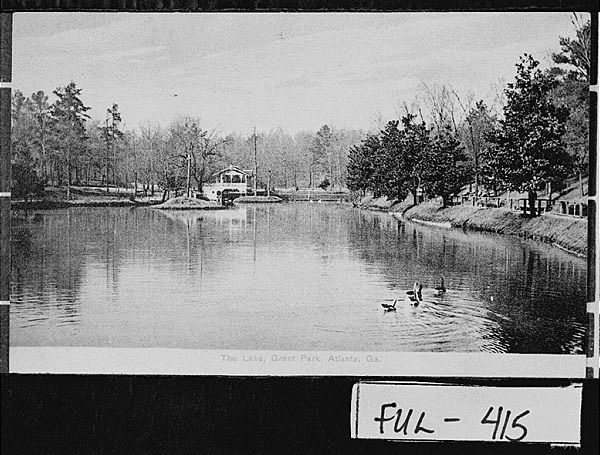
Woodruff House

Woodruff House

  • Info Details
  • Citation Terms of Use

The Woodruff House, located on the Mercer University campus in Macon, is a Greek revival-style mansion built in 1836. The house is open during festivals and other special events.

Image from suzieqzi

View on source site

The New Georgia Encyclopedia does not hold the copyright for this media resource and can neither grant nor deny permission to republish or reproduce the image online or in print. All requests for permission to publish or reproduce the resource must be submitted to the rights holder.

Macon Telegraph Building

Macon Telegraph Building

  • Info Details
  • Citation Terms of Use

The Macon Telegraph was housed in this building, pictured in the early 1950s, during the editorship of Peyton Anderson Jr.

Courtesy of Peyton Anderson Foundation

The New Georgia Encyclopedia does not hold the copyright for this media resource and can neither grant nor deny permission to republish or reproduce the image online or in print. All requests for permission to publish or reproduce the resource must be submitted to the rights holder.

Otis Redding

Otis Redding

  • Info Details
  • Citation Terms of Use

The music scene in Macon during the 1960s played a role in desegregating the city when white teenagers attended concerts by such Black performers as Little Richard, Otis Redding, and James Brown.

Courtesy of Hargrett Rare Book and Manuscript Library, University of Georgia Libraries.

The New Georgia Encyclopedia does not hold the copyright for this media resource and can neither grant nor deny permission to republish or reproduce the image online or in print. Requests for permission to publish or reproduce the resource should be submitted to the Hargrett Manuscript and Rare Book Library at the University of Georgia.

Macon, ca. 1925

Macon, ca. 1925

  • Info Details
  • Citation Terms of Use

Aerial view of downtown Macon, circa 1925.

Courtesy of Middle Georgia Archives, Washington Memorial Library.

The New Georgia Encyclopedia does not hold the copyright for this media resource and can neither grant nor deny permission to republish or reproduce the image online or in print. Requests for permission to publish or reproduce the resource may need to be submitted to the Middle Georgia Archives at Washington Memorial Library. 

Third Street Park

Third Street Park

  • Info Details
  • Citation Terms of Use

Macon's Third Street Park stretches from Plum Street to Walnut Street. Cherry trees line the walkways.

Courtesy of Explore Georgia, Photograph by Ralph Daniel.

The New Georgia Encyclopedia does not hold the copyright for this media resource and can neither grant nor deny permission to republish or reproduce the image online or in print. Requests for permission to publish or reproduce the resource may need to be submitted to Explore Georgia.

LaGrange, 1889

LaGrange, 1889

  • Info Details
  • Citation Terms of Use

Broad Street in LaGrange, the seat of Troup County, is pictured in 1889, before it was paved. The picture was taken from the campus of LaGrange Female College (later LaGrange College) looking toward the town's business district.

Courtesy of Georgia Archives, Vanishing Georgia, #
trp053.

View on partner site

The New Georgia Encyclopedia does not hold the copyright for this media resource and can neither grant nor deny permission to republish or reproduce the image online or in print. Requests for permission to publish or reproduce the resource should be submitted to the Georgia Archives.

Lafayette Square

Lafayette Square

  • Info Details
  • Citation Terms of Use

LaGrange's central point, Lafayette Square, was home to the Troup County courthouse from 1828 to 1936 and is now a public park with a fountain.

Courtesy of Frederick Mills

The New Georgia Encyclopedia does not hold the copyright for this media resource and can neither grant nor deny permission to republish or reproduce the image online or in print. All requests for permission to publish or reproduce the resource must be submitted to the rights holder.

  • Info Details
  • Citation Terms of Use

The New Georgia Encyclopedia does not hold the copyright for this media resource and can neither grant nor deny permission to republish or reproduce the image online or in print. All requests for permission to publish or reproduce the resource must be submitted to the rights holder.

  • Info Details
  • Citation Terms of Use

The New Georgia Encyclopedia does not hold the copyright for this media resource and can neither grant nor deny permission to republish or reproduce the image online or in print. All requests for permission to publish or reproduce the resource must be submitted to the rights holder.

Smith Hall, LaGrange College

Smith Hall, LaGrange College

  • Info Details
  • Citation Terms of Use

The front part of LaGrange College's Smith Hall dates back to 1842.

Courtesy of Troup County Archives

The New Georgia Encyclopedia does not hold the copyright for this media resource and can neither grant nor deny permission to republish or reproduce the image online or in print. All requests for permission to publish or reproduce the resource must be submitted to the rights holder.

LaGrange Bottling Works, 1914

LaGrange Bottling Works, 1914

  • Info Details
  • Citation Terms of Use

Employees from the LaGrange Bottling Works sit atop a mule-drawn delivery wagon filled with crates of soft drinks. The sign behind the wagon reads, "Botlers [ ] of Coca Cola, Deep Rock Gingerale, and Soda Pop."

Courtesy of Georgia Archives, Vanishing Georgia, # trp206.

View on partner site

The New Georgia Encyclopedia does not hold the copyright for this media resource and can neither grant nor deny permission to republish or reproduce the image online or in print. Requests for permission to publish or reproduce the resource should be submitted to the Georgia Archives.

Historic Milledgeville

Historic Milledgeville

  • Info Details
  • Citation Terms of Use

In the 1980s and 1990s Milledgeville began to capitalize on its heritage by revitalizing the downtown and historic district. This antebellum residence is now a bed and breakfast, the "Antebellum Inn."

Courtesy of Explore Georgia, Photograph by Ralph Daniel.

The New Georgia Encyclopedia does not hold the copyright for this media resource and can neither grant nor deny permission to republish or reproduce the image online or in print. Requests for permission to publish or reproduce the resource may need to be submitted to Explore Georgia.

Milledgeville, 1800s

Milledgeville, 1800s

  • Info Details
  • Citation Terms of Use

A view of the corner of Wayne and Hancock streets shows the city in its early years of economic boom.

Courtesy of Georgia Archives, Vanishing Georgia, # bal018.

View on partner site

The New Georgia Encyclopedia does not hold the copyright for this media resource and can neither grant nor deny permission to republish or reproduce the image online or in print. Requests for permission to publish or reproduce the resource should be submitted to the Georgia Archives.

Old Governor’s Mansion

Old Governor’s Mansion

  • Info Details
  • Citation Terms of Use

The Old Governor's Mansion in Milledgeville (1838), designed by architect Charles Cluskey, is an example of Greek revival, an architectural style common throughout the state well into the 1850s. The mansion is now part of Georgia College and State University.

Courtesy of Explore Georgia, Photograph by Ralph Daniel.

The New Georgia Encyclopedia does not hold the copyright for this media resource and can neither grant nor deny permission to republish or reproduce the image online or in print. Requests for permission to publish or reproduce the resource may need to be submitted to Explore Georgia.

  • Info Details
  • Citation Terms of Use

The New Georgia Encyclopedia does not hold the copyright for this media resource and can neither grant nor deny permission to republish or reproduce the image online or in print. All requests for permission to publish or reproduce the resource must be submitted to the rights holder.

FDR and seven other men dressed in button up shirts have a picnic on a rock outcrop by a river.

FDR near Warm Springs

  • Info Details
  • Citation Terms of Use

Franklin D. Roosevelt eats a meal with seven other men beside the Flint River near Warm Springs in Meriwether County.

Courtesy of Franklin D. Roosevelt Presidential Library and Museum

The New Georgia Encyclopedia does not hold the copyright for this media resource and can neither grant nor deny permission to republish or reproduce the image online or in print. All requests for permission to publish or reproduce the resource must be submitted to the rights holder.

Warm Springs Institute

Warm Springs Institute

  • Info Details
  • Citation Terms of Use

In the 1930s polio sufferers flocked to Warm Springs, the site of U.S. president Franklin D. Roosevelt's treatment center. Georgia Hall is pictured.

The New Georgia Encyclopedia does not hold the copyright for this media resource and can neither grant nor deny permission to republish or reproduce the image online or in print. All requests for permission to publish or reproduce the resource must be submitted to the rights holder.

Franklin D. Roosevelt, in a suit and holding a cane, stands in front of a window and shutters.

Franklin D. Roosevelt at McCarthy Cottage

  • Info Details
  • Citation Terms of Use

In 1924, three years after Roosevelt contracted polio, he began visiting Warm Springs in Georgia. The springs were thought to be beneficial for polio victims. Roosevelt, who became the U.S. president in 1932, is pictured in front of the McCarthy Cottage in Warm Springs, which burned down in 2011.

Courtesy of Franklin D. Roosevelt Presidential Library and Museum

The New Georgia Encyclopedia does not hold the copyright for this media resource and can neither grant nor deny permission to republish or reproduce the image online or in print. All requests for permission to publish or reproduce the resource must be submitted to the rights holder.

Little White House

Little White House

  • Info Details
  • Citation Terms of Use

From 1924 to 1945 President Franklin D. Roosevelt maintained a residence in Warm Springs, known as Little White House. Since 1948 the house has been open to the public.

Courtesy of Franklin D. Roosevelt Presidential Library and Museum

The New Georgia Encyclopedia does not hold the copyright for this media resource and can neither grant nor deny permission to republish or reproduce the image online or in print. All requests for permission to publish or reproduce the resource must be submitted to the rights holder.

Smithgall Arts Center

Smithgall Arts Center

  • Info Details
  • Citation Terms of Use

The Smithgall Arts Center is home to Gainesville's Arts Council.

Photograph by Darby Carl Sanders, New Georgia Encyclopedia

The New Georgia Encyclopedia does not hold the copyright for this media resource and can neither grant nor deny permission to republish or reproduce the image online or in print. All requests for permission to publish or reproduce the resource must be submitted to the rights holder.

  • Info Details
  • Citation Terms of Use

The New Georgia Encyclopedia does not hold the copyright for this media resource and can neither grant nor deny permission to republish or reproduce the image online or in print. All requests for permission to publish or reproduce the resource must be submitted to the rights holder.

  • Info Details
  • Citation Terms of Use

The New Georgia Encyclopedia does not hold the copyright for this media resource and can neither grant nor deny permission to republish or reproduce the image online or in print. All requests for permission to publish or reproduce the resource must be submitted to the rights holder.

  • Info Details
  • Citation Terms of Use

The New Georgia Encyclopedia does not hold the copyright for this media resource and can neither grant nor deny permission to republish or reproduce the image online or in print. All requests for permission to publish or reproduce the resource must be submitted to the rights holder.

  • Info Details
  • Citation Terms of Use

The New Georgia Encyclopedia does not hold the copyright for this media resource and can neither grant nor deny permission to republish or reproduce the image online or in print. All requests for permission to publish or reproduce the resource must be submitted to the rights holder.

Lake Lanier

Lake Lanier

  • Info Details
  • Citation Terms of Use

In 1953 the damming of the Chattahoochee River created the 38,000-acre Lake Lanier, which resulted in a recreational revolution for the area.

Image from Lisa Bongiorno

View on source site

The New Georgia Encyclopedia does not hold the copyright for this media resource and can neither grant nor deny permission to republish or reproduce the image online or in print. All requests for permission to publish or reproduce the resource must be submitted to the rights holder.

  • Info Details
  • Citation Terms of Use

The New Georgia Encyclopedia does not hold the copyright for this media resource and can neither grant nor deny permission to republish or reproduce the image online or in print. All requests for permission to publish or reproduce the resource must be submitted to the rights holder.

  • Info Details
  • Citation Terms of Use

The New Georgia Encyclopedia does not hold the copyright for this media resource and can neither grant nor deny permission to republish or reproduce the image online or in print. All requests for permission to publish or reproduce the resource must be submitted to the rights holder.

  • Info Details
  • Citation Terms of Use

The New Georgia Encyclopedia does not hold the copyright for this media resource and can neither grant nor deny permission to republish or reproduce the image online or in print. All requests for permission to publish or reproduce the resource must be submitted to the rights holder.

Marietta Square

Marietta Square

  • Info Details
  • Citation Terms of Use

A fountain is the centerpiece of Marietta's historic square. The square is also referred to as Glover Park.

Courtesy of Explore Georgia, Photograph by Ralph Daniel.

The New Georgia Encyclopedia does not hold the copyright for this media resource and can neither grant nor deny permission to republish or reproduce the image online or in print. Requests for permission to publish or reproduce the resource may need to be submitted to Explore Georgia.

Marietta

Marietta

  • Info Details
  • Citation Terms of Use

Marietta possesses a historic business area centered on a downtown square.

Courtesy of Explore Georgia.

View on partner site

The New Georgia Encyclopedia does not hold the copyright for this media resource and can neither grant nor deny permission to republish or reproduce the image online or in print. Requests for permission to publish or reproduce the resource may need to be submitted to Explore Georgia.

Marietta National Cemetery

Marietta National Cemetery

  • Info Details
  • Citation Terms of Use

The Marietta National Cemetery is located at 500 Washington Avenue in Marietta. There are more than 10,000 Union soldiers buried here, with approximately 3,000 of them unknown. Confederate soldiers were interred at a separate Confederate cemetery in Marietta.

Image from Ron Zanoni

View on source site

The New Georgia Encyclopedia does not hold the copyright for this media resource and can neither grant nor deny permission to republish or reproduce the image online or in print. All requests for permission to publish or reproduce the resource must be submitted to the rights holder.

  • Info Details
  • Citation Terms of Use

The New Georgia Encyclopedia does not hold the copyright for this media resource and can neither grant nor deny permission to republish or reproduce the image online or in print. All requests for permission to publish or reproduce the resource must be submitted to the rights holder.

  • Info Details
  • Citation Terms of Use

The New Georgia Encyclopedia does not hold the copyright for this media resource and can neither grant nor deny permission to republish or reproduce the image online or in print. All requests for permission to publish or reproduce the resource must be submitted to the rights holder.

Bartow County Courthouse

bartow-county-courthouse_002-scaled-opt

  • Info Details
  • Citation Terms of Use

Located in northwest Georgia, forty-four miles north of Atlanta and seventy-nine miles south of Chattanooga, Tennessee, on Interstate 75, Cartersville is the seat of Bartow County.

Image from OZinOH

View on source site

The New Georgia Encyclopedia does not hold the copyright for this media resource and can neither grant nor deny permission to republish or reproduce the image online or in print. All requests for permission to publish or reproduce the resource must be submitted to the rights holder.

Rose Lawn Museum

Rose Lawn Museum

  • Info Details
  • Citation Terms of Use

The Rose Lawn Museum on Cherokee Avenue in Cartersville is the former house of evangelist Sam Jones, for whom Nashville's Union Gospel Tabernacle (Ryman Auditorium) was built. The house was placed on the National Register of Historic Places in 1973.

Image from Amesmultimedia

The New Georgia Encyclopedia does not hold the copyright for this media resource and can neither grant nor deny permission to republish or reproduce the image online or in print. All requests for permission to publish or reproduce the resource must be submitted to the rights holder.

Cartersville Coca-Cola Sign

Cartersville Coca-Cola Sign

  • Info Details
  • Citation Terms of Use

Cartersville is home to the first outdoor painted wall advertisement for Coca-Cola, originally painted in 1894.

Photograph by Patrice M Christian

The New Georgia Encyclopedia does not hold the copyright for this media resource and can neither grant nor deny permission to republish or reproduce the image online or in print. All requests for permission to publish or reproduce the resource must be submitted to the rights holder.

  • Info Details
  • Citation Terms of Use

The New Georgia Encyclopedia does not hold the copyright for this media resource and can neither grant nor deny permission to republish or reproduce the image online or in print. All requests for permission to publish or reproduce the resource must be submitted to the rights holder.

Alpharetta City Hall

Alpharetta City Hall

  • Info Details
  • Citation Terms of Use

The Alpharetta City Hall is built on the grounds of the Milton County Courthouse that was razed in 1955.

Photograph by Sue Rainwater

The New Georgia Encyclopedia does not hold the copyright for this media resource and can neither grant nor deny permission to republish or reproduce the image online or in print. All requests for permission to publish or reproduce the resource must be submitted to the rights holder.

  • Info Details
  • Citation Terms of Use

The New Georgia Encyclopedia does not hold the copyright for this media resource and can neither grant nor deny permission to republish or reproduce the image online or in print. All requests for permission to publish or reproduce the resource must be submitted to the rights holder.

Windsor Hotel

Windsor Hotel

  • Info Details
  • Citation Terms of Use

G. L. Norrman's historic Windsor Hotel (1892) in Americus, Georgia, is an outstanding example of High Victorian or Queen Anne architecture.

Courtesy of Georgia Department of Economic Development.

The New Georgia Encyclopedia does not hold the copyright for this media resource and can neither grant nor deny permission to republish or reproduce the image online or in print. Requests for permission to publish or reproduce the resource may need to be submitted to the Georgia Department of Economic Development.

  • Info Details
  • Citation Terms of Use

The New Georgia Encyclopedia does not hold the copyright for this media resource and can neither grant nor deny permission to republish or reproduce the image online or in print. All requests for permission to publish or reproduce the resource must be submitted to the rights holder.

Jimmy and Rosalynn Carter

Jimmy and Rosalynn Carter

  • Info Details
  • Citation Terms of Use

Jimmy and Rosalynn Carter, both from Plains, discuss their experiences working together with Habitat for Humanity and the Carter Center in a book they coauthored in 1987, Everything to Gain: Making the Most of the Rest of Your Life.

Courtesy of the Carter Center

The New Georgia Encyclopedia does not hold the copyright for this media resource and can neither grant nor deny permission to republish or reproduce the image online or in print. All requests for permission to publish or reproduce the resource must be submitted to the rights holder.

Sumter County Courthouse

Sumter County Courthouse

  • Info Details
  • Citation Terms of Use

The Sumter County courthouse in Americus was designed by Rosser International and completed in 2009. It incorporates traditional and modern architectural styles. 

Courtesy of Don Bowman

The New Georgia Encyclopedia does not hold the copyright for this media resource and can neither grant nor deny permission to republish or reproduce the image online or in print. All requests for permission to publish or reproduce the resource must be submitted to the rights holder.

Darien Lumber Mill, ca. 1900

Darien Lumber Mill, ca. 1900

  • Info Details
  • Citation Terms of Use

Pine timber was rafted down the Altamaha River to Darien's sawmills. The town became the leading center for export of lumber on the southern Atlantic coast during the late nineteenth century.

Courtesy of Hargrett Rare Book and Manuscript Library, University of Georgia Libraries.

The New Georgia Encyclopedia does not hold the copyright for this media resource and can neither grant nor deny permission to republish or reproduce the image online or in print. Requests for permission to publish or reproduce the resource should be submitted to the Hargrett Manuscript and Rare Book Library at the University of Georgia.

Altamaha River, Darien

Altamaha River, Darien

  • Info Details
  • Citation Terms of Use

Darien is a coastal tidewater town about sixty miles south of Savannah, located at the mouth of the Altamaha River. The port town's origins can be traced to the earliest years of colonial Georgia.

Courtesy of Explore Georgia, Photograph by Ralph Daniel.
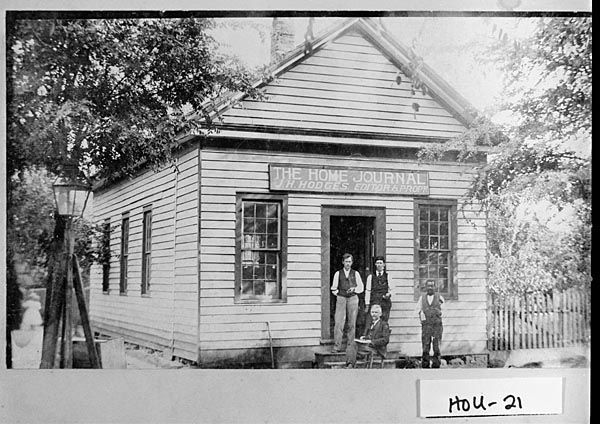
The New Georgia Encyclopedia does not hold the copyright for this media resource and can neither grant nor deny permission to republish or reproduce the image online or in print. Requests for permission to publish or reproduce the resource may need to be submitted to Explore Georgia.

  • Info Details
  • Citation Terms of Use

The New Georgia Encyclopedia does not hold the copyright for this media resource and can neither grant nor deny permission to republish or reproduce the image online or in print. All requests for permission to publish or reproduce the resource must be submitted to the rights holder.

Midtown Skyline Peachtree Street Wimbish House Midtown Counterculture Atlanta Pride Fox Theatre Dalton City Hall Dalton, 1890 Old Whitfield County Courthouse Hamilton Street, Dalton Chenille Bedspreads Dalton, 1950s World Carpets Headquarters Downtown Dalton
Hamilton Memorial Hospital Dalton, 1940s Glascock County Courthouse Springvale Park Inman Park Trolley Barn, Inman Park Inman Park Callan Castle, Inman Park Talking Rock Country Store Talking Rock Talking Rock Hotel Ludville Academy Manchester Pig Barbecue Stuart Woods Segregated Railroad Station Callaway Mills, Aerial View Lake Lanier Flowery Branch Flowery Branch Depot Plains Historic Plains Carter Boyhood Farm Maranatha Baptist Church Downtown Pelham Hand Trading Company Pelham Television Station
Lincoln County Historical Park
Braselton Town Hall
Chateau Elan Braselton School Bell Road Atlanta Florence Marina State Park Evans Boyhood Home Bedingfield Inn Pike County Courthouse Pike County Sawmill Covington Covington Monument In the Heat of the Night Tunnel Hill Whitfield County Courthouse Crown Cotton Mill Mill Houses Wayne County Courthouse Altamaha River Altamaha River, Darien Hickory Hill McDuffie County Courthouse Rock House
Dahlonega Branch Mint at Dahlonega Consolidated Mine Company Dahlonega Gold Museum
Dancing Bears Gold Mining Old Wilkes County Courthouse Wilkes County Courthouse Wilkes County Cotton Wilcox County Courthouse Wilcox County Workers
Joseph Wheeler Wheeler County Courthouse Train Passengers Twiggs County Courthouse Turpentine Still Byron Depot Peach Harvest Peach Blossom Festival
Peach County Courthouse Fort Valley State University Lincoln County Courthouse
Mulberry CME Church Treutlen County Courthouse
Telfair County Courthouse McLeod Hotel
Glennville Depot Tattnall County Courthouse Tattnall County Sawmill Gordonia-Alatamaha State Park Georgia Historical Commission Old Fayette County Courthouse Courthouse Bench Holliday-Dorsey-Fife House Old Fayette County Courthouse Lula Falls Lee and Gordon’s Mills
Walker County Courthouse Warren County Courthouse Beall Springs Hotel Roberts-McGregor House Turner County Courthouse Shingler Home Towns County Courthouse
Lake Chatuge
Taliaferro County Courthouse Liberty Hall A. H. Stephens Historic Park Liberty Hall Lake Chatuge
Woody Lake Union County Courthouse Blood Mountain Brasstown Bald Old Union County Courthouse Toombs County Courthouse Ice Plant Vidalia Onions Toombs County Farming Blackshear Depot Pierce County Courthouse Cotton Warehouse Satilla River Brewton-Parker College Richard Montgomery Montgomery County Courthouse East and West Railroad Construction Polk County Courthouse
Eugene Talmadge Rally Hiram Colored School Paulding County Farmer Paulding County Courthouse Oak Hill School Ideal Railroad Depot Macon County Courthouse Andersonville Cemetery Great Beaver Creek Duck Race
Wrightsville Depot Johnson County Courthouse Nannie Lou Warthen Institute Calhoun County Farm Calhoun County Courthouse Gopher Tortoise Gopher Tortoise Mulberry Depot Cotton Weighing Jackson County Courthouse Pendergrass Depot Chateau Elan Old Habersham Courthouse Apple Monument Habersham County Courthouse
Stewart County Courthouse Singer-Moye Mounds Cotton Farm Bedingfield Inn Florence Marina State Park Louvale Church Row Cumming Country Fair and Festival Cumming City Hall
Forsyth County Protest Dodge Guest House William Dodge Dodge County Courthouse Turpentine Camp Williamson Mausoleum Monroe County Courthouse Forsyth Female Collegiate Institute Monroe County Logging Lake Juliette Juliette Depot Forsyth Sawnee Mountain Preserve Forsyth County Protest Forsyth County Courthouse Steamboat at Hawkinsville Pulaski County Courthouse Harness Horse Racing Track Jeff Davis Courthouse Pace House Meriwether Inn Meriwether County Courthouse Cotton Weighing Little White House Lanier County Lanier County Courthouse Banks Lake Downtown Washington Robert Toombs Historic Site Heard House
Carnival, Washington Sylvania Sylvania Courthouse, ca. 1900 Livestock Festival Parade Sweet Auburn Atlanta Life Insurance Royal Peacock Martin Luther King Jr. Birthplace Sweet Auburn Festival Cotton Farmers Heard County Courthouse Mayhayley's Grave Lithia Springs Hotel Bremen Depot Haralson County Courthouse HL-A Company Tom Murphy Jasper County Courthouse Seven Islands Nature Trail Irwinville Courthouse Irwin County Courthouse Jefferson Davis Memorial Historic Site Harris County Courthouse Joseph Warren Old Courthouse
Kaolin Processing Mayday Rentz Family Echols County Courthouse Colquitt Depot
Grady County Courthouse
Roddenbery Memorial Library Teresa Edwards Cairo City Hall Webb General Store Reed Bingham State Park Panola Granite Rockdale County Courthouse McCart Farm Sawmill Monastery of the Holy Spirit Pecan Grove Mitchell County Courthouse Gnat Days Festival Hinesville M. R. Riviere Drugstore Bradwell Institute Turpentine Still Entertainment Booth Main Street Fort Stewart Greensboro
Greensboro Tenant Farmers Cotton Exchange Greensboro Mary-Leila Cotton Mill
Cotton Mill Worker Greene County Courthouse Cohutta Wilderness Area Fannin County Courthouse Road Builders Blue Ridge Scenic Railway Cabbage Farm Mineral Bluff Cook County Courthouse Sparks Depot Black Vultures Colquitt County Courthouse Tram Road Tobacco Warehouse Norman Park Reed Bingham State Park Birdsong Nature Center Grady County Courthouse Atlantic Coast Line Depot Pebble Hill Plantation Gilmer County Courthouse Gilmer County Courthouse Stegall Mill Chattahoochee National Forest Clinch County Courthouse Clinch County Sawmill
Camp Homerville Quitman County Courthouse
Seaboard Air Line Railway Evans County Courthouse Claxton Fruit Cake Dooly County Courthouse Byromville Post Office
Winterville Depot Clarke County Courthouse Puryear’s Mill
Russell Appreciation Day Winder Winder Depot Broad Street Fort Yargo Emanuel County Courthouse Lumber Workers Parrish Mill Norristown Depot Ogeechee River Bridge Effingham County Courthouse Johann Martin Boltzius Jerusalem Church Confederate Veterans Delivery Wagon Burke County Courthouse Bellevue Cotton Bark Camp Church Wilkinson County Courthouse Klondyke Mine Troup County Courthouse Bellevue West Point Dam and Lake Oglethorpe
Eagle Tavern Watkinsville Elder Mill Covered Bridge Ludowici Long County Courthouse Ludowici Well Pavilion Ludowici Billboard
Fayetteville Academy Old 87 Fayetteville Square Crisp County Courthouse Watermelon Eating Rural Life Center Groundbreaking Spalding County Courthouse Stonewall Confederate Cemetery and Memorial Park
Albany Locomotive Dougherty County Courthouse Flint River Flood of 1925 The Parks at Chehaw Radium Springs Dade County Courthouse
Cloudland Canyon State Park Roberta, ca. 1900 Jefferson Franklin Long Hawkins Monument Crawford County Courthouse Conyers W. D. Conyers Conyers Depot Callaway Cotton Mill Conyers Monastery of the Holy Spirit
The Dinky Conyers Depot Catoosa County Courthouse Old Stone Church Chickamauga Park Dawson County Courthouse McClure Mercantile Store Amicalola Falls Trout Fishing Taylor County Courthouse Cotton Harvest Strawberry Festival General Store Oglethorpe County Courthouse William H. Crawford Oglethorpe County Courthouse Miller County Courthouse Leviston Sawmill
Peace Wall Sweetwater Creek Sweetwater Park Hotel Douglas County Courthouse Louisville Water Tower Market House Stone-Murphy Store Steamboat, 1897 Hawkinsville Ocmulgee River Flood
Hawkinsville Opera House Jasper, 1880s William Jasper Statue Gospel Singing Convention
Downtown Canton Canton Depot
Rock Barn Walton County Courthouse Social Circle, 1898 William Harris Family Farmstead Social Circle Postage Stamp Featuring Moina Michael Screven County Courthouse Uncle Remus Museum Putnam County Courthouse Jersey Cow
Elder Mill Covered Bridge Oconee County Courthouse Elder Mill Covered Bridge Old Mercer University Bethesda Baptist Church Scull Shoals Company Store White Plains Baptist Church Oconee River Bridge Remains Steamship in Floyd County Cotton Block, Rome Floyd County Courthouse Rabun County Courthouse
Moccasin Creek Waterfall York House Lillian Smith Pine Terrace Hack’s Drugstore Long County Courthouse Franklin Tree Flower Henry County Courthouse Atlanta Motor Speedway Hampton, ca. 1900 James Weldon Johnson Turpentine Still Bacon County Courthouse Washington County Courthouse Staff of Rawlings Sanitarium Kaolin Mine Washington County, Georgia Indian Springs State Park Butts County Courthouse McIntosh Inn Indian Springs Gristmill High Falls State Park Grist Mill William Terrell Amanda America Dickson Historic Lee County Courthouse Lee County Courthouse
Benton Supply Company Downtown McDonough
Joshua Hill House Madison Collegiate Institute Madison-Morgan Cultural Center Madison Residence Grocery Wagon Bulloch County Courthouse Archibald Bulloch Baker County Courthouse Georgia State Capitol Savannah Meeting Place Yazoo Act Burning State Capitol at Milledgeville Old Atlanta City Hall Kimball Opera House James Jackson and the Yazoo Land Fraud Lawrenceville Female Seminary Logging, Lawrenceville Gwinnett County Courthouse Rhodes Jordan Park Lawrenceville Female Seminary Thomas County Courthouse Thomasville, 1900
Southern Railroad Stephens County Courthouse Traveler’s Rest State Historic Site Paul Anderson Jekyll Island Club Glynn County Courthouse St. Simons Tourists The Cloister Fish Catch Low Tidal Salt Marsh Taloney Mission Pickens County Courthouse Blue Ridge Marble Company Marblehill Quarry Old Pickens County Courthouse Rome Beauty Apple L and N Railroad Chattahoochee National Forest Chattooga County Courthouse Central of Georgia Railway Paradise Garden Allen D. Candler Candler County Courthouse Bleckley County Courthouse Southern Railroad Middle Georgia College Before: Bleckley County African American School After: Bleckley County African American School Chickamauga Battlefield Crawfish Springs
Battle of Chickamauga Down Home Days Festival Okefenokee Swamp Charlton County Courthouse Swamp Alligator Brantley County Courthouse Hoboken-Style Singing
Tift County Courthouse Abraham Baldwin Agricultural College
Watermelon Capital Old Suwannee Hotel
Carnegie Free Library Old White County Courthouse Downtown Cleveland Babyland General Hospital Rock House Thomson Depot Knox Hotel
Thomas E. Watson House Downtown Fort Gaines
Queen City
Fort Gaines, 1918 Spring in Ellaville
Schley County Courthouse County Unit System Griffin Bell
Helen Mine White County Courthouse Helen Mount Yonah White County Family Young Boys on Car Mount Yonah Caboose in Millen Millen Depot Millen News Plant Downtown Millen Magnolia Springs State Park Charles Thomas School Warner Robins Flight Line at Robins Air Force Base War Department Telegram Warner Robins Depot Downtown Warner Robins Ray Charles Plaza Albany Movement Flint River Bridge Nelson Tift Barnwell Pecan Orchards C. B. King U.S. Courthouse McCranie’s Turpentine Still Atkinson County Courthouse Covered Bridge in Banks County Banks County Courthouse Gristmill in Banks County Tuberculosis Sanatorium Ty Cobb Statue Sports Roadster Downtown Valdosta Valdosta Cotton Exchange Valdosta Trolley Tracks Valdosta City Hall The Crescent Dosta Playhouse Tobacco Load Downtown Moultrie
Spring Fling and Backyard BBQ Paradise Public Fishing Area Berrien County Courthouse Old Berrien County Jail Spirit of the American Doughboy Rome City Hall Capitoline Wolf Rome Sidney Smith Lock at Mayo’s Bar Union Officers in Rome Clocktower Noble Foundry Lathe Martha Berry Suzuki Manufacturing of America Rome Ben Hill County Courthouse
Colony City Chase Coheelee Creek Covered Bridge Johnston Blakely Confederate Veterans’ Reunion Temple Mound Historic Clinton DeWitt Clinton George Clinton Gray, ca. 1910s Jones County Courthouse Jarrell Plantation Historic Site Old Clinton Barbecue Sally and Frank Black Porter Locomotive Love Avenue, Tifton (2004) Love Avenue, Tifton (1904) Tift Sawmill Calf Feeding Timber Rafting, Oconee River Historic Dublin Laurens County Courthouse
Laurens County Courthouse Barrow County Courthouse Fort Yargo Cabin Birdsville Jenkins County Courthouse Birdsville Tavern Steamboat Willis Park, Bainbridge
Bainbridge Bainbridge, 1923 Field Workers, Bainbridge Olympic Village Fulton County Courthouse Wrens Nest Fort Peach Tree Replica Southeastern Fair Lumpkin County Courthouse Gold Mining Three Sisters Vineyard Clayton County Courthouse Reynolds Nature Preserve Forest Park Depot Patrick R. Cleburne Confederate Memorial Cemetery Spivey Hall Battle of Jonesboro Reenactment
Riverdale Depot Main Street in Jonesboro, 1890 Destroyed Railroad, 1864 Bill Lee and Calvin Smyre Talbot County Courthouse Main Street, Talbotton Straus-LeVert Memorial Hall Richmond County Garden Richmond County Courthouse
Broad Street in Augusta, 1930s False Rue Anemone Fort Gordon Headquarters Ninevian Pipe John Dill House Clay County Courthouse Fort Gaines, 1925 Airplane, 1904 Chief Vann House Murray County Courthouse
Eastman House Stuckey Timberland Morton Theatre University of Georgia North Campus View of Athens from Carr’s Hill University of Georgia, 1875 Taylor-Grady House Double-Barreled Cannon Knox Institute College Avenue State Normal School, 1919 Ben Epps Navy Supply Corps School
State Botanical Garden of Georgia Athens Parlor Market, 1909 Athens Fair, 1901 Athens City Hall Dedication Cotton Bales Carnival, Athens Rufus L. Moss Sr. 40 Watt Club Old Governor’s Mansion Baldwin County Courthouse Georgia Normal and Industrial College
Old State Capitol Central State Hospital, late 1800s Georgia Penitentiary Etowah Indian Mounds Bartow County Courthouse Cooper’s Furnace Coca-Cola Sign Noble Hill Rosenwald School Etowah Indian Mounds Main Gate at Robins Air Force Base, 1963 Bibb County Courthouse Downtown Macon Savannah Historic District Chatham County Courthouse Fort Pulaski National Monument Savannah Port Savannah Cotton Exchange Savannah Skyline Savannah City Market Savannah River St. Patrick’s Day Parade Broxton Rocks Ecological Preserve Coffee County Courthouse Douglas General Coffee State Park Coffee County, 1930s Handy Community, 1905 Coweta County Courthouse Charlton Hines House, ca. 1880 Liberty County Courthouse Samuel Dowse Bradwell Dorchester Academy Covington Seney Hall at Emory University Central of Georgia Railway Brick Store Newton County Courthouse Yellow River Shoals Old Main, Andrew College Historic Randolph County Courthouse
Waycross Depot Ware County Courthouse Cypress Mill at Hebardville Okefenokee Swamp Webster County Courthouse William Decker Johnson Logging, Worth County Worth County Courthouse Possom Poke
Downtown Thomasville Sunbeam Float Tifton, Thomasville, and Gulf Railroad Mitchell House
Circus Parade, Thomasville
Thomasville, 1900 Lapham-Patterson House Peach Crate Label Upson County Courthouse Thomaston Mills Thomaston Mills Shrimp Boats First Presbyterian Church of St. Marys Pulpwood
Cumberland Island City Cafe, St. Marys Doodlebug Peaches Strawberry Pickers Blue Bird Schoolbuses Lena Horne Founders Hall Lookout Mountain Lookout Mountain
Rock City Cloudland Canyon Grant Park Color photograph of trees in Atlanta's Grant Park Zoo Atlanta Lake, Grant Park Grant Park Piedmont Hotel Lake Lanier Hall County Courthouse
Mall of Georgia Lawrenceville City School Wynne-Russell House Peachtree City Lake Peachtree
Mule and Tenant Farmer Sculpture
Georgia National Fairgrounds Home Journal Office New Perry Hotel
Old Perry Hotel Columbus Historic District Columbus Historic District Sketch of Columbus Log Cabin, Columbus Heritage Park Port Columbus Civil War Naval Center Chappell Brothers Eugene Bullard Coca-Cola Bottling Company, Columbus Tom’s Foods Rankin House Columbus Art Museum Columbus Walker-Peters-Langdon House The Elms Pemberton House 700 Broadway Springer Opera House
Historic Newnan Elberton Mural Elberton Christmas Tree House Maxwell House
Elberton’s Granite Bowl Talmadge in Elberton
Georgia Guidestones Downtown Eatonton Eatonton Historic District Eatonton Historic District Brer Rabbit Middle Georgia Cotton Factory Napier-Reid-Rainey-Stubbs House Atlanta Skyline Atlanta Terminal Station Color photo of the stone zero milepost on display in downtown Atlanta
Atlanta during the Civil War Equitable Building Whitehall-West End Streetcar Stone Mountain Park Fulton County Sewing Project
Spaghetti Junction in Atlanta
High Museum of Art Chattahoochee River Carroll County Courthouse Weighing Cotton, 1939-40 Banning Mill Southwire Headquarters Lake Seminole Seminole County Courthouse Seminole County Peanut Field Olive Theatre Pecan Orchard, Perry Fairgrounds Lake, Perry Sonny Perdue Houston County Courthouse Hartwell Dam Hart County Courthouse Nancy Hart and the Tories
Early County Courthouse Kolomoki Artifact Confederate Monument Brooks County Courthouse Betty Sheffield Camellia Downtown Hartwell
Hart County Community Theatre
Circus Parade, Valdosta Lowndes County Courthouse Strickland Cotton Mills Valdosta State University Grand Bay Wildlife Management Area Moody Air Force Base (Aerial View) Calhoun Calhoun Sequoyah Statue
Rail Depot, Calhoun St. Patrick’s Day Festival Dublin
Fitzgerald Settlers
Fitzgerald Citizens Lee-Grant Hotel, 1898 Philander H. Fitzgerald Fitzgerald Fitzgerald, 1940s Shacktown William Northen in Fitzgerald Historic Home, Fitzgerald Union Veterans Baxley First Methodist
Turpentine Farmers Appling County Courthouse
Barnes Hotel Cherokee County Justice Center Old Cherokee County Courthouse Baptismal Pool Columbia County Courthouse Old Columbia County Jail
Historic Franklin County Courthouse Franklin County Courthouse Cromer’s Mill Covered Bridge Ty Cobb Museum Cromer’s Mill Covered Bridge DeKalb County Courthouse View from Stone Mountain Dinosaur Exhibition at Fernbank A stone courthouse in black and white with Greek columns and a dome. Madison County Government Complex Watson Mill Bridge State Park Madison County Courthouse Mull Lemuel Penn Marker Berkeley Quarry Cobb County Courthouse C-130 Hercules Six Flags Amusement Park New Morgan Hotel Morgan County Courthouse Calvary Baptist Church, Morgan County Hay Rolls, Morgan County World War I Memorial Statue Fort McAllister Bryan County Courthouse Union Soldiers Turpentine Still
Fort McAllister State Historic Park Fort McAllister Earthworks, Fort McAllister Confederate Gun Ben Fortson Wall Trench Kings Bay Submarine Camden County Courthouse Oyster Roast, St. Marys Orange Hall Fort Benning Chattahoochee County Jail Chattahoochee County Courthouse Decatur County Courthouse Decatur County Traveling Library
Muscogee County Courthouse, ca. 1900 Muscogee County Courthouse
Terrell County Chamber of Commerce Terrell County Courthouse Dawson Ford Automobile Auchumpkee Covered Bridge Thomaston Peaches, ca. 1920
Milton County Courthouse
Jefferson County Courthouse Ambrose Wright McIntosh County Courthouse Shrimp Boat Print Shop, New Echota Historic Site Superior Court House, New Echota Historic Site Gordon County Courthouse Gordon County Park
Council House, New Echota Historic Site New Echota Monument Marion County Courthouse Studio Building, Pasaquan Lucius Q. C. Lamar Buggy Days Lamar County Courthouse Barnesville Expo Center William Schley Hancock County Courthouse Millmore Gristmill Plow Linton Stephens Home Glen Mary Original Hancock County courthouse after flames destroyed the building. The structure has fencing around it and memorial ribbons attached to the posts. Savannah Riverfront Savannah River James Oglethorpe Savannah City Plan, 1734 Silk Filature Lafayette in Georgia
Clark Hall Davenport House Owens-Thomas House Bamboo Farm and Coastal Gardens Historic Midway Congregational Church Midway Congregational Church Cemetery Rosier’s Tourist Court Midway Museum Park Street, Baxley
Baxley Post Office Roswell City Hall Bulloch Hall Roswell King
Barrington Hall Lake Russell Elbert County Bobby Brown State Park Elbert County Ferry Russell Dam
Georgia Guidestones Welcome to Elbert County Rains Hall Augusta Canal Augusta Canal Augusta Confederate Monument Confederate Powder Works in Augusta Augusta Riverwalk
Old Government House Broad Street in Augusta, 1950s Augusta Federal Arsenal Augusta Factory Augusta Canal
Augusta Confederate Monument Augusta National Golf Club King Mill Americus Wide Awake Fire Company Windsor Hotel
Americus Institute Cotton Warehouse Rylander Theater Lexington Streetscape
Shaking Rock Park Ringgold Modern-day Ringgold Brannen and Smith Statesboro Ginnery Helen Tourism Helen Square
Helen Westville Westville Westville Westville Decatur Neighborhood
Agnes Scott College Decatur Cemetery Stately Oaks Plantation Glynn Academy Brunswick, 1898 Brunswick Shipyard Ship in Brunswick Maple Street Mansion Carrollton Square, 1959 Tanner Medical Center Carrollton Square, 2002 Community House Henry and Clara Ford
Rice Fields George Washington Carver School Macon Streetscape Nathaniel Macon Fort Benjamin Hawkins Macon Depot Macon City Hall Macon Railway and Light Company Cherry Street in Macon Georgia State Farmers Market, 1949 Downtown Macon Cherry Blossom Festival Hay House Wesleyan College Administration Building Ocmulgee Mounds National Historical Park Woodruff House Macon Telegraph Building Otis Redding Macon, ca. 1925 Third Street Park LaGrange, 1889 Lafayette Square
Smith Hall, LaGrange College LaGrange Bottling Works, 1914 Historic Milledgeville Milledgeville, 1800s Old Governor’s Mansion
FDR and seven other men dressed in button up shirts have a picnic on a rock outcrop by a river. Warm Springs Institute Franklin D. Roosevelt, in a suit and holding a cane, stands in front of a window and shutters. Little White House Smithgall Arts Center
Lake Lanier
Marietta Square Marietta Marietta National Cemetery
Bartow County Courthouse Rose Lawn Museum Cartersville Coca-Cola Sign
Alpharetta City Hall
Windsor Hotel
Jimmy and Rosalynn Carter Sumter County Courthouse Darien Lumber Mill, ca. 1900 Altamaha River, Darien